Travel Money
Splitting costs, currency and budgeting.
Nothing launched in this category yet.
Be the firstAbout Travel Money
Money tools for travel cover multi-currency accounts and cards, transfer services, expense splitting, and the small utilities for converting and tracking spending abroad. The category exists because the traditional way of spending money in another country is quietly expensive in several layers at once.
The layers are worth naming, because the fees are usually not presented as fees. There is the exchange rate margin — the gap between the real interbank rate and the one you are given — which is where most of the cost hides. There is a foreign transaction fee charged by many cards. There is a cash withdrawal fee. And there is dynamic currency conversion, the option at a terminal to pay in your home currency, which is always a worse rate than declining it. Declining that offer is the single easiest money-saving action in this entire category.
Multi-currency accounts and travel cards address most of this by giving you close to the real rate and no transaction fee, and they are a straightforward improvement for anyone who travels more than occasionally. The details to check are the weekend and out-of-hours rate, which is often worse, the monthly free withdrawal allowance, and what happens for currencies outside the main set.
For transfers, comparison matters more than brand, because the effective cost is the rate plus the fee and services differ substantially by corridor. The same provider can be the cheapest option on one route and among the worst on another. Comparison tools that show the total amount arriving, rather than the fee, are the honest ones.
Expense splitting for group trips is a small tool that prevents a disproportionate amount of friction, particularly across currencies where the fair split depends on the rate on the day each thing was paid for. Anything that settles the whole trip with a minimum number of transfers is doing the right thing.
Practical advice that no tool provides: carry a second card from a different network, stored separately, and have some local cash for the places that do not take cards. Card blocks and lost wallets happen, and being without access to money abroad is a genuine problem.
Nothing here is financial advice, and terms vary by provider and by where you live.
From the blog
Reading on launching, ranking and travel money.
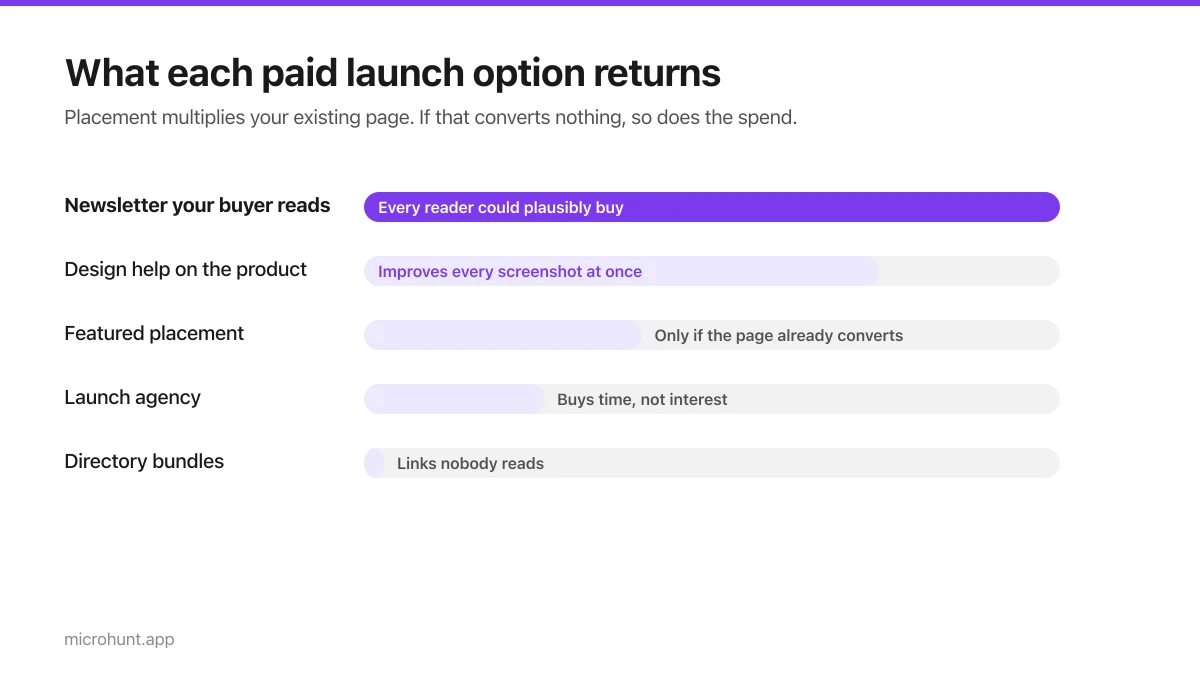
Free vs Paid Launch Platforms: What the Money Actually Buys
Paid placement, featured slots and submission services — what each one gets you, and the two cases where spending is genuinely worth it.
7 min read
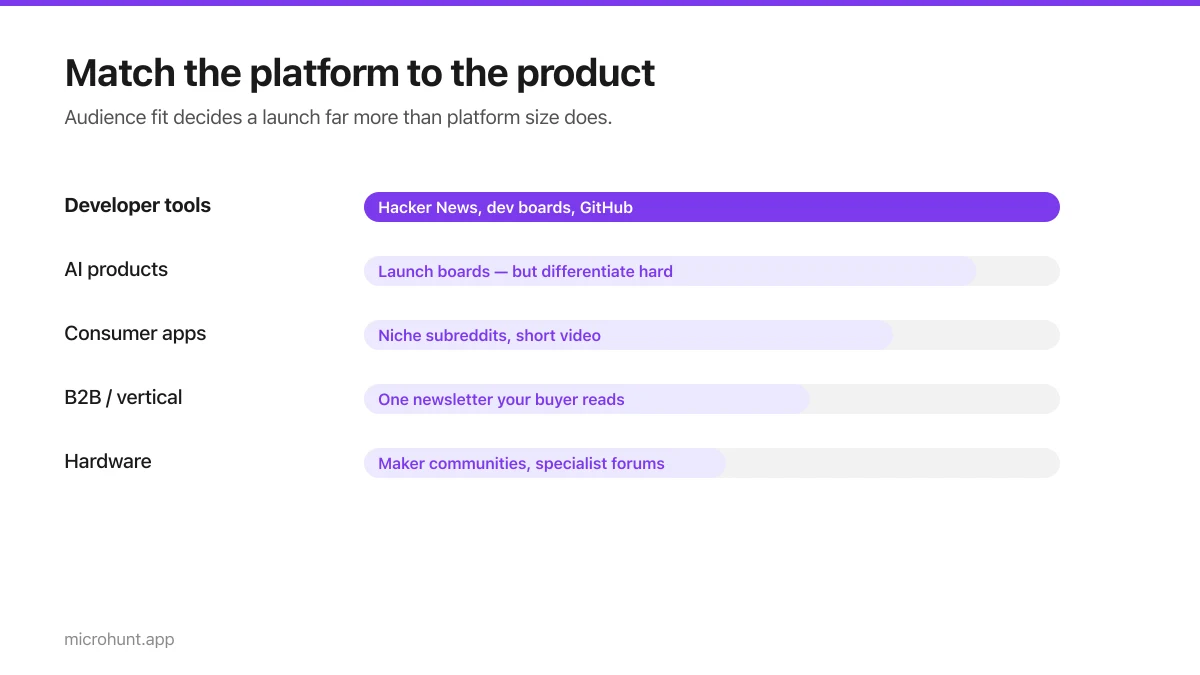
Best Product Hunt Alternatives for Launching in 2026
Where else to launch when Product Hunt is not the right fit — what each platform is actually good at, who shows up, and what it costs.
8 min read
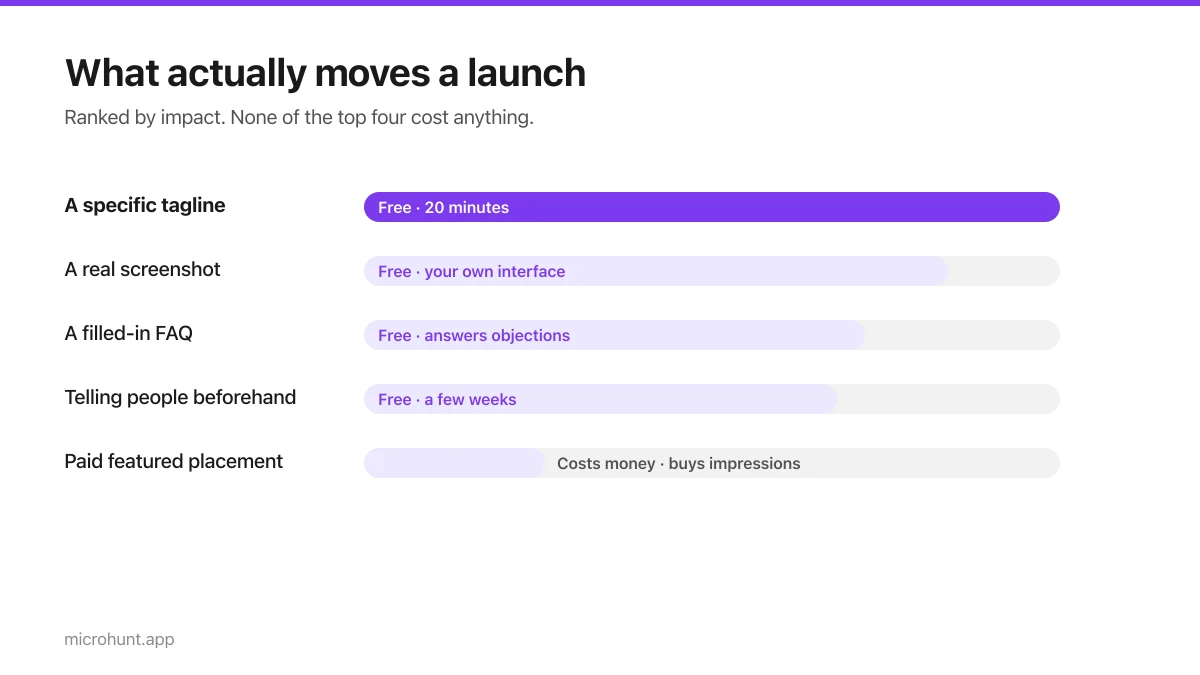
Free Launch Platforms for Indie Makers (No Budget Needed)
You do not need to pay to launch. Here are the places that are genuinely free, what each expects from you, and where paying is actually worth it.
7 min read
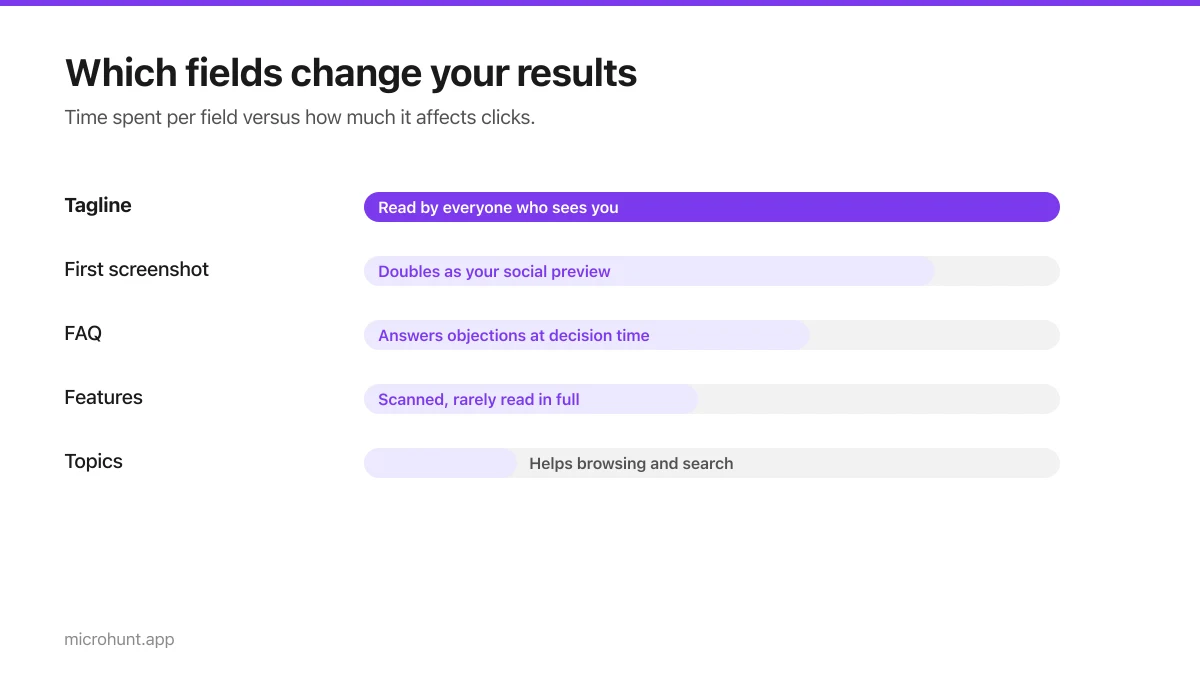
How to Submit a Product on Vuru (Step by Step)
A walk through the submission form, what each field does to your page, and the fields most people leave empty that they shouldn't.
7 min read
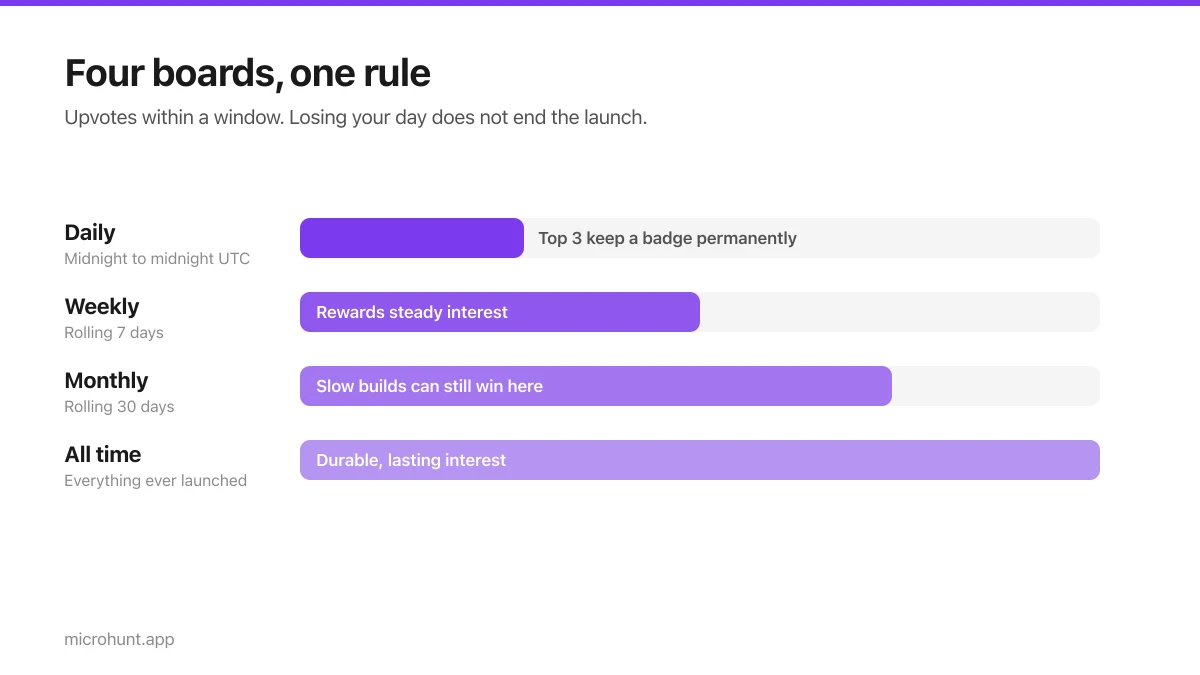
How Vuru Ranking Works (And How to Win a Badge)
Launch windows, upvotes, podium badges and what we do about vote manipulation — the whole ranking system explained plainly.
7 min read
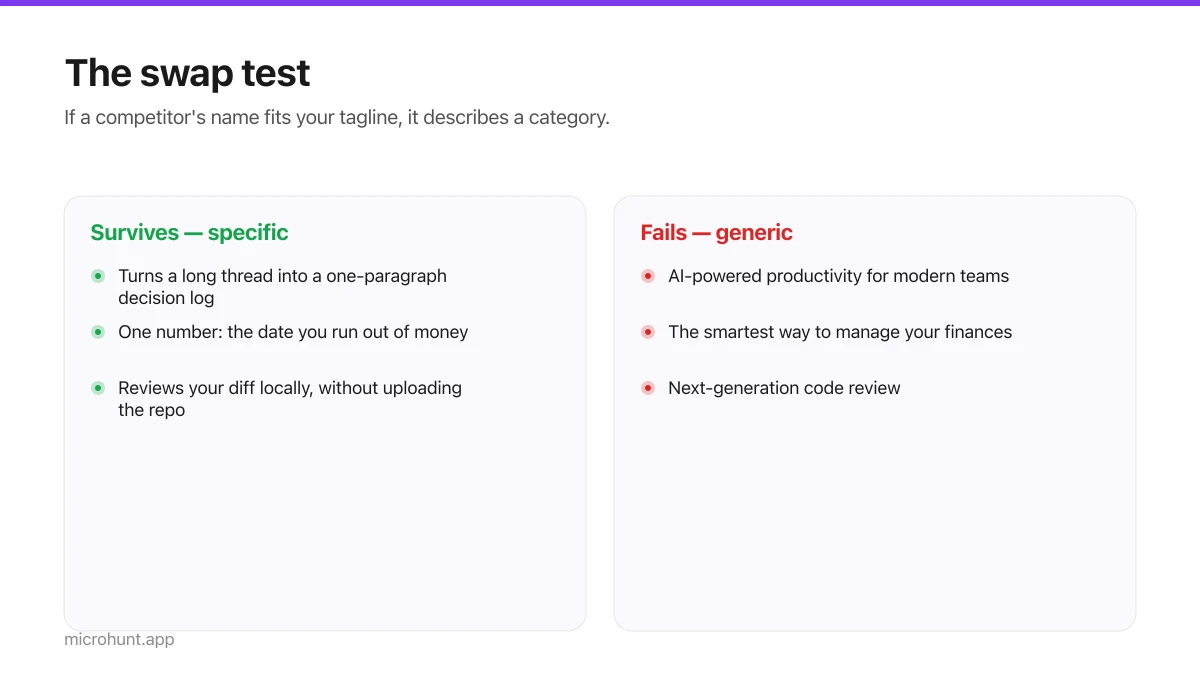
How to Write a Product Tagline That Actually Gets Clicked
The one line most people will ever read about your product, and a simple test for whether yours is doing any work.
7 min read
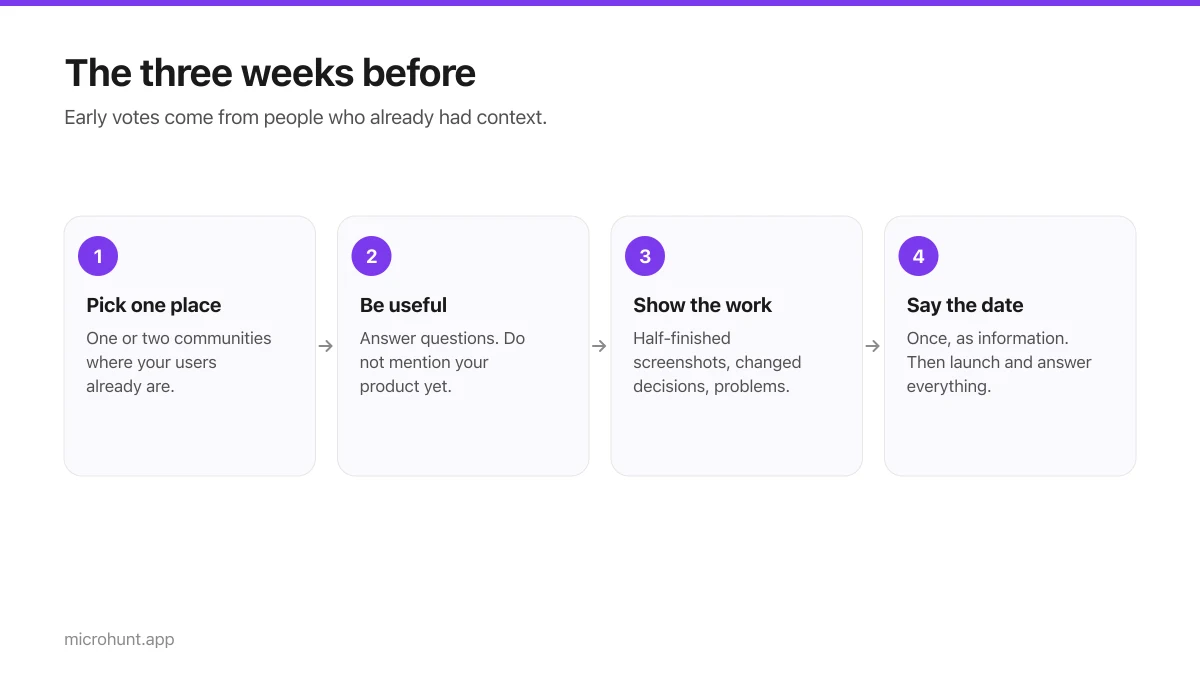
How to Get Your First Upvotes Without Begging
What actually generates early votes, why vote-for-vote groups do not work, and the approach that keeps paying off after launch day.
7 min read
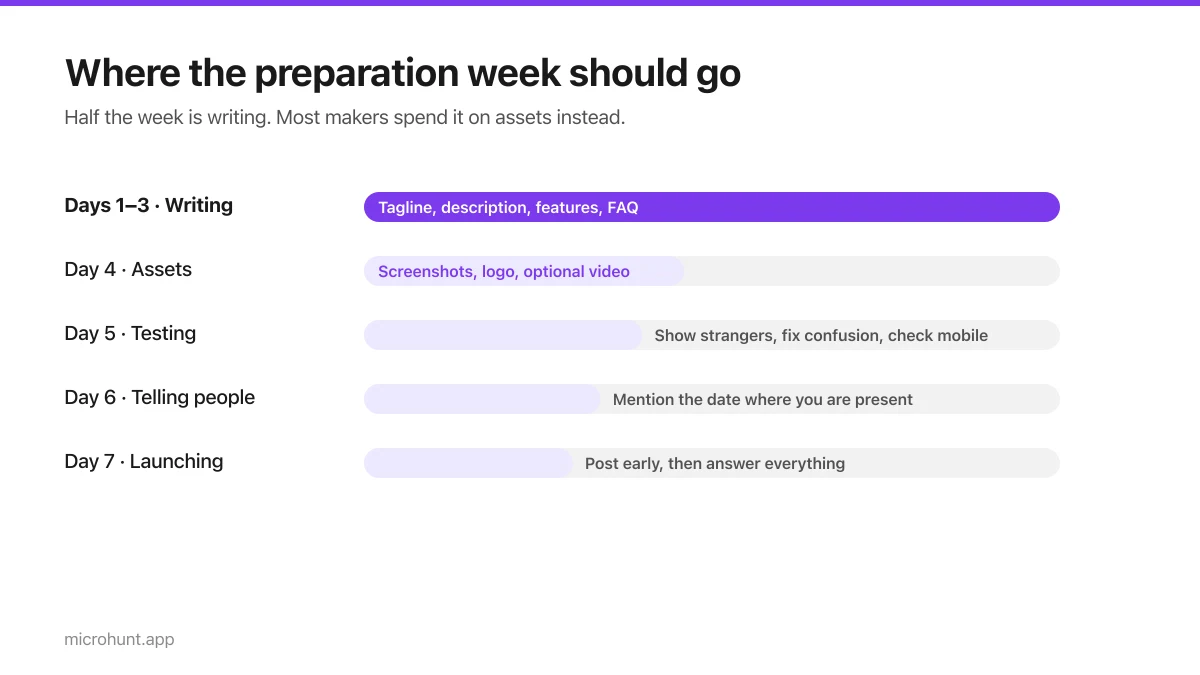
The Seven-Day Launch Checklist
A day-by-day plan for the week before you launch, weighted towards the things that actually change the outcome.
8 min read