Marketing & Sales
Growth, analytics, CRM, outbound and content.
16 products
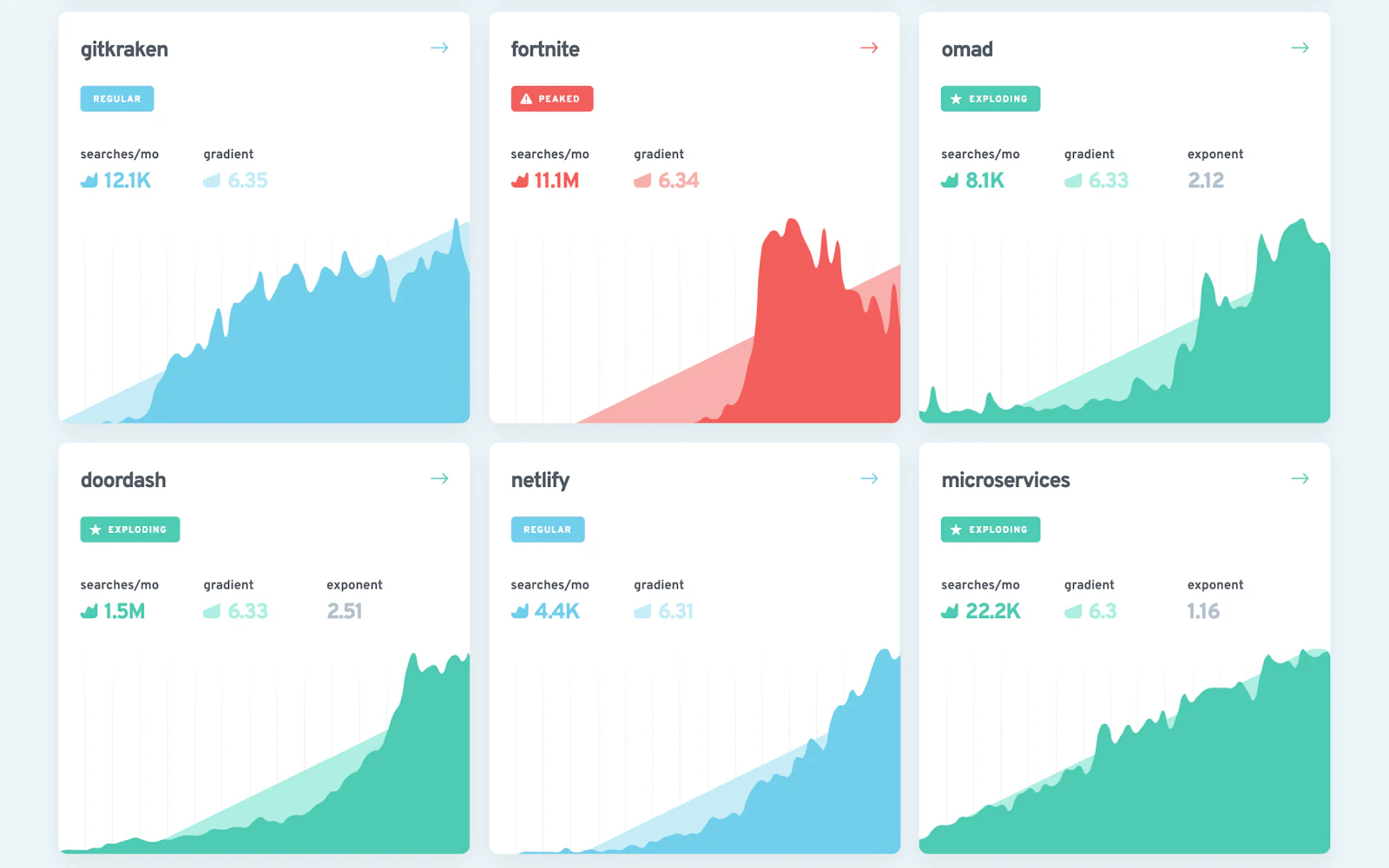

Exploding Topics#1
(1)Find proven topics before they take off.
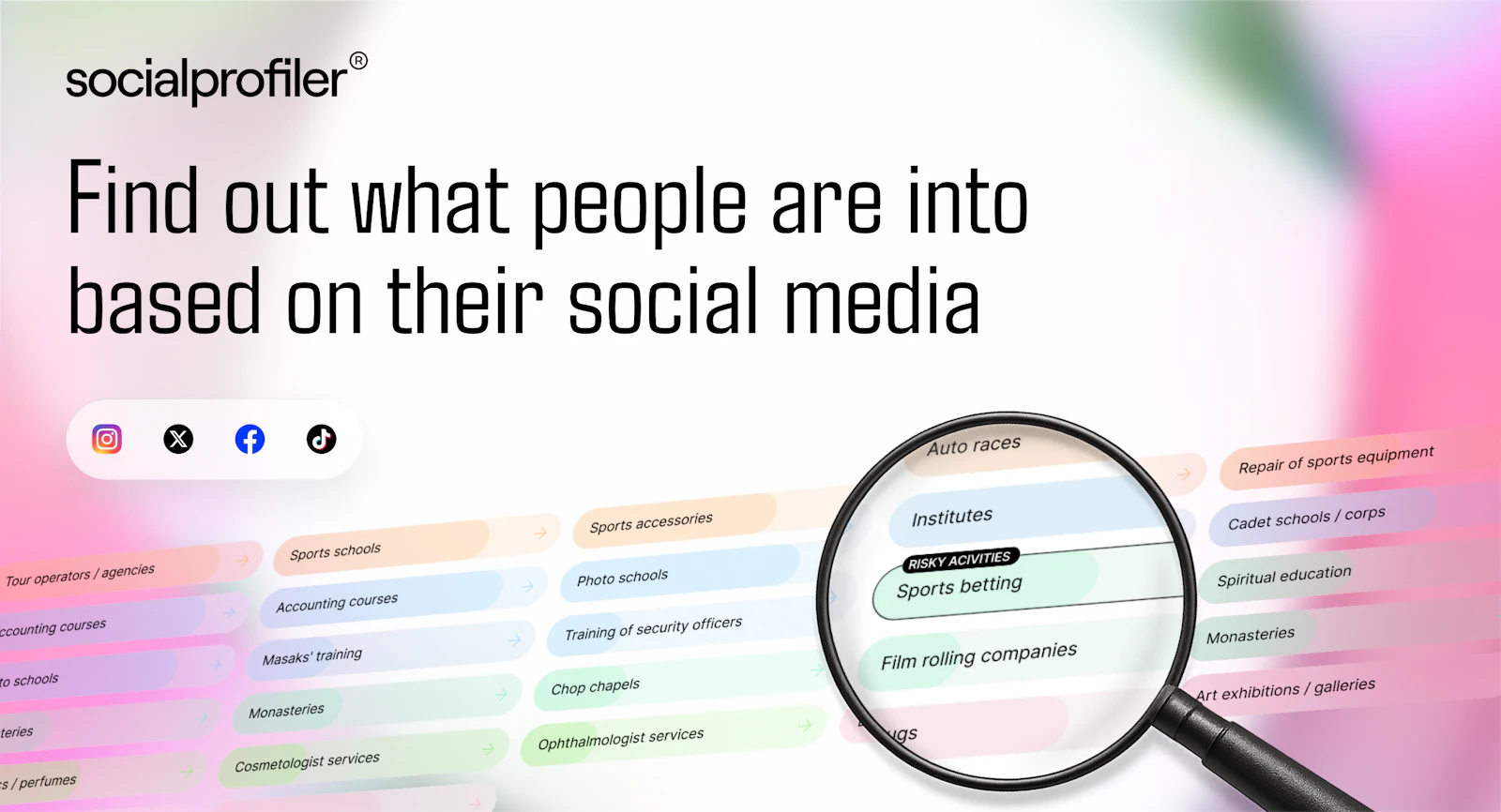

Socialprofiler#2
Find out what people are into based on their social media


Hims#3
Helping men prevent hair loss, erectile dysfunction and more


BiggerCake
The data tool that Kickstarter deserves
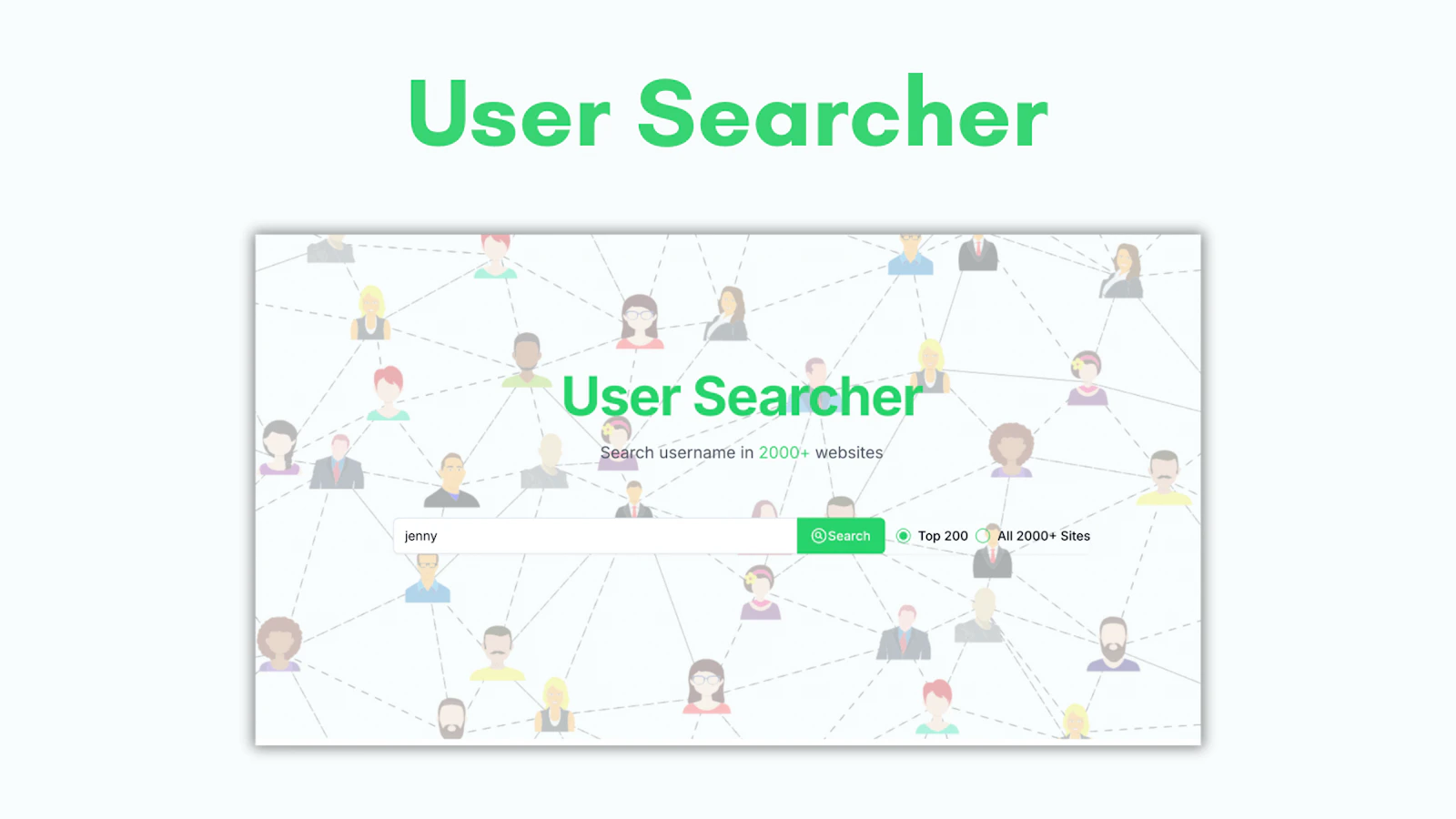

User Searcher
Search usernames in 2000+ websites
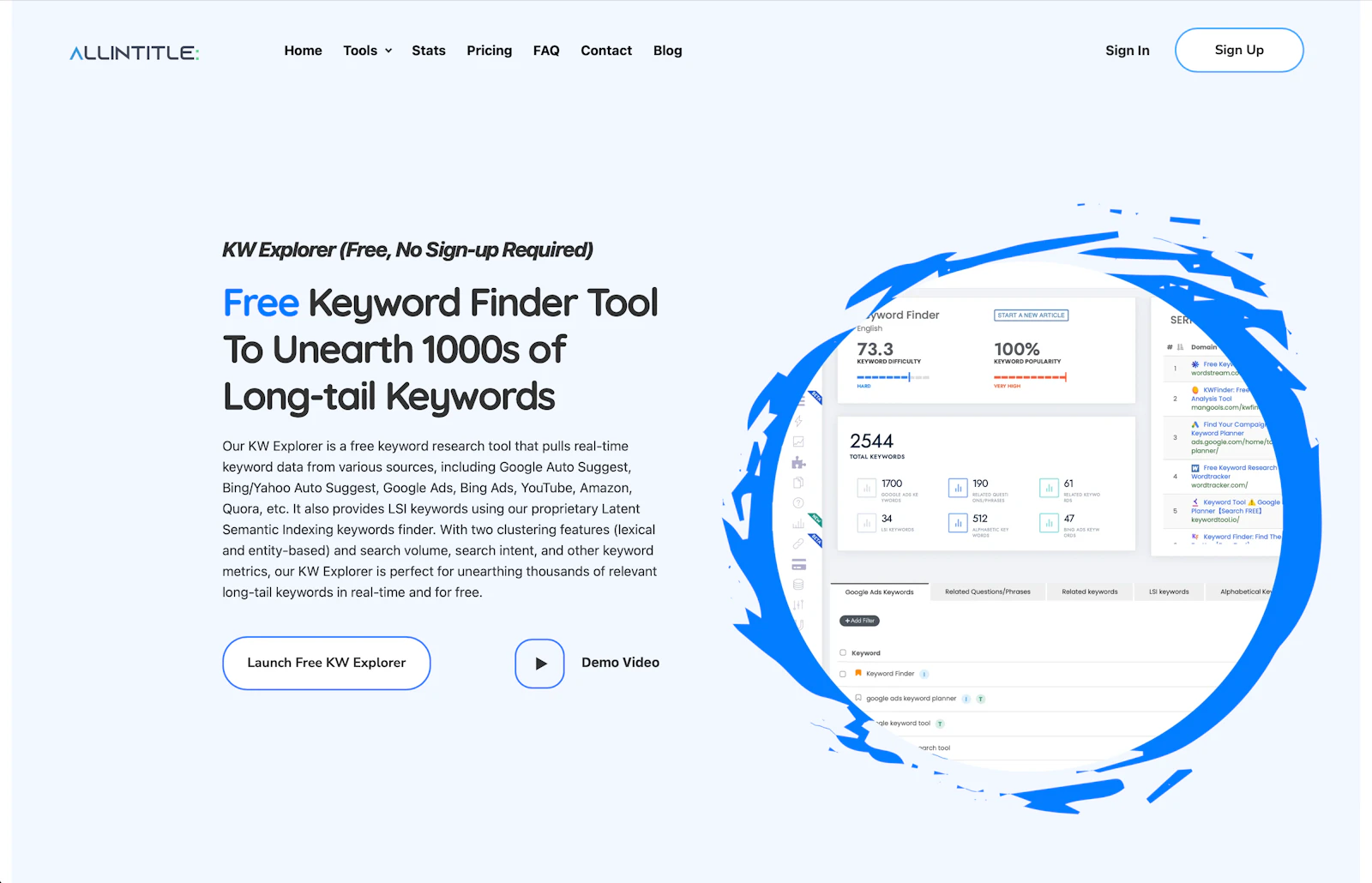

Allintitle
100% free real-time long-tail keyword finder

WishTender
Creators- Get gifts from your fans!


BrandMyLaptop
Sell ad space on your laptop
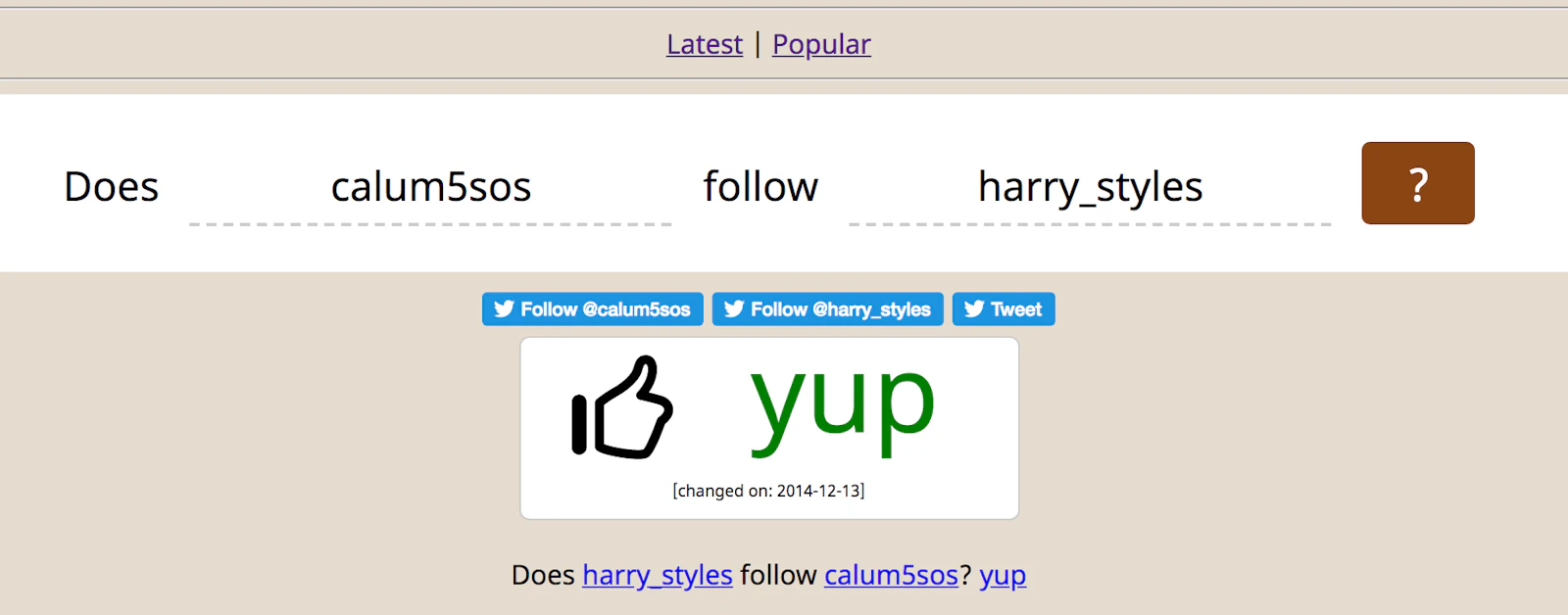

DoesFollow
Keep tabs on who follows whom on Twitter


ZMO
High-quality on-model imagery generated by AI
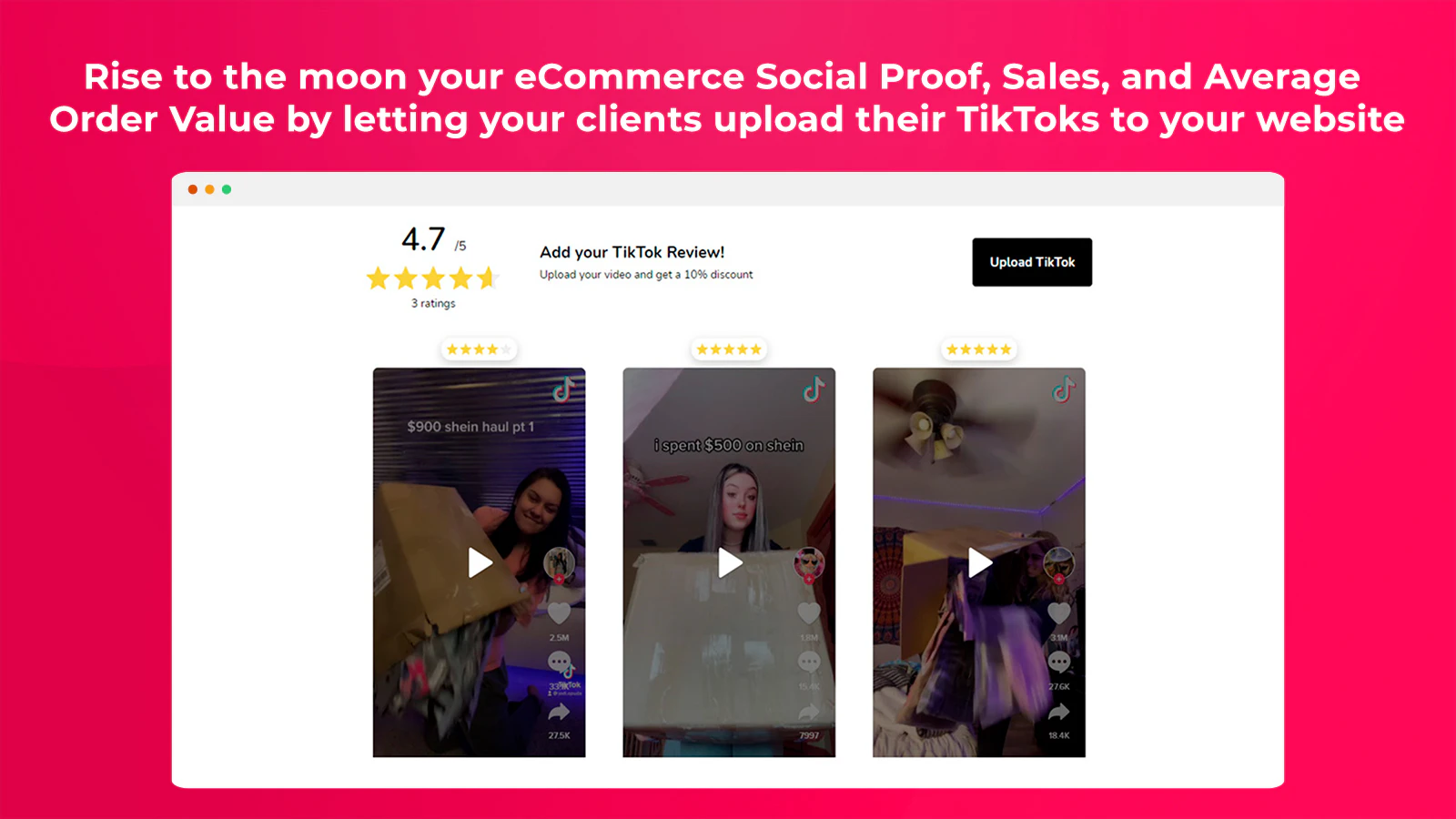

Tok Reviews
Let your clients add their TikToks to your Shopify products
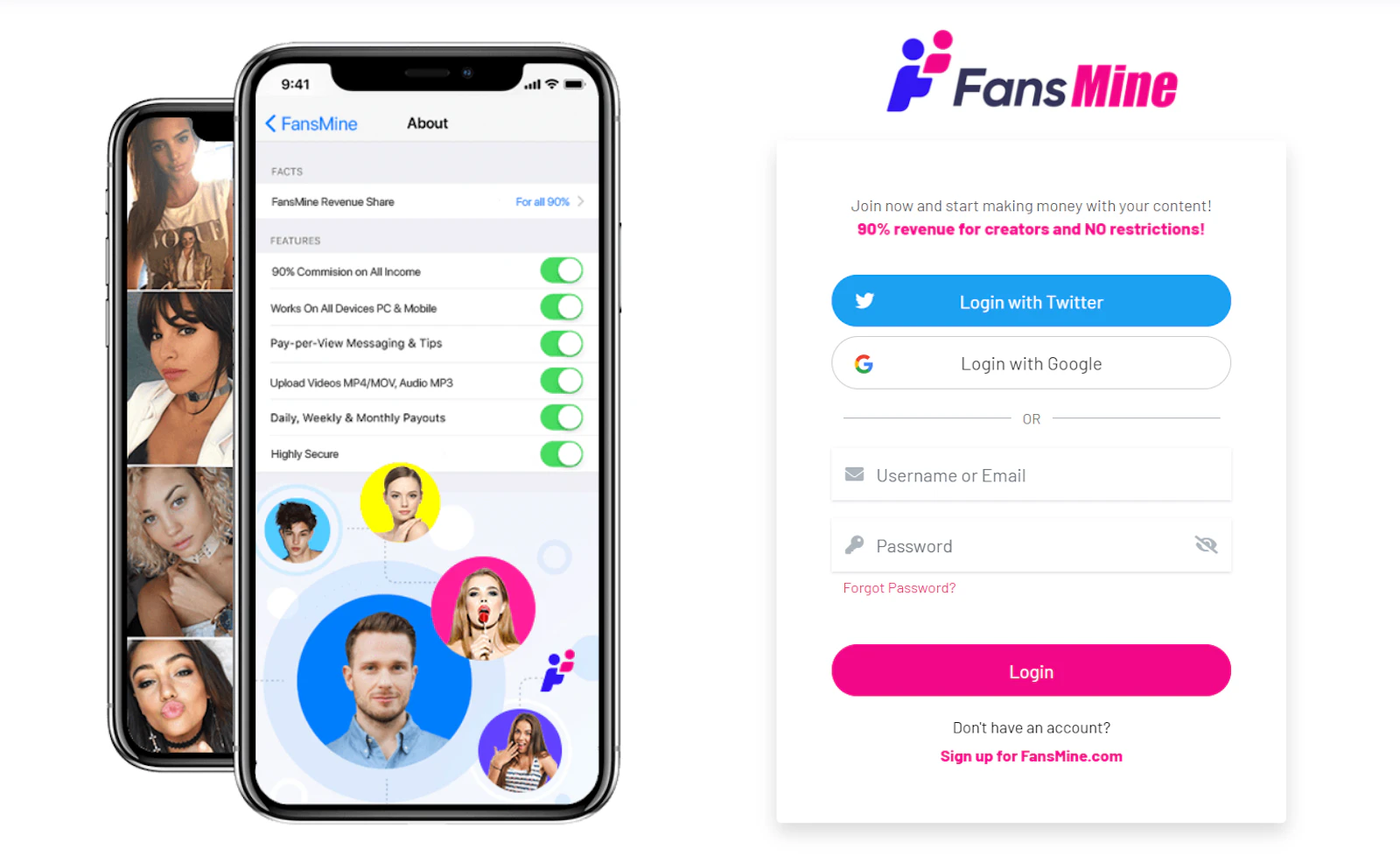

FansMine
Subscription social platform for creators & their fans
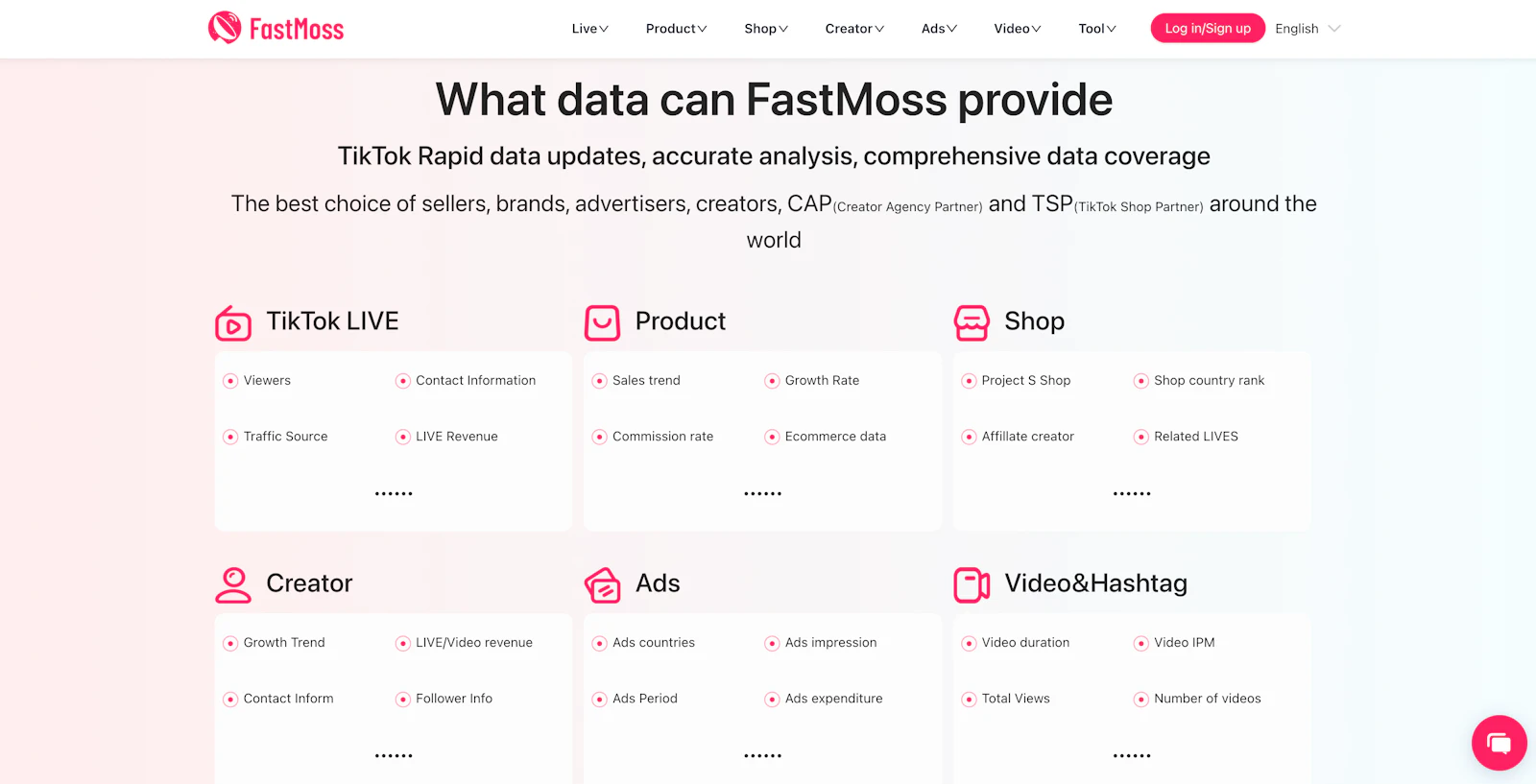

FastMoss
The first and largest data analysis platform for TikTok
- Real-time chat and personalized notifications via Slack

Resend
Real-time chat and personalized notifications via Slack
- Instagram monitoring platform

Insta report
Instagram monitoring platform
- YouTube SEO tools for Safari featuring Apple Intelligence
CreatorHat
YouTube SEO tools for Safari featuring Apple Intelligence
About Marketing & Sales
Marketing tools carry a reputation problem that the good ones spend their whole launch overcoming. The category has historically produced a lot of software that automates activity rather than results — mass outreach, bulk content, dashboards that count things nobody acts on. The tools worth attention do the opposite: they make a small number of things easier to get right.
What is collected here spans the whole funnel. Analytics tools that tell you what happened without demanding a tag manager and a quarter of setup. Attribution that admits uncertainty rather than claiming false precision. CRMs that are light enough to actually be updated. Outbound tools that map genuine relationships instead of scraping a list. Content tooling for research, drafting, editing and distribution. Landing page builders, form tools, review collection, and the quality checks that catch the broken merge tag before forty thousand people see it.
Privacy has reshaped this category more than any other. Third party cookies are effectively gone, tracking prevention is on by default across most browsers, and the regulatory floor keeps rising. That has pushed the better analytics tools towards first party data, server side measurement and honest modelling. It has also made the "we track everything about every visitor" pitch a liability rather than a feature. When comparing tools here, it is worth asking what data leaves your domain, what is stored, and for how long — both because it is the right question and because your legal exposure is real.
The second shift is that content and search have changed shape. A meaningful share of discovery now happens inside assistants that summarise rather than link, which changes what content is for. Pages that exist only to rank tend to be summarised out of existence. Pages that contain something specific — original data, a real opinion, a worked example, a genuinely useful tool — survive because there is something to quote. Marketing tooling that helps you produce the second kind is worth more than tooling that helps you produce the first kind faster.
Outbound deserves a note of its own. The tools in this space fall cleanly into ones that increase volume and ones that increase relevance. Volume is a solved problem and a declining asset: everyone can send more email than anyone can read. Relevance is harder and defensible. The best products here surface a real reason to reach out — a colleague who genuinely knows the person, a change at the company that makes the timing sensible, a question the prospect actually asked in public.
For makers launching in this category, the audience is unusually alert to overclaiming, because they write marketing copy for a living. Numbers help, but only with the method attached. A specific mechanism beats a vague outcome. And if your tool sends anything on a user's behalf, say plainly what it sends, to whom, and under whose name — that single paragraph will do more for trust than any amount of social proof.
From the blog
Reading on launching, ranking and marketing & sales.
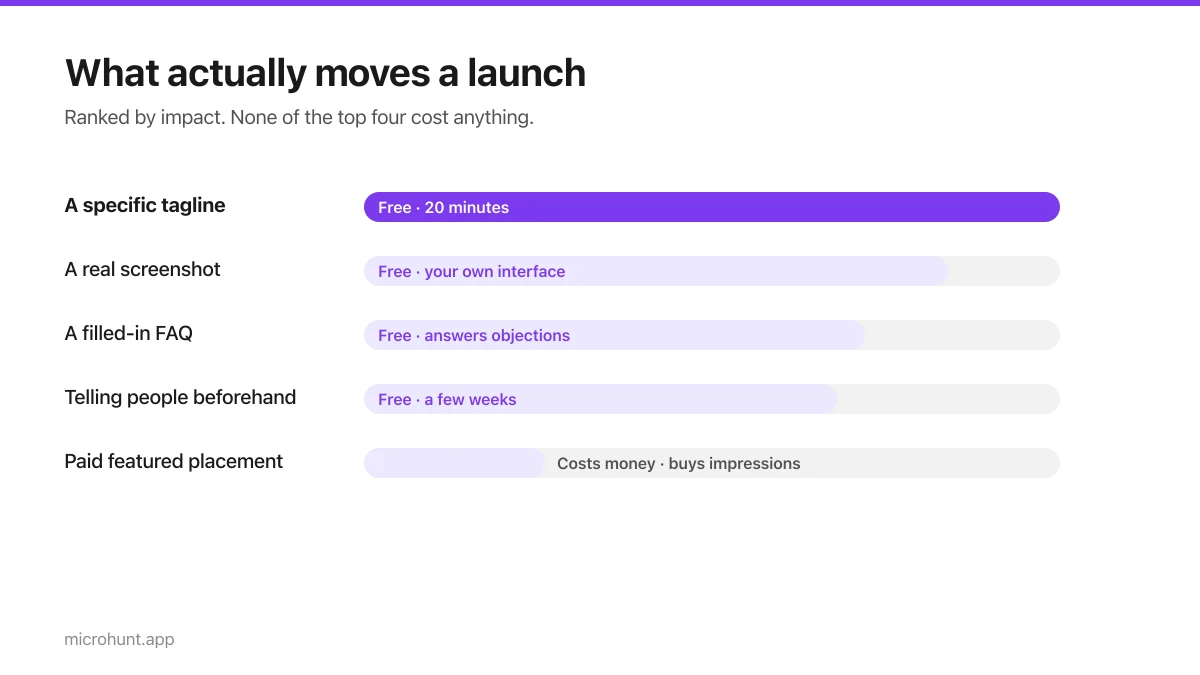
Free Launch Platforms for Indie Makers (No Budget Needed)
You do not need to pay to launch. Here are the places that are genuinely free, what each expects from you, and where paying is actually worth it.
7 min read
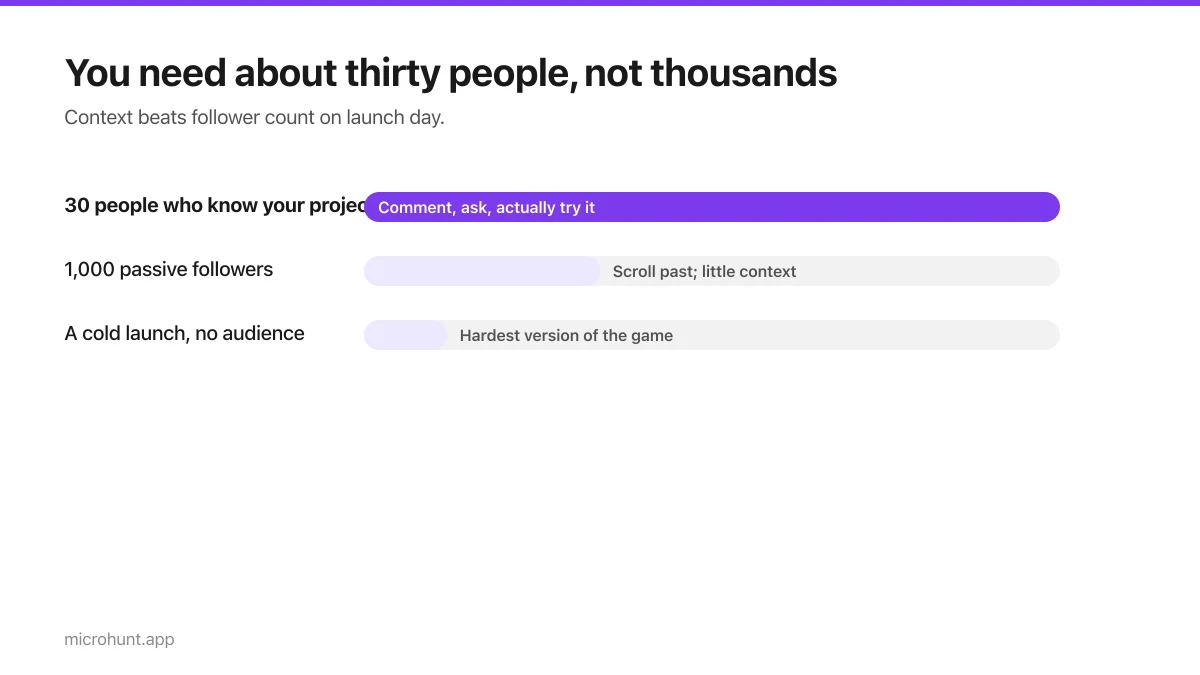
Building an Audience Before You Launch (Without a Big Following)
You do not need thousands of followers. You need thirty people who know what you are building — here is how that actually happens.
7 min read
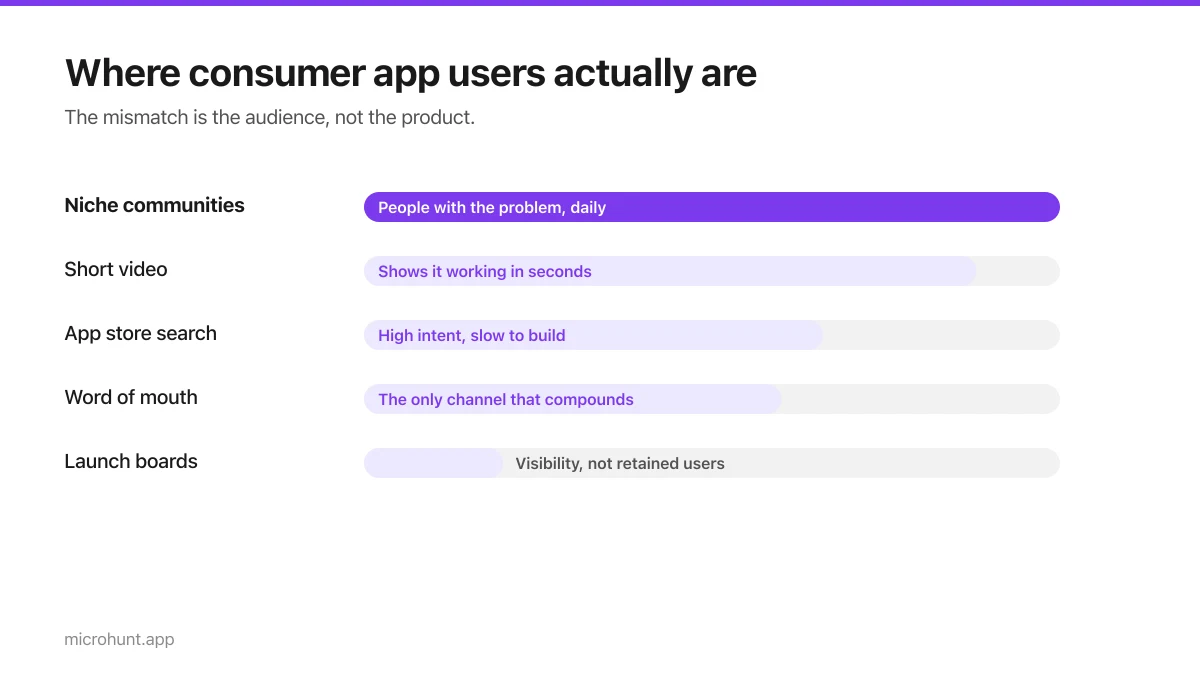
Launching a Consumer App When Launch Boards Are Full of Founders
Launch boards are mostly people who build software, not people who casually use apps. Here is where consumer products actually find users.
7 min read
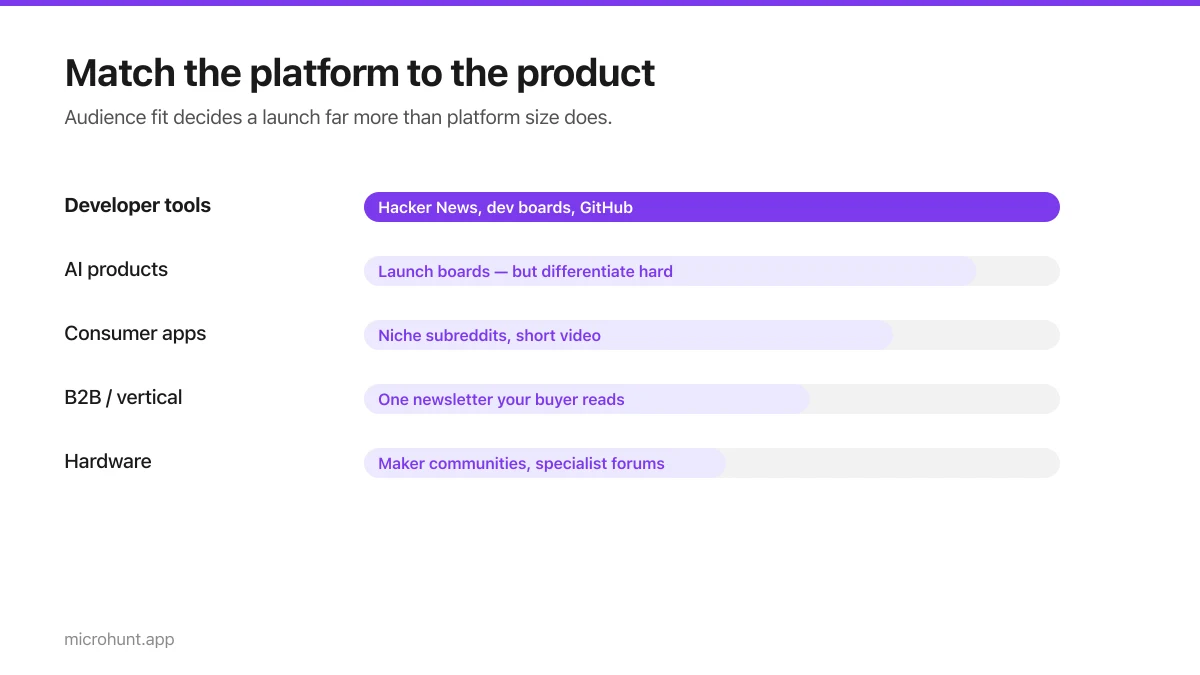
Best Product Hunt Alternatives for Launching in 2026
Where else to launch when Product Hunt is not the right fit — what each platform is actually good at, who shows up, and what it costs.
8 min read
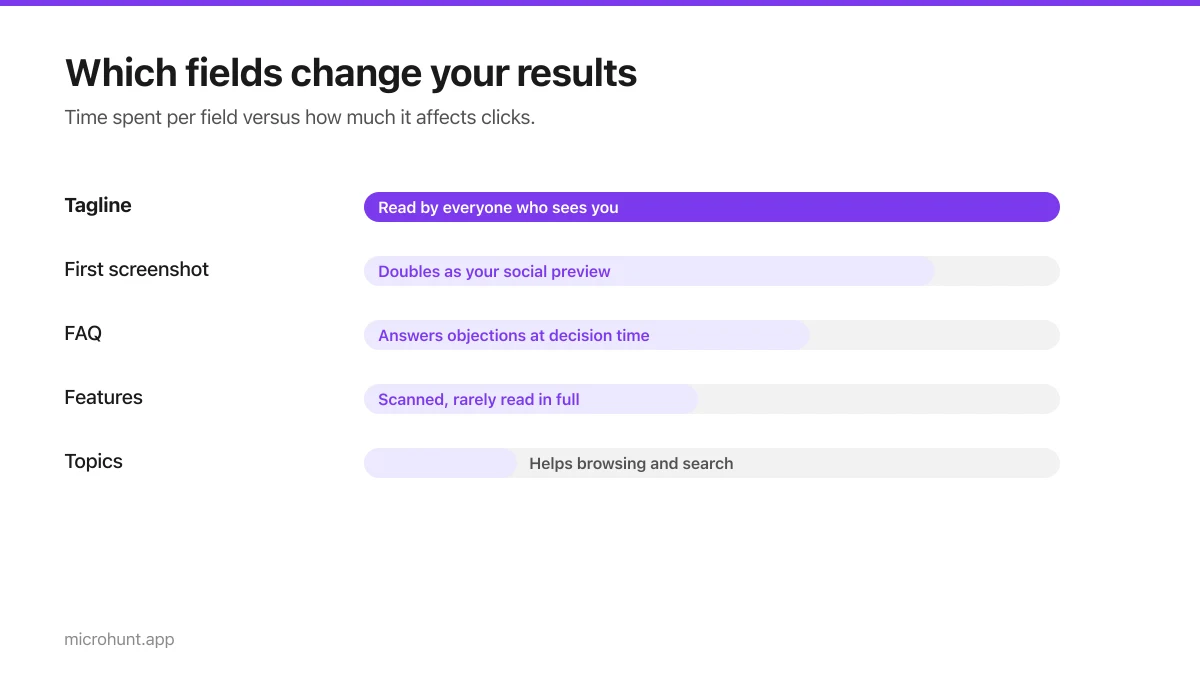
How to Submit a Product on Vuru (Step by Step)
A walk through the submission form, what each field does to your page, and the fields most people leave empty that they shouldn't.
7 min read
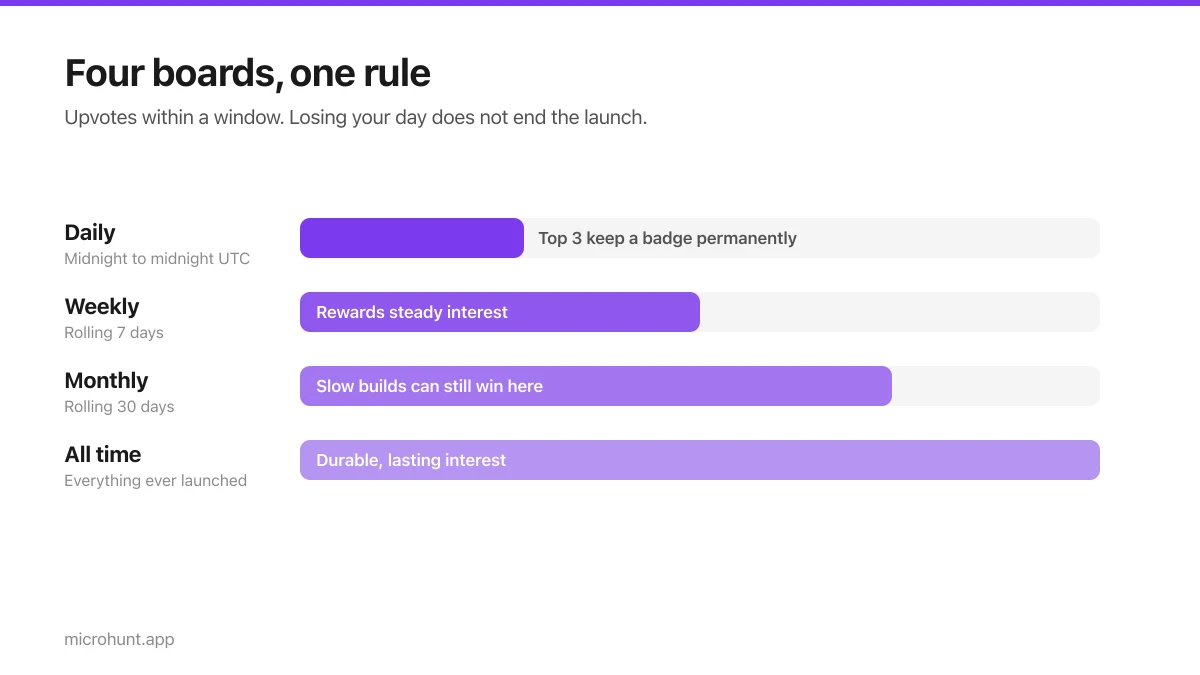
How Vuru Ranking Works (And How to Win a Badge)
Launch windows, upvotes, podium badges and what we do about vote manipulation — the whole ranking system explained plainly.
7 min read
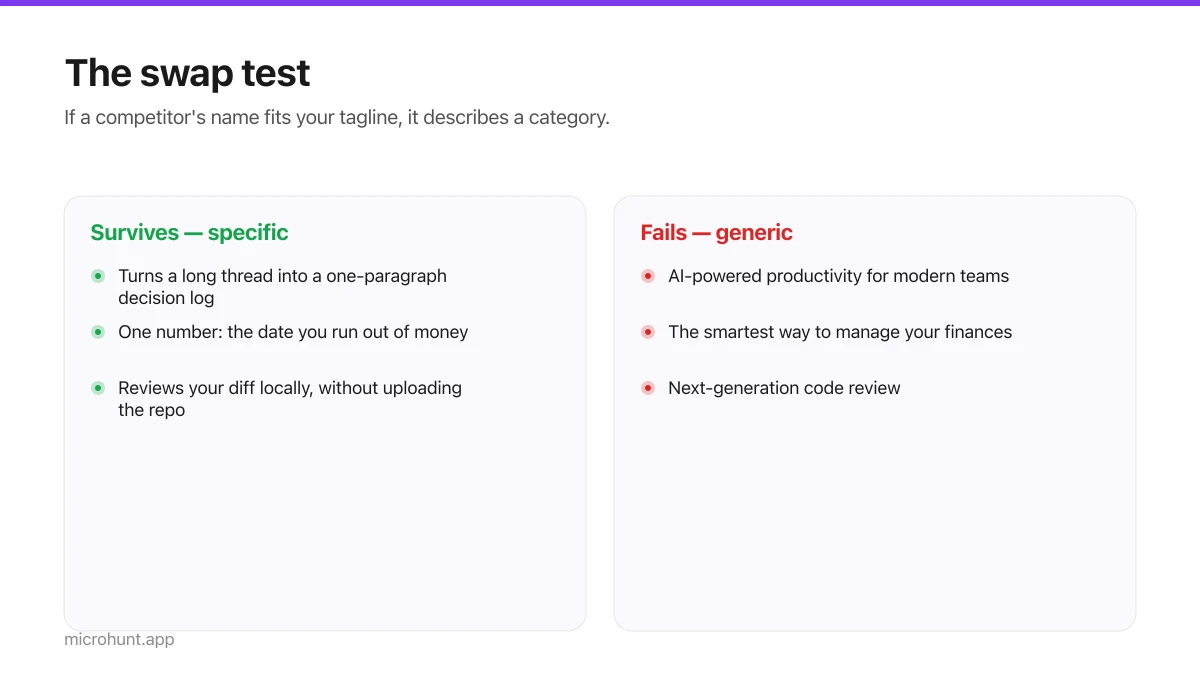
How to Write a Product Tagline That Actually Gets Clicked
The one line most people will ever read about your product, and a simple test for whether yours is doing any work.
7 min read
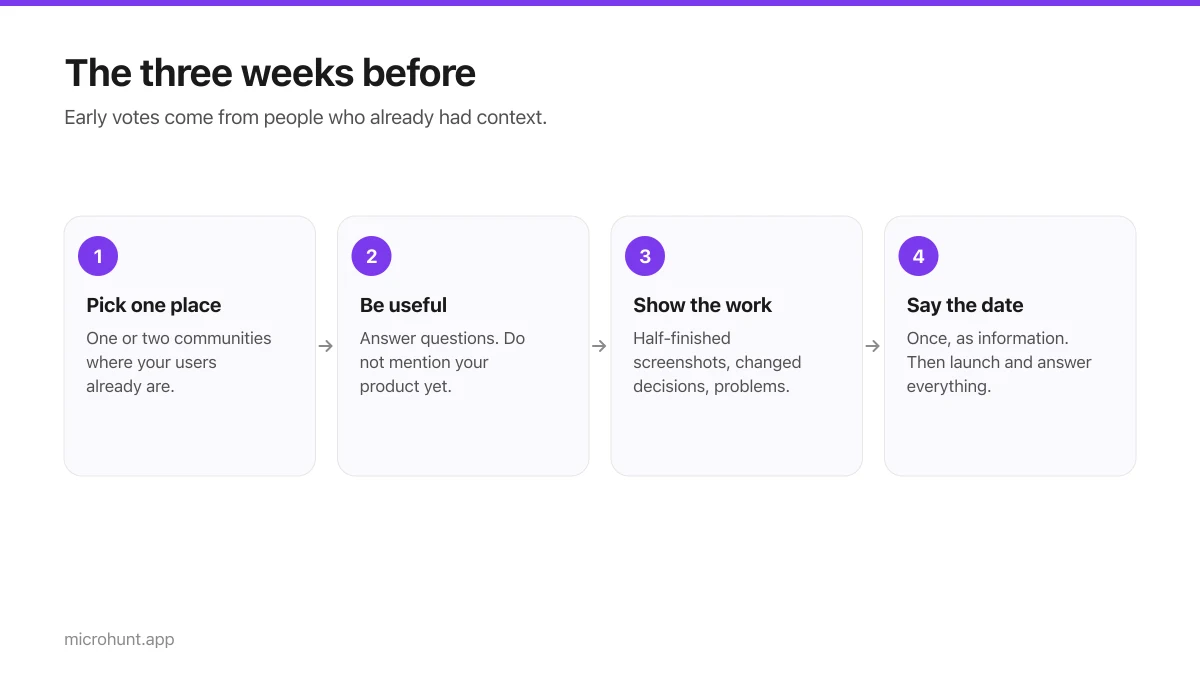
How to Get Your First Upvotes Without Begging
What actually generates early votes, why vote-for-vote groups do not work, and the approach that keeps paying off after launch day.
7 min read