Finance
Invoicing, budgeting, runway, payments and payroll.
4 products
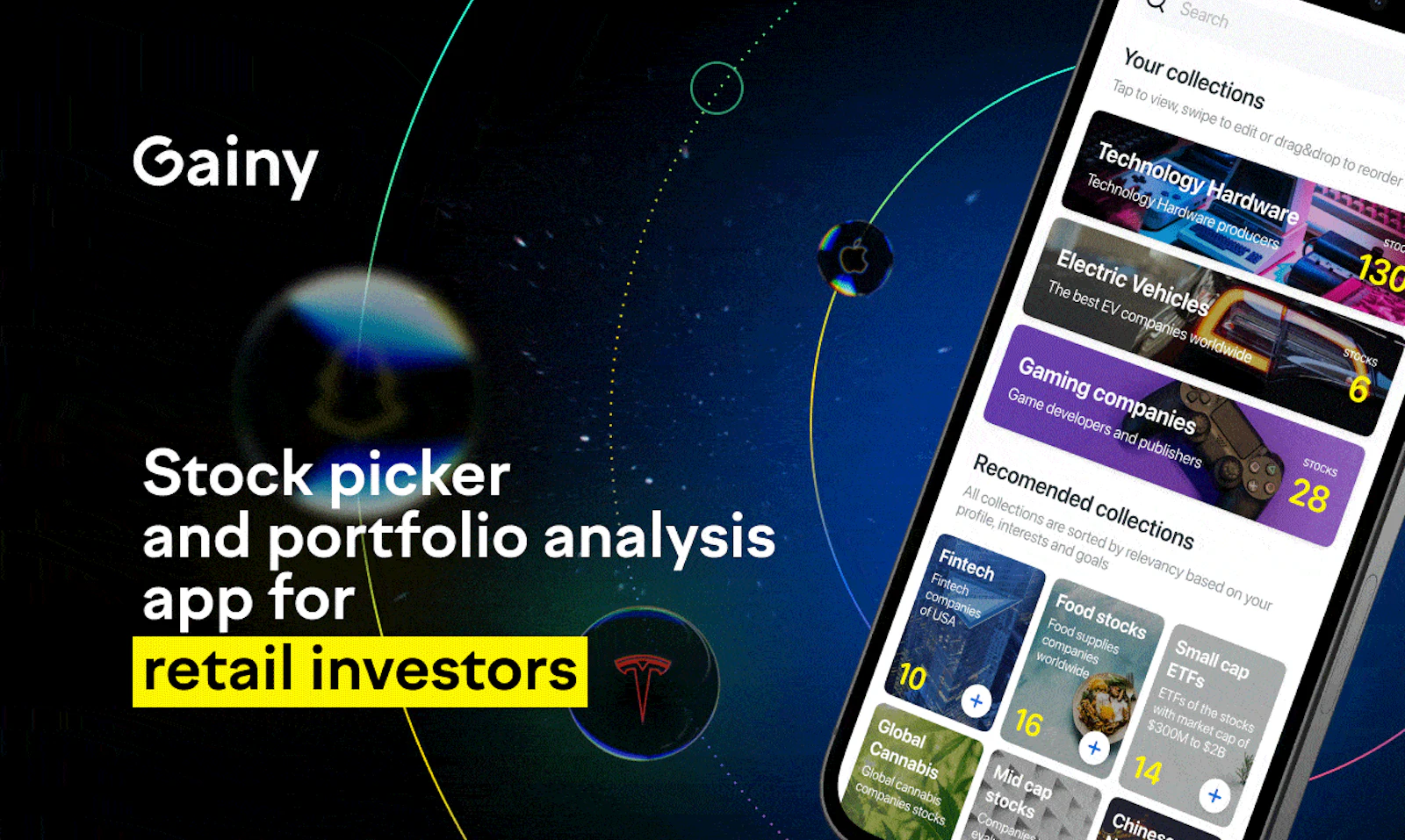

Gainy#1
Stock picker and portfolio analysis app for retail investors
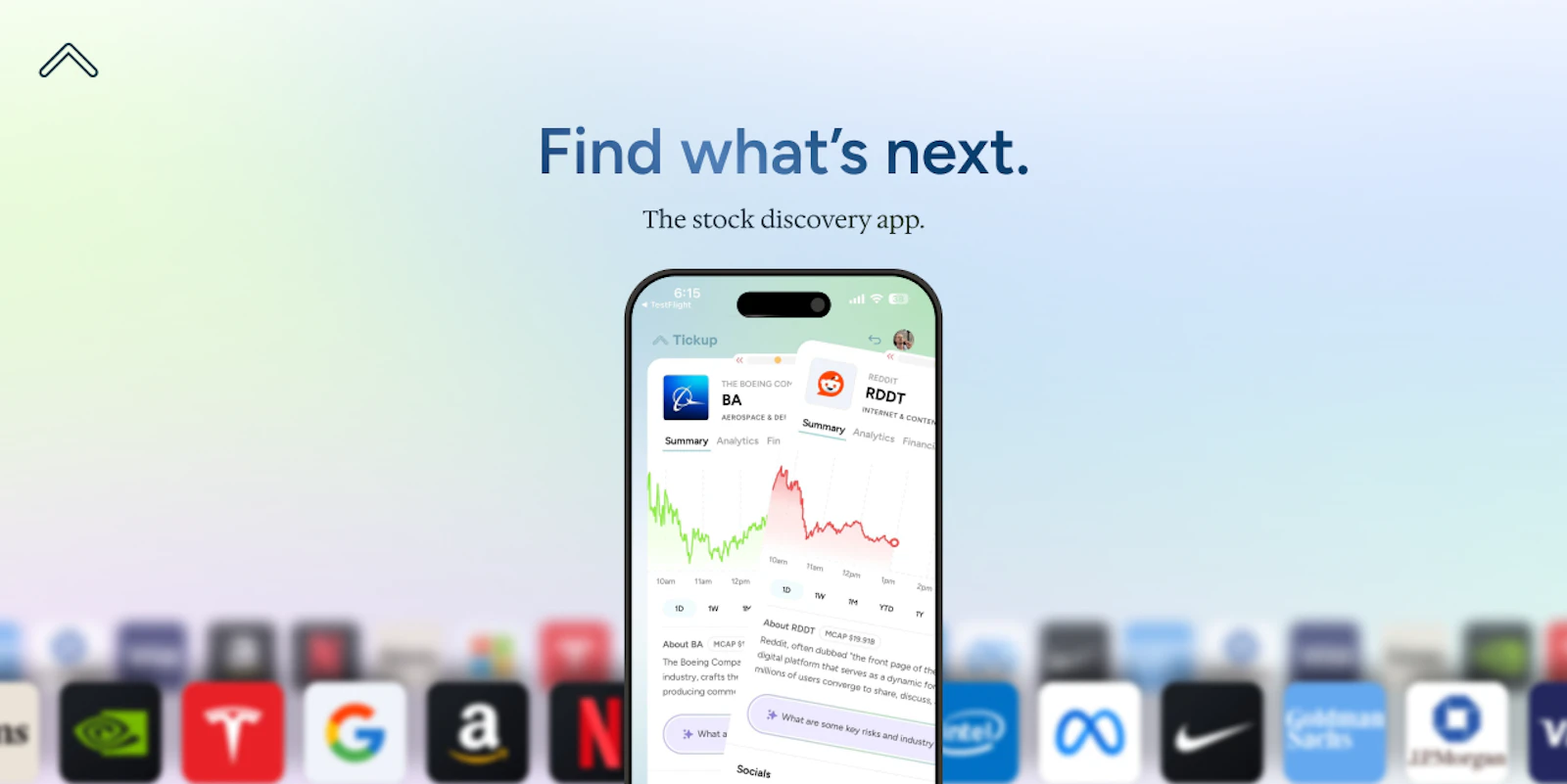

Tickup#2
Tinder for stocks


Bitbo#3
Real-time Bitcoin dashboard
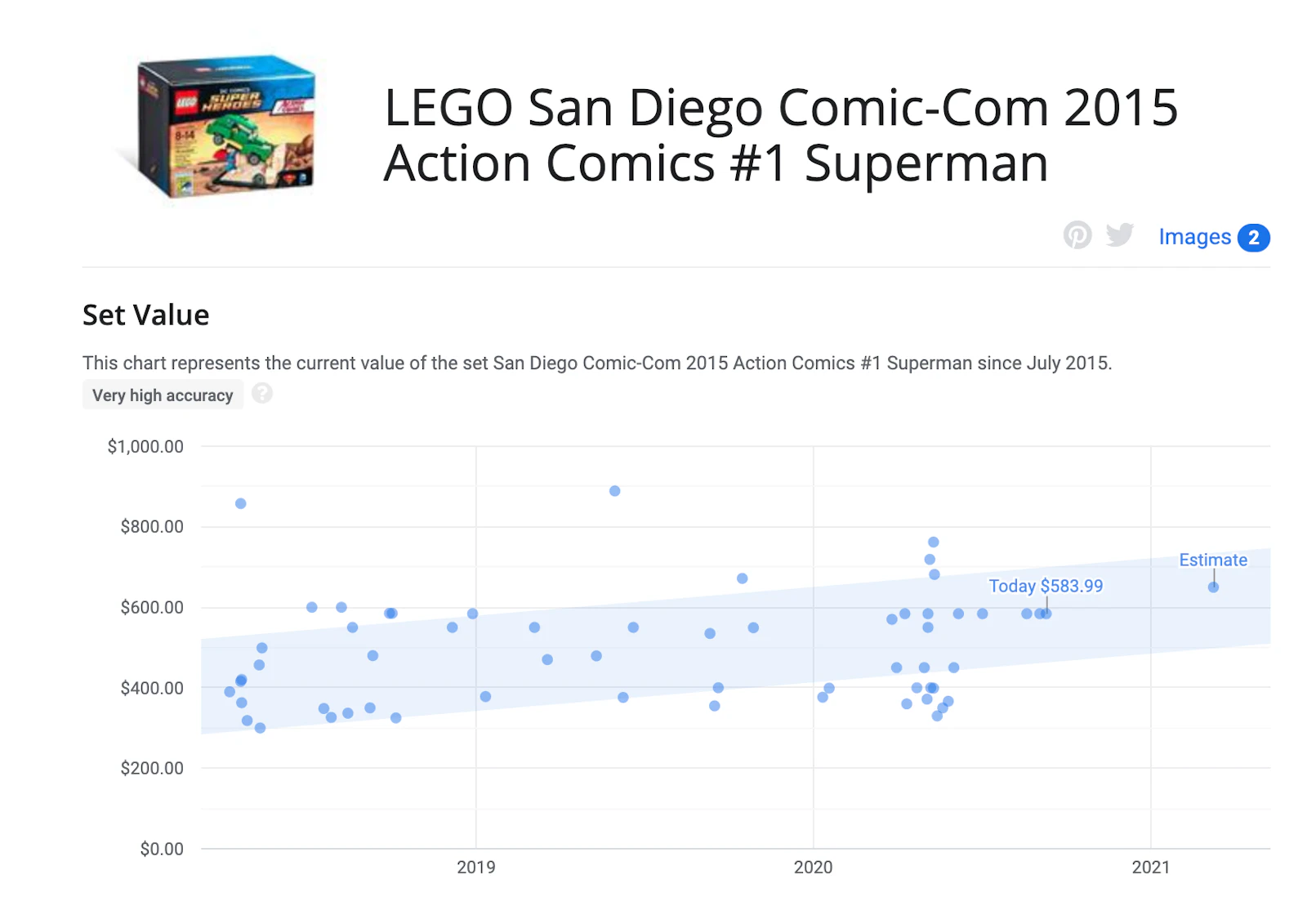

Brick Economy
Track and manage the value of your lego collection
About Finance
Finance tools carry a different weight than most software, because the cost of a bug is measured in money and the cost of a bad decision compounds. That raises the bar for everything in this category: correctness, clarity, auditability, and a plain explanation of what happens when something goes wrong.
The launches here cluster around a few real problems. Getting paid: invoicing, payment links, subscription billing, and the polite persistence of chasing an overdue account. Knowing where you stand: runway calculators, cash flow forecasting, expense categorisation, and the single number that tells a founder how many months are left. Spending deliberately: budgeting, subscription auditing, spend controls, and the quiet horror of discovering what recurring charges have accumulated. Operating a business: payroll, contractor payments, multi currency settlement and tax preparation.
The through line in tools that work is that they reduce ambiguity rather than adding analysis. A dashboard with fourteen charts is usually worse than one honest figure with a date attached. The best runway tools answer a single question — when do we run out at current burn — and make the assumptions behind it visible and adjustable. The best expense tools categorise correctly by default and make the corrections stick. In both cases the value is in removing a recurring judgement call, not in providing more surface to think about.
Bank connectivity is worth understanding before you commit. Most tools reach your accounts through an aggregator, which means a third party holds a credential or token that can read your transactions. Read only access is standard and appropriate. Anything requesting the ability to move money deserves a much harder look, and a clear answer about what specifically it can initiate. Coverage varies enormously by country, and a tool that is excellent in one market can be unusable in another, so it is worth confirming your bank is supported before evaluating anything else.
Multi currency is the other common trap. Software that handles a single currency well often falls apart on the second one, in ways that surface as small persistent discrepancies rather than obvious errors. If you invoice, get paid, or spend across currencies, test that specific path early, and check how the tool handles the rate at the time of the transaction versus the rate at settlement.
For freelancers and small teams, the pragmatic advice is to prefer tools that export cleanly. Accountants work in specific formats, tax authorities want specific reports, and the annual cost of a tool that cannot produce them is measured in billable hours you pay someone else. A complete export is the single most valuable feature in this category and the one least likely to appear on a landing page.
For makers launching here, trust is the entire product. Say where money and data go. Say what regulatory status you hold, or plainly that you hold none and are a layer on top of someone who does. Publish your security posture. This audience will forgive a missing feature and will not forgive vagueness about custody.
From the blog
Reading on launching, ranking and finance.
Best Product Hunt Alternatives for Launching in 2026
Where else to launch when Product Hunt is not the right fit — what each platform is actually good at, who shows up, and what it costs.
8 min read
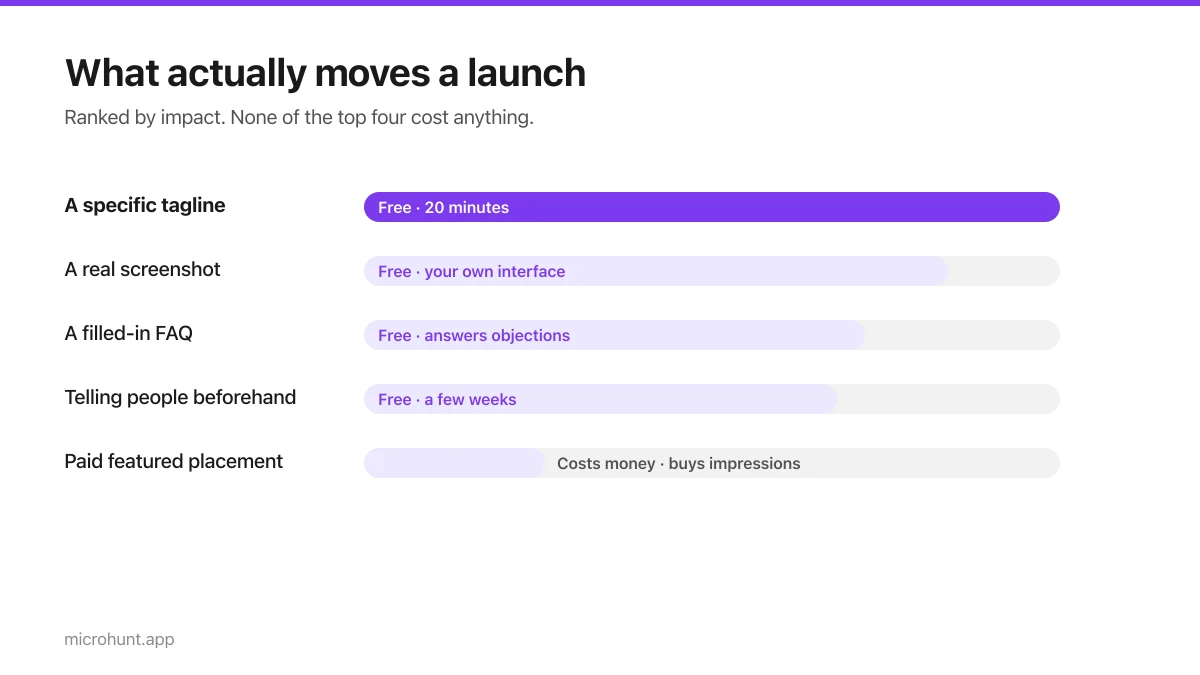
Free Launch Platforms for Indie Makers (No Budget Needed)
You do not need to pay to launch. Here are the places that are genuinely free, what each expects from you, and where paying is actually worth it.
7 min read
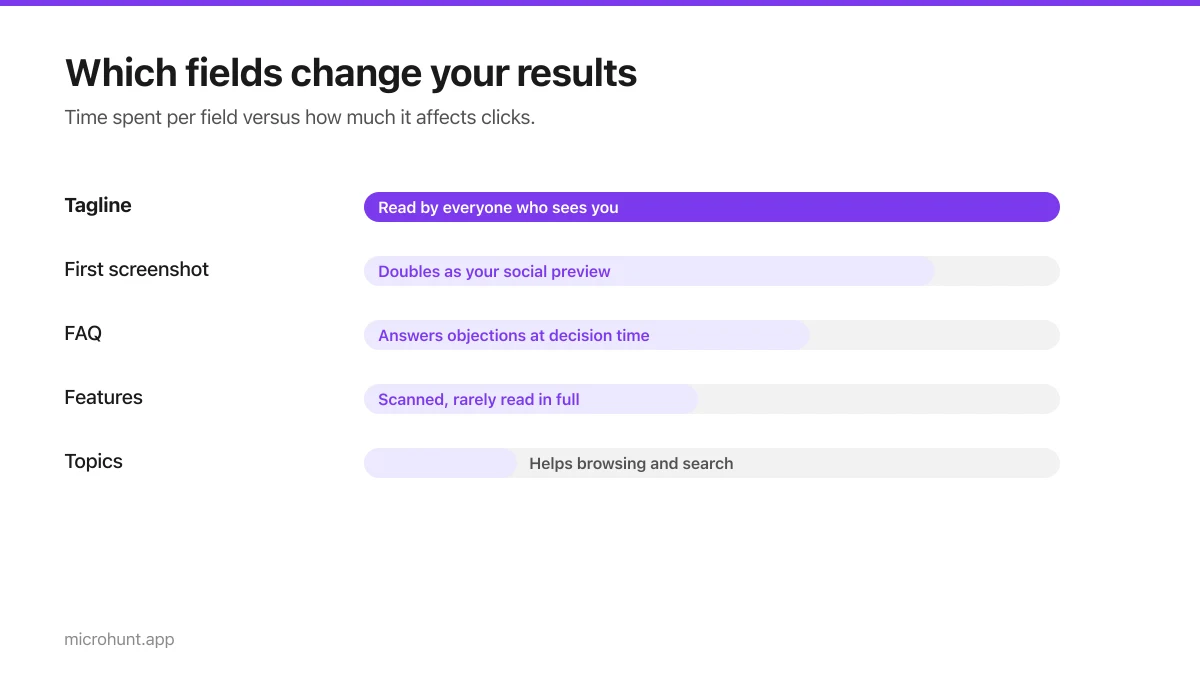
How to Submit a Product on Vuru (Step by Step)
A walk through the submission form, what each field does to your page, and the fields most people leave empty that they shouldn't.
7 min read
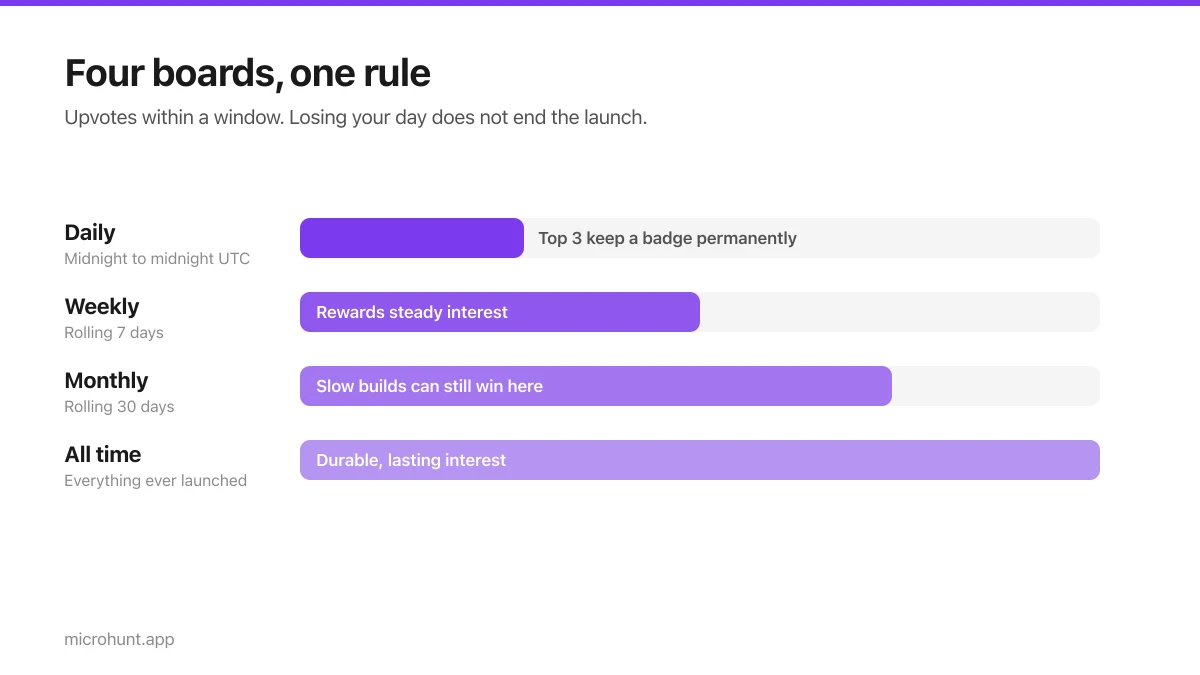
How Vuru Ranking Works (And How to Win a Badge)
Launch windows, upvotes, podium badges and what we do about vote manipulation — the whole ranking system explained plainly.
7 min read
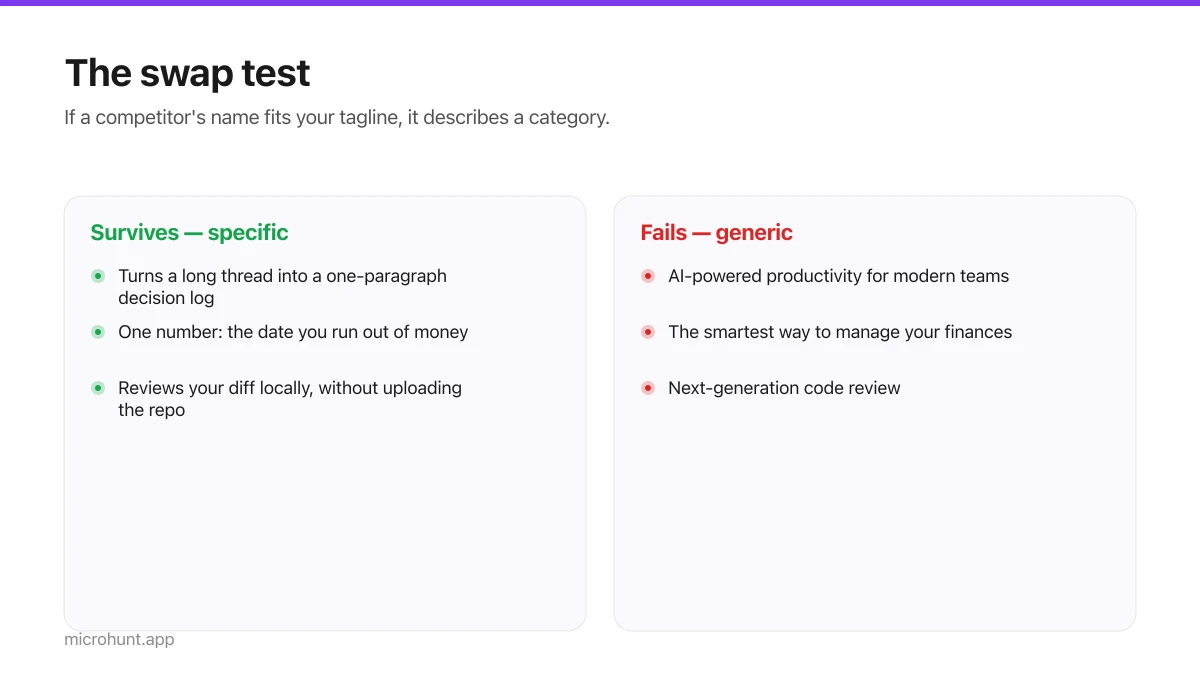
How to Write a Product Tagline That Actually Gets Clicked
The one line most people will ever read about your product, and a simple test for whether yours is doing any work.
7 min read
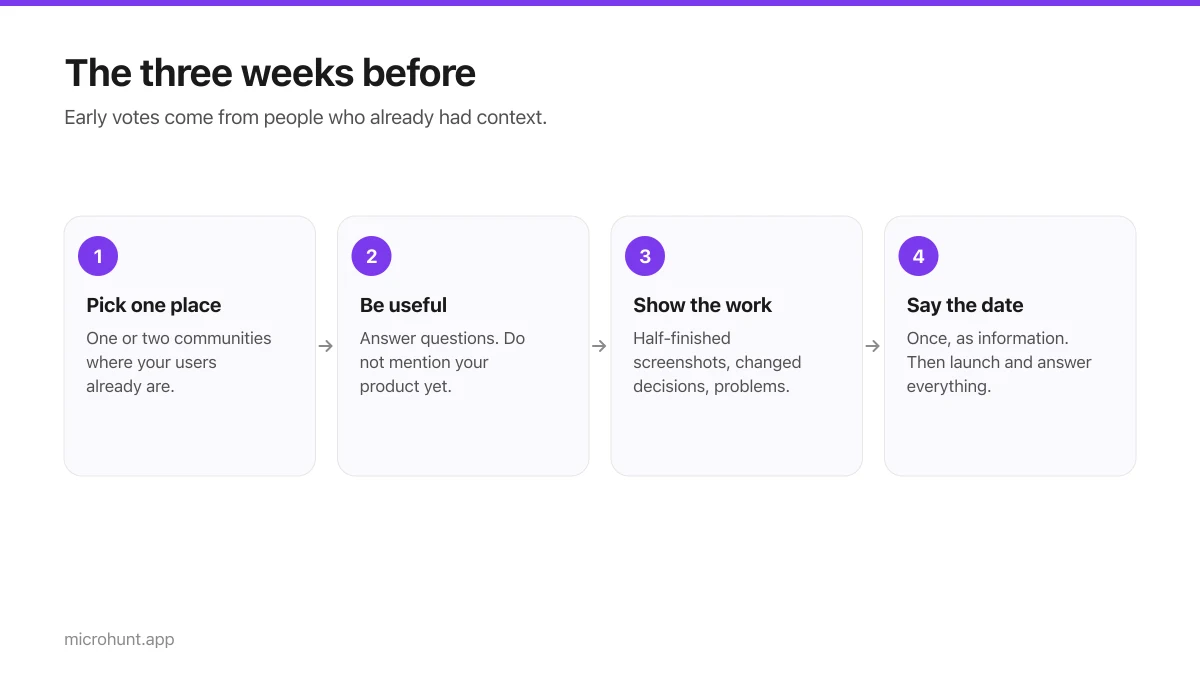
How to Get Your First Upvotes Without Begging
What actually generates early votes, why vote-for-vote groups do not work, and the approach that keeps paying off after launch day.
7 min read
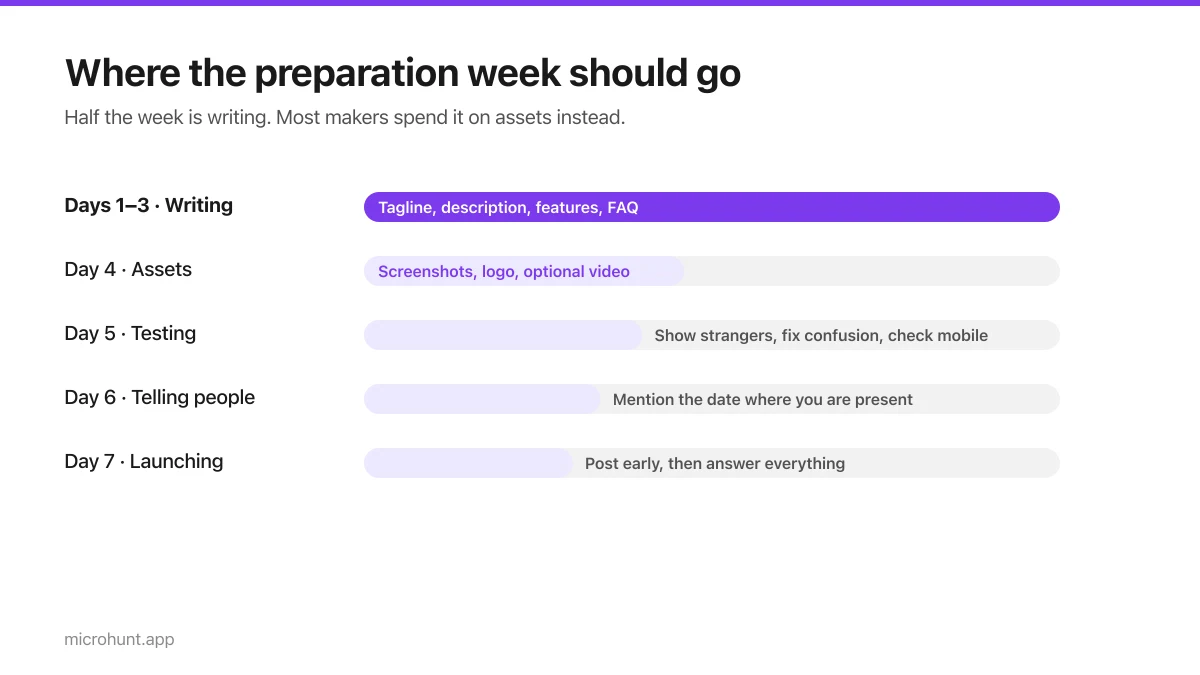
The Seven-Day Launch Checklist
A day-by-day plan for the week before you launch, weighted towards the things that actually change the outcome.
8 min read
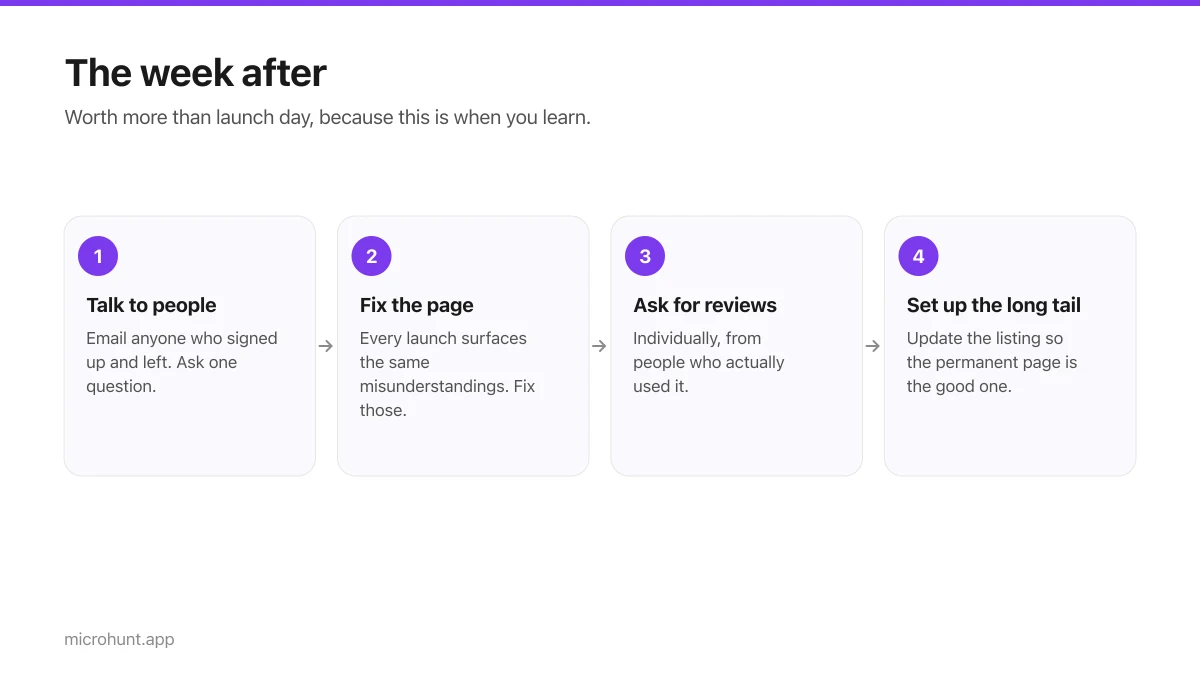
What to Do the Week After Launch Day
The traffic spike is over. Here is how to turn a day of attention into something that lasts longer than the graph.
7 min read