AI Agents
Tools that take multi-step actions rather than answering questions.
Nothing launched in this category yet.
Be the firstAbout AI Agents
An agent is a tool that takes actions rather than returning text, and that one difference changes everything about how you should evaluate it. A chatbot that gives a wrong answer wastes a minute. An agent that takes a wrong action books the wrong flight, emails the wrong list, or deletes the wrong rows. The tools worth using are the ones that have thought carefully about that asymmetry.
The first question to ask of anything in this subcategory is where it stops. Good agents have explicit checkpoints: they will research, plan and draft freely, then pause before anything irreversible — spending money, sending a message to a real person, writing to a production system. Agents that run the whole chain unattended demo beautifully and are difficult to trust with anything that matters. The launches here that have stayed useful past their launch week are almost uniformly the ones that ask.
The second question is what the agent can actually reach. An agent with no integrations is a chat window with extra steps. An agent wired into your calendar, your inbox, your repository or your browser can do real work, and the same wiring is what makes the permissions question serious. Read what scopes it requests. A tool that asks for full mailbox access to schedule meetings is asking for more than it needs.
Reliability in this space is unusually hard to judge from a landing page, because the failure mode is not a crash — it is a plausible action that was wrong. The most informative thing a maker can publish is a description of what happens when a step fails midway: does it roll back, does it stop and report, or does it barrel on with a broken assumption? Tools that publish this are telling you they have hit the problem and dealt with it.
Cost behaves differently here too. Agents make many model calls per task, so a job that costs a fraction of a cent to answer as a chat message can cost meaningfully more as an agent run. If pricing is per-task or per-run, ask what a run means; if it is token pass-through, expect the bill to scale with how ambitious your instructions are.
Local and self-hosted options exist and are growing, particularly for agents that touch code or private documents. They are slower and require setup, and they never send your repository anywhere. For a broader look at how these launches are evaluated, see [where to launch an AI product](/blog/launch-platforms-for-ai-products).
From the blog
Reading on launching, ranking and ai agents.
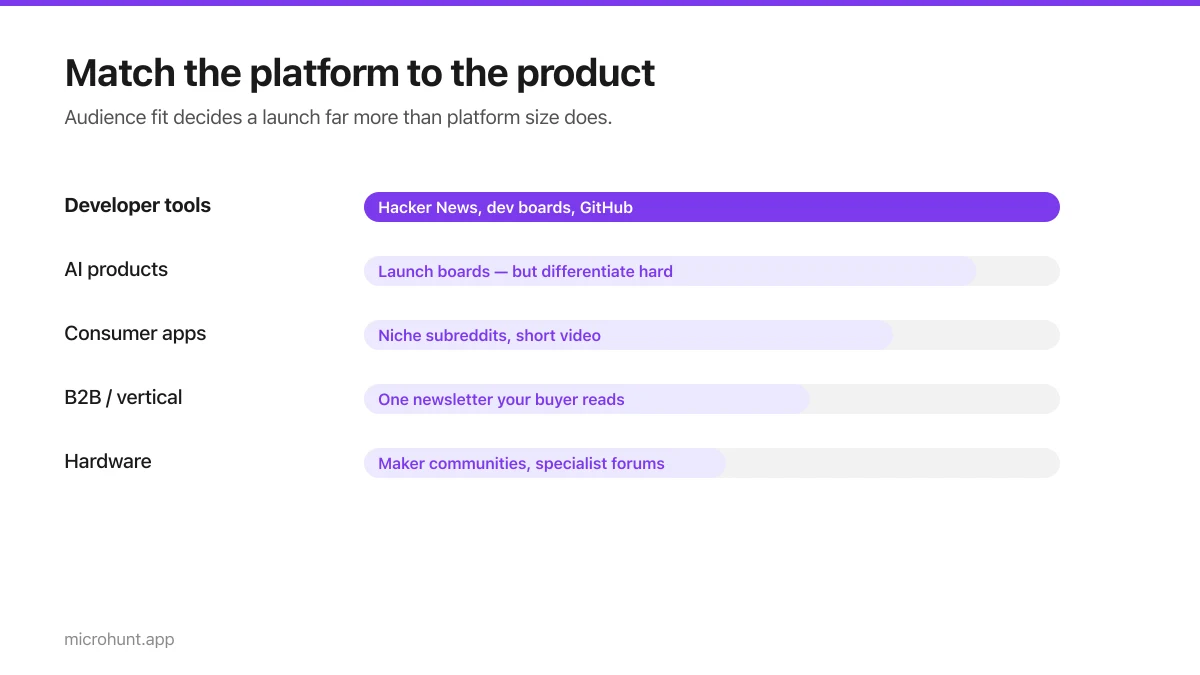
Best Product Hunt Alternatives for Launching in 2026
Where else to launch when Product Hunt is not the right fit — what each platform is actually good at, who shows up, and what it costs.
8 min read
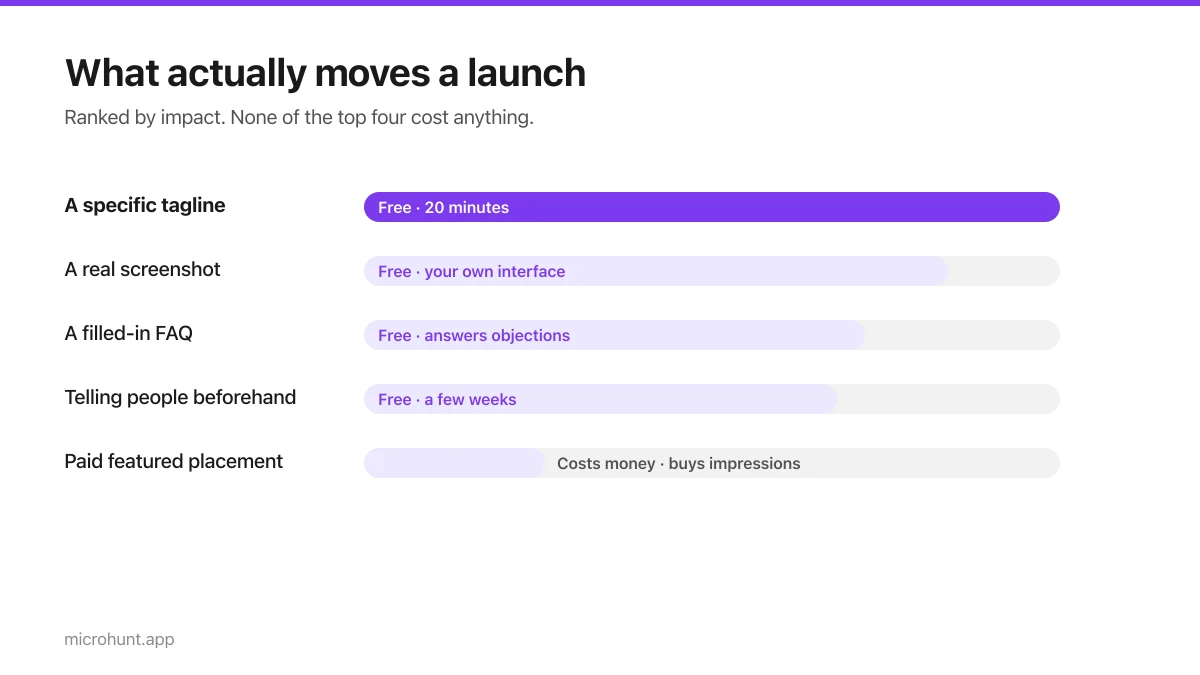
Free Launch Platforms for Indie Makers (No Budget Needed)
You do not need to pay to launch. Here are the places that are genuinely free, what each expects from you, and where paying is actually worth it.
7 min read
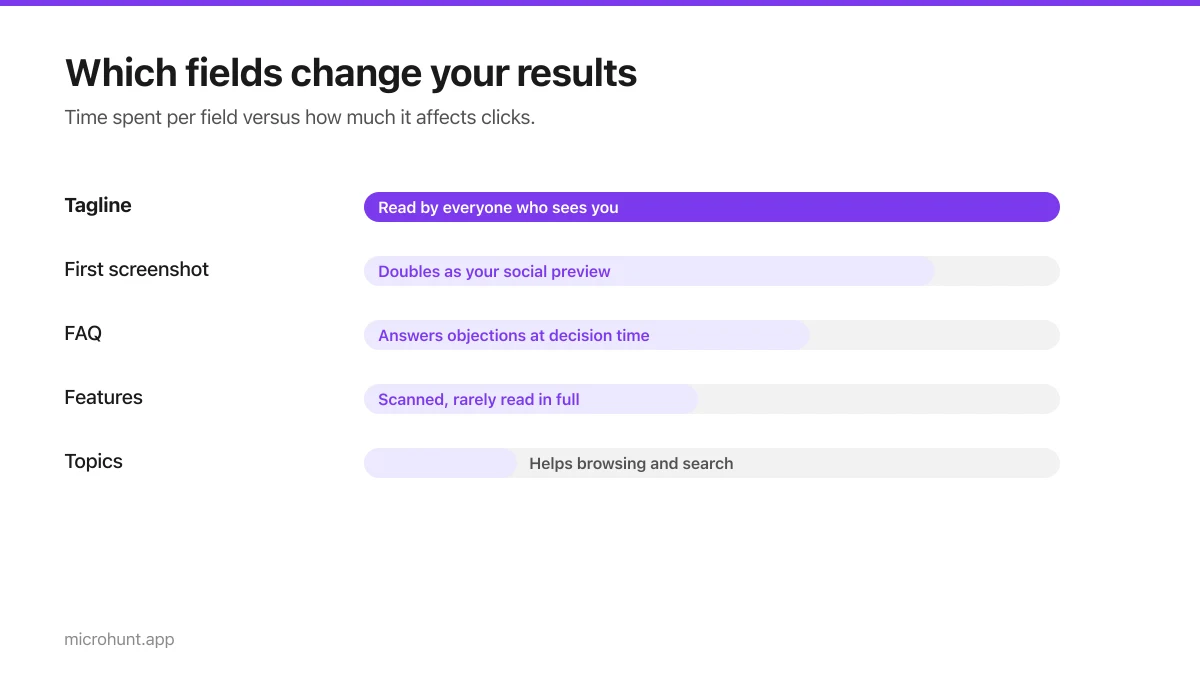
How to Submit a Product on Vuru (Step by Step)
A walk through the submission form, what each field does to your page, and the fields most people leave empty that they shouldn't.
7 min read
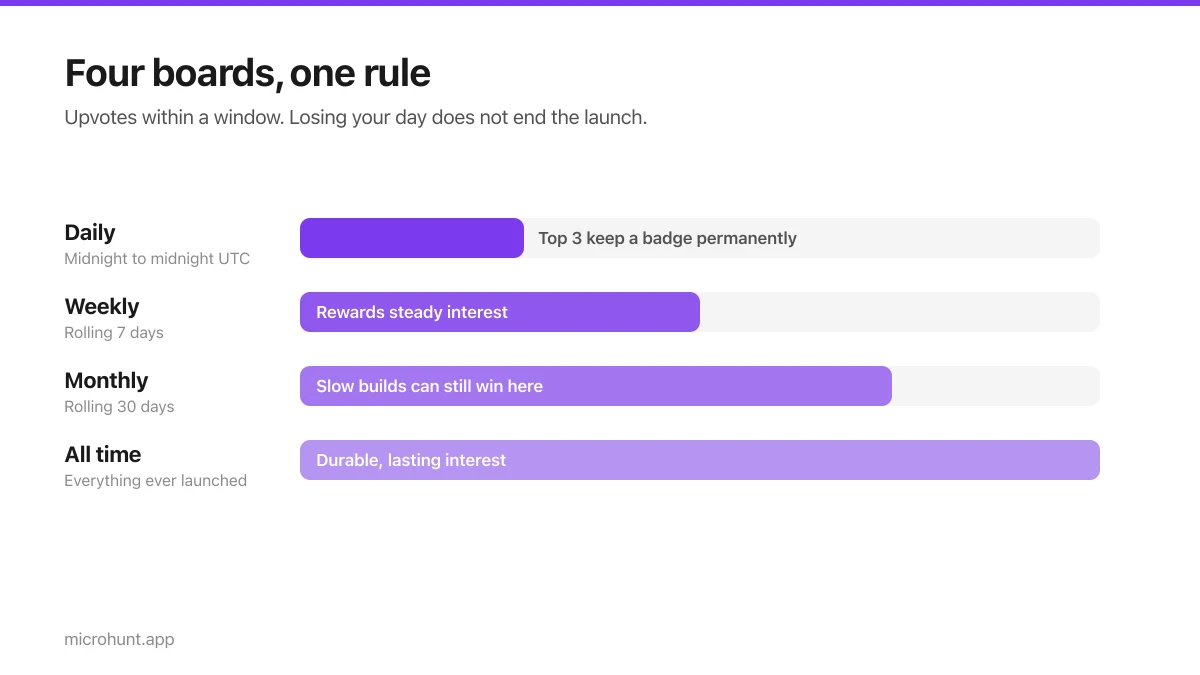
How Vuru Ranking Works (And How to Win a Badge)
Launch windows, upvotes, podium badges and what we do about vote manipulation — the whole ranking system explained plainly.
7 min read
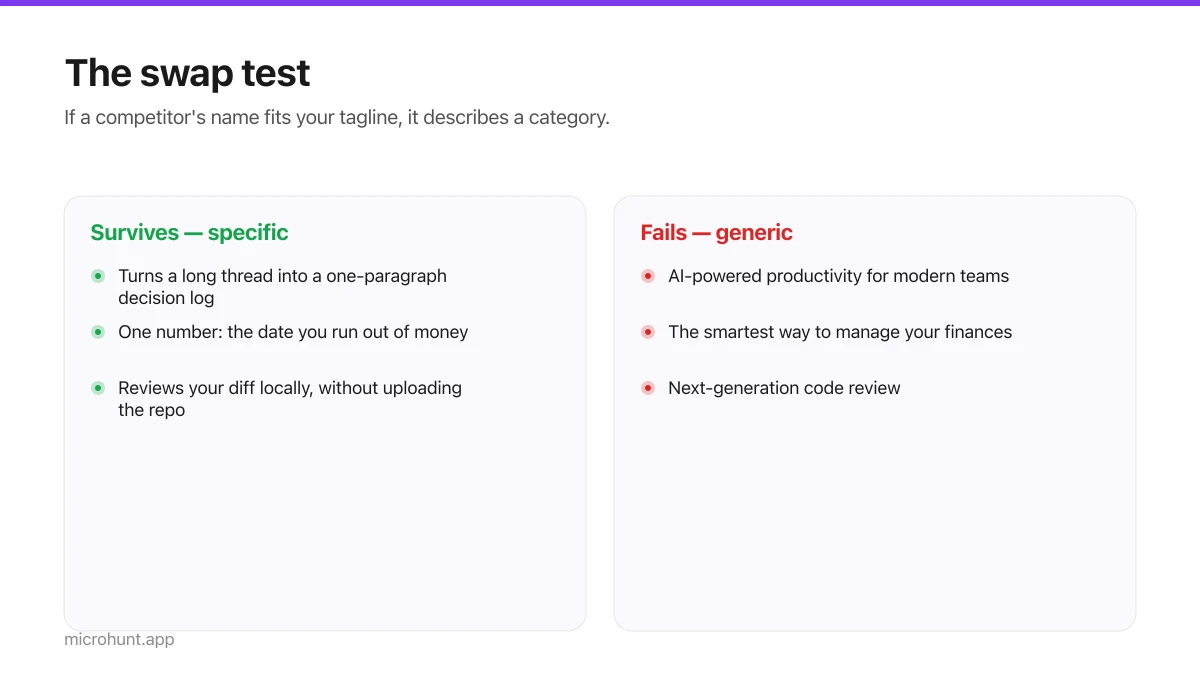
How to Write a Product Tagline That Actually Gets Clicked
The one line most people will ever read about your product, and a simple test for whether yours is doing any work.
7 min read
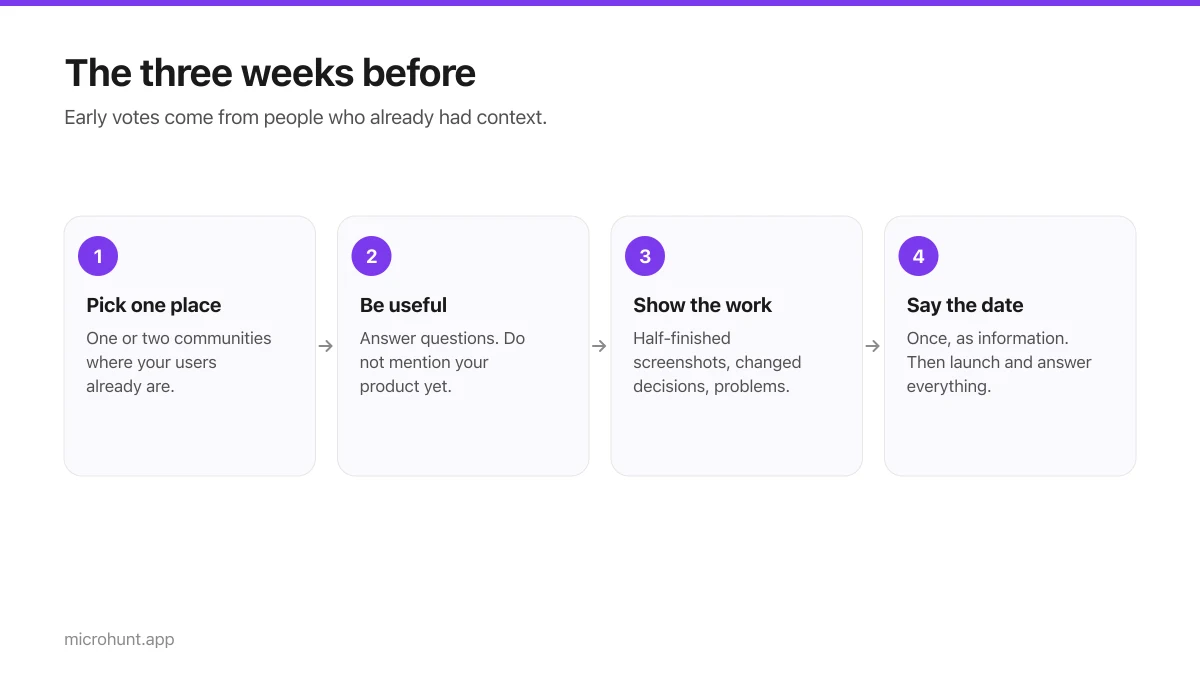
How to Get Your First Upvotes Without Begging
What actually generates early votes, why vote-for-vote groups do not work, and the approach that keeps paying off after launch day.
7 min read
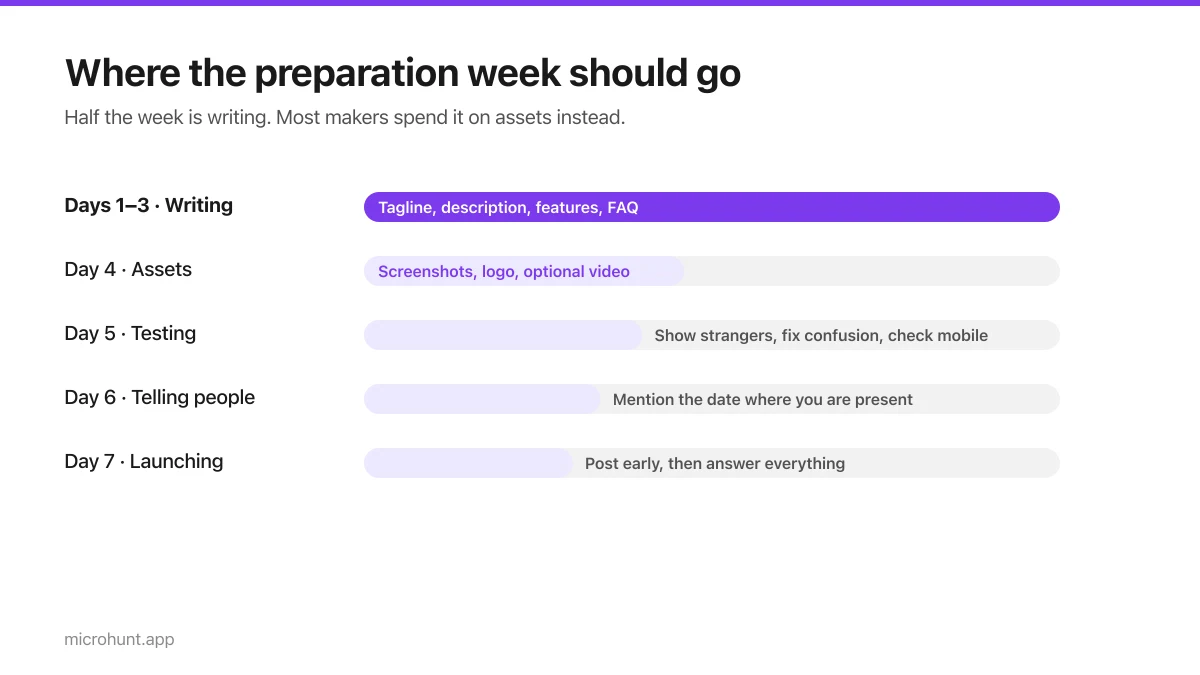
The Seven-Day Launch Checklist
A day-by-day plan for the week before you launch, weighted towards the things that actually change the outcome.
8 min read
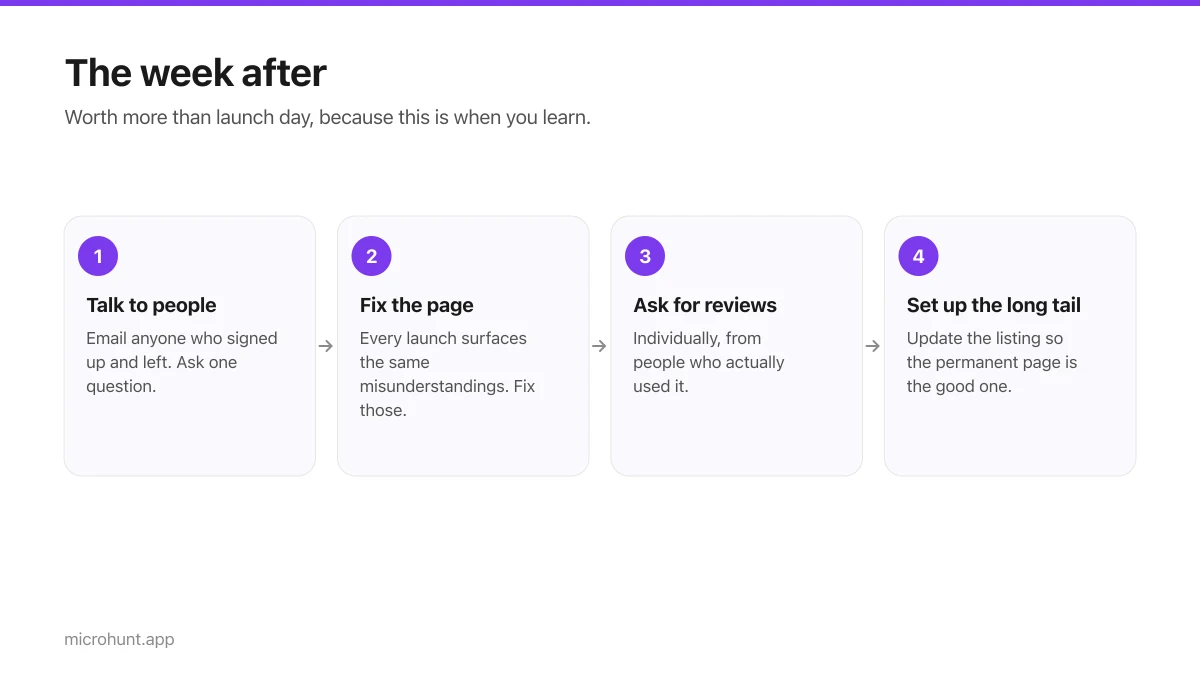
What to Do the Week After Launch Day
The traffic spike is over. Here is how to turn a day of attention into something that lasts longer than the graph.
7 min read