Audio & Podcasting
Recording, cleanup, editing and publishing.
Nothing launched in this category yet.
Be the firstAbout Audio & Podcasting
Audio tooling covers recording, editing, cleanup, mixing and the podcast-specific workflow around all of it. The category has been reshaped by processing that removes noise, reverb and mouth sounds convincingly enough that a decent recording in a bad room now sounds acceptable — which has lowered the barrier considerably without eliminating the fundamentals.
The fundamentals still dominate the outcome. A cheap microphone close to the source beats an expensive one across a desk, and a room with soft furnishings beats a treated-sounding plugin applied to a recording made in a kitchen. Every processing tool in this subcategory is recovering information rather than adding it, and the recovery is imperfect. If you are choosing where to spend, spend on the input.
For editing, the transcript-based approach has taken over spoken-word work for the same reason it has in video, and with the same caveat: it is excellent for interviews and monologue and unsuited to anything musical. The best implementations handle multi-speaker recordings with separate tracks, which is what makes fixing one person's audio without affecting the other possible.
Cleanup tools are where the most visible recent progress is. Noise removal, de-reverb, and separating a voice from a background have all become genuinely good. The failure mode to listen for is artefacts — a processed voice can acquire an underwater quality that is worse than the noise it replaced. Always compare against the original at the same volume, because processed audio often sounds better simply because it is louder.
Loudness normalisation is the piece most people miss. Platforms normalise to their own target, so mastering louder than the target gains nothing and costs dynamic range. Tools that let you check and target the standard levels save you from a podcast that is fatiguing to listen to.
For podcasting specifically, remote recording tools that capture each participant locally and upload afterwards, rather than recording the compressed call, produce dramatically better results. This single choice matters more than any amount of post-processing. See [transcription](/categories/transcription) for turning the result into text.
From the blog
Reading on launching, ranking and audio & podcasting.
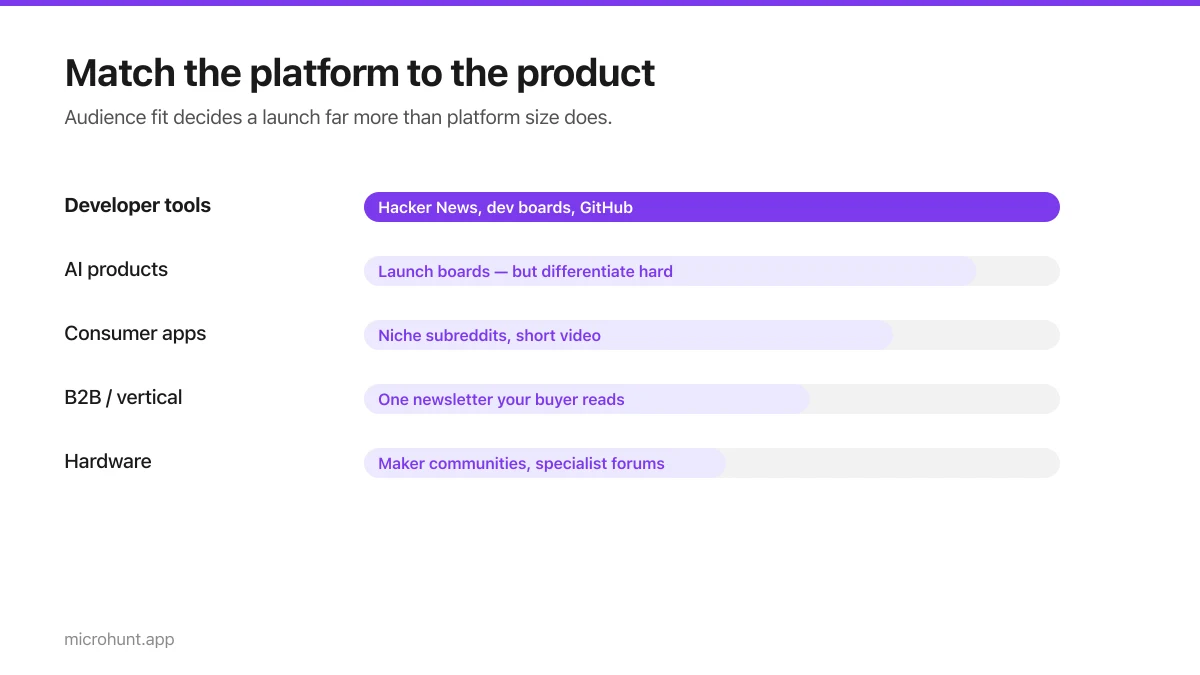
Best Product Hunt Alternatives for Launching in 2026
Where else to launch when Product Hunt is not the right fit — what each platform is actually good at, who shows up, and what it costs.
8 min read
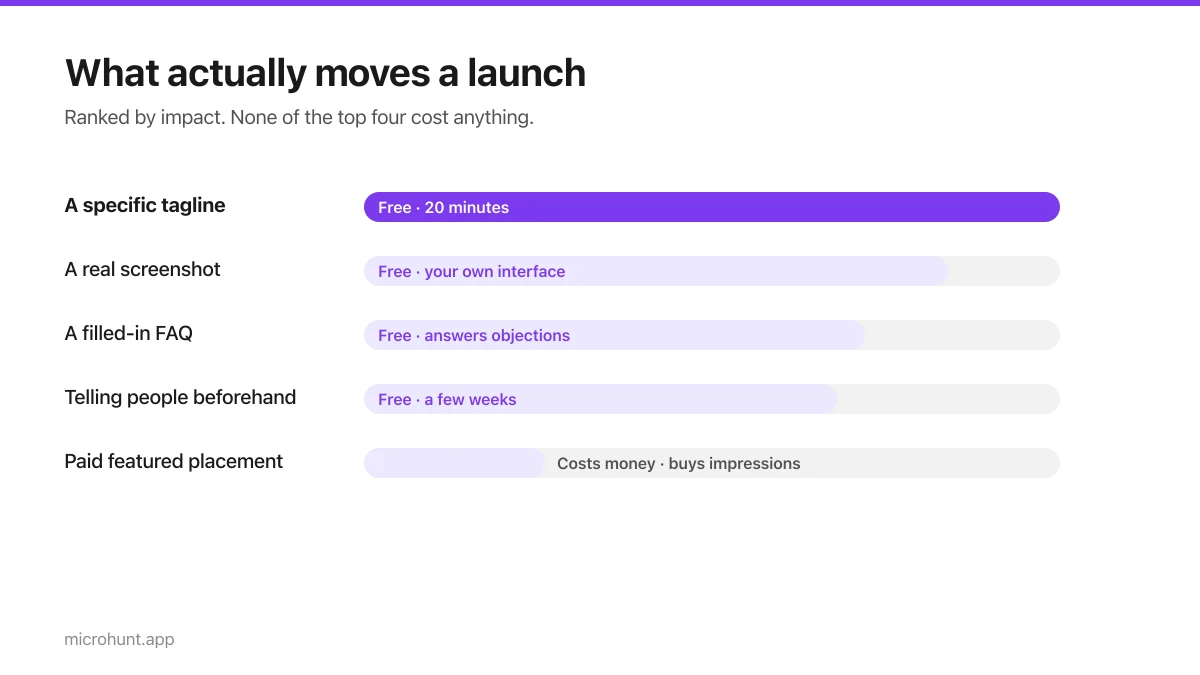
Free Launch Platforms for Indie Makers (No Budget Needed)
You do not need to pay to launch. Here are the places that are genuinely free, what each expects from you, and where paying is actually worth it.
7 min read
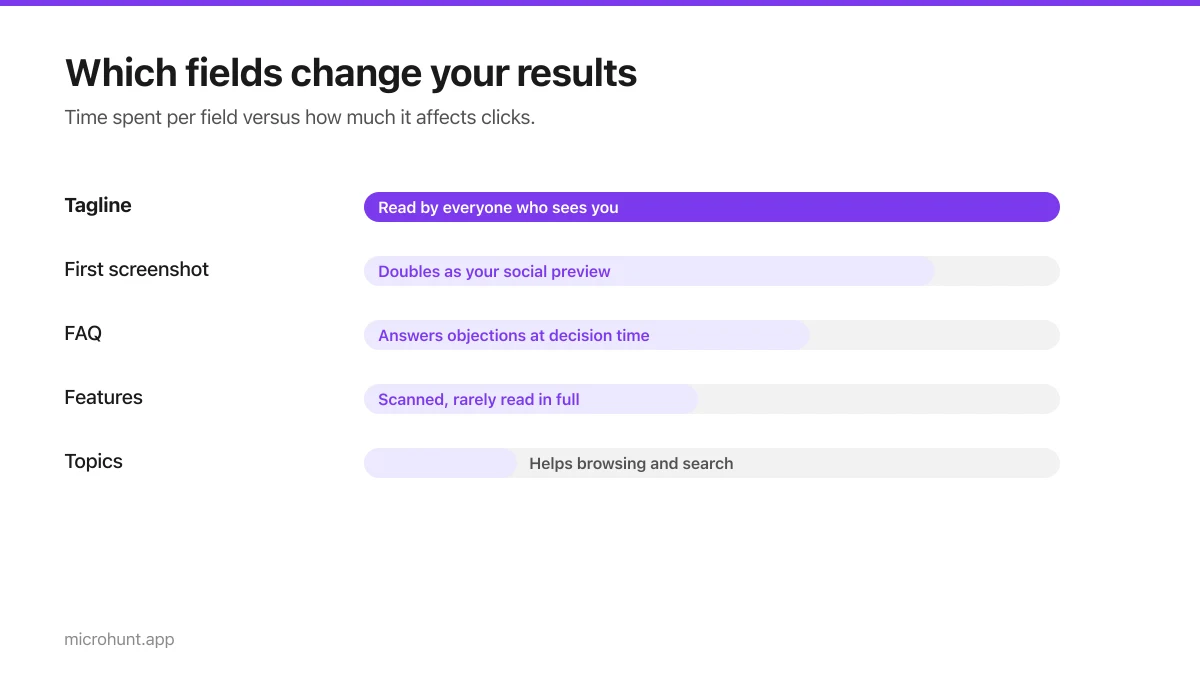
How to Submit a Product on Vuru (Step by Step)
A walk through the submission form, what each field does to your page, and the fields most people leave empty that they shouldn't.
7 min read
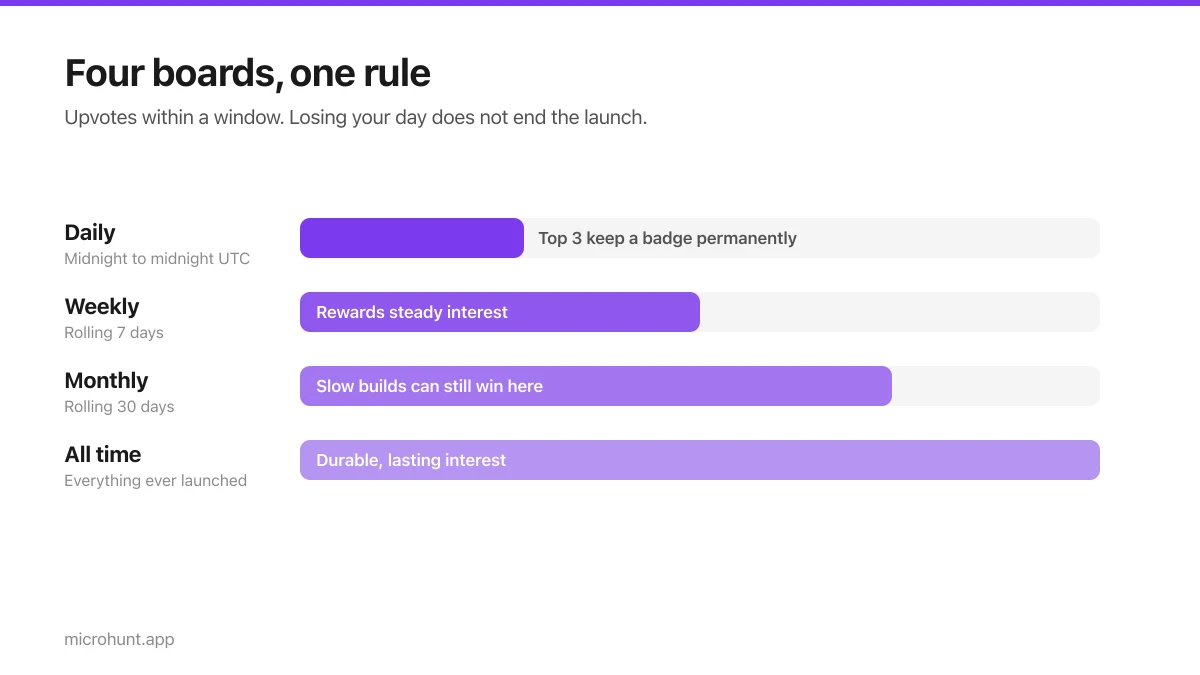
How Vuru Ranking Works (And How to Win a Badge)
Launch windows, upvotes, podium badges and what we do about vote manipulation — the whole ranking system explained plainly.
7 min read
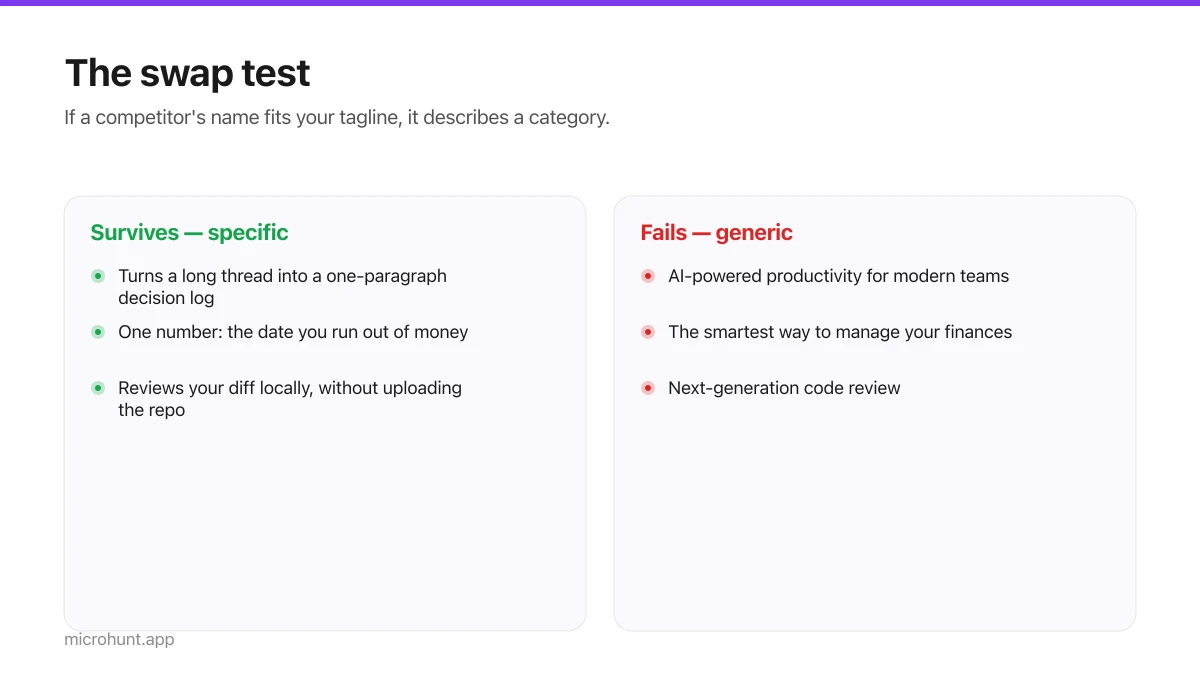
How to Write a Product Tagline That Actually Gets Clicked
The one line most people will ever read about your product, and a simple test for whether yours is doing any work.
7 min read
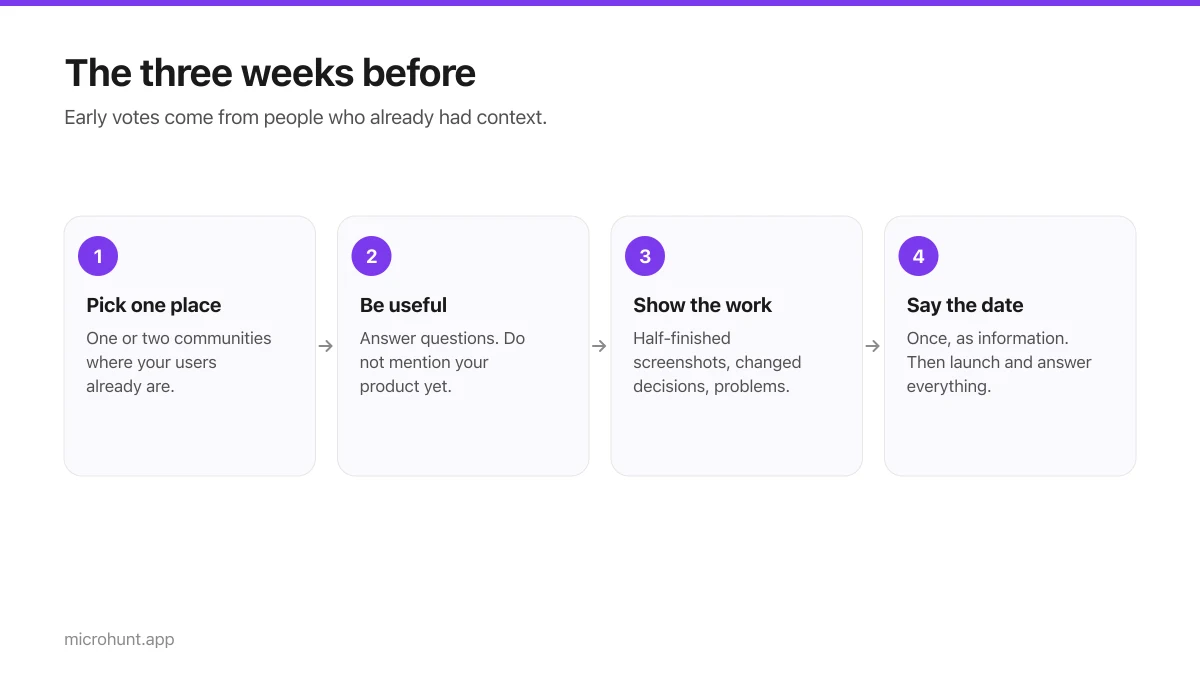
How to Get Your First Upvotes Without Begging
What actually generates early votes, why vote-for-vote groups do not work, and the approach that keeps paying off after launch day.
7 min read
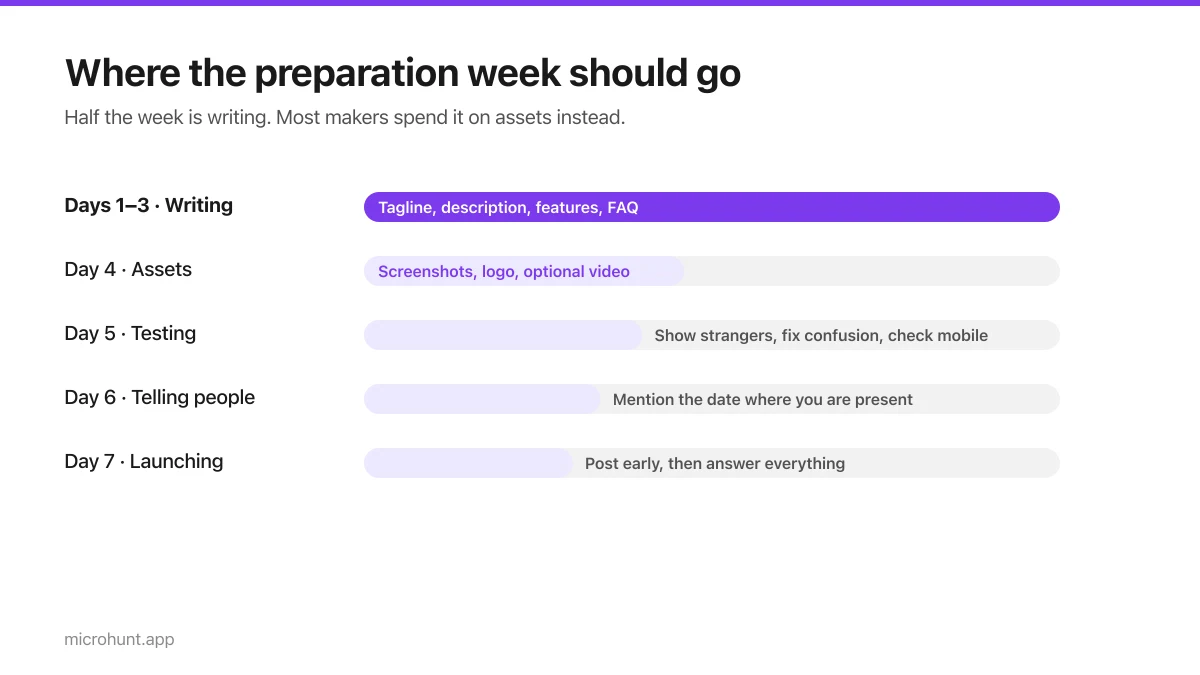
The Seven-Day Launch Checklist
A day-by-day plan for the week before you launch, weighted towards the things that actually change the outcome.
8 min read
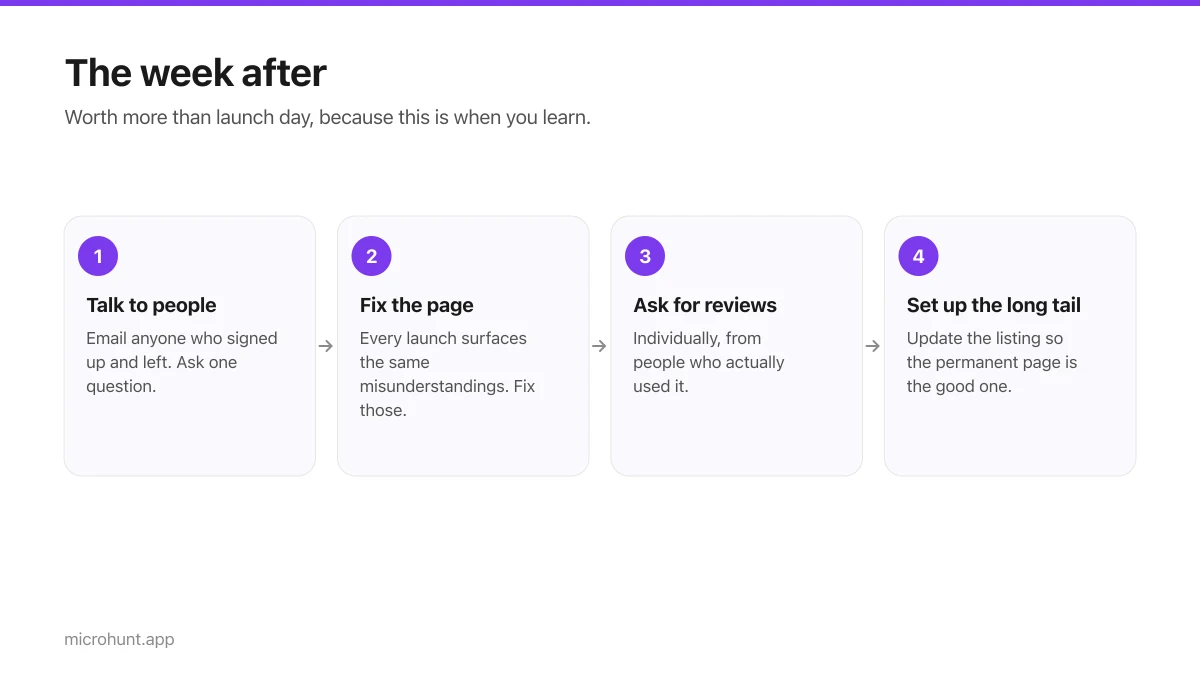
What to Do the Week After Launch Day
The traffic spike is over. Here is how to turn a day of attention into something that lasts longer than the graph.
7 min read