Auditing & Scanning
Dependency, code and infrastructure scanning.
Nothing launched in this category yet.
Be the firstAbout Auditing & Scanning
Security scanning and auditing tools look for weaknesses before someone else does. The launches here cover dependency scanning, static analysis, container and infrastructure scanning, dynamic testing against a running application, and the monitoring services that watch for exposed credentials and leaked data.
Dependency scanning is the highest-value item for most software teams, because the majority of code in a typical application was written by someone else and a meaningful share of real incidents trace to a known vulnerability in a package that had a fix available. The tooling is mature and cheap. The discipline it requires is triage: a scanner will report vulnerabilities in code paths you never execute, and treating every finding as urgent produces alert fatigue and then silence. Tools that assess reachability — whether the vulnerable function is actually called — cut the noise dramatically and are worth choosing for that alone.
Static analysis catches a different class: injection risks, unsafe deserialisation, weak cryptographic choices, secrets in source. Its characteristic problem is false positives, and the practical measure of a tool is its signal ratio on your codebase rather than the number of rules it advertises. A scanner producing four hundred findings will be ignored; one producing eight that are all real will be fixed.
Infrastructure and container scanning covers a commonly neglected area: base images with years-old packages, storage left publicly readable, permissions far broader than needed, and security groups open to the world. These findings are frequently both severe and trivial to fix, which makes this among the best returns in the subcategory.
Dynamic testing against a running application finds things that static analysis structurally cannot — authentication and authorisation flaws, session handling, business logic that lets a user reach another user's data. Run it against staging with realistic data, never against production without a very deliberate decision.
Automated tooling has a ceiling, and it is worth being honest about where it sits. Scanners find known patterns. They do not find the logic flaw specific to your application, which is what a competent human tester finds. For anything holding money or sensitive personal data, periodic manual testing is the complement rather than the alternative.
From the blog
Reading on launching, ranking and auditing & scanning.
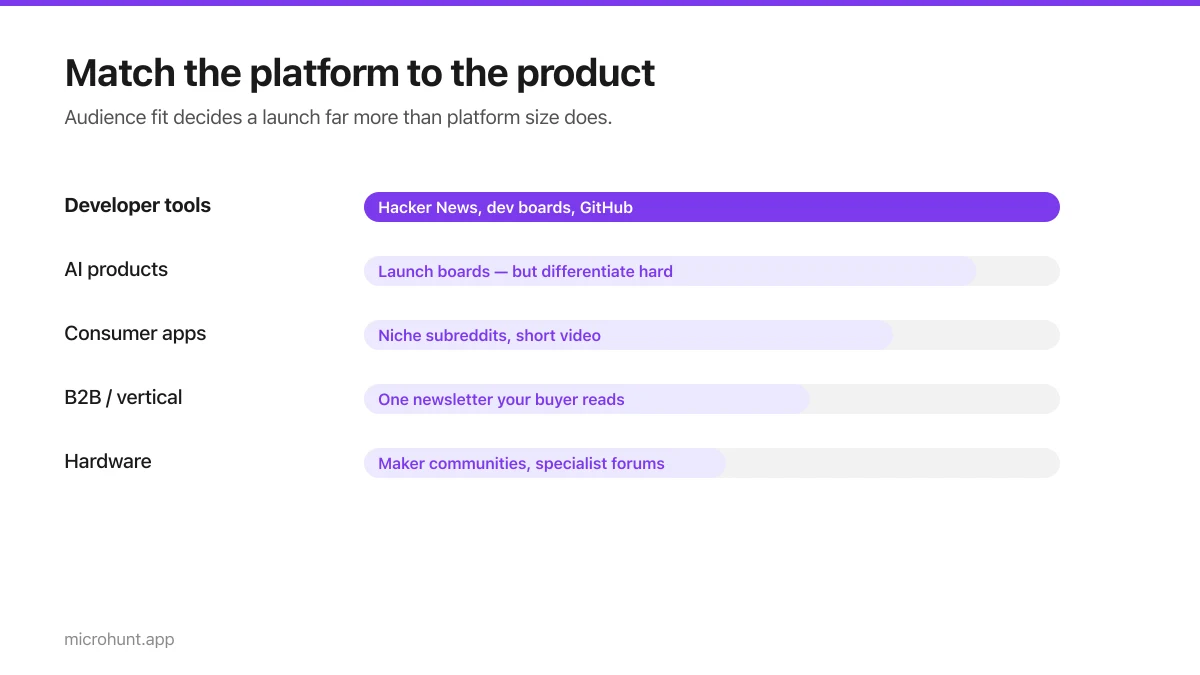
Best Product Hunt Alternatives for Launching in 2026
Where else to launch when Product Hunt is not the right fit — what each platform is actually good at, who shows up, and what it costs.
8 min read
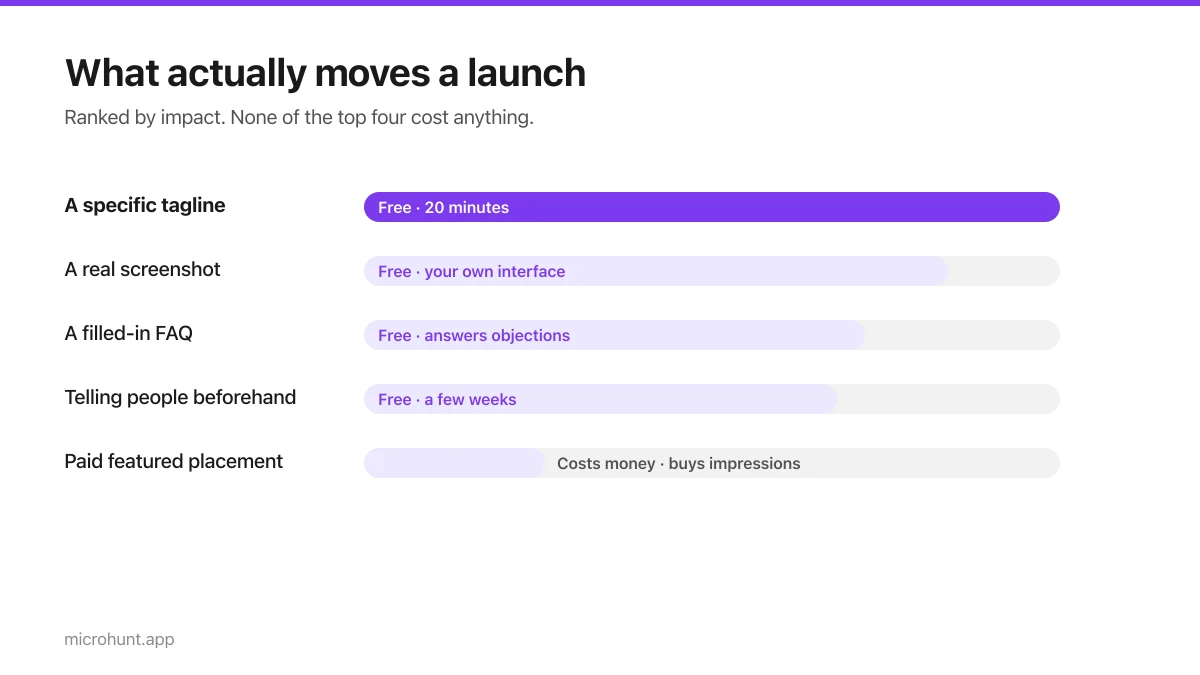
Free Launch Platforms for Indie Makers (No Budget Needed)
You do not need to pay to launch. Here are the places that are genuinely free, what each expects from you, and where paying is actually worth it.
7 min read
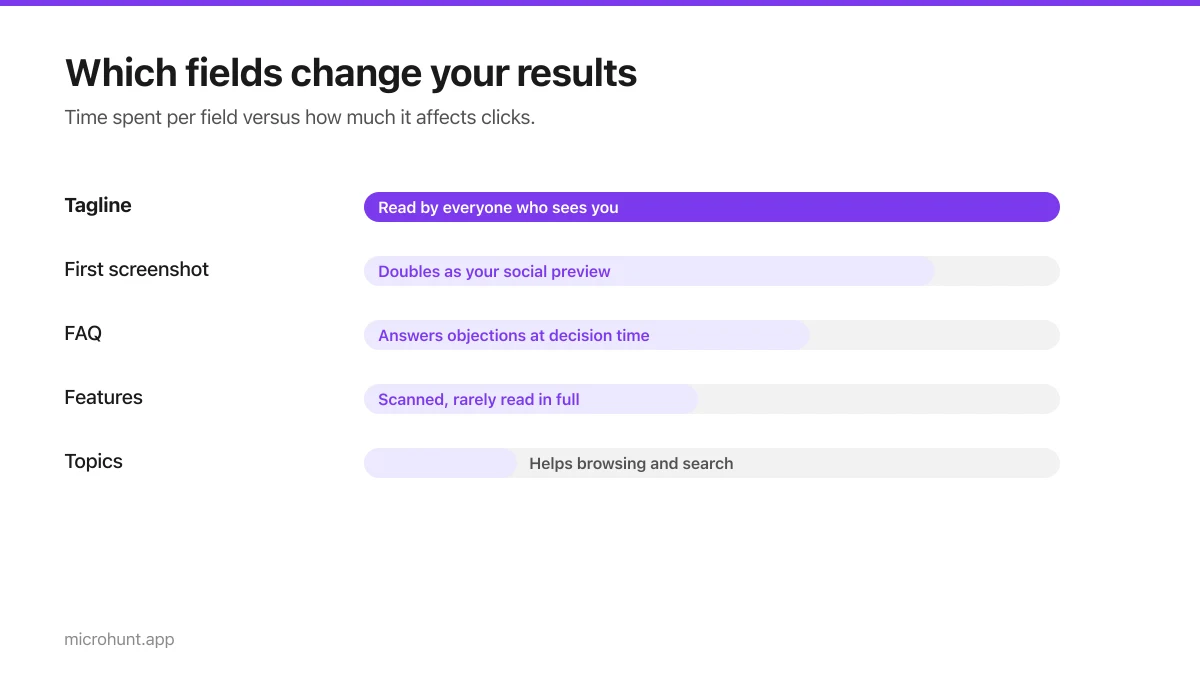
How to Submit a Product on Vuru (Step by Step)
A walk through the submission form, what each field does to your page, and the fields most people leave empty that they shouldn't.
7 min read
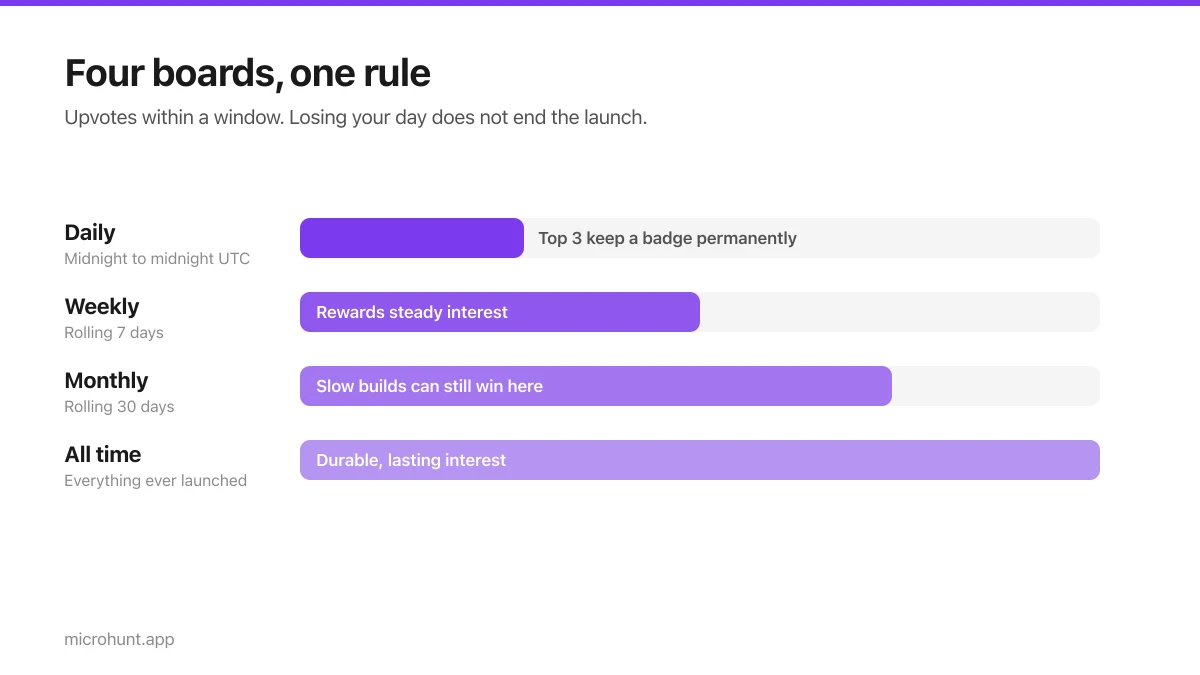
How Vuru Ranking Works (And How to Win a Badge)
Launch windows, upvotes, podium badges and what we do about vote manipulation — the whole ranking system explained plainly.
7 min read
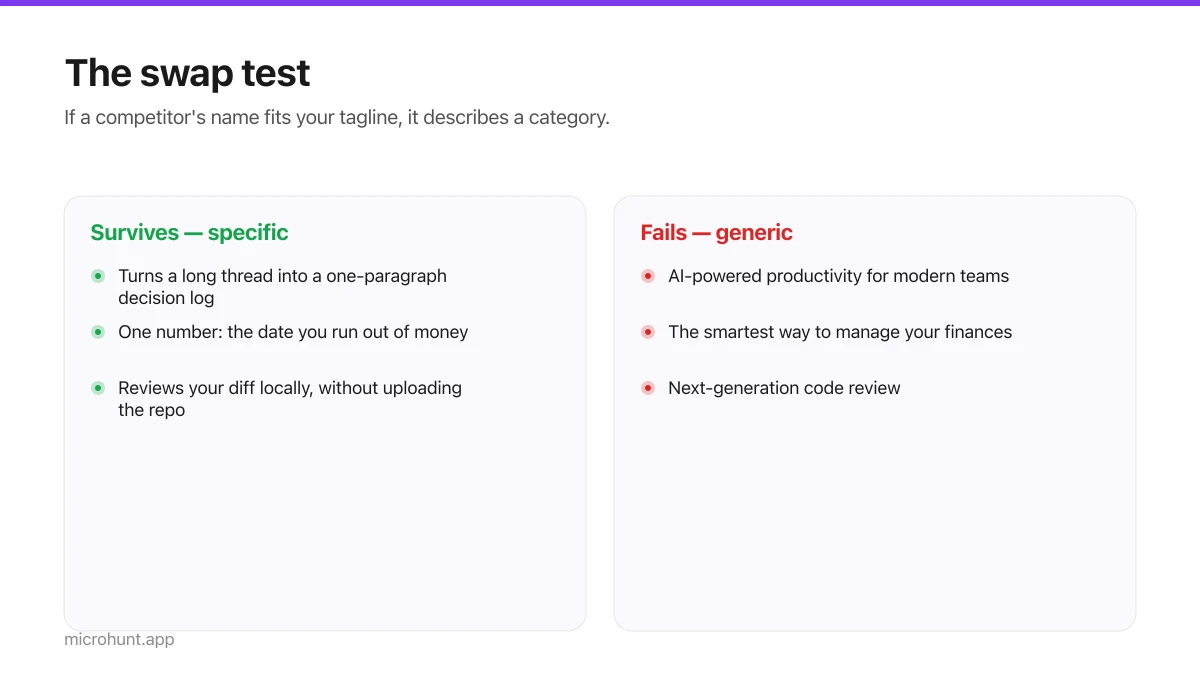
How to Write a Product Tagline That Actually Gets Clicked
The one line most people will ever read about your product, and a simple test for whether yours is doing any work.
7 min read
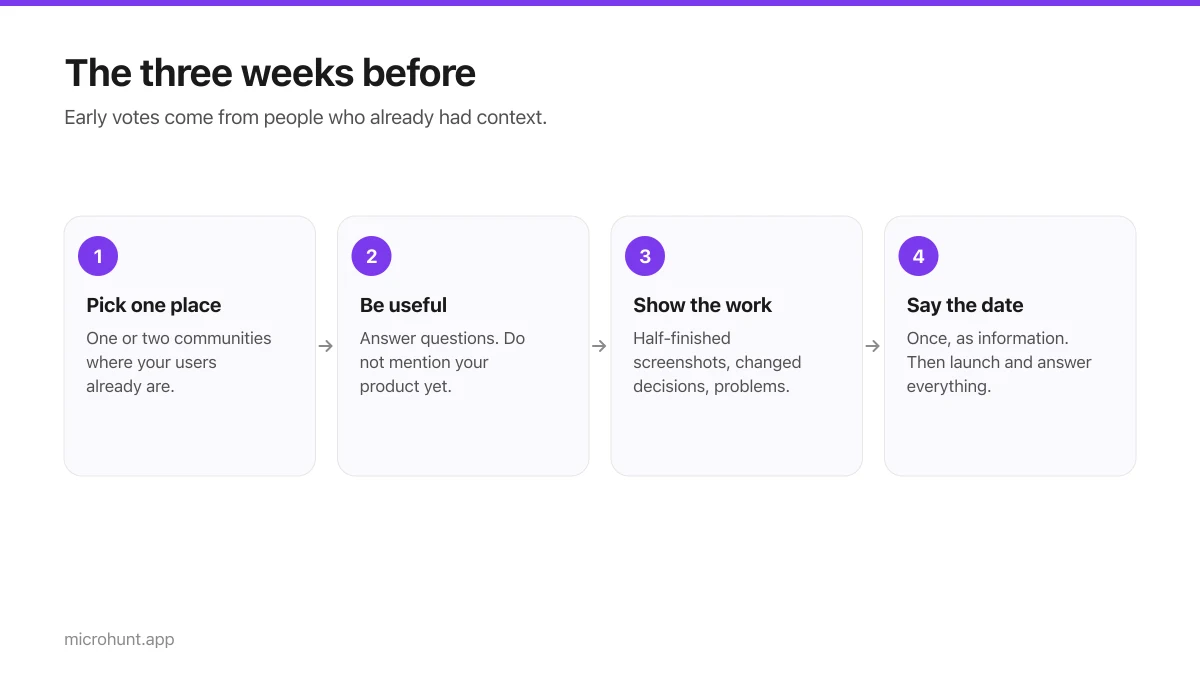
How to Get Your First Upvotes Without Begging
What actually generates early votes, why vote-for-vote groups do not work, and the approach that keeps paying off after launch day.
7 min read
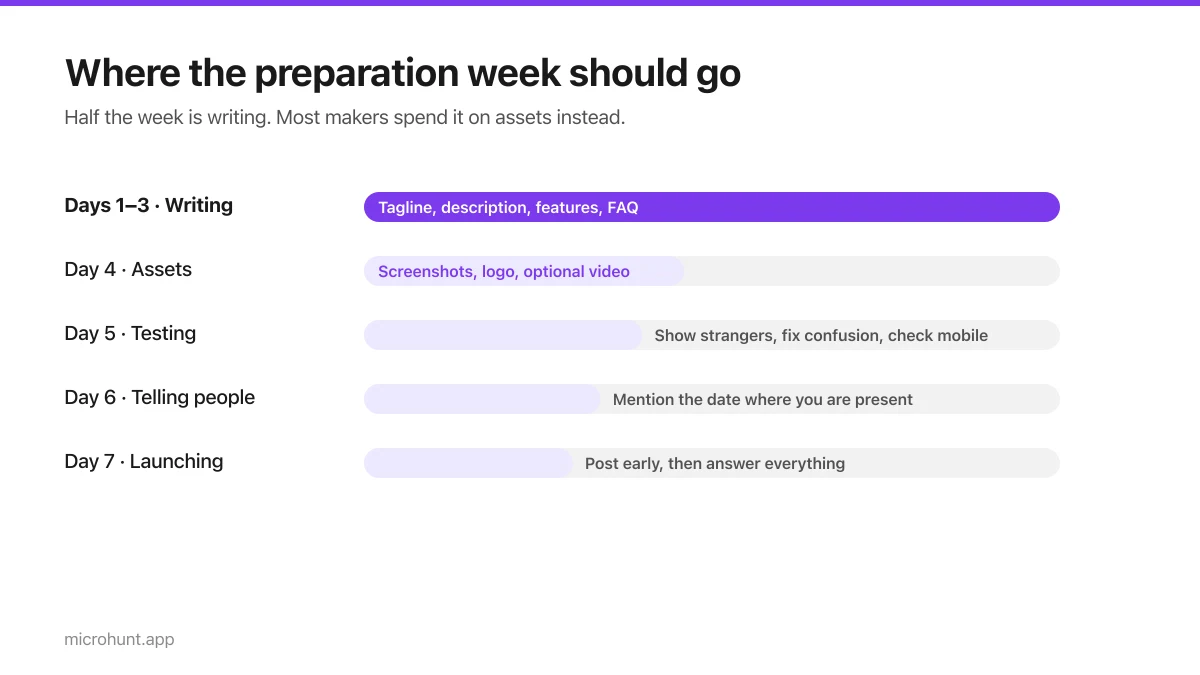
The Seven-Day Launch Checklist
A day-by-day plan for the week before you launch, weighted towards the things that actually change the outcome.
8 min read
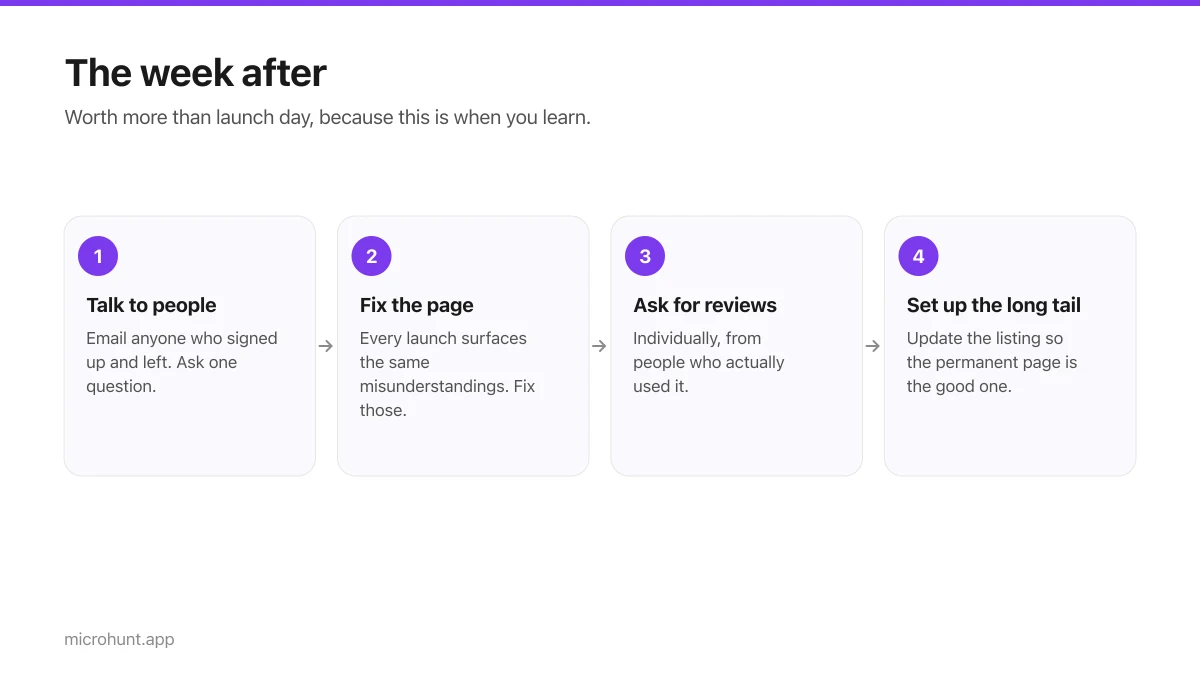
What to Do the Week After Launch Day
The traffic spike is over. Here is how to turn a day of attention into something that lasts longer than the graph.
7 min read