Community Platforms
Forums, chat and membership spaces.
Nothing launched in this category yet.
Be the firstAbout Community Platforms
Community software hosts the place where your users talk to each other, and choosing one is more consequential than it appears, because a community is the hardest thing on this list to migrate. People do not follow a forum to a new address; a meaningful share is lost at every move.
The first decision is real-time versus threaded. Chat platforms are lively, low-friction and effectively ephemeral: knowledge scrolls away, newcomers see an unreadable wall, and the same question is answered weekly forever. Forums are slower and accumulate: a good answer is findable in two years, by search, by people who never joined. Most communities built for support or knowledge should be threaded, and most are built on chat because chat is easier to start.
The second decision is where it lives. On a large existing platform you inherit an audience and their habits and you rent the relationship — rules change, reach changes, and the platform owns the data. Self-hosted or dedicated software means you own it, and you must attract every member yourself. There is no universally right answer, but be conscious about which you have chosen.
Search and structure are what make a community valuable over time rather than just active. If a member cannot find the answer that was given six months ago, the community will answer the same questions indefinitely, and the volunteers who answer them will burn out. Public archives that search engines index also turn the community into an acquisition channel, which is a substantial secondary benefit.
Moderation is not a feature you add later. Decide the rules before you need them, make them visible, and enforce them consistently from the beginning, because the norms of the first hundred members become the culture. See [moderation](/categories/moderation) for tooling.
The hard truth about community: software does not create one. An empty forum is a liability that signals a dead product. Communities start with a small number of people who already want to talk to each other, and the tool's job is to not get in the way. If you do not have those people yet, a chat channel with twenty of them beats a well-configured platform with none.
From the blog
Reading on launching, ranking and community platforms.
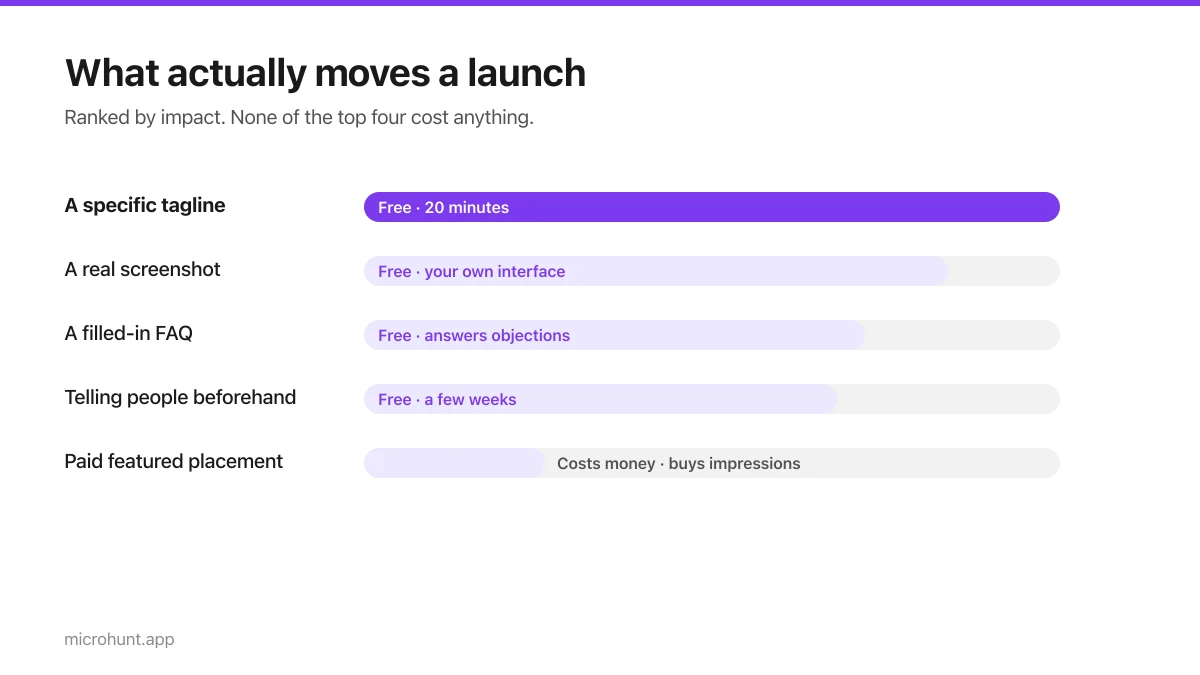
Free Launch Platforms for Indie Makers (No Budget Needed)
You do not need to pay to launch. Here are the places that are genuinely free, what each expects from you, and where paying is actually worth it.
7 min read
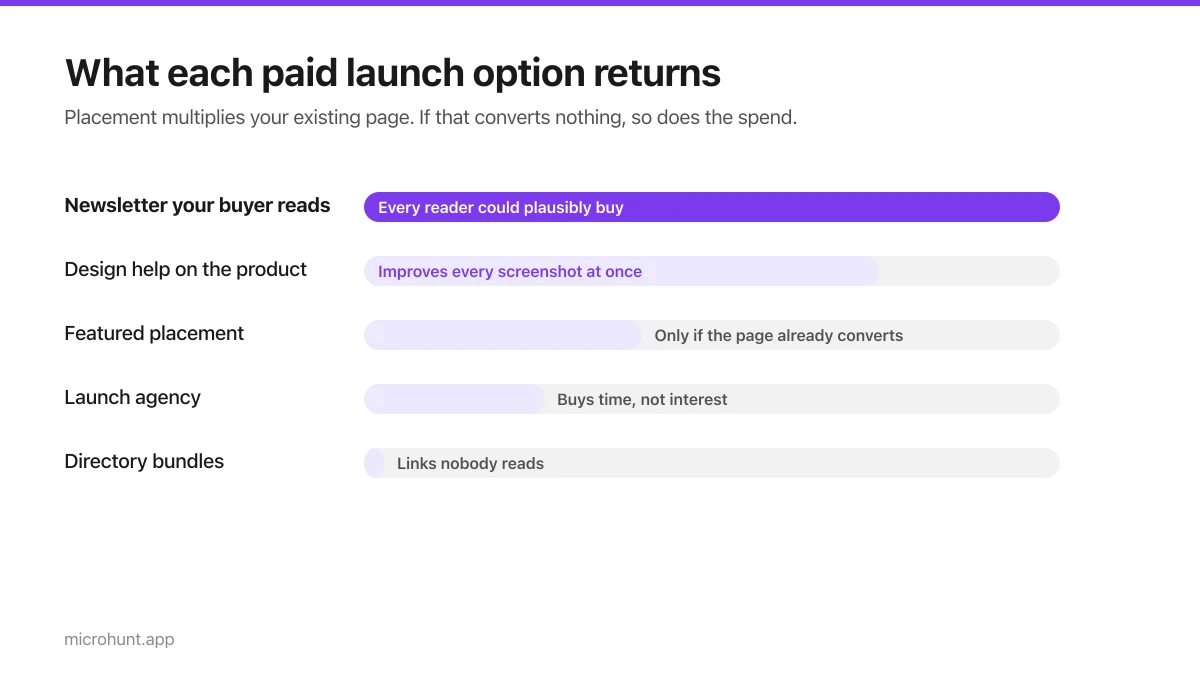
Free vs Paid Launch Platforms: What the Money Actually Buys
Paid placement, featured slots and submission services — what each one gets you, and the two cases where spending is genuinely worth it.
7 min read
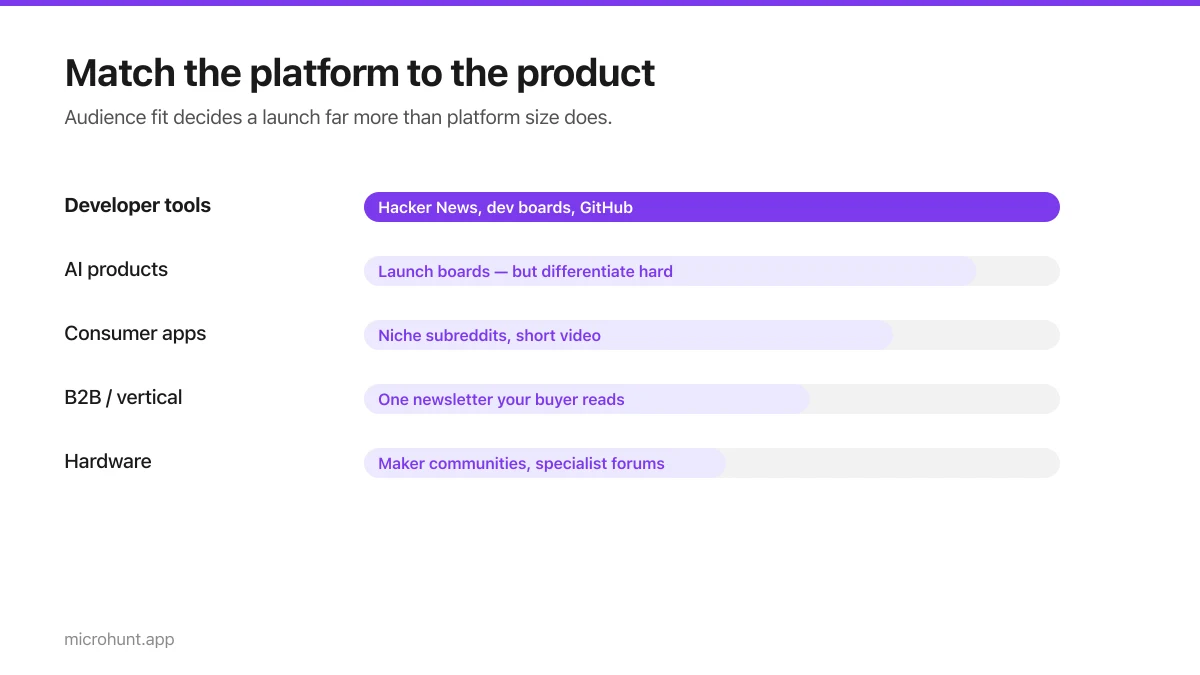
Best Product Hunt Alternatives for Launching in 2026
Where else to launch when Product Hunt is not the right fit — what each platform is actually good at, who shows up, and what it costs.
8 min read
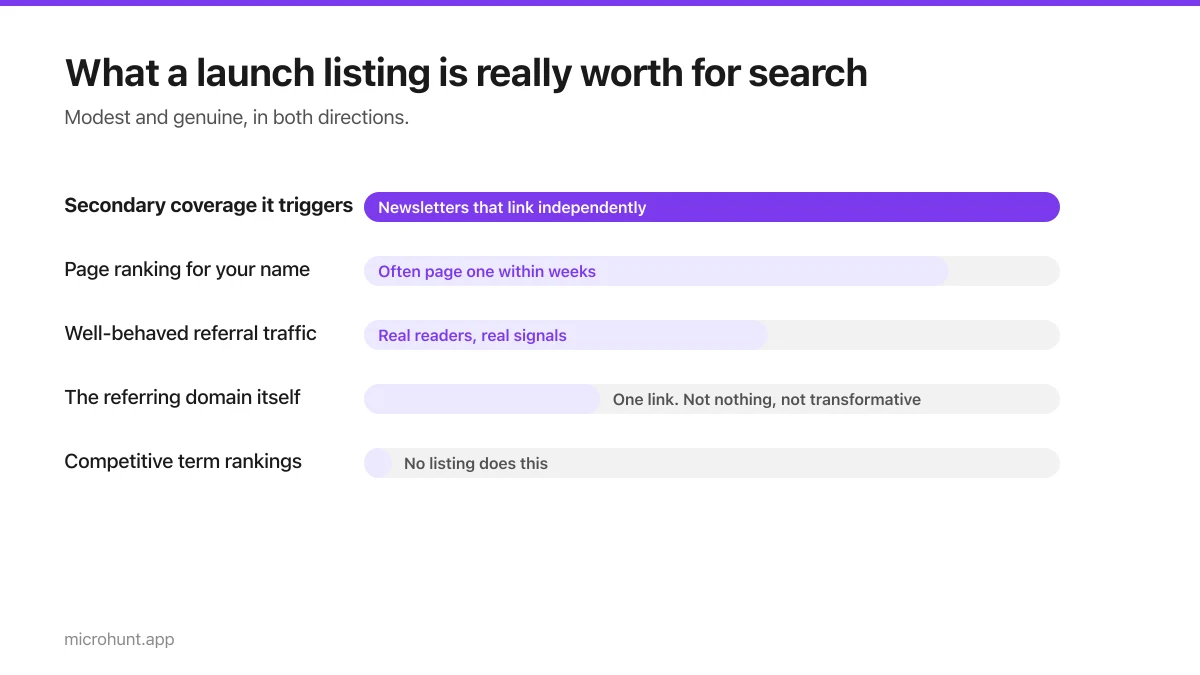
Do Launch Platforms Still Help Your SEO?
What a launch listing is actually worth for search, what it is not worth, and why the permanent page matters more than the spike.
8 min read
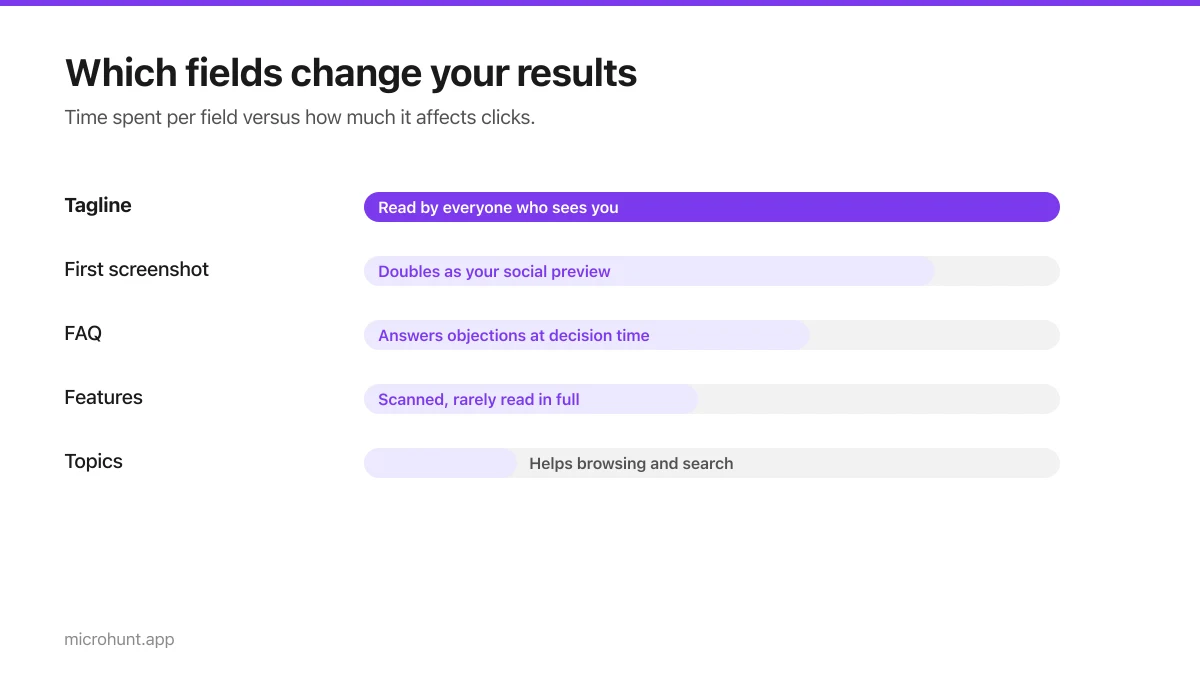
How to Submit a Product on Vuru (Step by Step)
A walk through the submission form, what each field does to your page, and the fields most people leave empty that they shouldn't.
7 min read
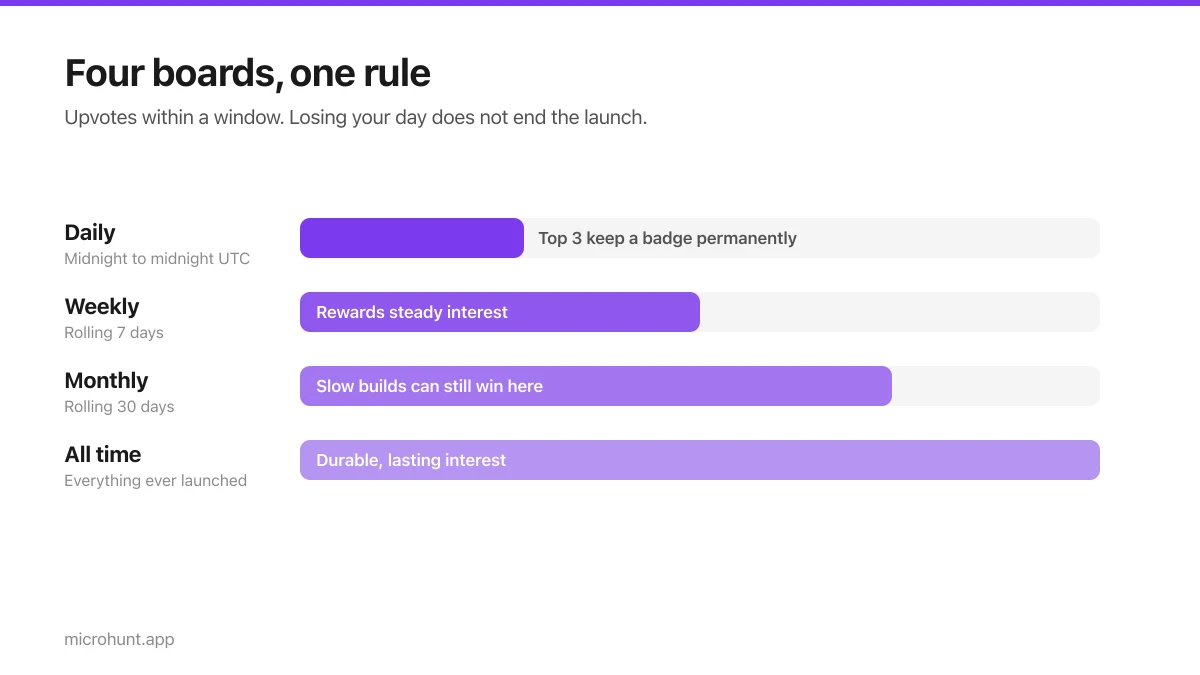
How Vuru Ranking Works (And How to Win a Badge)
Launch windows, upvotes, podium badges and what we do about vote manipulation — the whole ranking system explained plainly.
7 min read
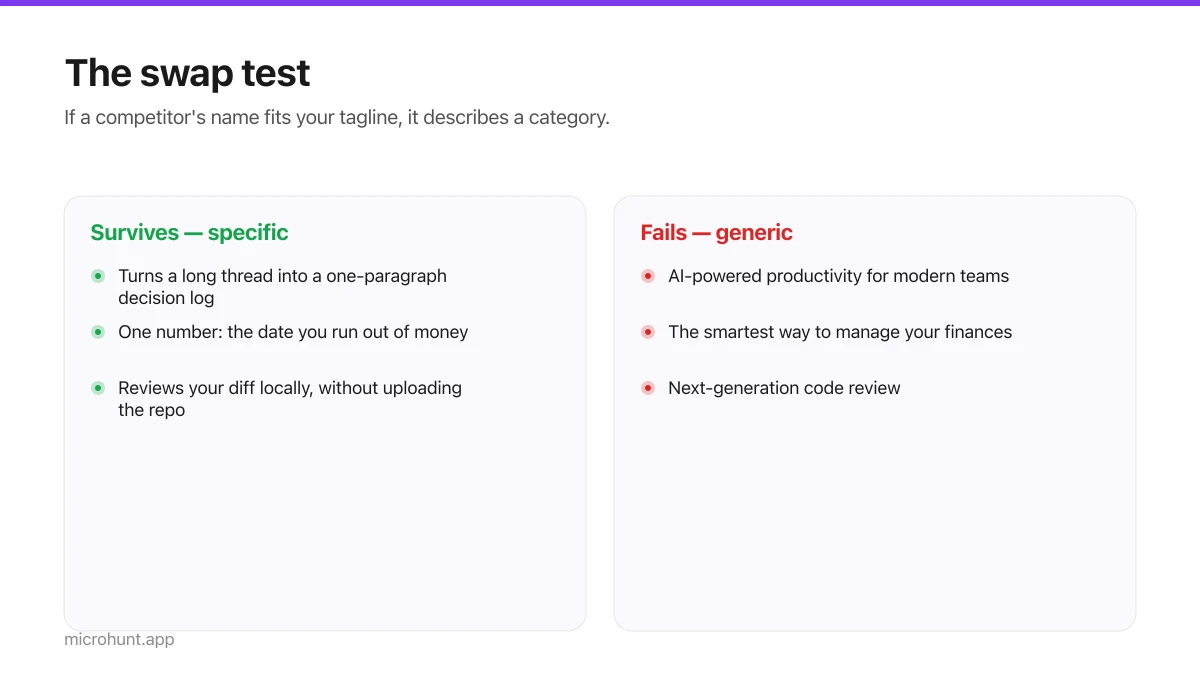
How to Write a Product Tagline That Actually Gets Clicked
The one line most people will ever read about your product, and a simple test for whether yours is doing any work.
7 min read
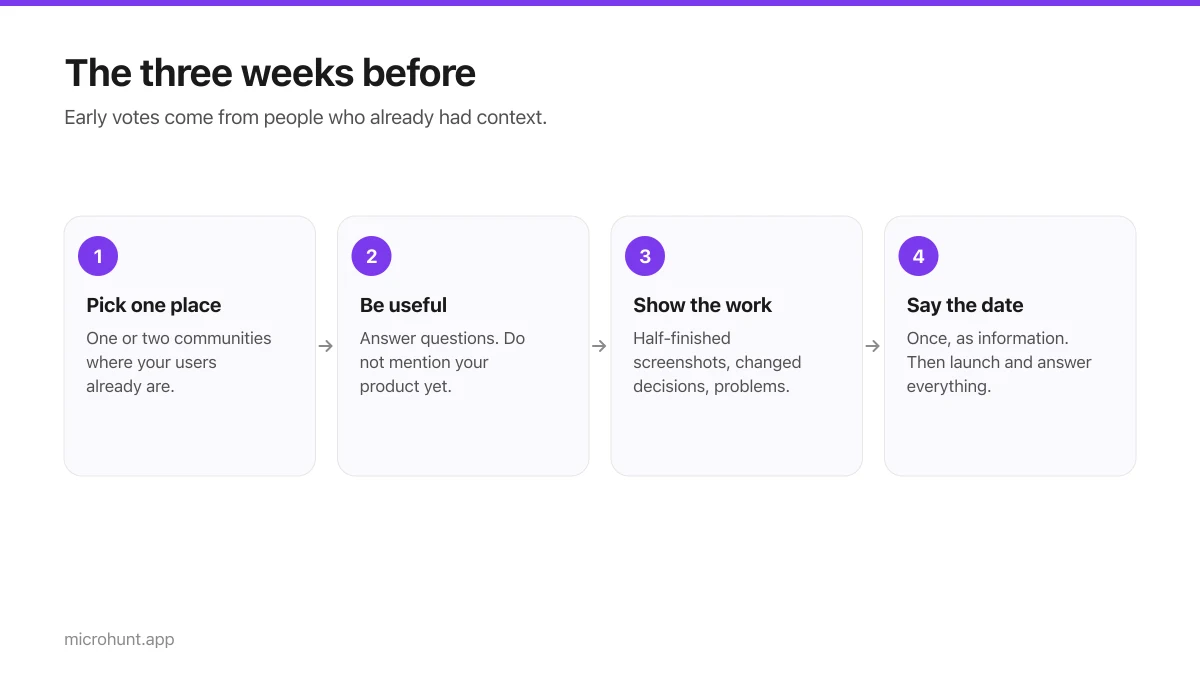
How to Get Your First Upvotes Without Begging
What actually generates early votes, why vote-for-vote groups do not work, and the approach that keeps paying off after launch day.
7 min read