Forms & Surveys
Collecting structured input from people.
Nothing launched in this category yet.
Be the firstAbout Forms & Surveys
Forms are the most common interface between a business and the people it serves, and the tooling has quietly become much better than the reputation of the category suggests. The launches here range from simple form builders to survey platforms with real analysis, conversational forms, and the specialised tools for scheduling, intake and payment collection.
Completion rate is the metric everything else serves, and the largest lever on it is length. Every field costs completions, and the cost is not linear — a form that looks long causes abandonment before the first field is filled. The discipline is to ask only for what you will act on now. Anything you are collecting because it might be useful later is costing you responses today.
The second lever is question design, particularly in surveys, where badly written questions produce confident and wrong data. The failure modes are consistent and avoidable: leading questions that suggest an answer, double-barrelled questions asking two things at once, scales without a neutral option when neutral is a real position, and required fields where "none of these" is the honest answer. A short survey with well-written questions beats a long one every time.
Validation deserves care, because it is where forms insult people. Rejecting valid addresses with unusual formats, requiring a phone number in one specific shape, or refusing names with apostrophes and non-Latin characters are all common and all exclude real users. Be permissive at input and normalise afterwards.
Accessibility is not optional and is simple to get right: real labels rather than placeholders, errors associated with their fields and announced, full keyboard operation, and no time limits. Many builders handle this well; some do not, and testing with a keyboard alone takes two minutes.
On data, remember that a form is a collection point for personal information. Ask for a lawful basis, state what you will do with it in plain language beside the submit button rather than in a linked policy, and set a retention period. Tools that support deletion requests properly save you real work later.
For payment or booking forms specifically, the abandonment usually happens at the surprise — an unexpected fee, a required account, or a step nobody mentioned. Show the whole shape of the process up front.
From the blog
Reading on launching, ranking and forms & surveys.
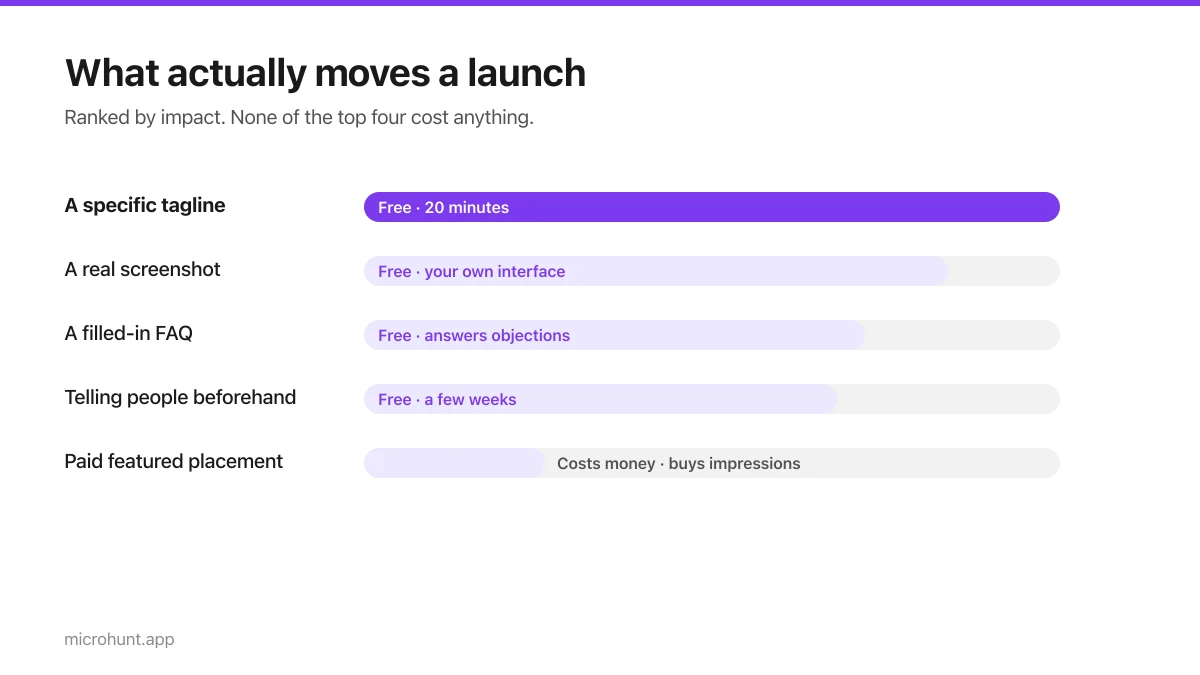
Free Launch Platforms for Indie Makers (No Budget Needed)
You do not need to pay to launch. Here are the places that are genuinely free, what each expects from you, and where paying is actually worth it.
7 min read
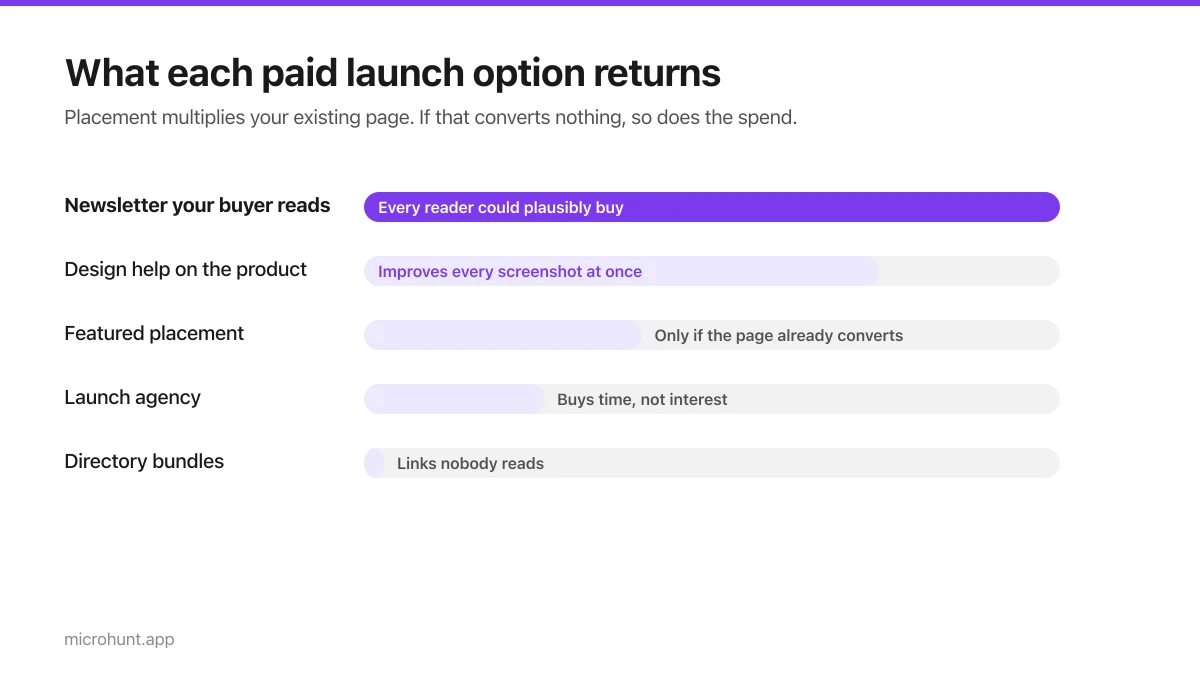
Free vs Paid Launch Platforms: What the Money Actually Buys
Paid placement, featured slots and submission services — what each one gets you, and the two cases where spending is genuinely worth it.
7 min read
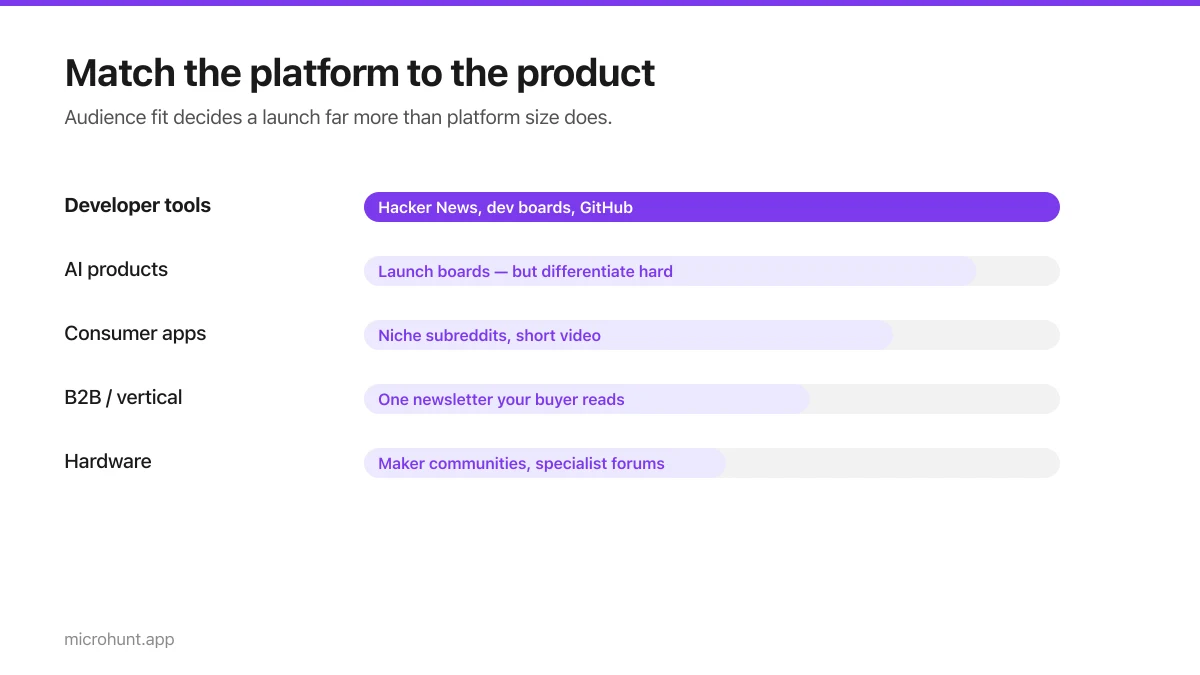
Best Product Hunt Alternatives for Launching in 2026
Where else to launch when Product Hunt is not the right fit — what each platform is actually good at, who shows up, and what it costs.
8 min read
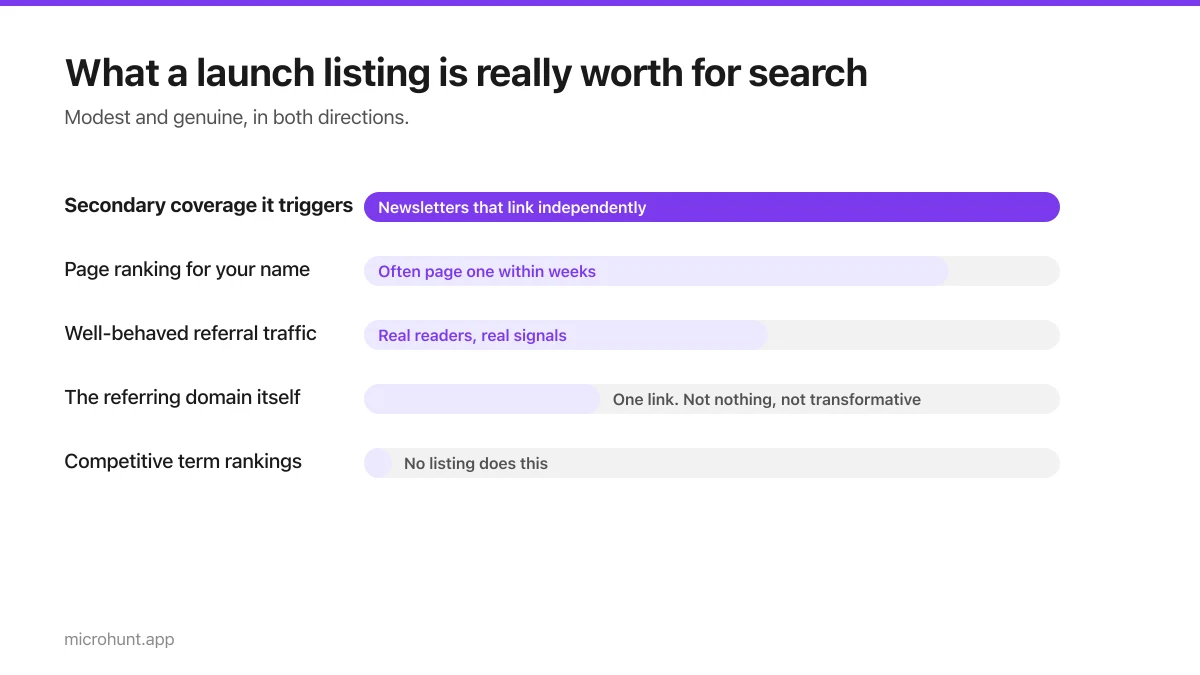
Do Launch Platforms Still Help Your SEO?
What a launch listing is actually worth for search, what it is not worth, and why the permanent page matters more than the spike.
8 min read
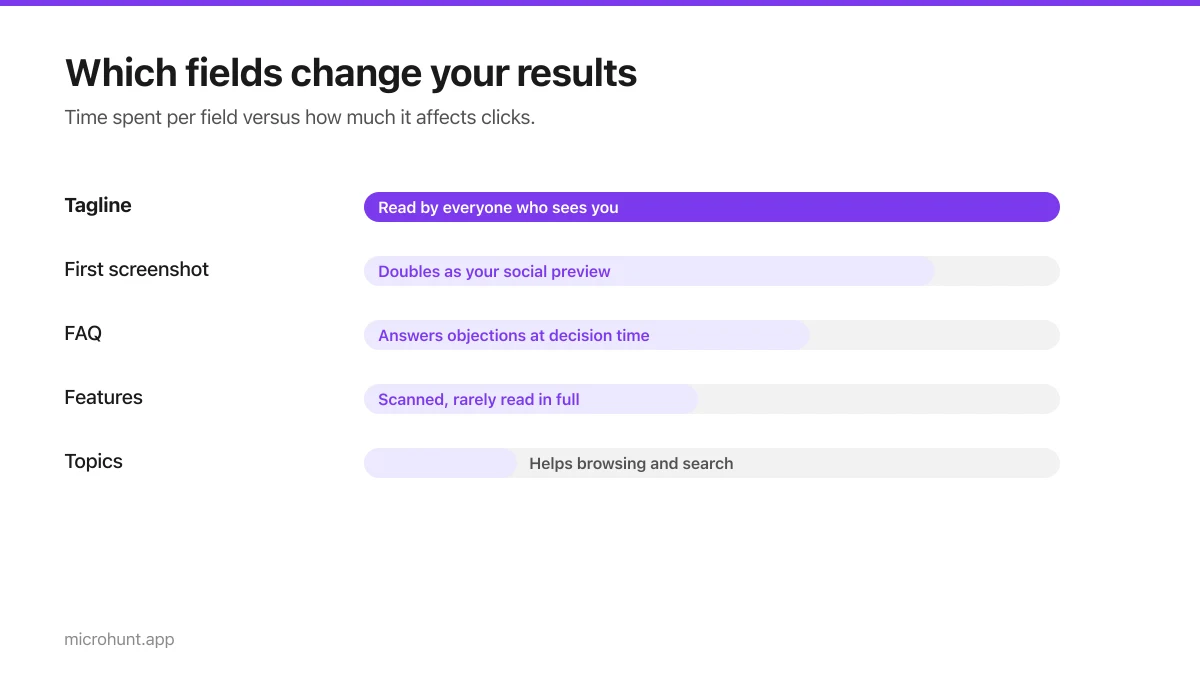
How to Submit a Product on Vuru (Step by Step)
A walk through the submission form, what each field does to your page, and the fields most people leave empty that they shouldn't.
7 min read
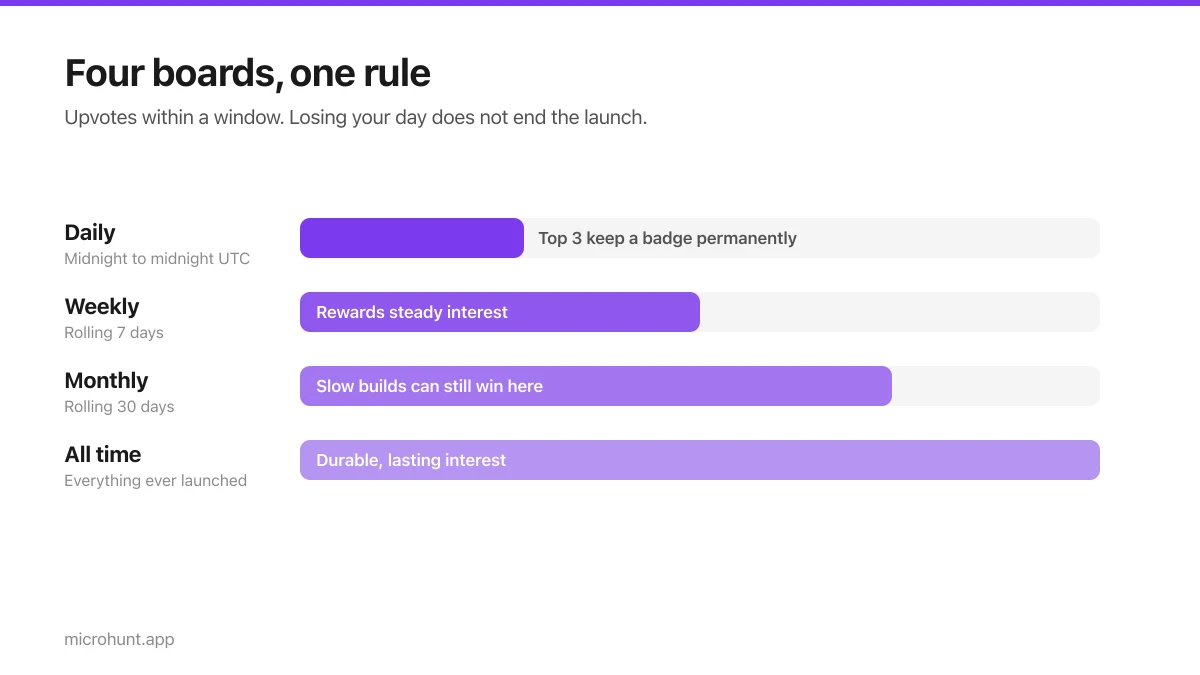
How Vuru Ranking Works (And How to Win a Badge)
Launch windows, upvotes, podium badges and what we do about vote manipulation — the whole ranking system explained plainly.
7 min read
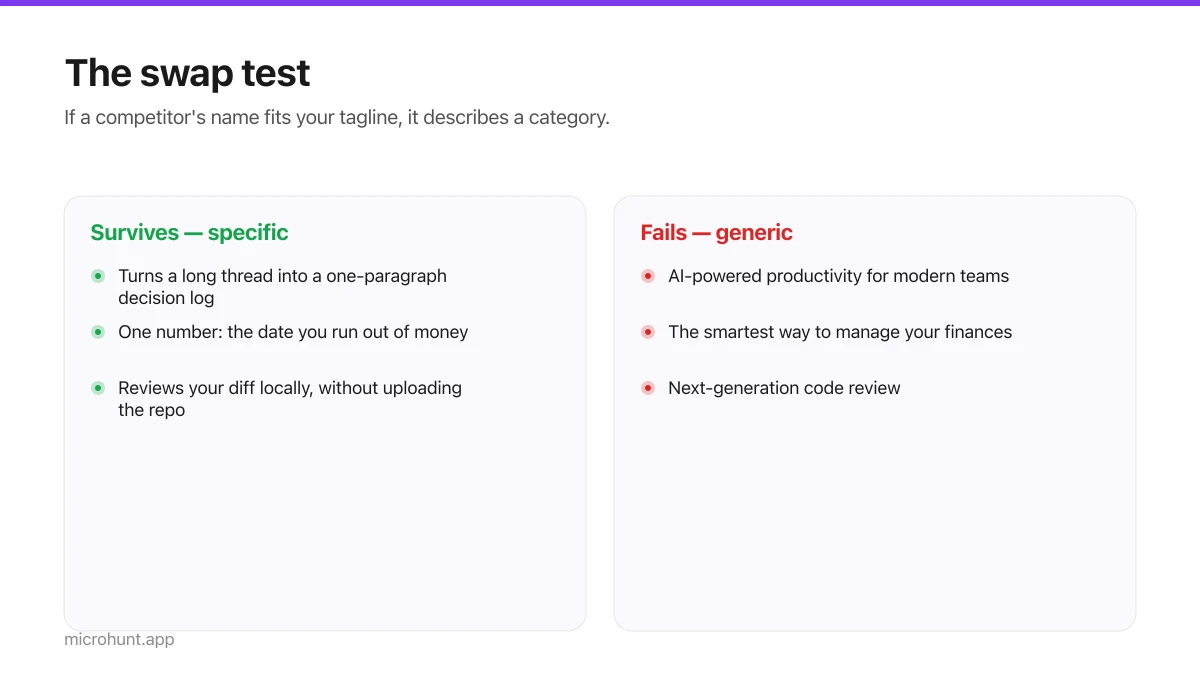
How to Write a Product Tagline That Actually Gets Clicked
The one line most people will ever read about your product, and a simple test for whether yours is doing any work.
7 min read
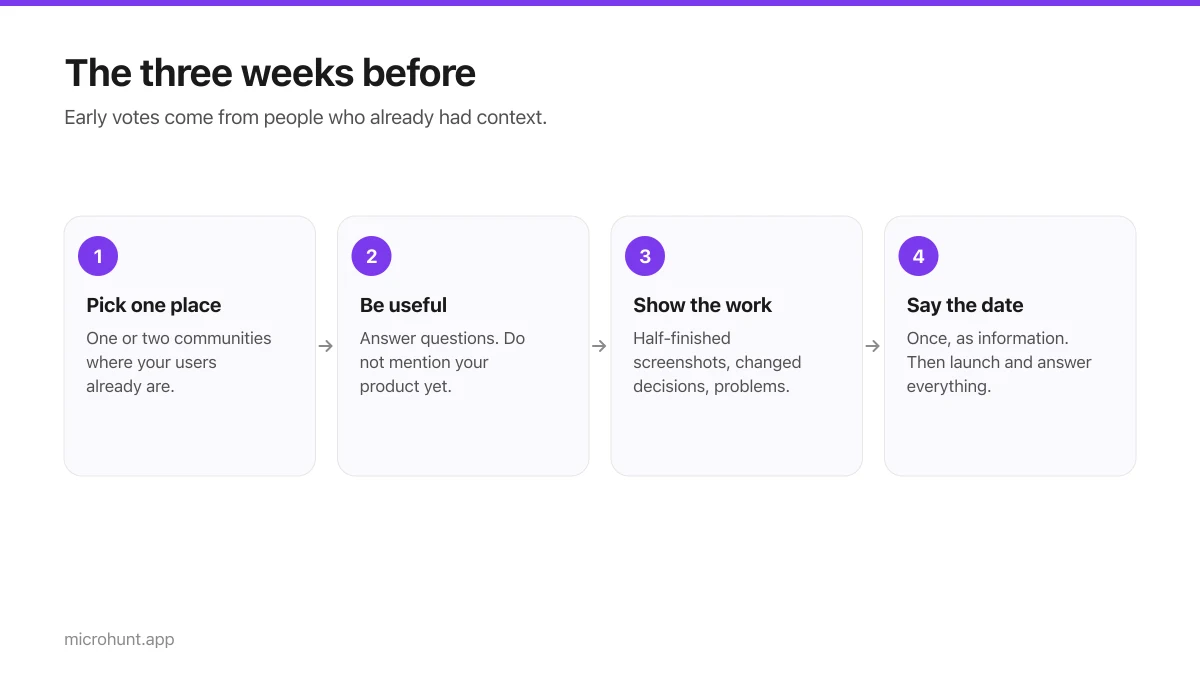
How to Get Your First Upvotes Without Begging
What actually generates early votes, why vote-for-vote groups do not work, and the approach that keeps paying off after launch day.
7 min read