Local Models
Inference that runs on your own hardware.
Nothing launched in this category yet.
Be the firstAbout Local Models
Running a model on your own hardware used to be a research exercise. It is now a practical choice, and for a specific set of problems it is the better one. The tools in this subcategory exist to make that choice easy: model runners, quantised builds, desktop front-ends, and applications that quietly ship inference inside themselves so you never think about it.
The case for local is straightforward. Nothing you type leaves the machine, which resolves the privacy question completely rather than through a promise in a policy. It works with no network. And the marginal cost per request is zero, which matters enormously for anything you run in a loop — bulk classification, transcription of a long archive, iterating on generated images, or an agent that makes many calls per task.
The case against is equally straightforward. Smaller models are less capable, particularly at long reasoning chains and obscure knowledge. Speed depends on your hardware, and on a laptop without a decent GPU or a modern unified-memory chip, the experience ranges from tolerable to unusable. And there is setup: model files are large, quantisation formats are confusing the first time, and the good defaults are not always obvious.
The most useful thing to know when comparing tools here is which of those three problems each one solves. Runners handle the plumbing and leave model choice to you. Desktop apps bundle sensible defaults and a chat interface, and hide the format question entirely. Embedded implementations — a transcription app or a note tool that just happens to run locally — are the ones most people should actually use, because the local part is an implementation detail rather than a project.
Hardware guidance in short: memory is the binding constraint more often than raw speed, because a model that does not fit runs at disk speed rather than chip speed. Roughly, a model needs about as many gigabytes as it has billions of parameters at eight-bit quantisation, and half that at four-bit. Fitting comfortably in memory matters more than the benchmark difference between two models of similar size.
Quality expectations should be calibrated by task. For summarising, extraction, classification, grammar, transcription and structured output, a small local model is frequently indistinguishable from a frontier one. For hard reasoning, current events and long multi-step work, it is not close. Choosing local well means knowing which of those you are doing.
From the blog
Reading on launching, ranking and local models.
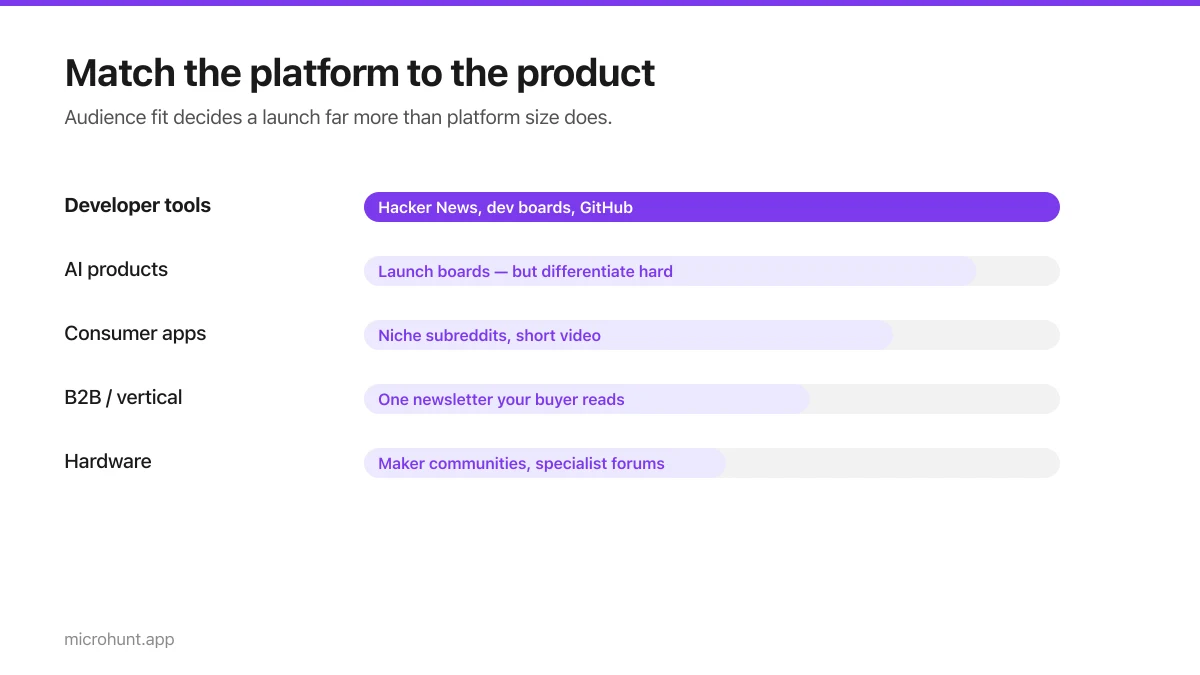
Best Product Hunt Alternatives for Launching in 2026
Where else to launch when Product Hunt is not the right fit — what each platform is actually good at, who shows up, and what it costs.
8 min read
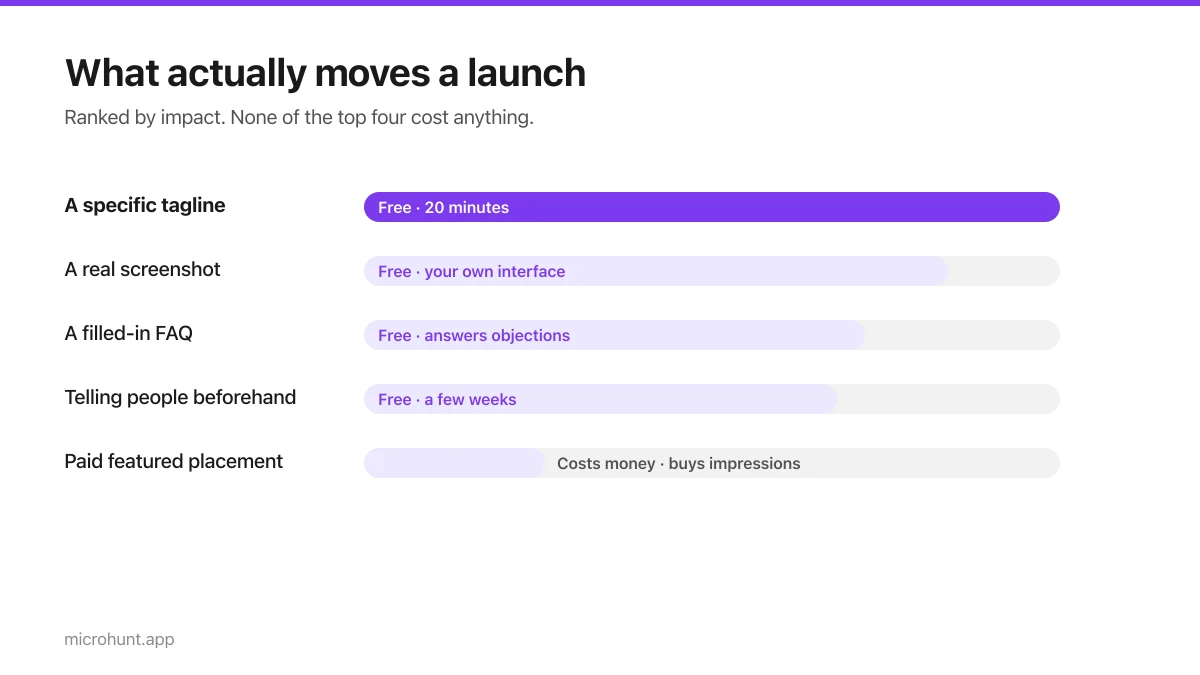
Free Launch Platforms for Indie Makers (No Budget Needed)
You do not need to pay to launch. Here are the places that are genuinely free, what each expects from you, and where paying is actually worth it.
7 min read
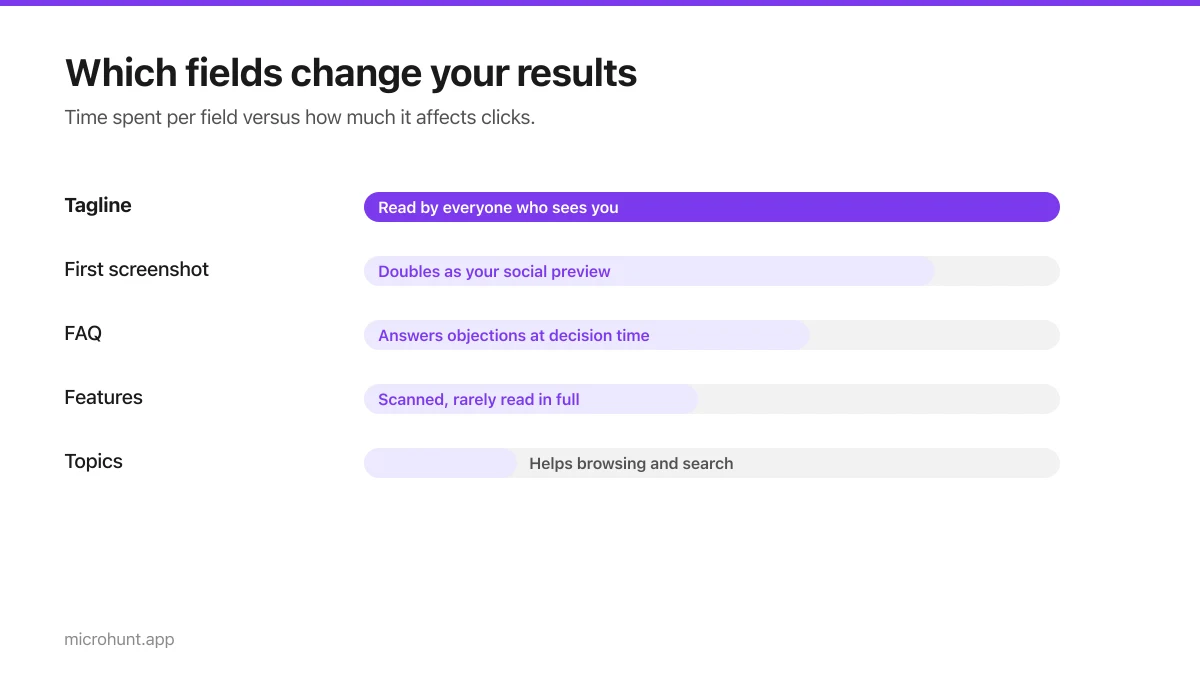
How to Submit a Product on Vuru (Step by Step)
A walk through the submission form, what each field does to your page, and the fields most people leave empty that they shouldn't.
7 min read
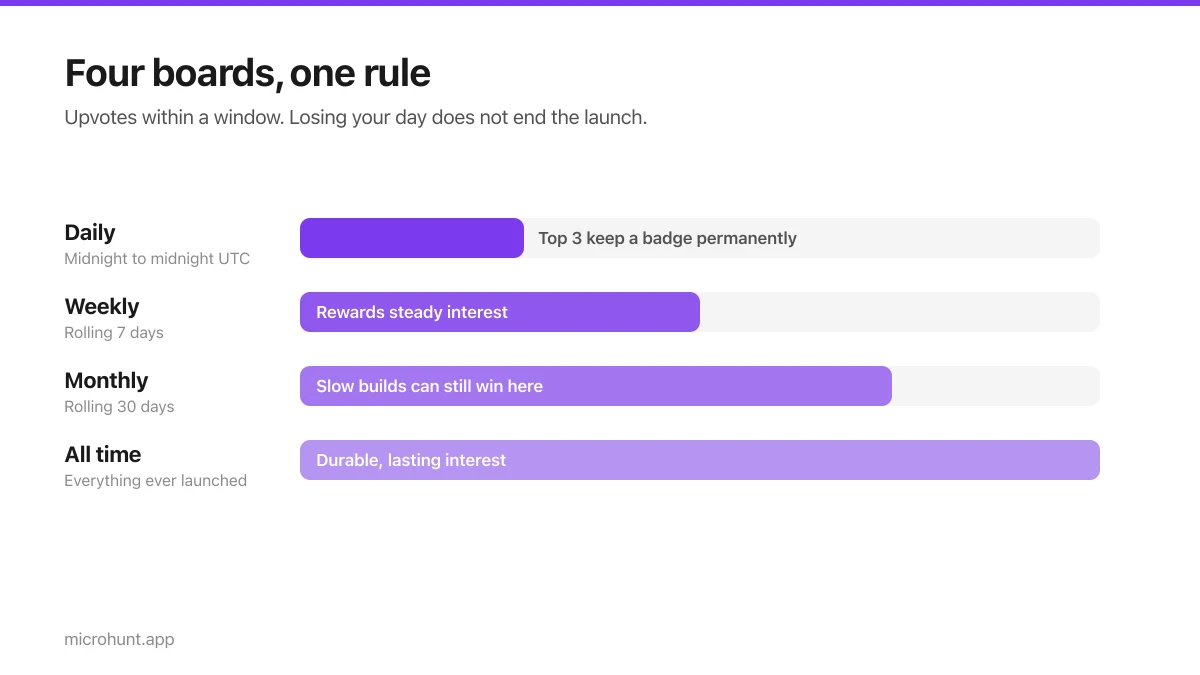
How Vuru Ranking Works (And How to Win a Badge)
Launch windows, upvotes, podium badges and what we do about vote manipulation — the whole ranking system explained plainly.
7 min read
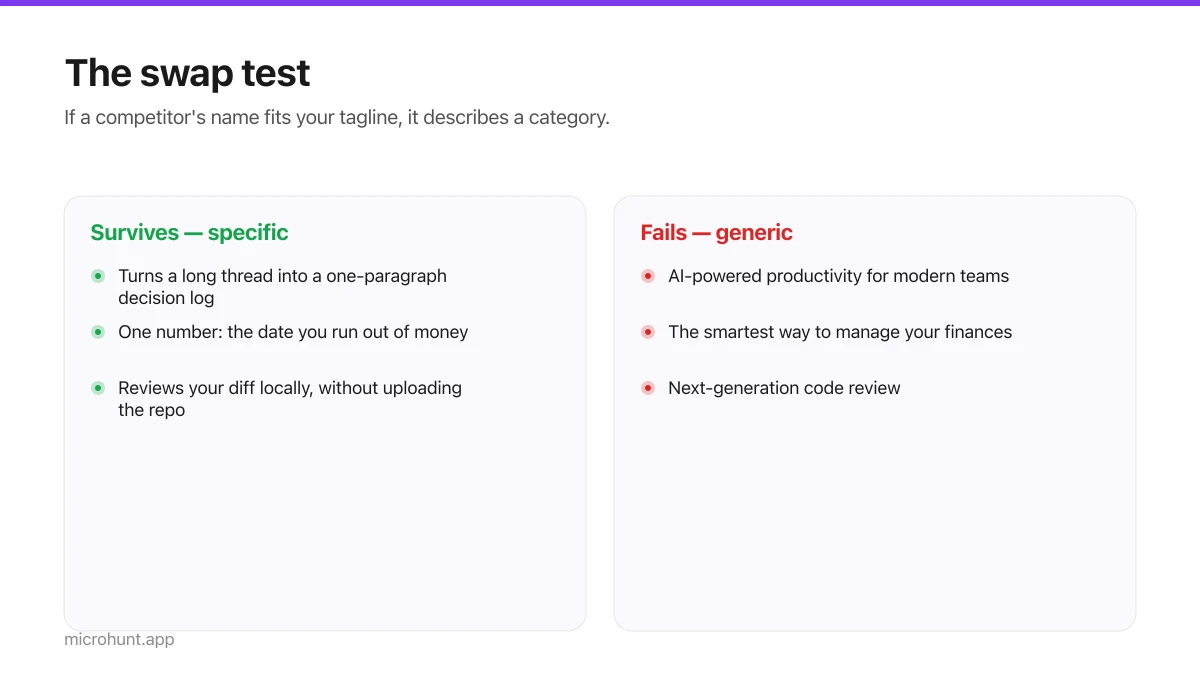
How to Write a Product Tagline That Actually Gets Clicked
The one line most people will ever read about your product, and a simple test for whether yours is doing any work.
7 min read
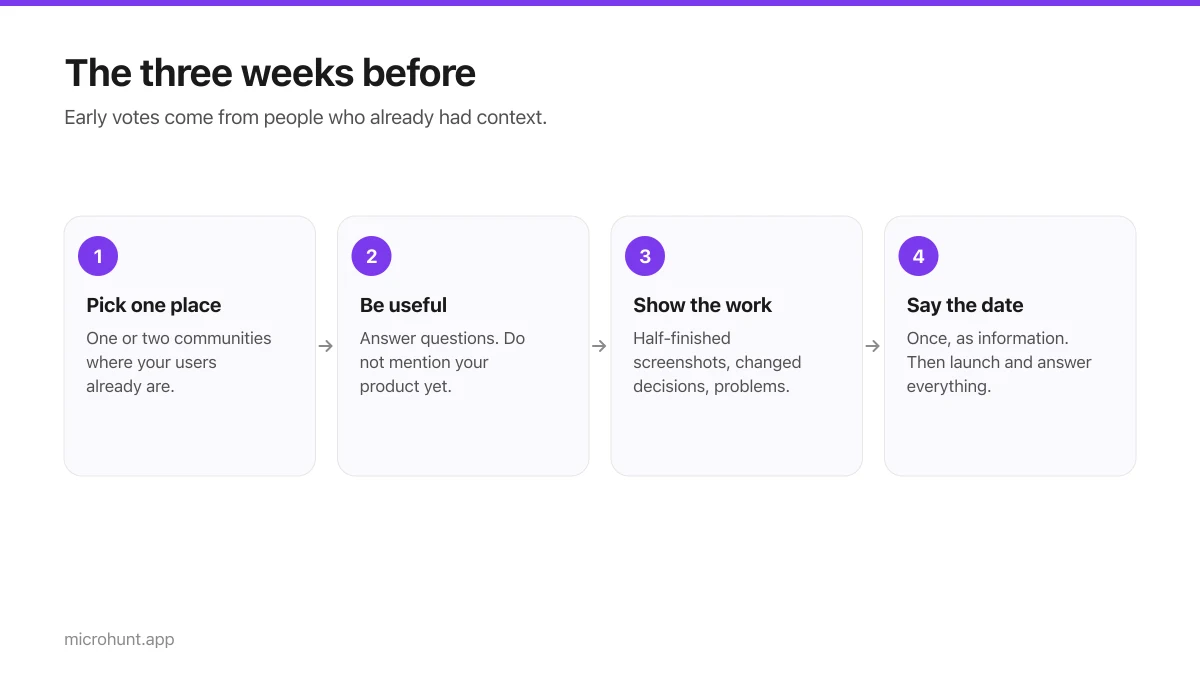
How to Get Your First Upvotes Without Begging
What actually generates early votes, why vote-for-vote groups do not work, and the approach that keeps paying off after launch day.
7 min read
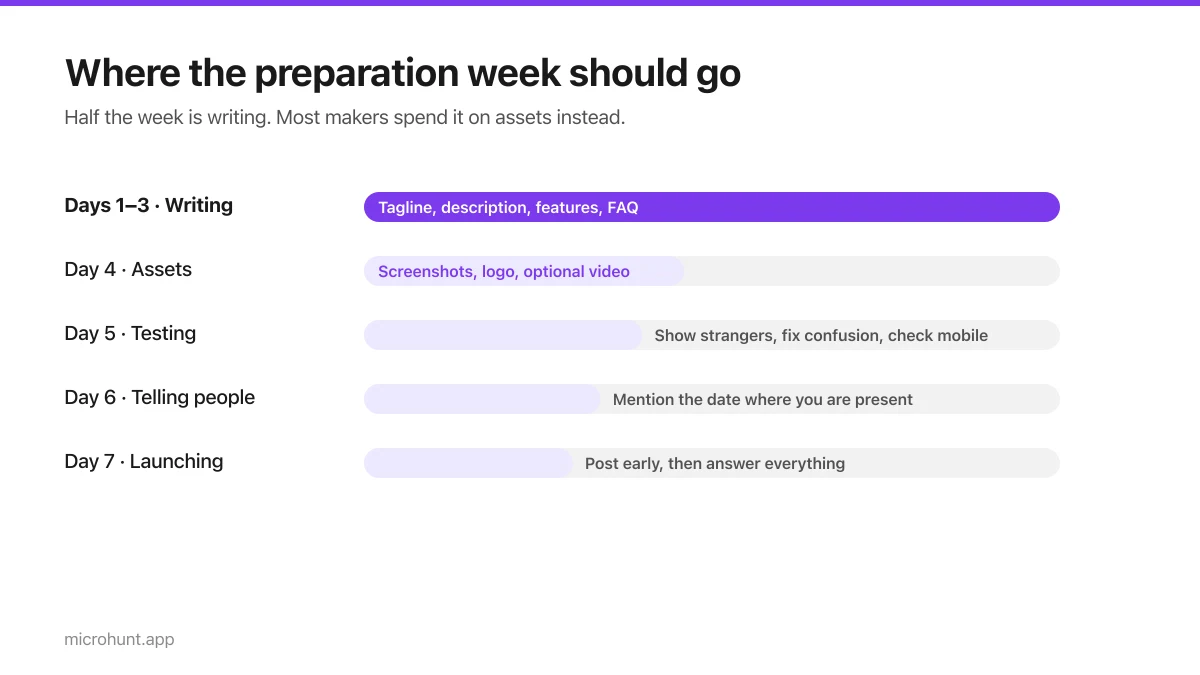
The Seven-Day Launch Checklist
A day-by-day plan for the week before you launch, weighted towards the things that actually change the outcome.
8 min read
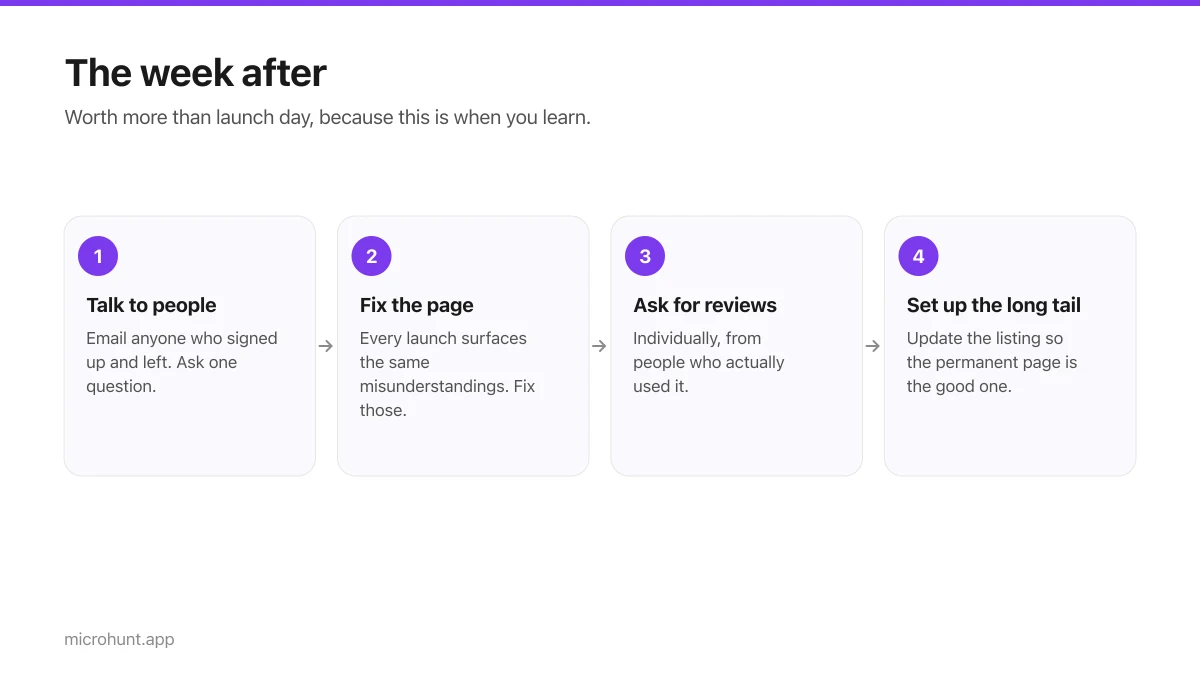
What to Do the Week After Launch Day
The traffic spike is over. Here is how to turn a day of attention into something that lasts longer than the graph.
7 min read