Meetings
Notes, transcripts, agendas and async alternatives.
Nothing launched in this category yet.
Be the firstAbout Meetings
Meeting tooling has changed more in the last three years than in the previous fifteen, mostly because transcription got good enough to be assumed. The launches here cover recording and transcription, automatic notes and action extraction, agenda and facilitation tools, asynchronous alternatives, and the analytics layer that tells an organisation how much of its week it is spending in rooms.
The transcription-and-summary group is the largest and the differences are practical rather than technical. Nearly all of them transcribe accurately enough now. What separates them is speaker attribution in a messy conversation, handling of jargon and names specific to your work, and whether the summary captures decisions and commitments rather than producing a fluent paragraph about what was discussed. A summary that says "the team discussed pricing" is worthless; one that says who agreed to do what by when is the entire value.
The consent question is not optional and is frequently glossed over. Recording rules differ by jurisdiction, some requiring all parties to agree. Tools that announce themselves in the room and make the recording state obvious are protecting you as well as the other participants. Tools that join silently are creating a problem you will own.
The asynchronous group is the more interesting one strategically, because the highest-value meeting tool is often the one that prevents the meeting. Structured written updates, recorded walkthroughs with threaded replies, and decision documents with an explicit deadline for objections replace a meaningful share of recurring meetings outright, and they leave a searchable record by default.
Facilitation tools — timed agendas, round-robin input, silent-writing phases, anonymous input before discussion — reliably improve the meetings that do need to happen. They work by removing the structural advantage of whoever speaks first and loudest, which is a real effect and larger than most people expect.
For the analytics layer, the honest caveat is that measuring meeting load changes behaviour more than any recommendation the tool makes. Simply publishing the number of hours a team spends in recurring meetings tends to cause some of them to be cancelled.
From the blog
Reading on launching, ranking and meetings.
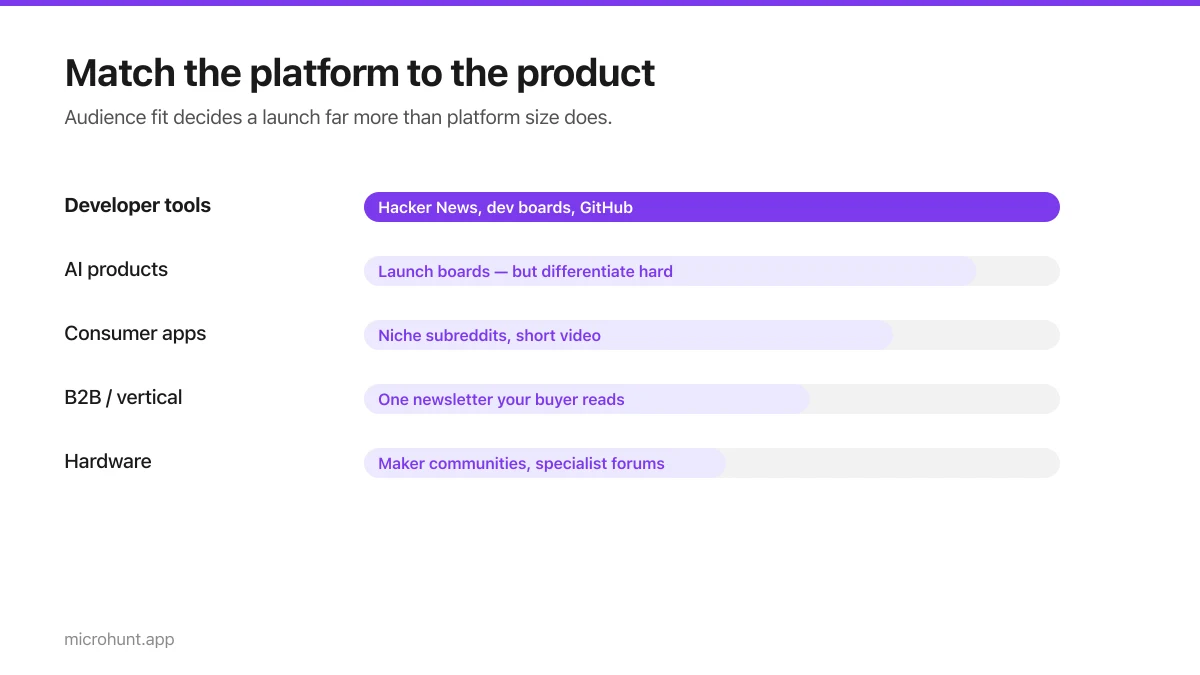
Best Product Hunt Alternatives for Launching in 2026
Where else to launch when Product Hunt is not the right fit — what each platform is actually good at, who shows up, and what it costs.
8 min read
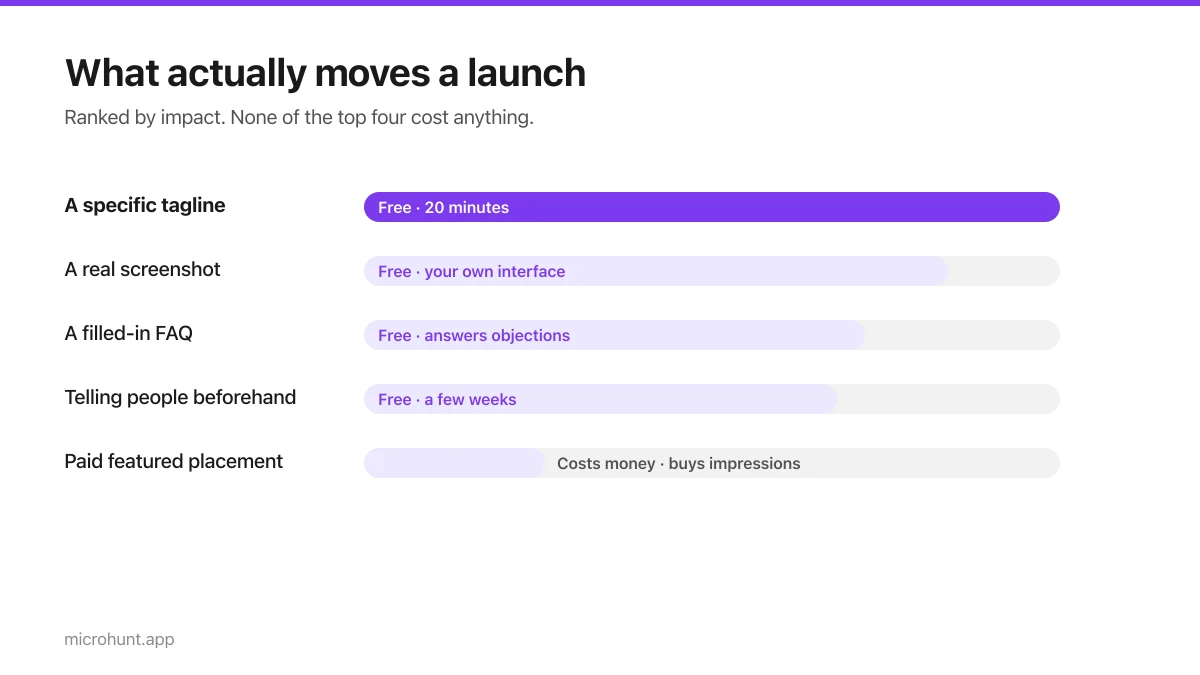
Free Launch Platforms for Indie Makers (No Budget Needed)
You do not need to pay to launch. Here are the places that are genuinely free, what each expects from you, and where paying is actually worth it.
7 min read
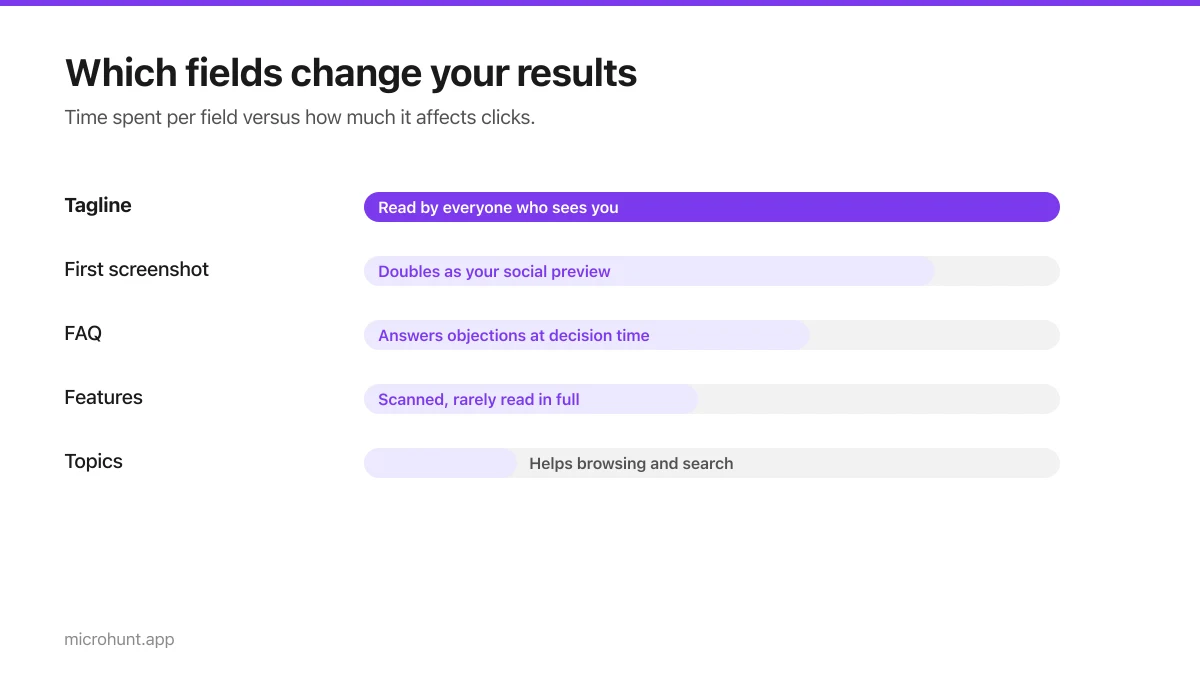
How to Submit a Product on Vuru (Step by Step)
A walk through the submission form, what each field does to your page, and the fields most people leave empty that they shouldn't.
7 min read
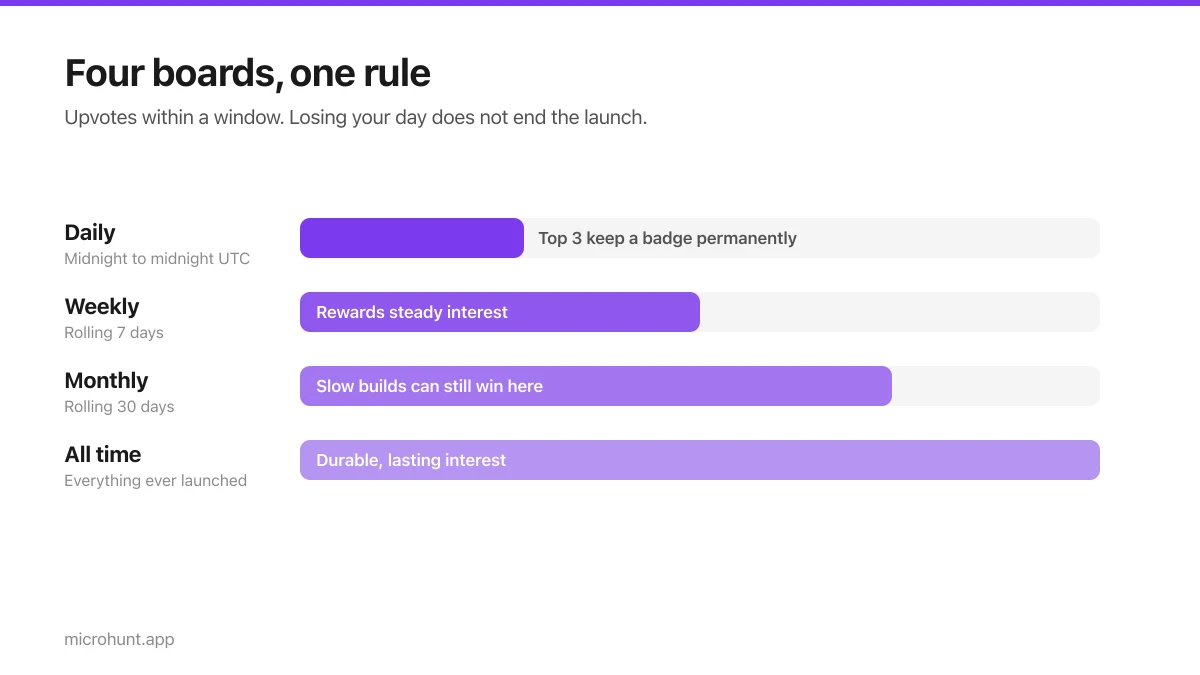
How Vuru Ranking Works (And How to Win a Badge)
Launch windows, upvotes, podium badges and what we do about vote manipulation — the whole ranking system explained plainly.
7 min read
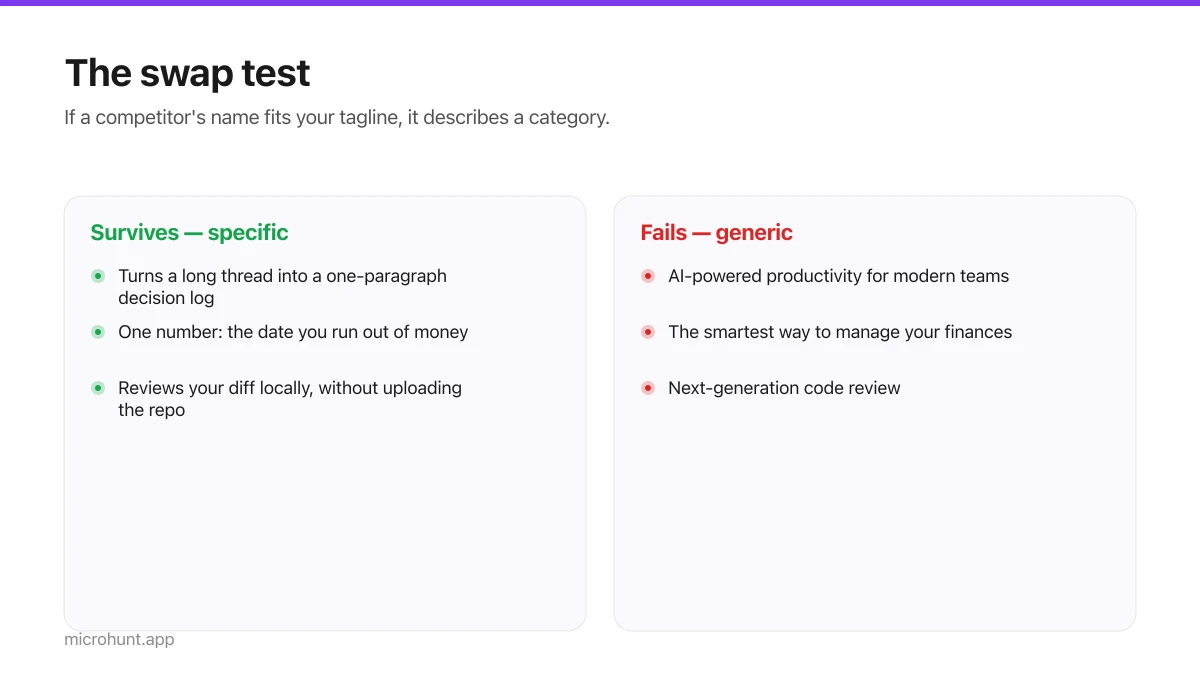
How to Write a Product Tagline That Actually Gets Clicked
The one line most people will ever read about your product, and a simple test for whether yours is doing any work.
7 min read
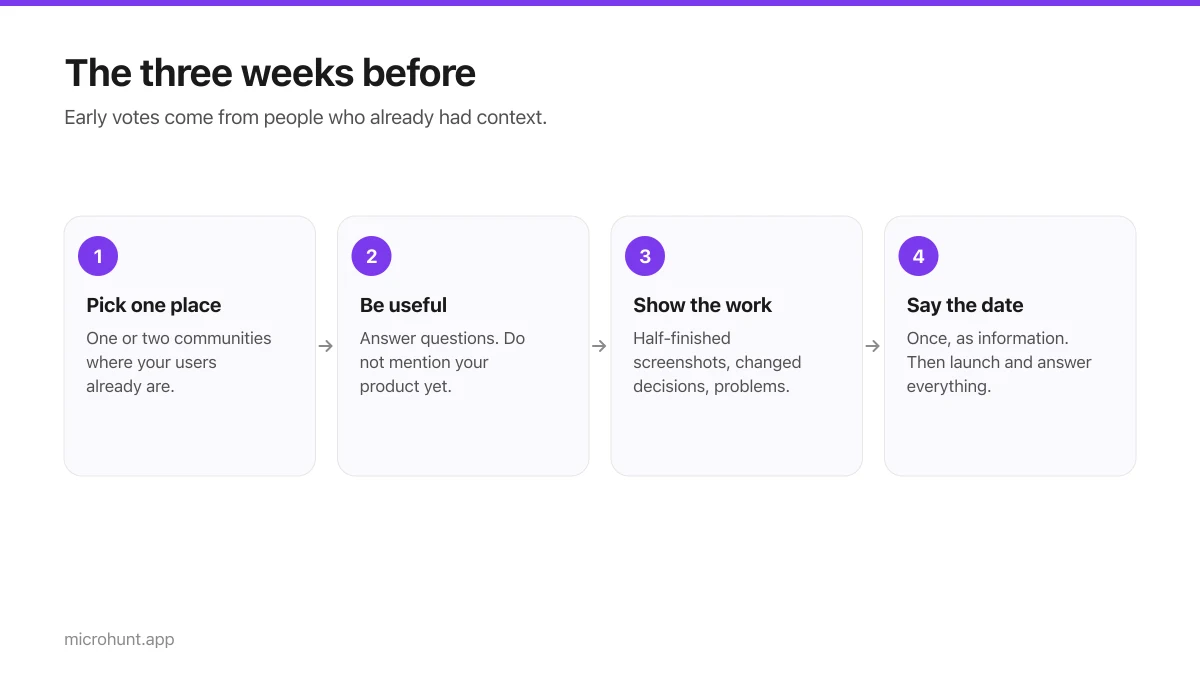
How to Get Your First Upvotes Without Begging
What actually generates early votes, why vote-for-vote groups do not work, and the approach that keeps paying off after launch day.
7 min read
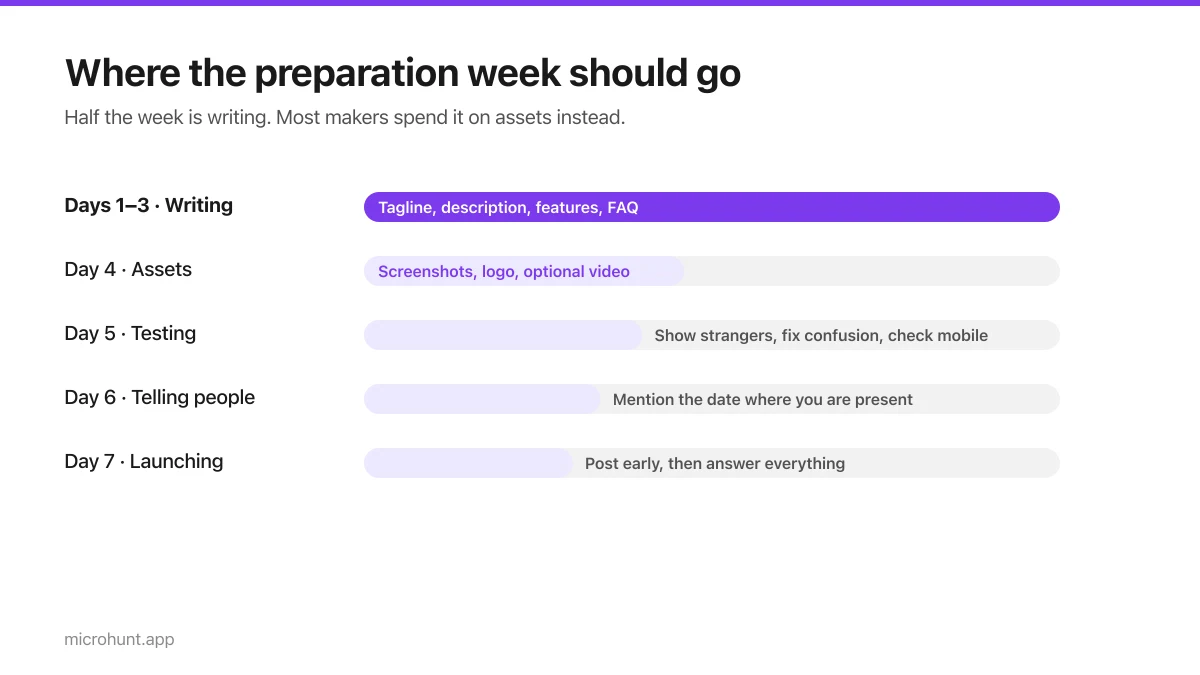
The Seven-Day Launch Checklist
A day-by-day plan for the week before you launch, weighted towards the things that actually change the outcome.
8 min read
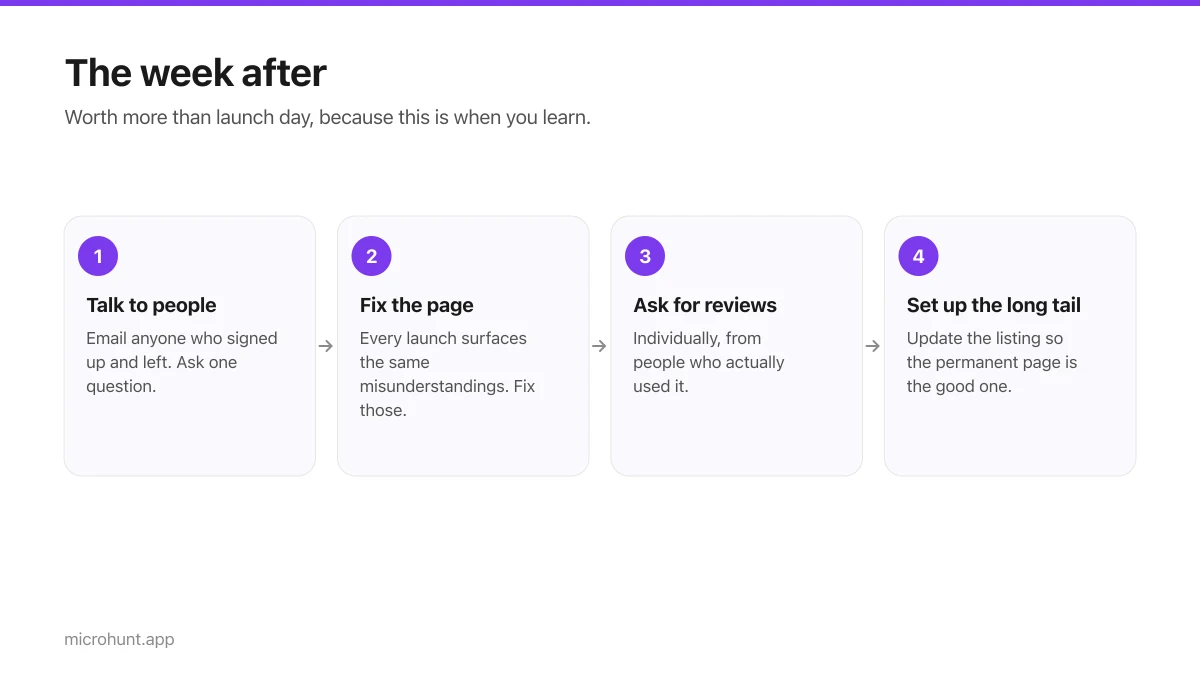
What to Do the Week After Launch Day
The traffic spike is over. Here is how to turn a day of attention into something that lasts longer than the graph.
7 min read