Secrets Management
Keys, tokens and environment configuration.
Nothing launched in this category yet.
Be the firstAbout Secrets Management
Secrets management is the discipline of keeping credentials out of your code and controlling who and what can use them. It is unglamorous, it is the source of a large share of real breaches, and the tooling for it is genuinely good — which makes the persistence of API keys in repositories one of the more avoidable problems in software.
The baseline is straightforward: secrets do not go in source control, they are injected at runtime from a store, and every environment has its own. Getting this far removes the most common exposure path, which is a repository becoming public or a laptop being compromised with a full history on it. Scanning tools that block a commit containing something that looks like a key are cheap and catch the mistake at the only point where fixing it is easy.
Rotation is where practice usually falls down. A secret that has never been rotated is one where every person who has ever had access still effectively has it, including people who left. The tooling that makes rotation routine — short-lived credentials issued on demand rather than long-lived keys distributed to services — is a meaningfully better model, because a credential valid for an hour is much less interesting to steal.
For applications, the strongest pattern available now is workload identity: a service proves what it is to the platform and receives a scoped, temporary credential, with no static secret existing anywhere. Where the platform supports it, this eliminates the category of problem rather than managing it.
Access control and audit are what distinguish a secrets manager from an encrypted file. Knowing which service read which secret and when is the difference between a contained incident and a full credential rotation across an entire estate, because without the audit trail you cannot scope the blast radius and must assume the worst.
If a secret is exposed, the order is: revoke first, then investigate. Removing it from the repository history does not help, because it was public and anything public is scraped within minutes. Treat every exposed key as compromised regardless of how briefly it was visible.
For personal credentials rather than machine ones, see [password managers](/categories/password-managers).
From the blog
Reading on launching, ranking and secrets management.
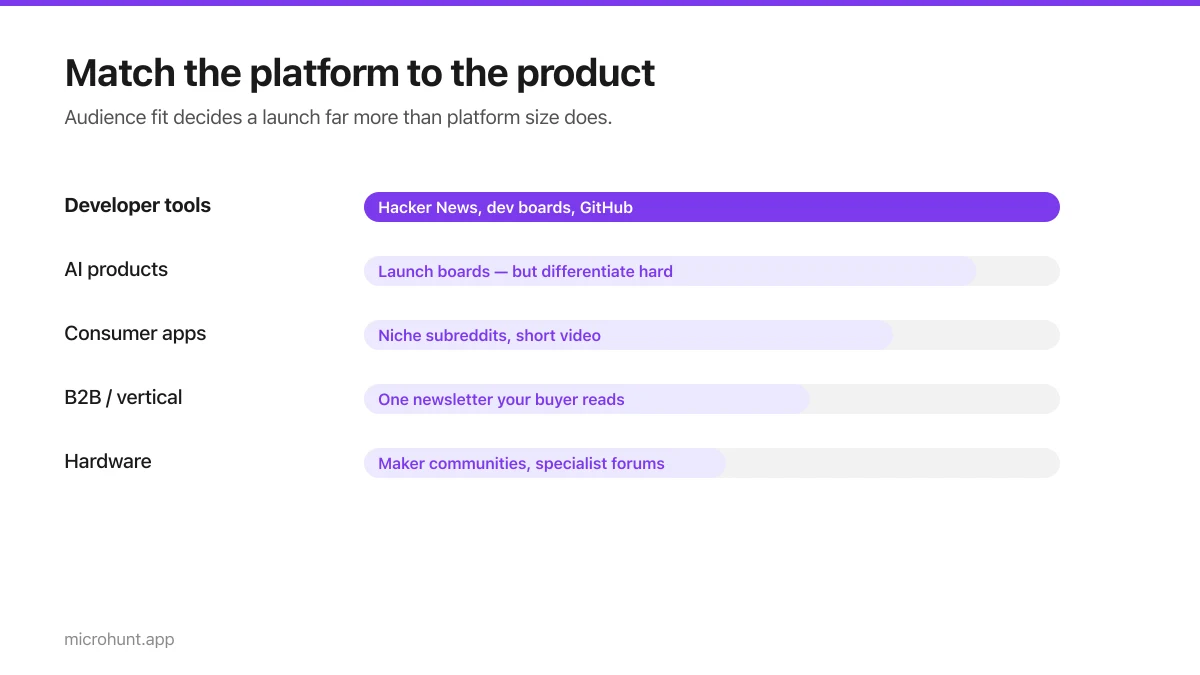
Best Product Hunt Alternatives for Launching in 2026
Where else to launch when Product Hunt is not the right fit — what each platform is actually good at, who shows up, and what it costs.
8 min read
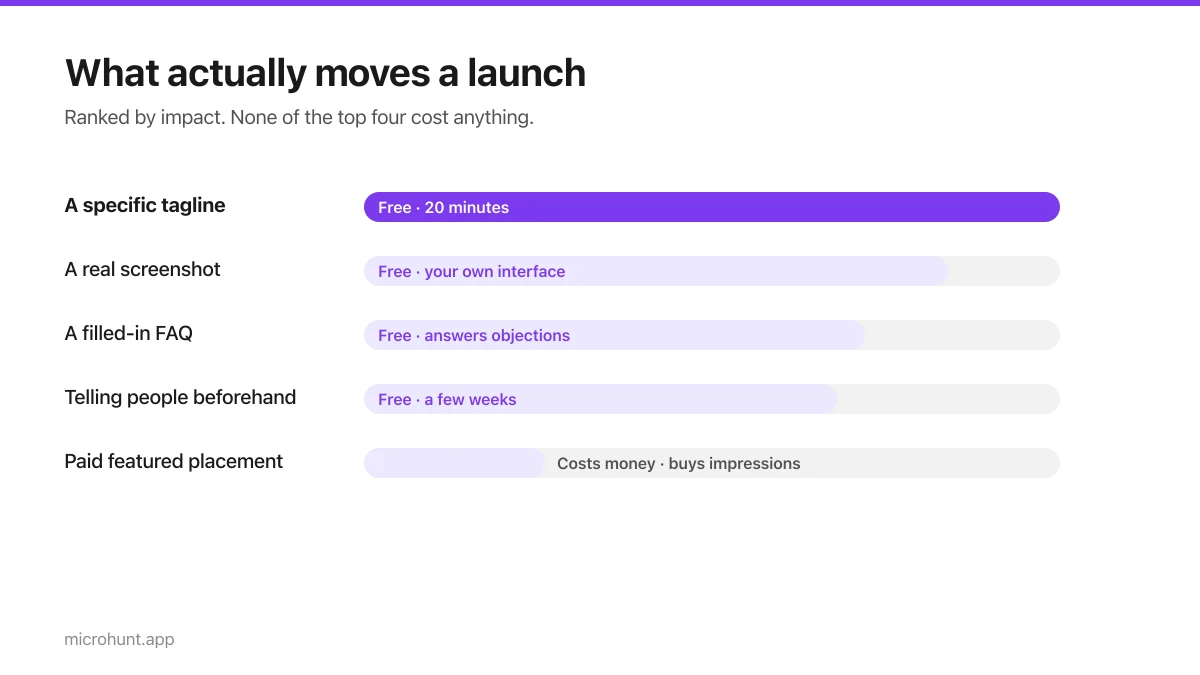
Free Launch Platforms for Indie Makers (No Budget Needed)
You do not need to pay to launch. Here are the places that are genuinely free, what each expects from you, and where paying is actually worth it.
7 min read
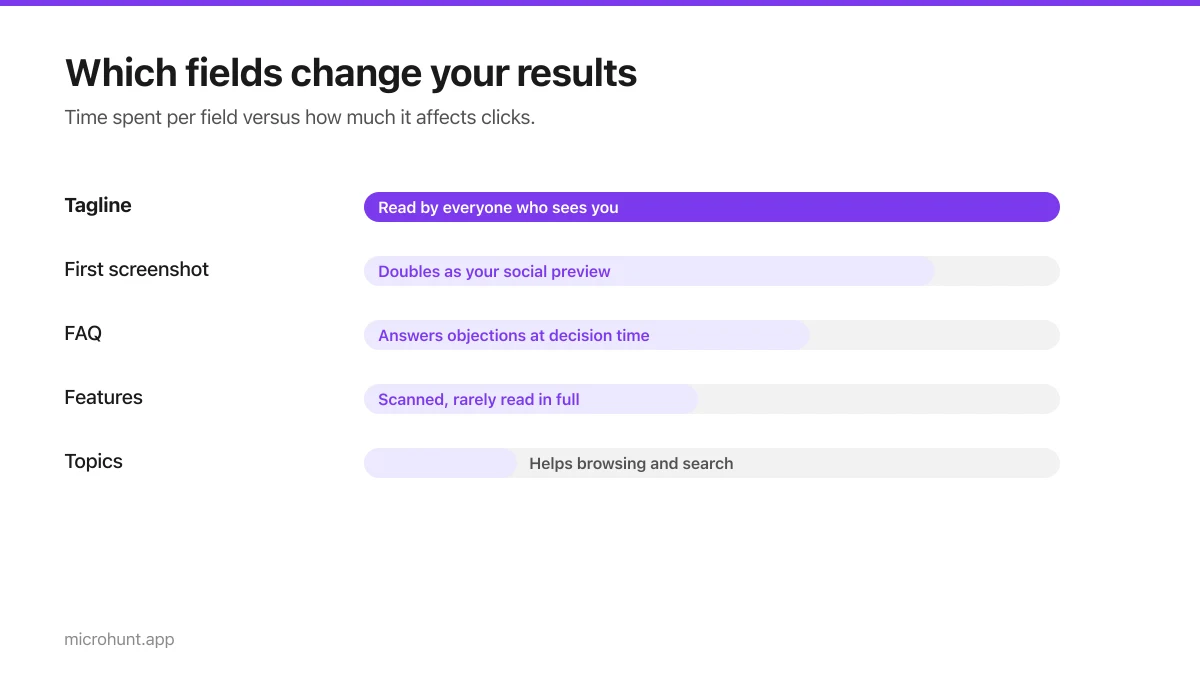
How to Submit a Product on Vuru (Step by Step)
A walk through the submission form, what each field does to your page, and the fields most people leave empty that they shouldn't.
7 min read
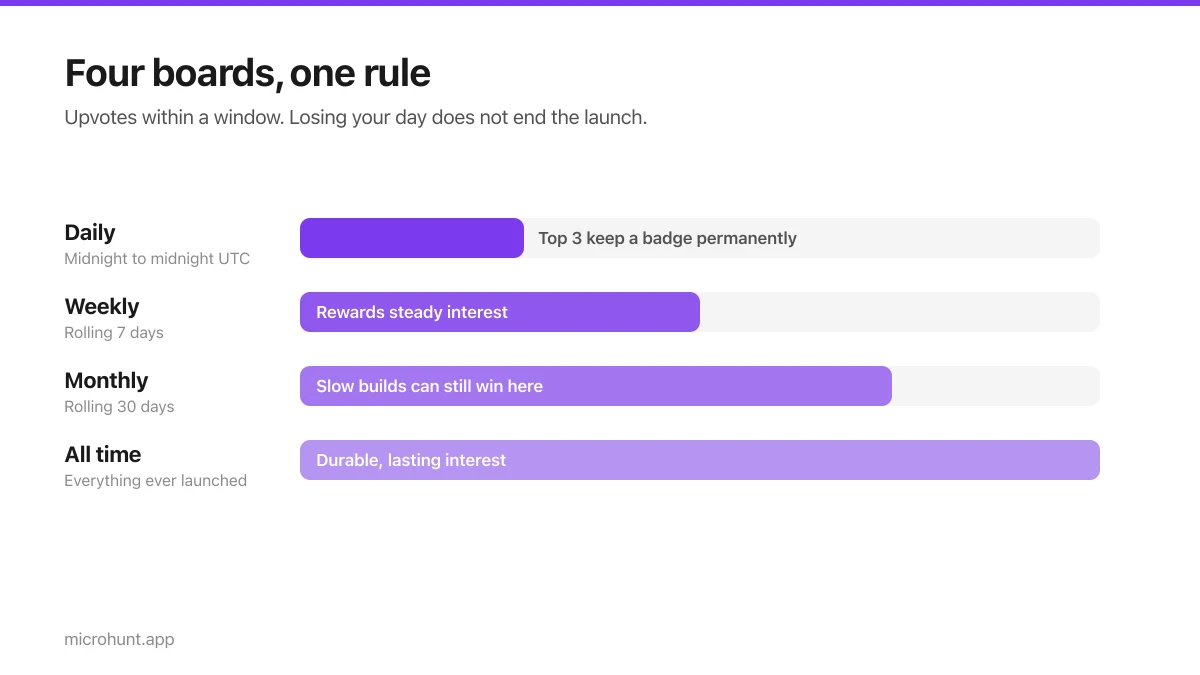
How Vuru Ranking Works (And How to Win a Badge)
Launch windows, upvotes, podium badges and what we do about vote manipulation — the whole ranking system explained plainly.
7 min read
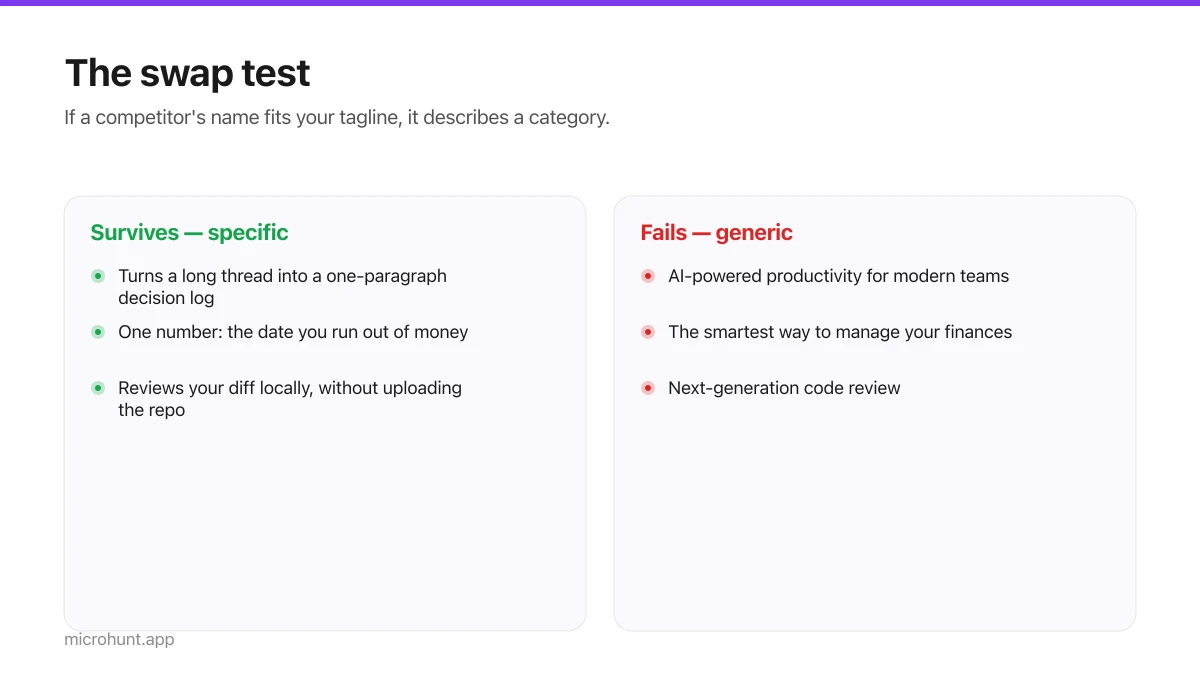
How to Write a Product Tagline That Actually Gets Clicked
The one line most people will ever read about your product, and a simple test for whether yours is doing any work.
7 min read
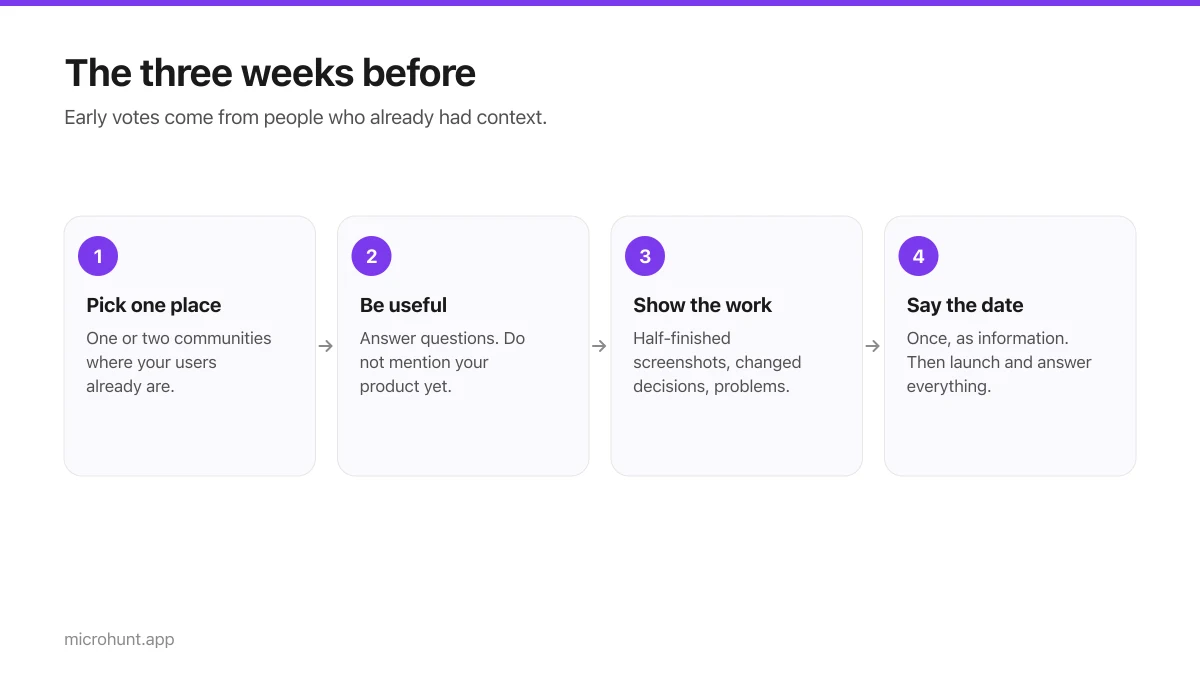
How to Get Your First Upvotes Without Begging
What actually generates early votes, why vote-for-vote groups do not work, and the approach that keeps paying off after launch day.
7 min read
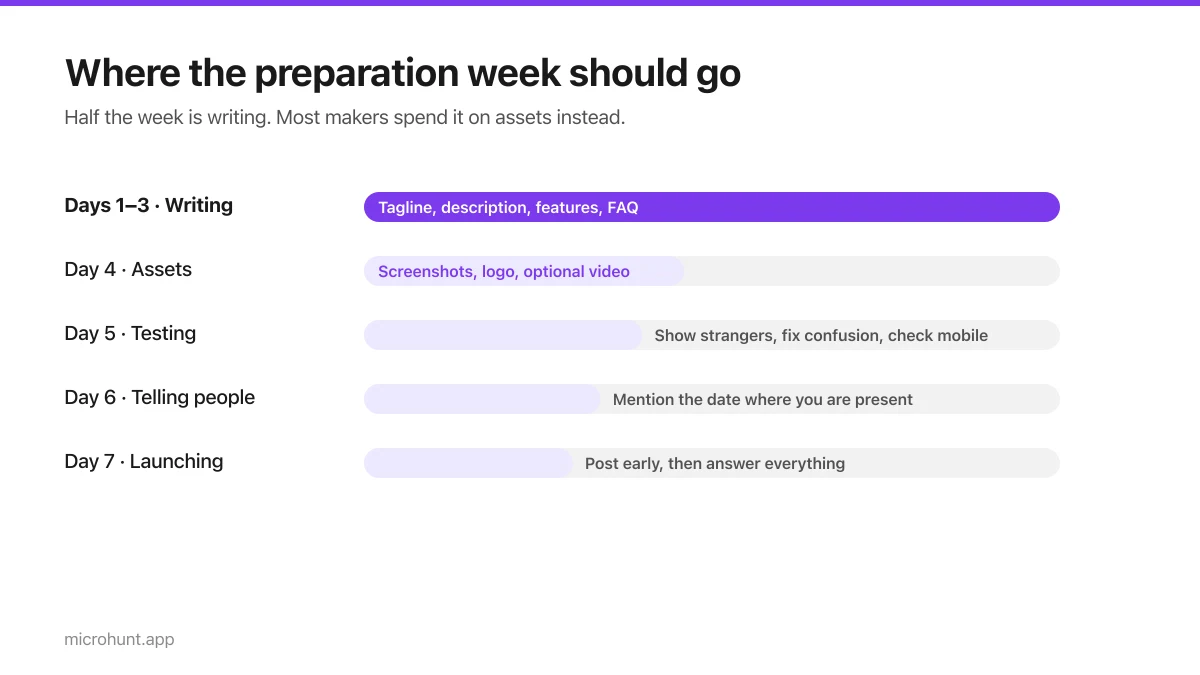
The Seven-Day Launch Checklist
A day-by-day plan for the week before you launch, weighted towards the things that actually change the outcome.
8 min read
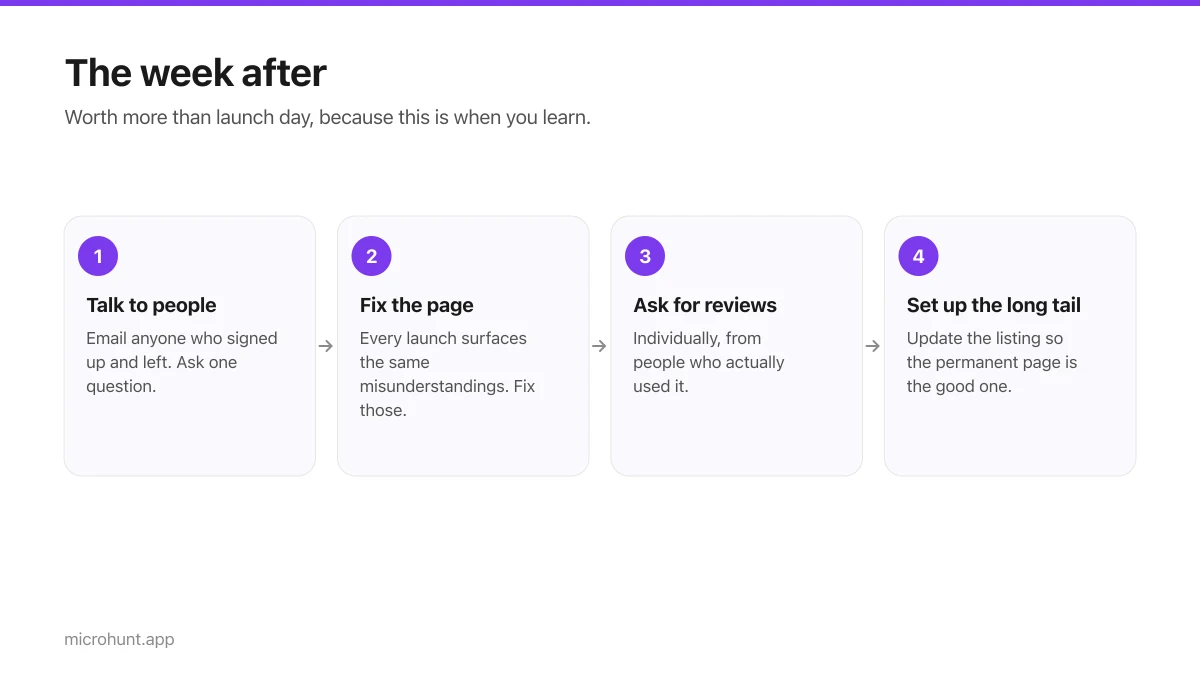
What to Do the Week After Launch Day
The traffic spike is over. Here is how to turn a day of attention into something that lasts longer than the graph.
7 min read