Applicant Tracking
Pipelines, scorecards and structured hiring.
Nothing launched in this category yet.
Be the firstAbout Applicant Tracking
Applicant tracking systems manage hiring from application to offer, and they have an unusually poor reputation with the people who interact with them most. Some of that is deserved and some is misdirected — much of what candidates hate is a company's process expressed through the software rather than the software itself.
For small companies, the honest starting point is that a spreadsheet works for a handful of roles and stops working around the point where more than one person is involved or applications exceed what one person can hold in their head. What a proper system provides is a shared view of where every candidate is, a record of what was said, structured feedback from interviewers, and the compliance record you will want later.
Candidate experience is where systems differ most and where the cost of a bad one is real. Application forms requiring a resume upload followed by manually retyping the same information are the canonical complaint and are entirely avoidable. Long forms reduce completion, and they reduce it most among candidates with other options. Every additional required field is a filter, and it is not filtering for the quality you want.
Communication is the other half. The single most common complaint about hiring is silence, and it is a solved problem: automated but honest status updates, and a rejection that is sent rather than not sent. Systems that make this easy improve how a company is perceived by dozens of people per role, most of whom will not be hired and some of whom are customers.
On automated screening and ranking, be cautious. Tools that score or rank candidates algorithmically carry real risk of encoding bias from historical hiring data, and this is increasingly a regulated area with requirements for disclosure and bias auditing in several jurisdictions. Understand what any scoring feature is actually doing before turning it on, and be aware that "the vendor said it was fine" is not a defence.
Structured interviewing support — defined questions, scorecards completed before discussion — is the feature with the best evidence behind it for actually improving hiring decisions, and it is frequently the one teams skip.
Data retention matters: applications contain personal data with defined retention limits in most places.
From the blog
Reading on launching, ranking and applicant tracking.
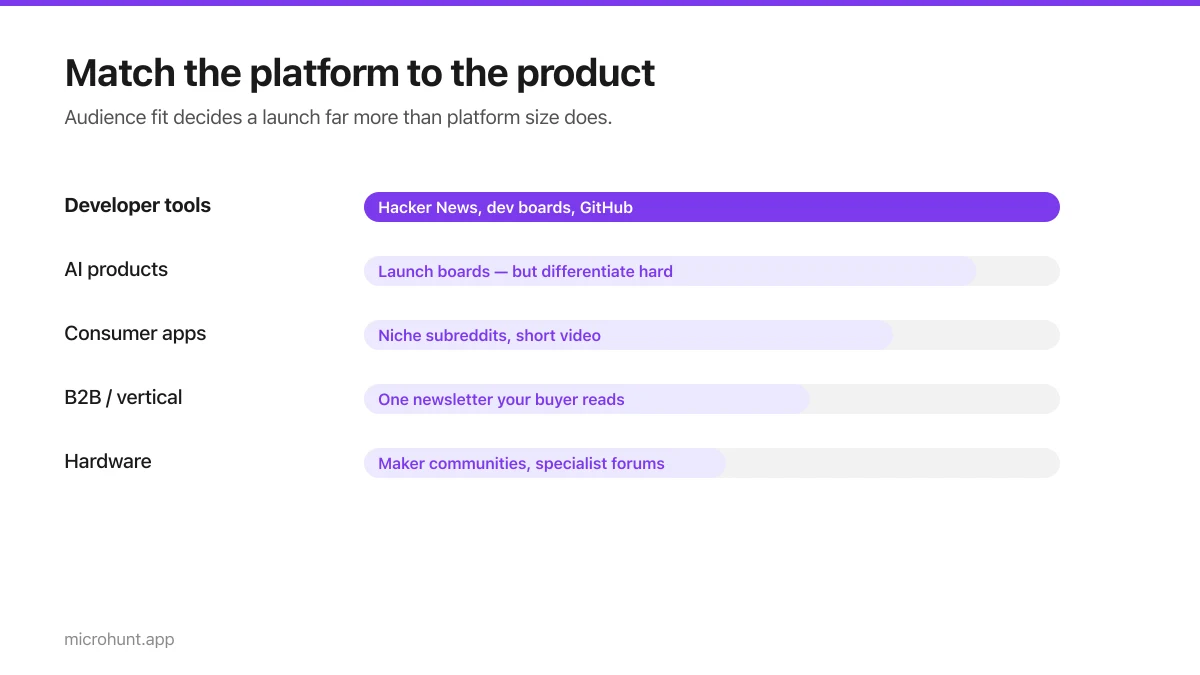
Best Product Hunt Alternatives for Launching in 2026
Where else to launch when Product Hunt is not the right fit — what each platform is actually good at, who shows up, and what it costs.
8 min read
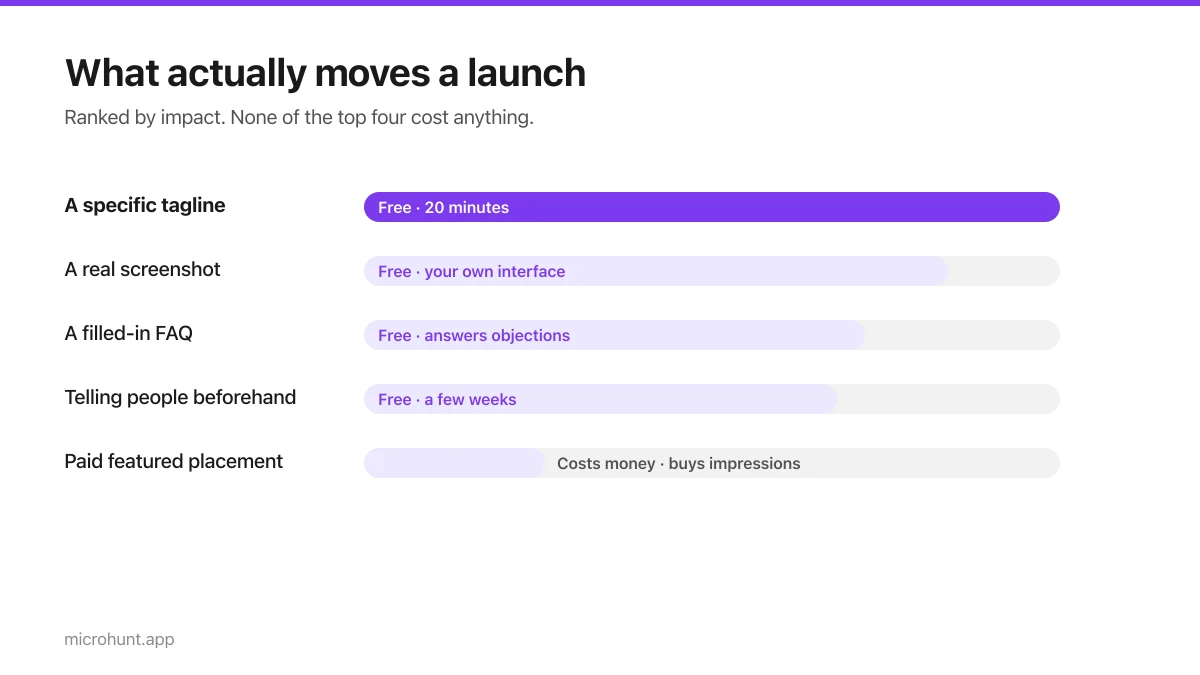
Free Launch Platforms for Indie Makers (No Budget Needed)
You do not need to pay to launch. Here are the places that are genuinely free, what each expects from you, and where paying is actually worth it.
7 min read
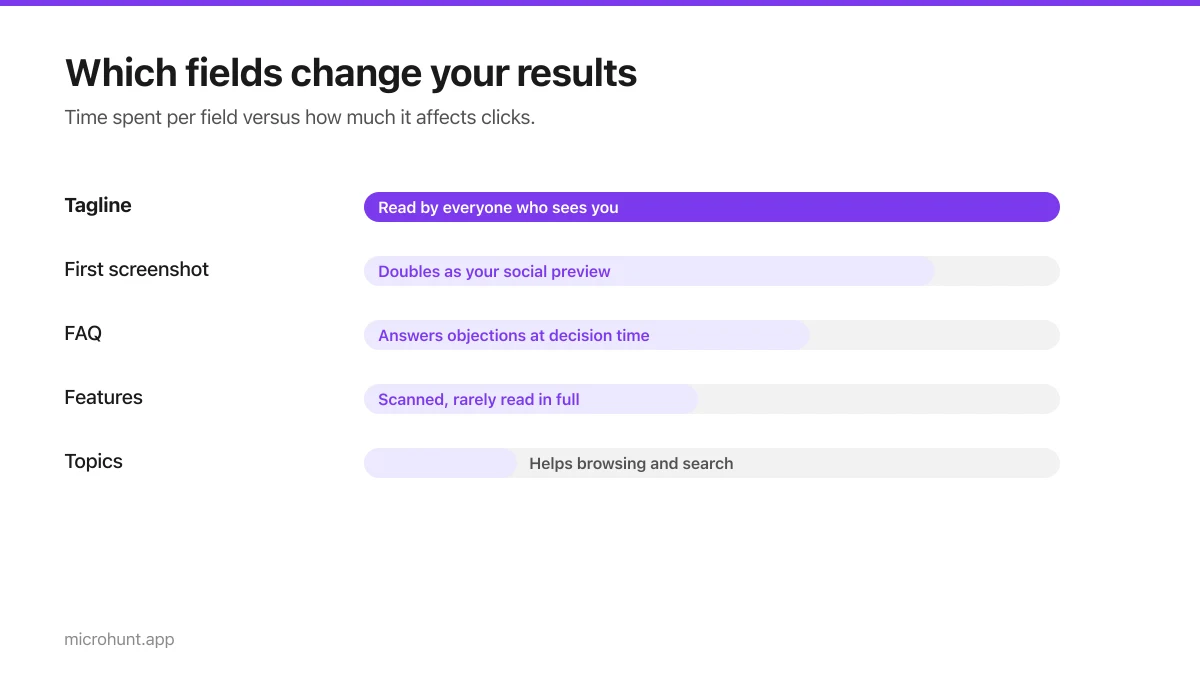
How to Submit a Product on Vuru (Step by Step)
A walk through the submission form, what each field does to your page, and the fields most people leave empty that they shouldn't.
7 min read
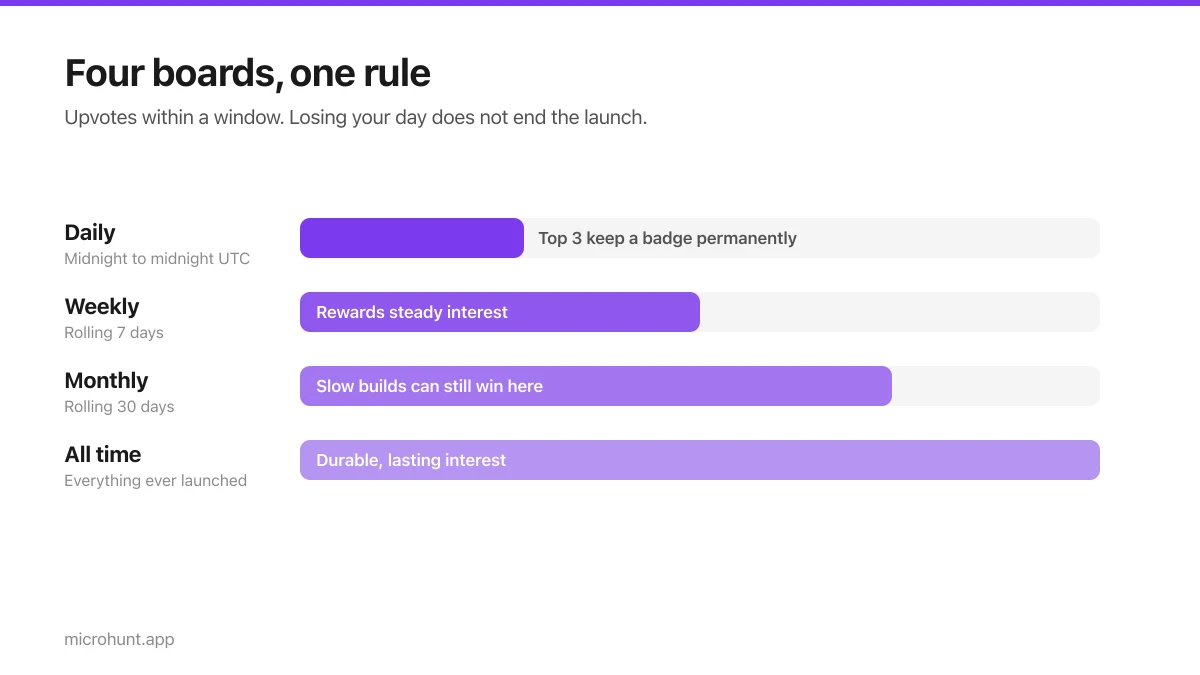
How Vuru Ranking Works (And How to Win a Badge)
Launch windows, upvotes, podium badges and what we do about vote manipulation — the whole ranking system explained plainly.
7 min read
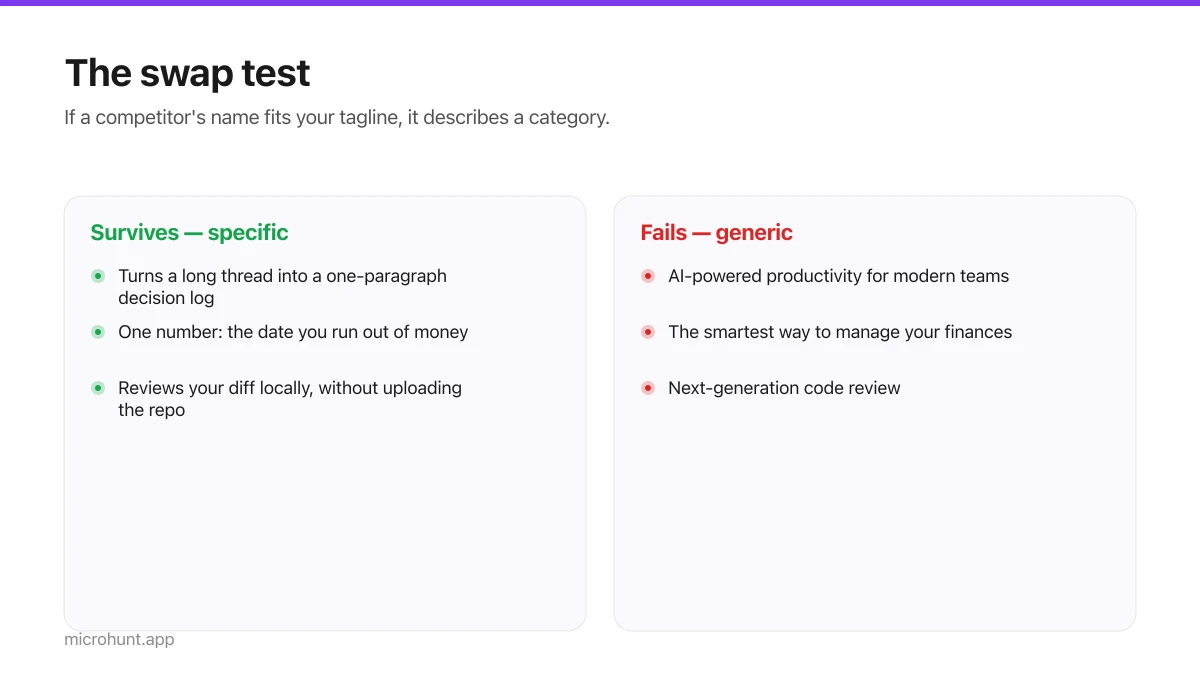
How to Write a Product Tagline That Actually Gets Clicked
The one line most people will ever read about your product, and a simple test for whether yours is doing any work.
7 min read
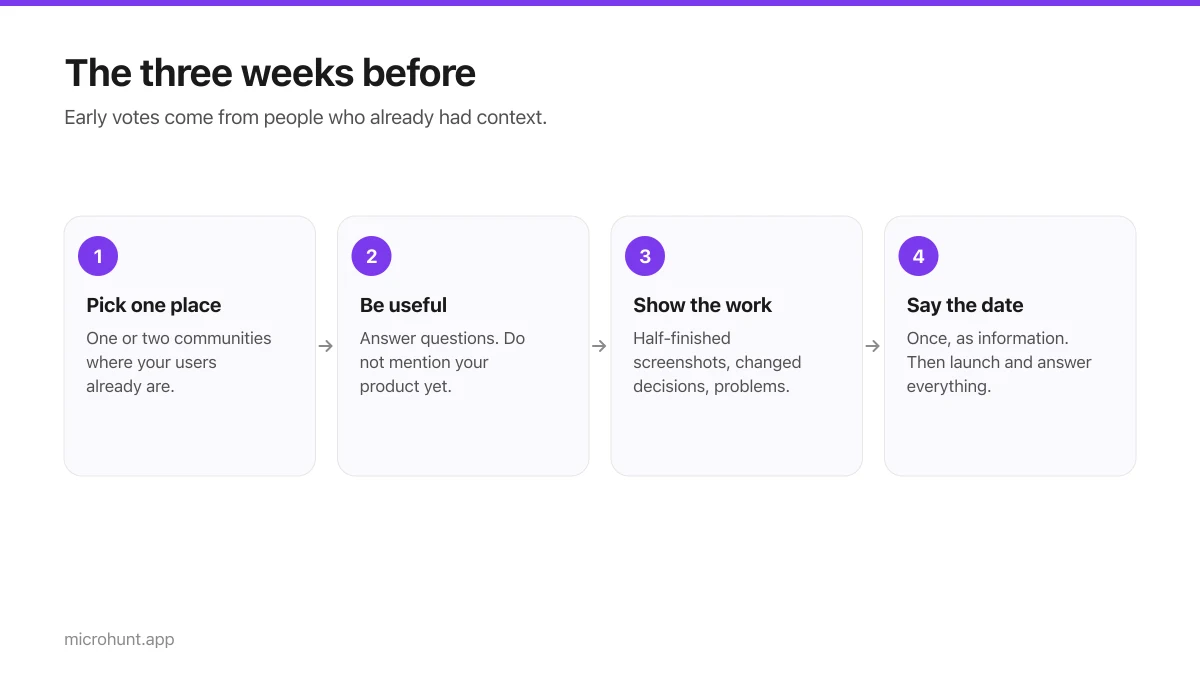
How to Get Your First Upvotes Without Begging
What actually generates early votes, why vote-for-vote groups do not work, and the approach that keeps paying off after launch day.
7 min read
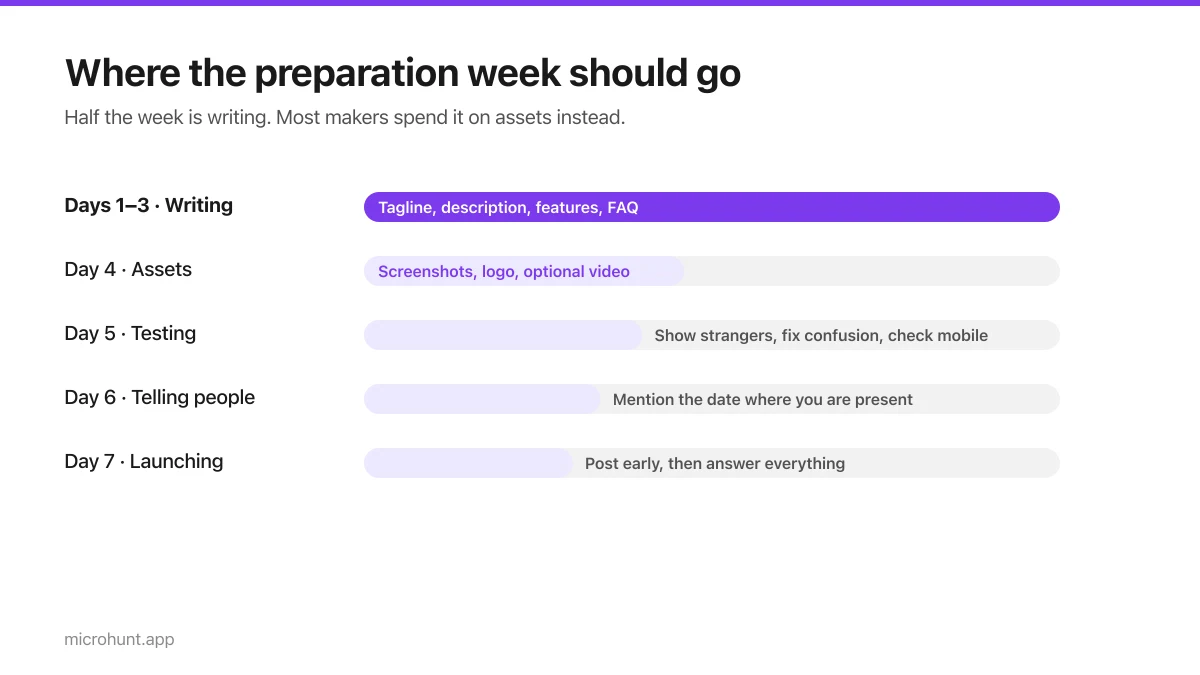
The Seven-Day Launch Checklist
A day-by-day plan for the week before you launch, weighted towards the things that actually change the outcome.
8 min read
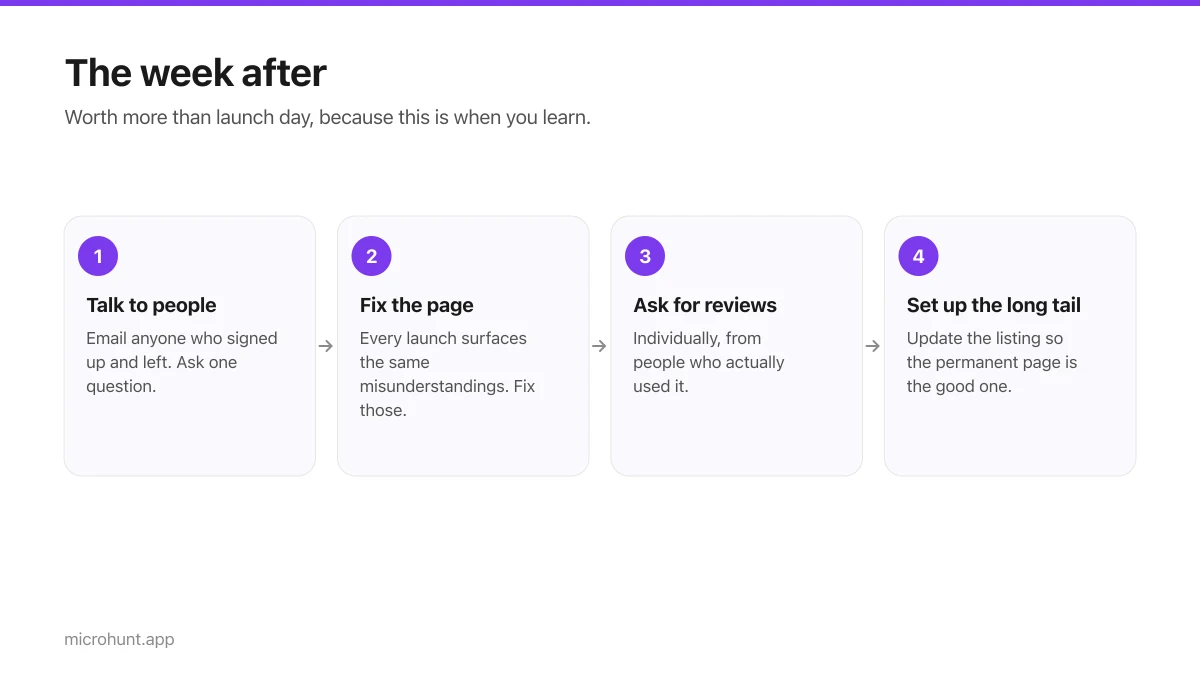
What to Do the Week After Launch Day
The traffic spike is over. Here is how to turn a day of attention into something that lasts longer than the graph.
7 min read