Data Quality
Lineage, testing and anomaly detection.
Nothing launched in this category yet.
Be the firstAbout Data Quality
Data quality tooling watches whether the data is right, which is a different and less-served problem than whether the pipeline ran. A pipeline can succeed perfectly and deliver nonsense, and the usual way this is discovered is a person noticing a number looks wrong several weeks later, after decisions have been made from it.
The core mechanic is testing data the way you test code. Assertions about what should be true — this column is never null, this identifier is unique, this value falls in a known set, this table gains between eight and twelve thousand rows a day, this total reconciles with that one — run on every load and fail loudly when violated. Most quality problems are caught by a small number of unglamorous assertions of exactly this kind.
Freshness is the single highest-value check and the most commonly missing. A table that stopped updating is indistinguishable from a table with no new activity, and dashboards will happily show stale numbers forever without complaint. An alert when a table has not updated within its expected window catches a large share of real incidents before anyone downstream is affected.
Anomaly detection — learning normal ranges and flagging deviations — is useful as a supplement and dangerous as a foundation, because it is noisy. A detector that fires on every seasonal pattern trains people to ignore it, and an ignored alert is worse than no alert. Start with explicit assertions you can reason about and add statistical detection for things you cannot enumerate.
Lineage is what makes an incident tractable. When a number is wrong, the question is what fed it and what it feeds, and answering that by reading code under pressure is slow. Tools that map lineage automatically turn a half-day investigation into a five-minute one, and they also answer the question that arises before every schema change: what breaks if I alter this column?
Ownership is the part software cannot supply. Every important table needs a person who is alerted and who is expected to act, because an alert routed to a shared channel is routed to nobody.
The honest framing for this subcategory is insurance. It produces no new insight and prevents you from confidently acting on something false, which is the more expensive failure.
From the blog
Reading on launching, ranking and data quality.
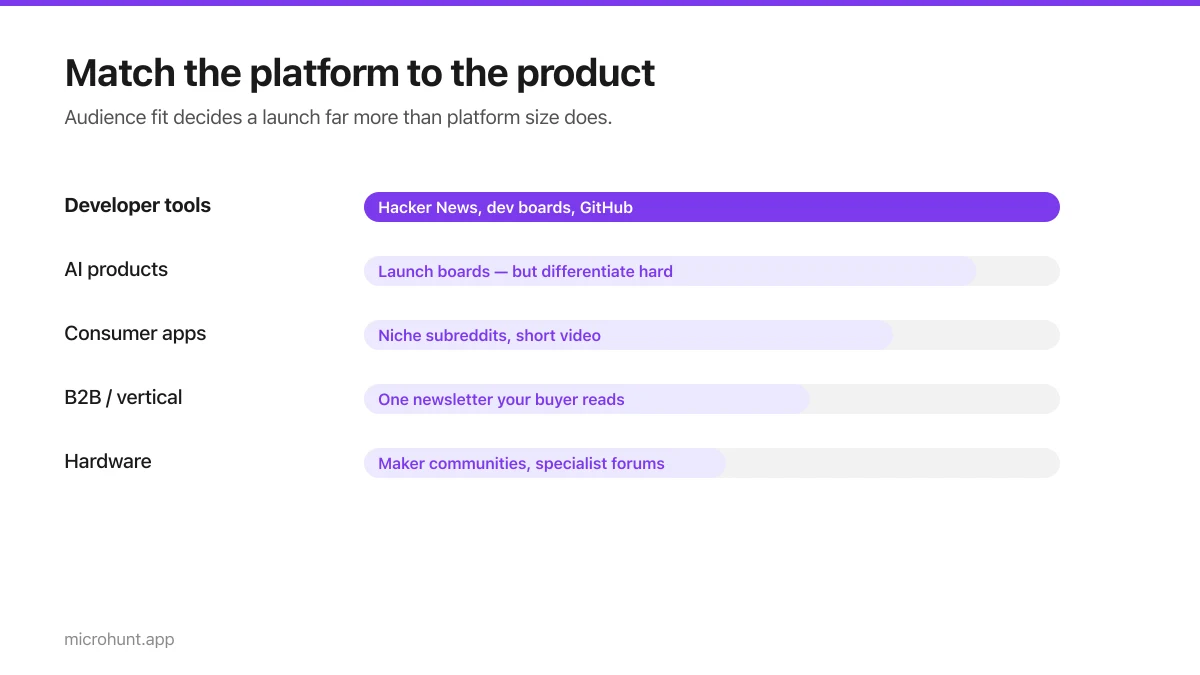
Best Product Hunt Alternatives for Launching in 2026
Where else to launch when Product Hunt is not the right fit — what each platform is actually good at, who shows up, and what it costs.
8 min read
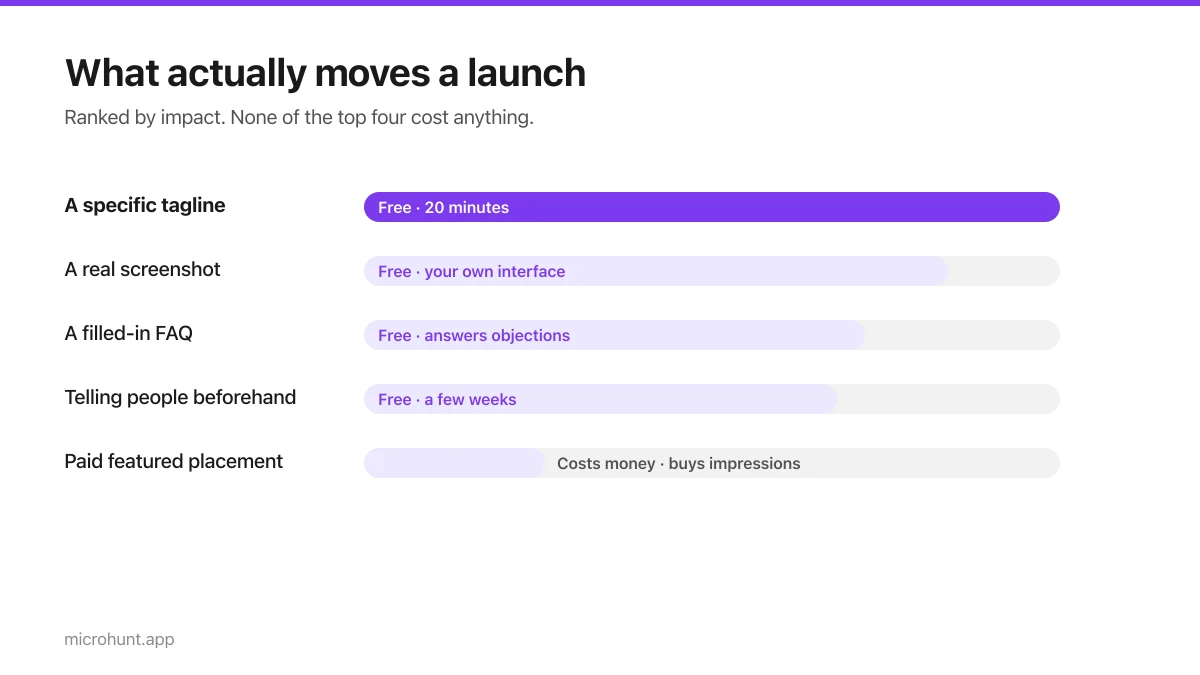
Free Launch Platforms for Indie Makers (No Budget Needed)
You do not need to pay to launch. Here are the places that are genuinely free, what each expects from you, and where paying is actually worth it.
7 min read
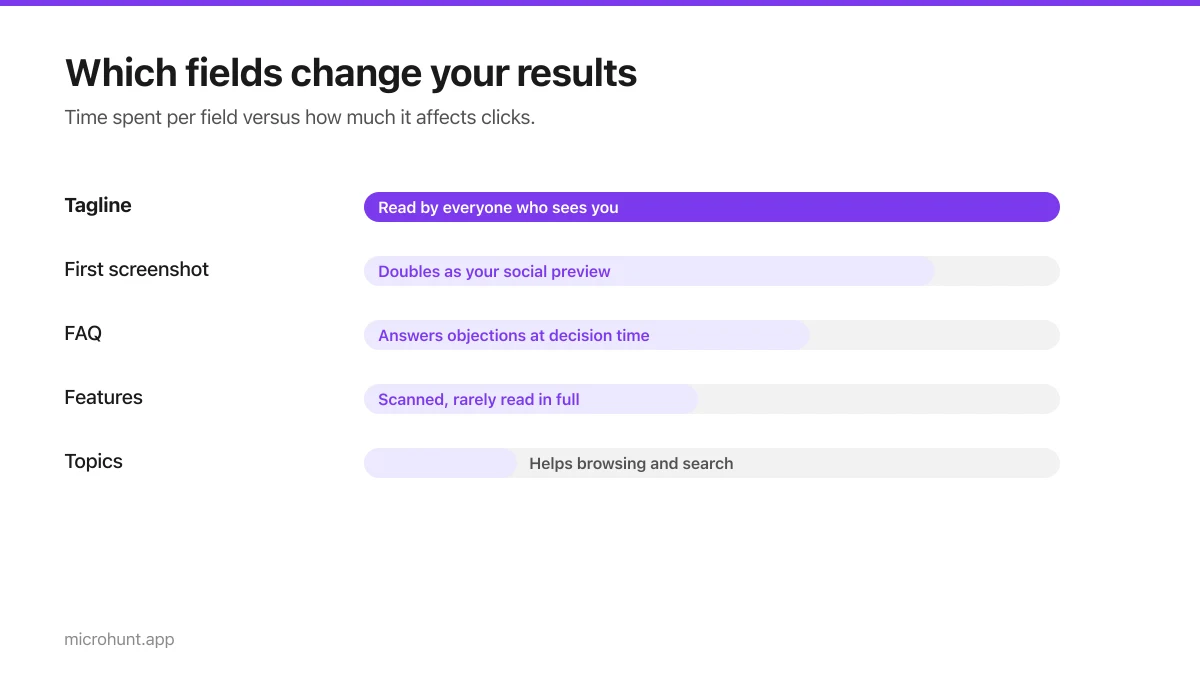
How to Submit a Product on Vuru (Step by Step)
A walk through the submission form, what each field does to your page, and the fields most people leave empty that they shouldn't.
7 min read
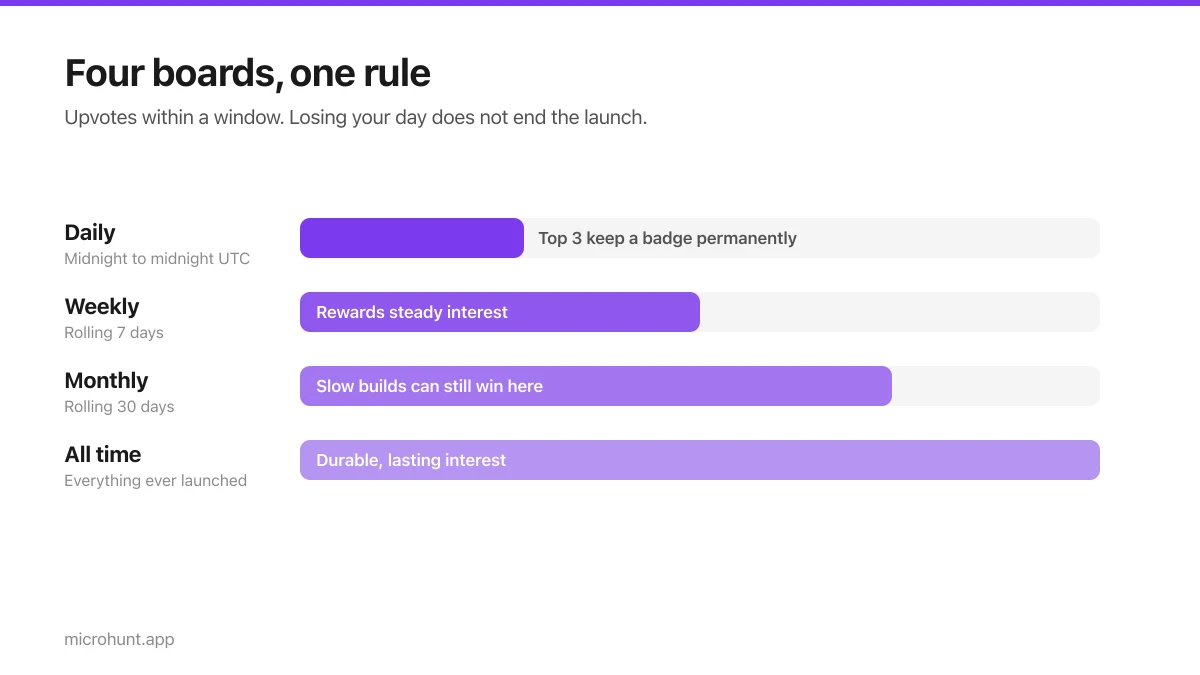
How Vuru Ranking Works (And How to Win a Badge)
Launch windows, upvotes, podium badges and what we do about vote manipulation — the whole ranking system explained plainly.
7 min read
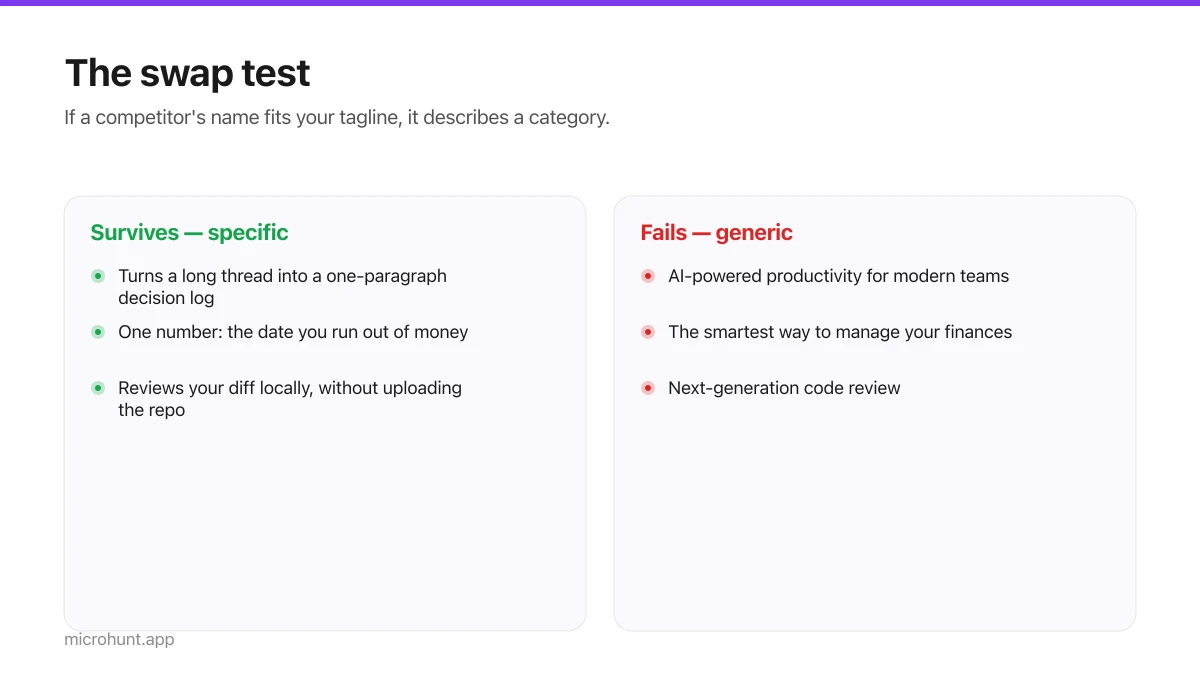
How to Write a Product Tagline That Actually Gets Clicked
The one line most people will ever read about your product, and a simple test for whether yours is doing any work.
7 min read
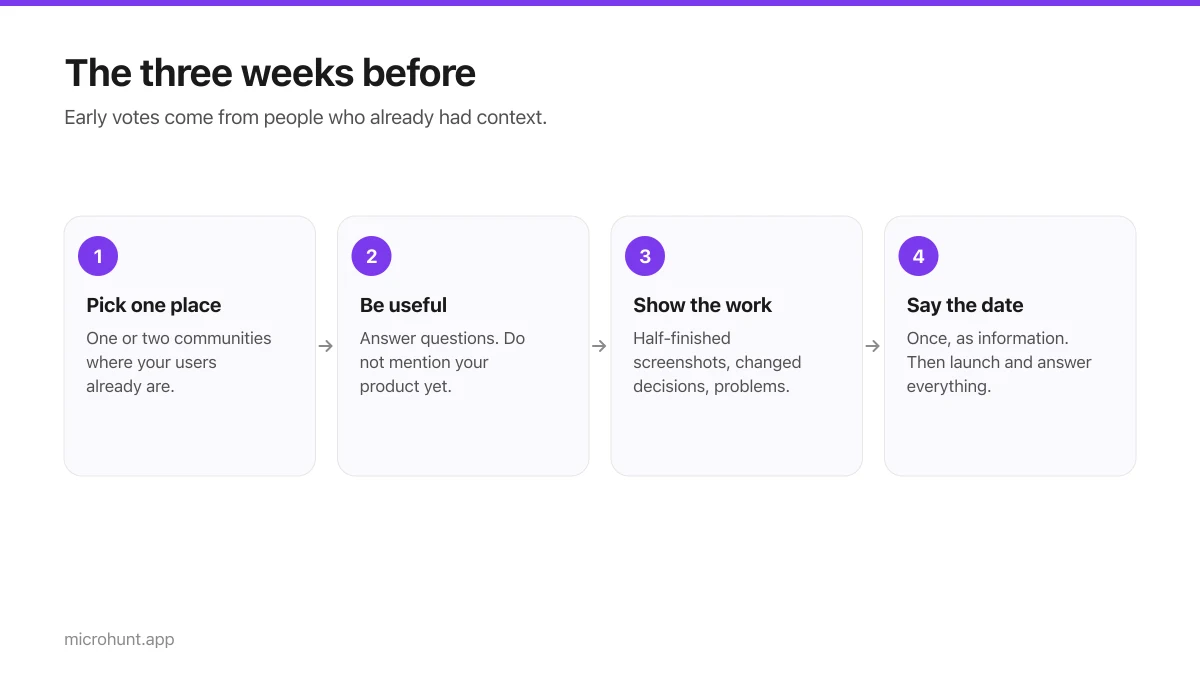
How to Get Your First Upvotes Without Begging
What actually generates early votes, why vote-for-vote groups do not work, and the approach that keeps paying off after launch day.
7 min read
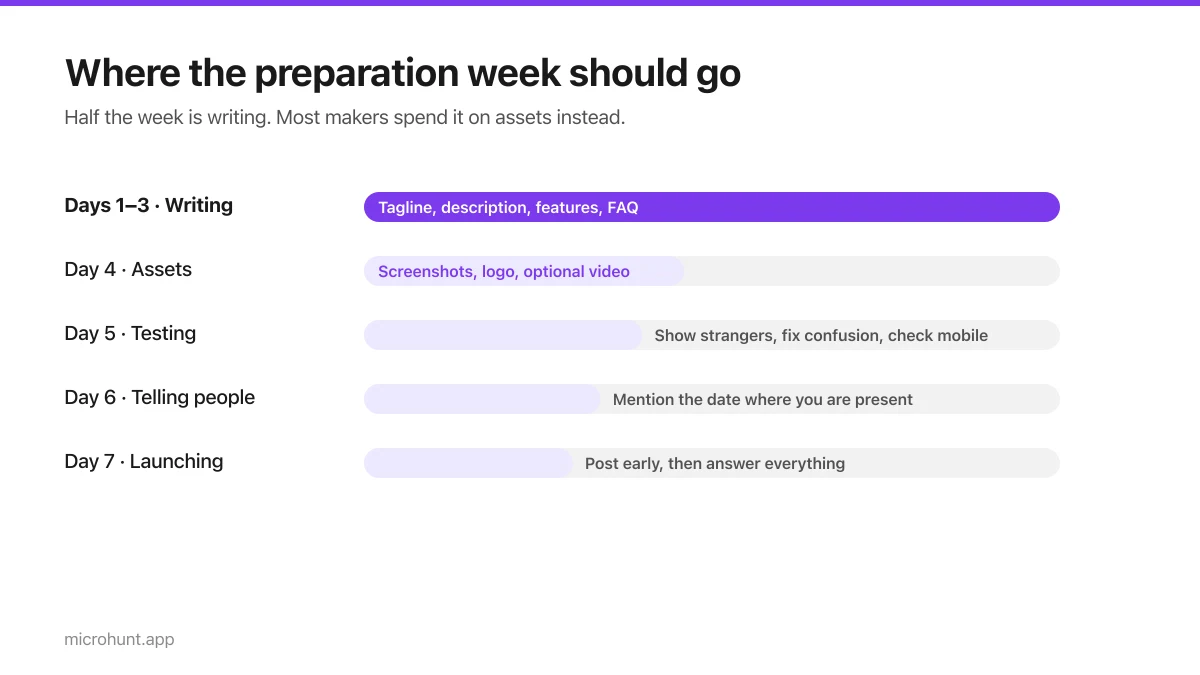
The Seven-Day Launch Checklist
A day-by-day plan for the week before you launch, weighted towards the things that actually change the outcome.
8 min read
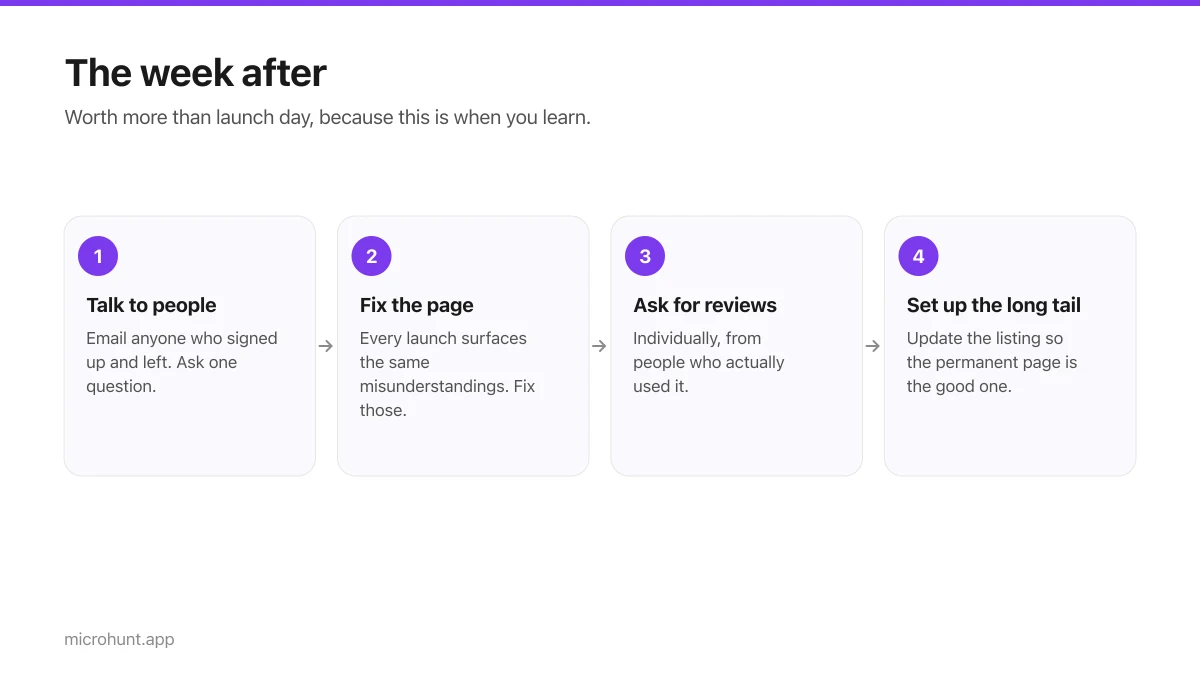
What to Do the Week After Launch Day
The traffic spike is over. Here is how to turn a day of attention into something that lasts longer than the graph.
7 min read