Data & Analytics
Pipelines, warehouses, dashboards and making sense of numbers.
Nothing launched in this category yet.
Be the firstAbout Data & Analytics
Data tooling has matured to the point where the hard part is rarely the technology. Storage is cheap, query engines are fast, and the pipeline problem has half a dozen credible solutions. The hard part is knowing which numbers matter and trusting that the ones you are looking at are correct.
The category spans ingestion and pipelines, warehouses and query engines, transformation and modelling, business intelligence and dashboards, product analytics, data quality and observability, notebooks and exploration tools, and the reverse pipelines that push processed data back into the systems where people actually work.
The recurring failure in this space is not technical. It is a dashboard nobody opens, built from a pipeline nobody trusts, measuring something nobody decided was important. Preventing that has more to do with agreeing on definitions than with choosing software. If two people in a company mean different things by "active user", no tool will reconcile them, and every report will be quietly wrong in a way that is difficult to detect.
That is why data quality and lineage tooling is worth more attention than it usually gets. Knowing that a number changed because a source system changed, rather than because the business changed, is the difference between a useful metric and a misleading one. Tools that alert on schema drift, null spikes and volume anomalies catch problems before someone makes a decision on bad data.
Scale is the other thing to be honest about. The modern data stack was designed for organisations with genuine volume, and assembling five specialised tools to serve a company with a few thousand rows is a common and expensive mistake. For most small teams, a well-structured database and a handful of saved queries will answer every question they actually have. Buy the stack when the questions outgrow the simpler answer, not in anticipation.
Privacy has reshaped product analytics specifically. Tracking prevention, consent requirements and the decline of third-party identifiers mean that the tools promising complete individual-level behavioural data are either overstating what they capture or collecting things that create legal exposure. Aggregate, privacy-preserving analytics answer most product questions and carry far less risk.
For makers launching here, the audience is technical and will ask about cost at scale, query performance on real data, and what happens when a pipeline fails at three in the morning. Have those answers ready. A worked pricing example on a realistic dataset does more than any benchmark chart, because the fear in this category is a bill that grows faster than the business.
From the blog
Reading on launching, ranking and data & analytics.
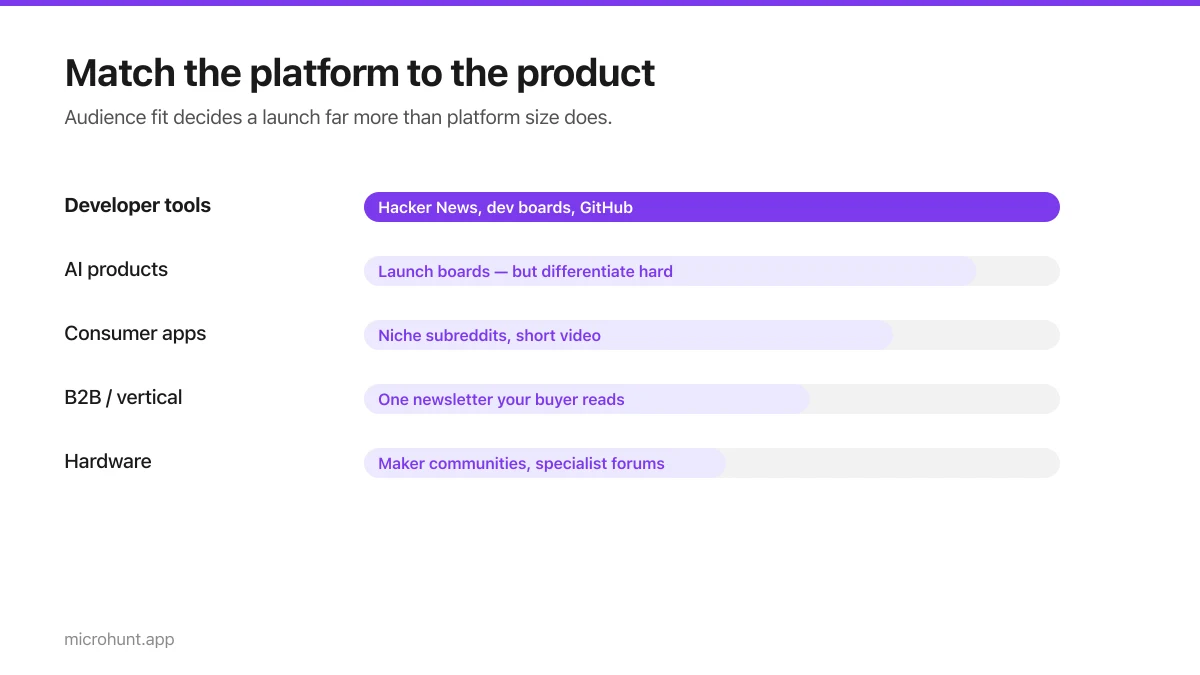
Best Product Hunt Alternatives for Launching in 2026
Where else to launch when Product Hunt is not the right fit — what each platform is actually good at, who shows up, and what it costs.
8 min read
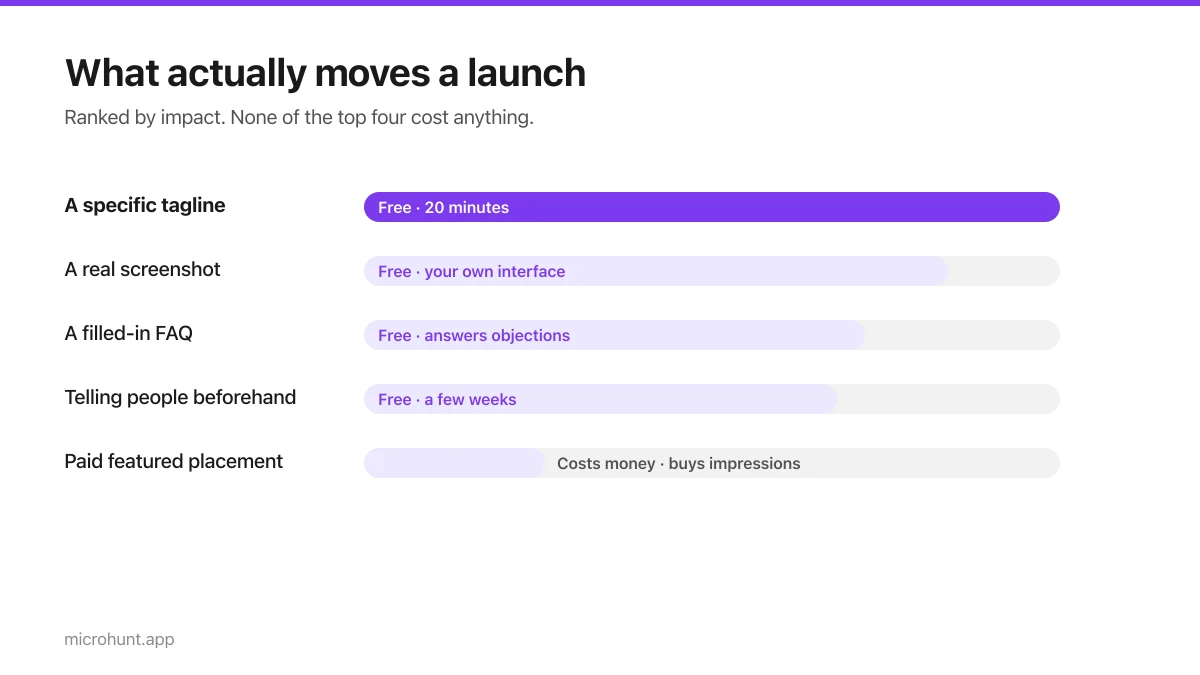
Free Launch Platforms for Indie Makers (No Budget Needed)
You do not need to pay to launch. Here are the places that are genuinely free, what each expects from you, and where paying is actually worth it.
7 min read
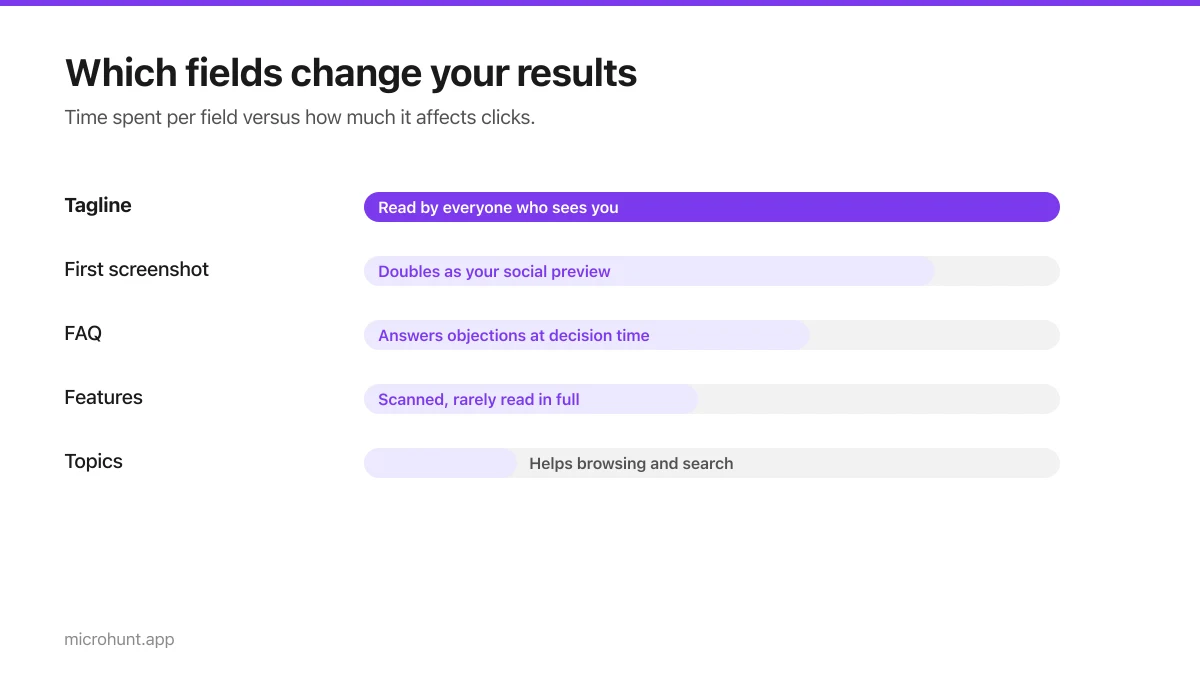
How to Submit a Product on Vuru (Step by Step)
A walk through the submission form, what each field does to your page, and the fields most people leave empty that they shouldn't.
7 min read
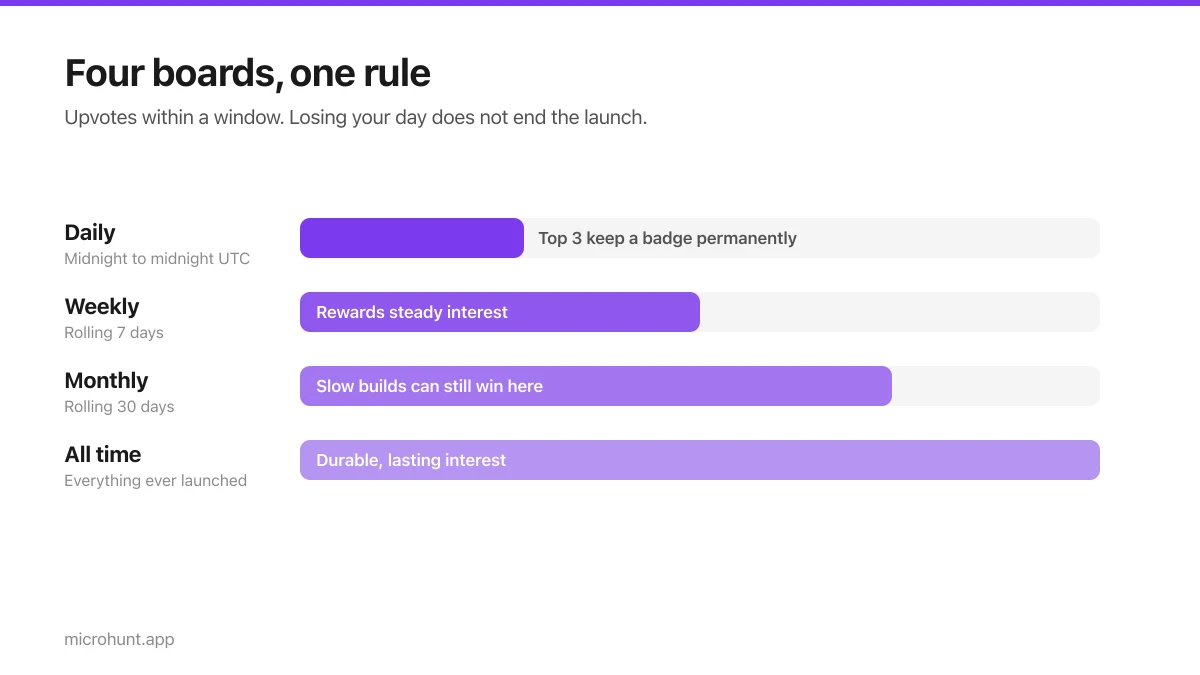
How Vuru Ranking Works (And How to Win a Badge)
Launch windows, upvotes, podium badges and what we do about vote manipulation — the whole ranking system explained plainly.
7 min read
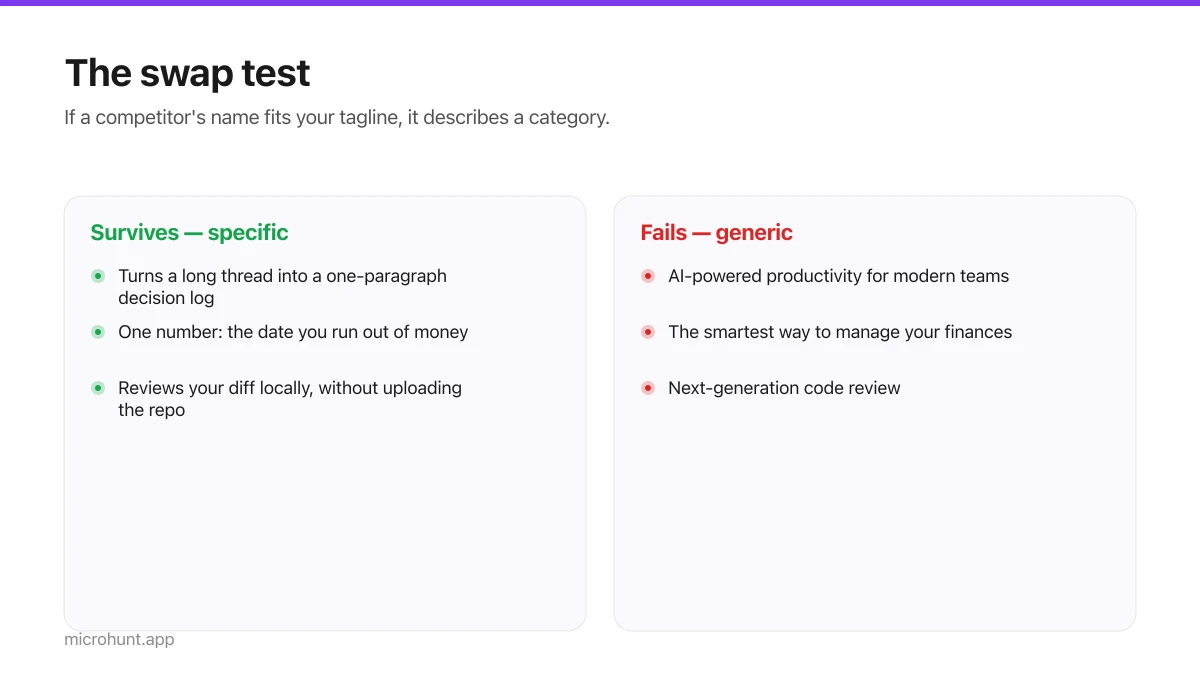
How to Write a Product Tagline That Actually Gets Clicked
The one line most people will ever read about your product, and a simple test for whether yours is doing any work.
7 min read
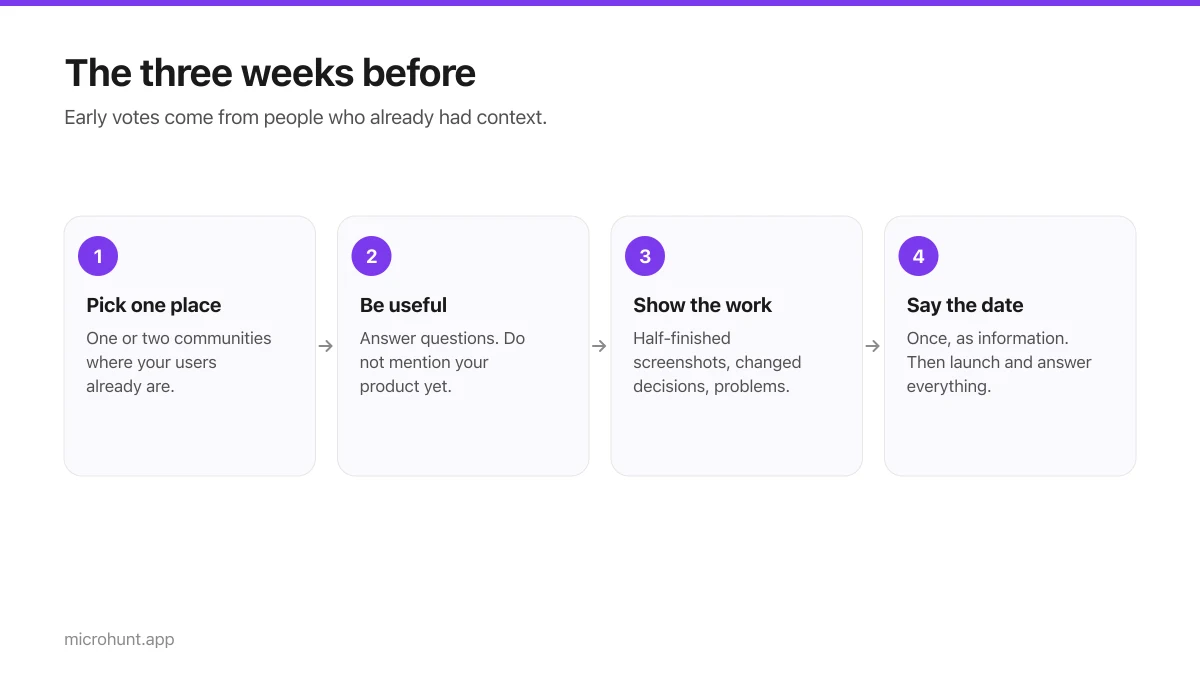
How to Get Your First Upvotes Without Begging
What actually generates early votes, why vote-for-vote groups do not work, and the approach that keeps paying off after launch day.
7 min read
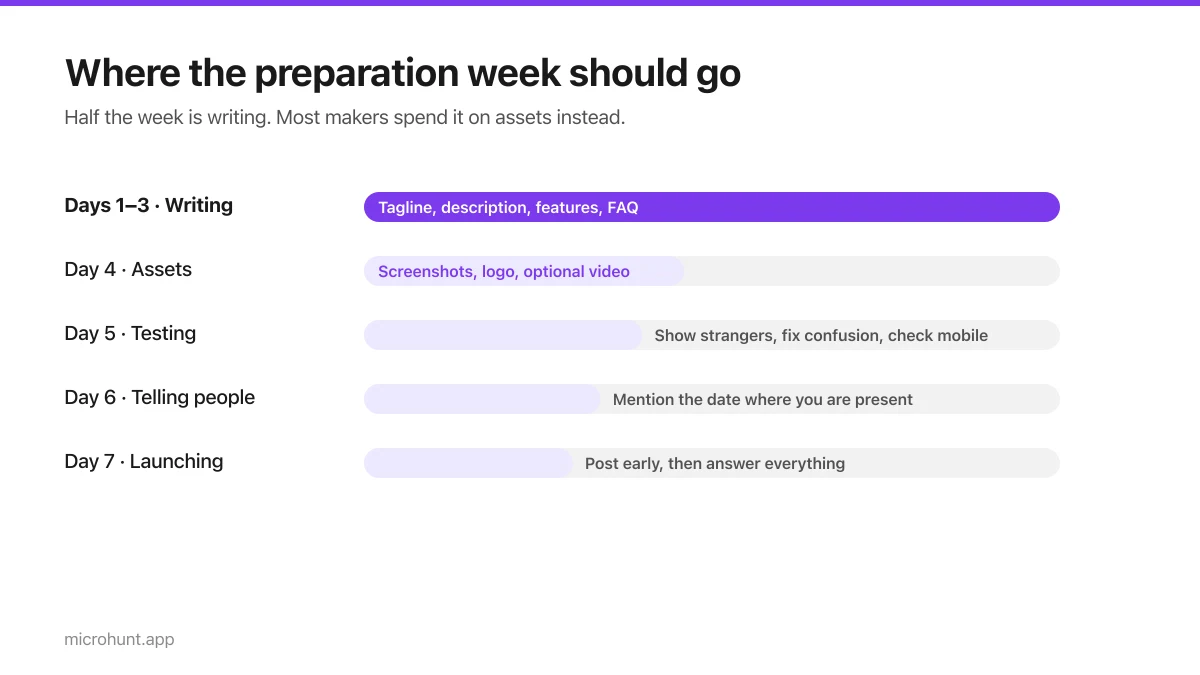
The Seven-Day Launch Checklist
A day-by-day plan for the week before you launch, weighted towards the things that actually change the outcome.
8 min read
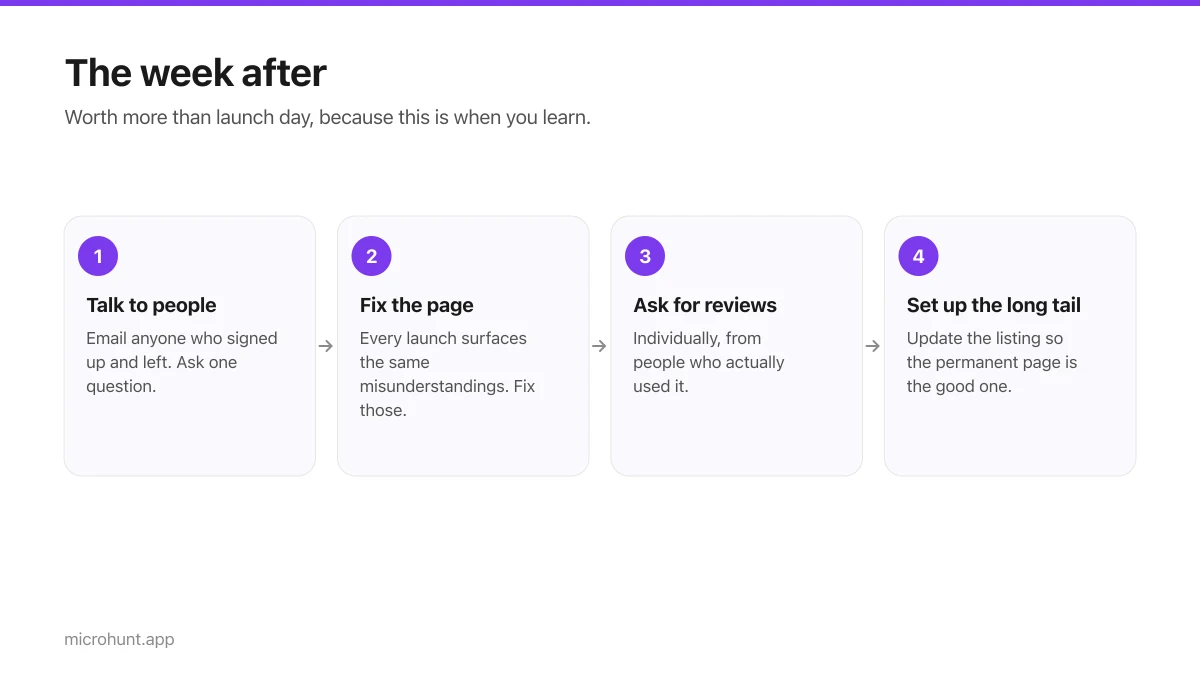
What to Do the Week After Launch Day
The traffic spike is over. Here is how to turn a day of attention into something that lasts longer than the graph.
7 min read