Interviewing
Scheduling, assessment and reference checks.
Nothing launched in this category yet.
Be the firstAbout Interviewing
Interview tooling covers practice platforms, scheduling and coordination, structured evaluation, take-home assessment, and the live coding or collaboration environments used during technical interviews. The launches here serve both sides of the table, which makes it a useful category to browse whichever side you are on.
For candidates, practice tools work because interviewing is a distinct skill from doing the job, and it is one that improves quickly with rehearsal. Speaking through a problem out loud, structuring an answer about past work, and handling the ninety seconds after a question you cannot answer are all learnable. Mock interviews with a human remain the best version; model-based practice partners have become a reasonable substitute for volume, and they have the same underrated advantage as in language learning — you can fail in front of them repeatedly without cost.
For employers, the evidence on interview practice is clearer than most people act on. Structured interviews, where every candidate gets the same questions scored against defined criteria, predict performance substantially better than unstructured conversation, and unstructured conversation is what most companies do. Work samples — a realistic task resembling the actual job — are the other consistently strong predictor. Tools that make structure the default path are doing the highest-value thing in this subcategory.
Take-home assessments are contested for good reason. They can be a fair, realistic evaluation, and they can be an unpaid multi-day imposition that filters for people with free time rather than ability. Keep them short, be explicit about the time expected, honour that limit when reviewing, and give feedback. Anything over about three hours should be paid.
Live coding environments have improved a great deal, and the main advice is to make them resemble how the person will actually work: allow documentation, allow their editor conventions where possible, and evaluate reasoning rather than recall. Interviews that test whether someone memorised an algorithm test whether someone memorised an algorithm.
Recording interviews requires consent and raises retention questions. Automated assessment of video interviews — scoring expressions, speech patterns or tone — is an area with serious validity concerns and growing regulatory attention, and it is reasonable to avoid entirely.
From the blog
Reading on launching, ranking and interviewing.
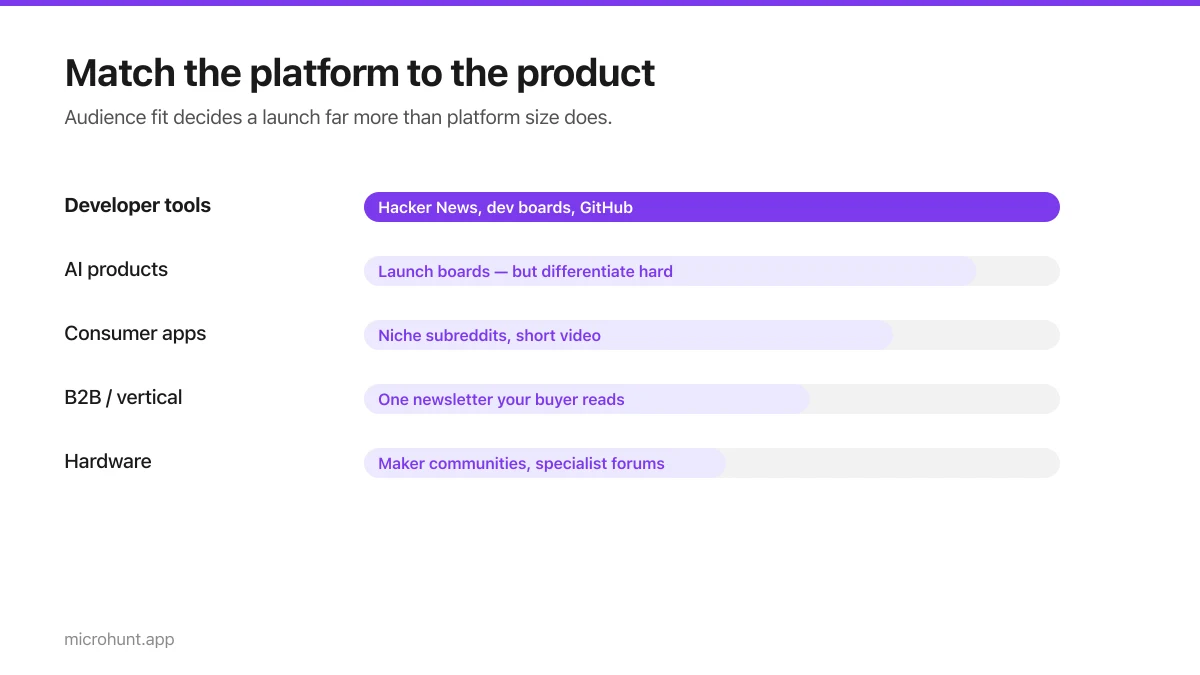
Best Product Hunt Alternatives for Launching in 2026
Where else to launch when Product Hunt is not the right fit — what each platform is actually good at, who shows up, and what it costs.
8 min read
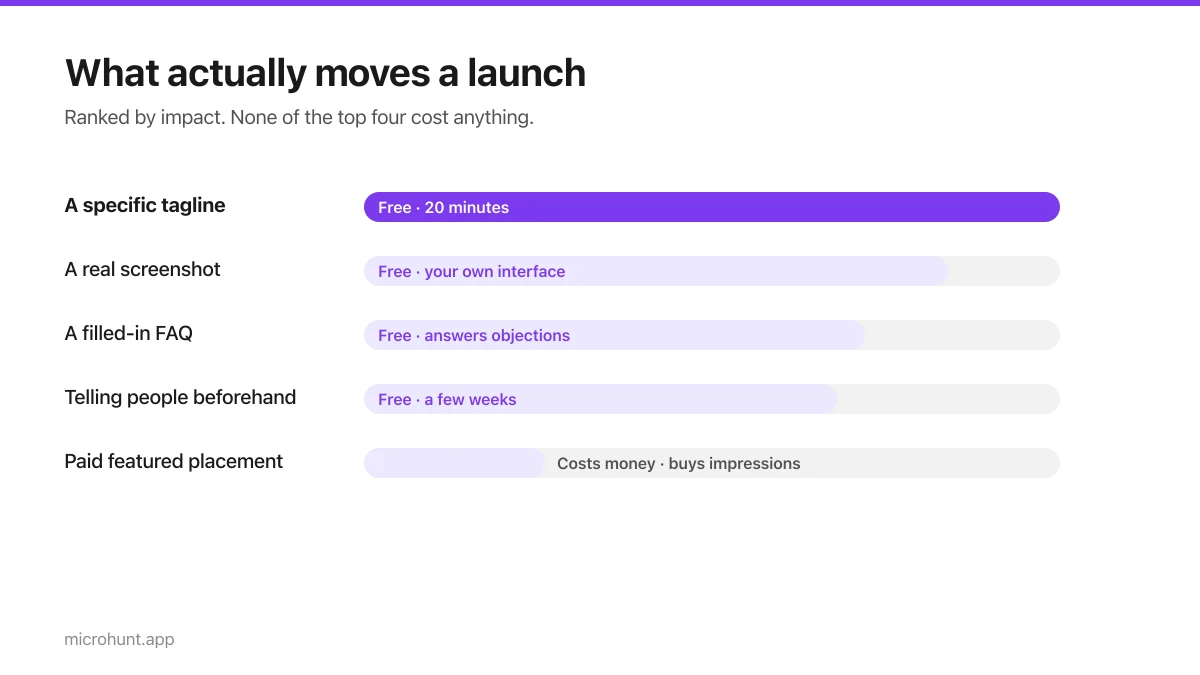
Free Launch Platforms for Indie Makers (No Budget Needed)
You do not need to pay to launch. Here are the places that are genuinely free, what each expects from you, and where paying is actually worth it.
7 min read
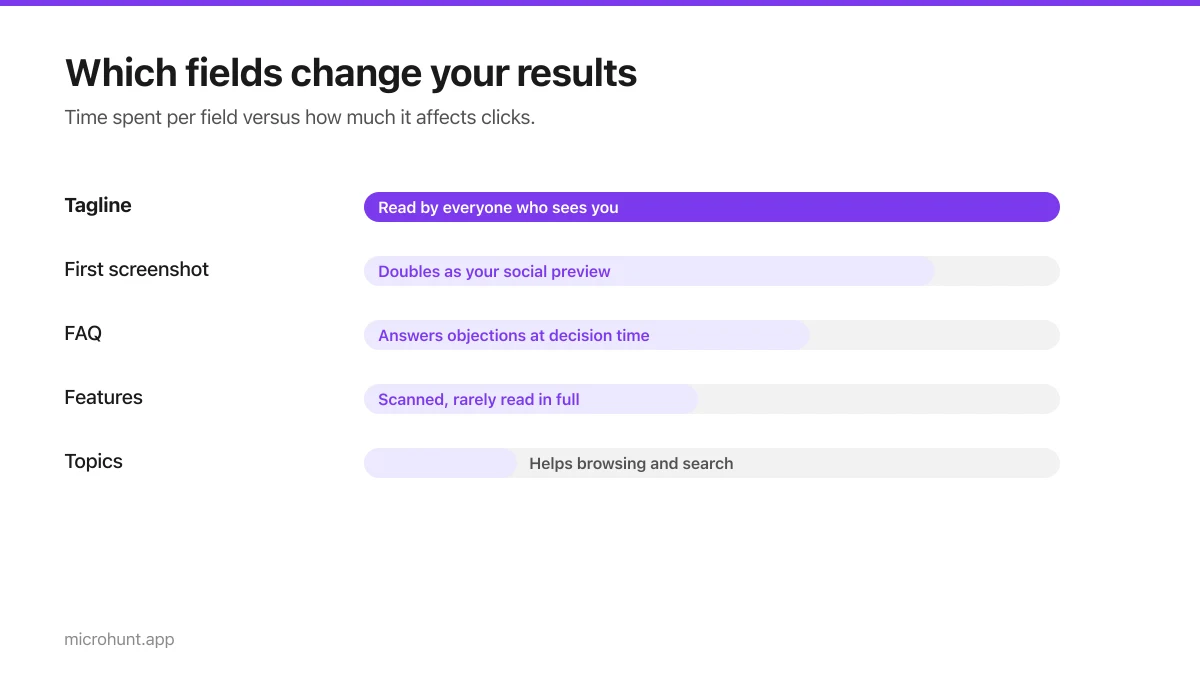
How to Submit a Product on Vuru (Step by Step)
A walk through the submission form, what each field does to your page, and the fields most people leave empty that they shouldn't.
7 min read
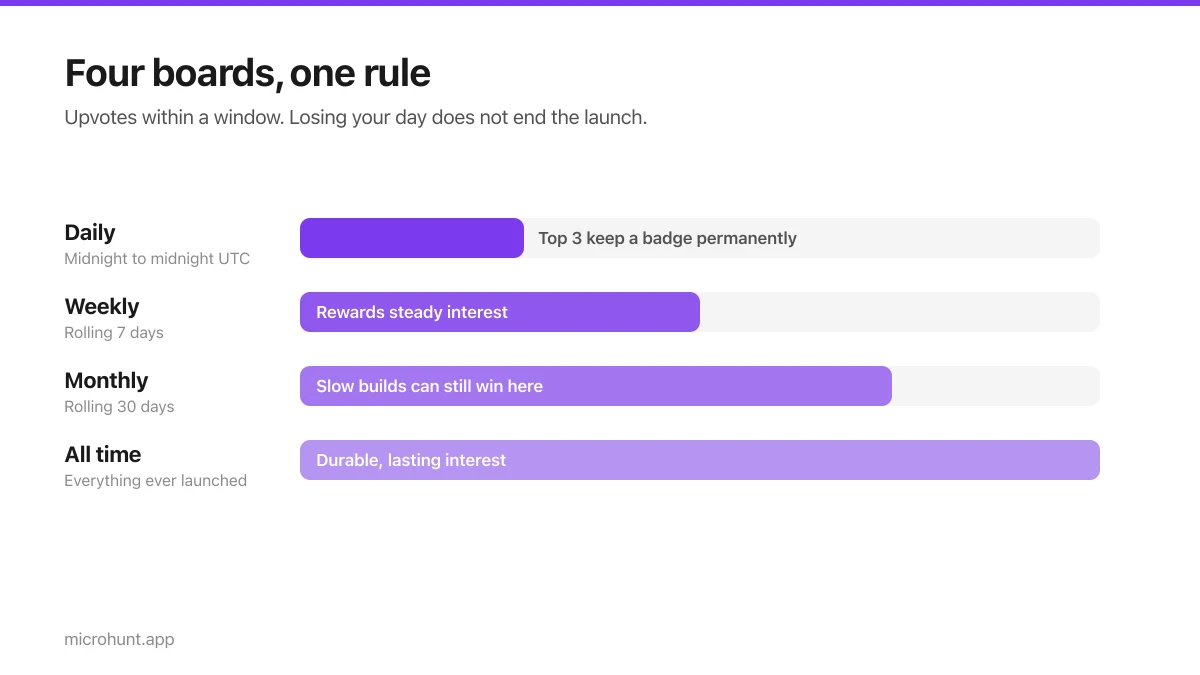
How Vuru Ranking Works (And How to Win a Badge)
Launch windows, upvotes, podium badges and what we do about vote manipulation — the whole ranking system explained plainly.
7 min read
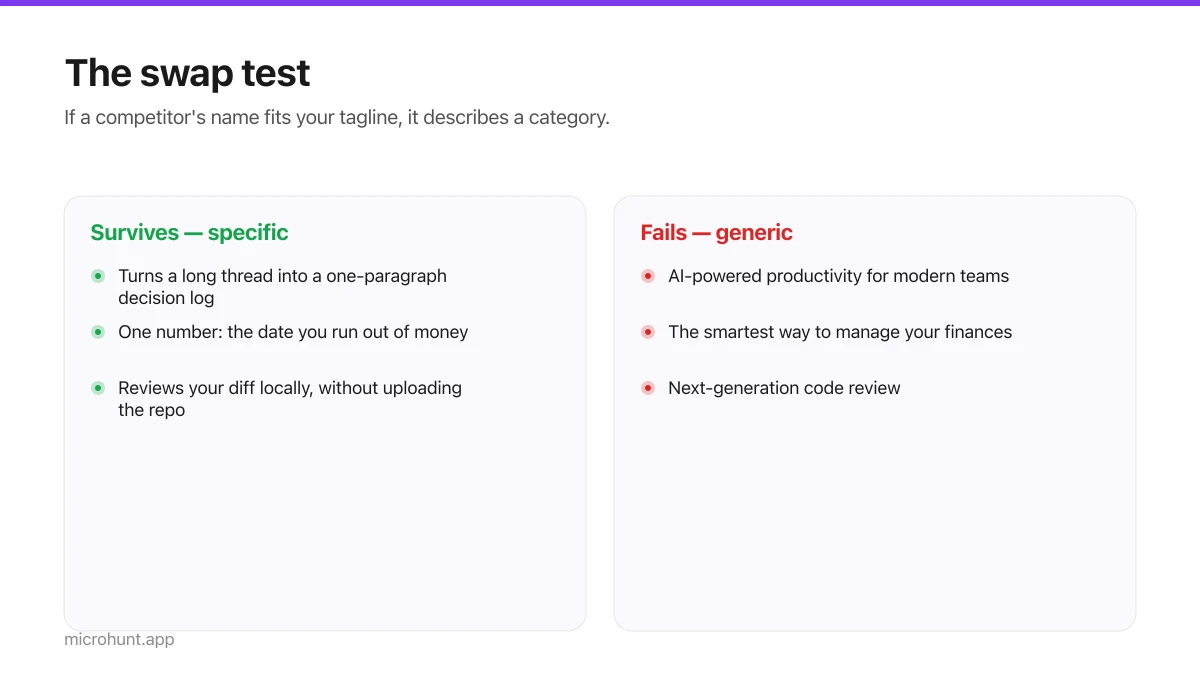
How to Write a Product Tagline That Actually Gets Clicked
The one line most people will ever read about your product, and a simple test for whether yours is doing any work.
7 min read
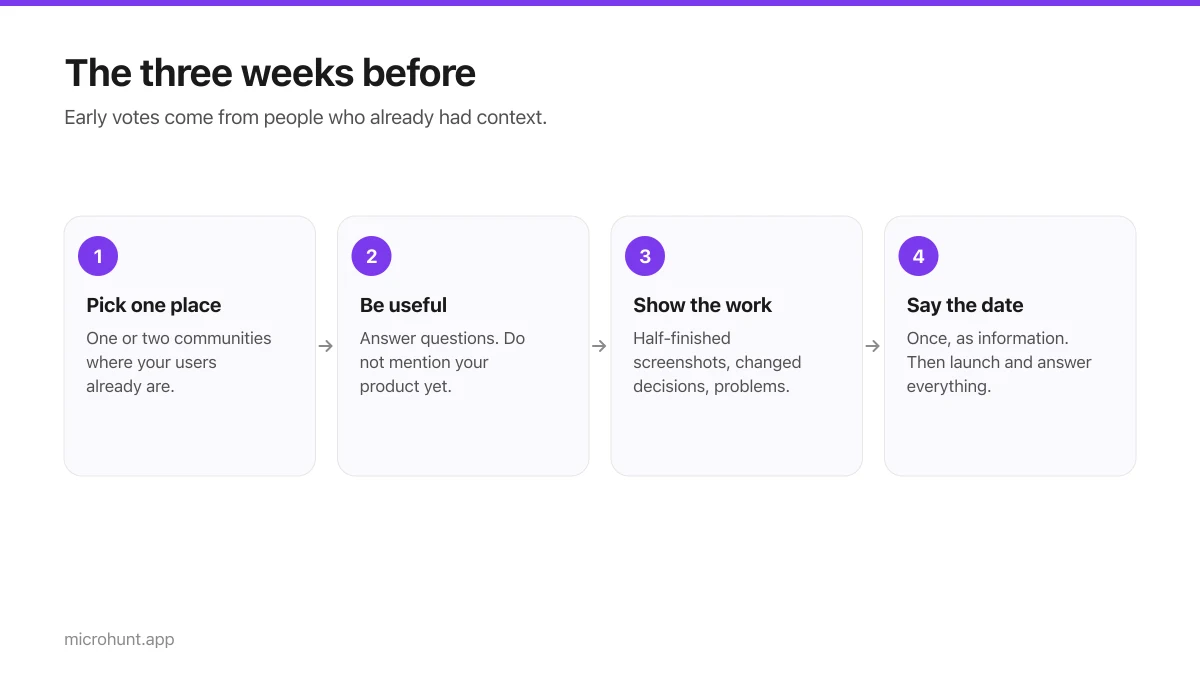
How to Get Your First Upvotes Without Begging
What actually generates early votes, why vote-for-vote groups do not work, and the approach that keeps paying off after launch day.
7 min read
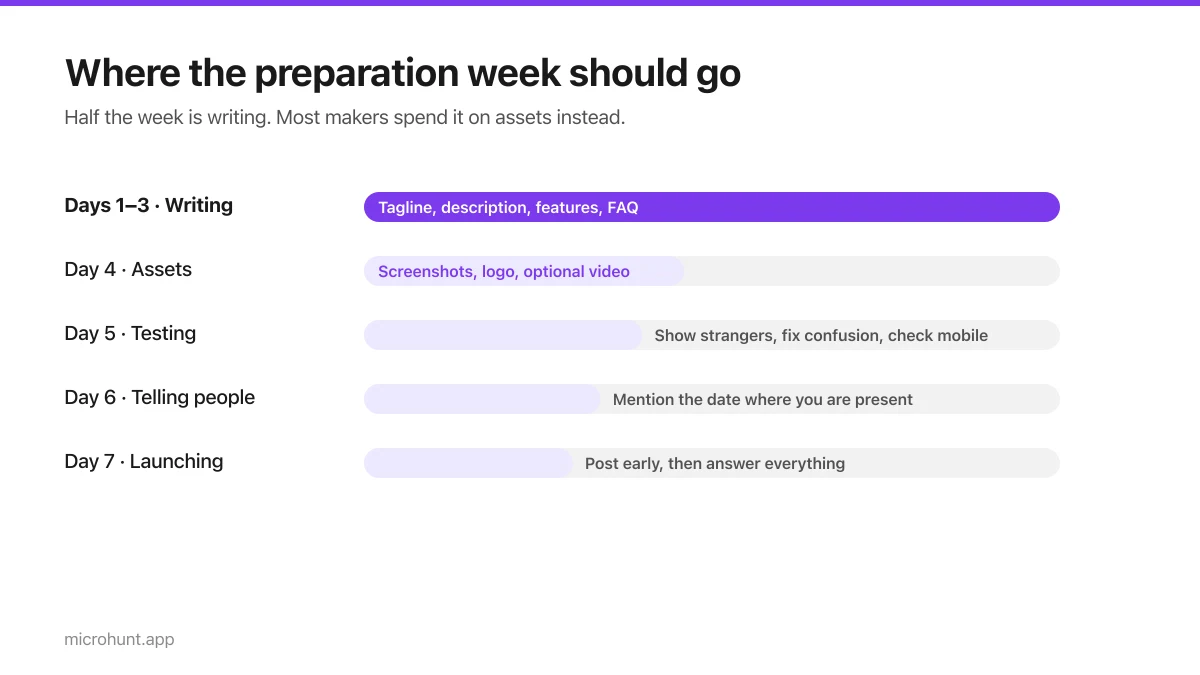
The Seven-Day Launch Checklist
A day-by-day plan for the week before you launch, weighted towards the things that actually change the outcome.
8 min read
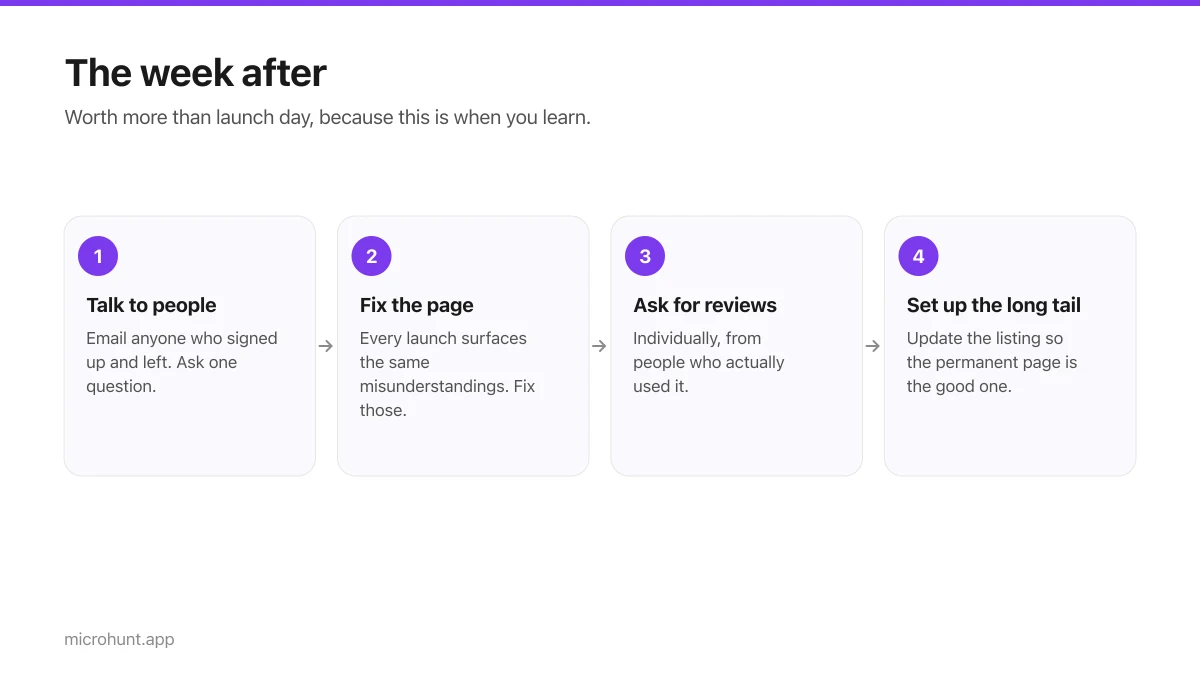
What to Do the Week After Launch Day
The traffic spike is over. Here is how to turn a day of attention into something that lasts longer than the graph.
7 min read