Language Learning
Vocabulary, grammar and conversation practice.
Nothing launched in this category yet.
Be the firstAbout Language Learning
Language learning tools are abundant, and the honest starting point is that no application teaches a language. What they can do is supply the components — vocabulary, grammar exposure, listening practice, structured input, and a low-stakes place to make mistakes — and the components that most tools underserve are the ones that matter most.
The gamified apps are excellent at one specific thing: getting a beginner to show up daily. That habit is genuinely valuable, and the tools deserve credit for it. Their limit is well documented: they build recognition rather than production, they plateau somewhere around low intermediate, and streak mechanics eventually become the goal rather than the language. They are a good on-ramp and a poor destination.
What works beyond the beginning is comprehensible input in volume — material you understand most of, slightly above your level, in quantity. The tools that support this well are readers that make lookups instant, graded material, and anything that lets you consume real content with support: subtitles you can interrogate, articles with tap-to-translate, podcasts with transcripts. This is the least gamified and most effective part of the subcategory.
Vocabulary is where spaced repetition earns its place, ideally with cards made from words you encountered in something you were actually reading rather than a frequency list in the abstract. Words met in context stick; words met in a list do not. See [flashcards and recall](/categories/flashcards).
Speaking is the hardest thing to practise alone and the most undersupplied by software. Conversational partners — human ones through exchange platforms, or increasingly model-based ones — provide the output practice that reading and listening cannot. Model-based partners have a real advantage here that is rarely stated: they are infinitely patient and you are not embarrassed in front of them, which for many learners removes the actual barrier.
Pronunciation tools with feedback are genuinely useful early, because errors fossilise. Fixing a habit after two years is much harder than forming it correctly.
The uncomfortable constant across all of it is time. Hundreds of hours for a related language, considerably more for a distant one. Tools change how pleasant those hours are, not how many there are.
From the blog
Reading on launching, ranking and language learning.
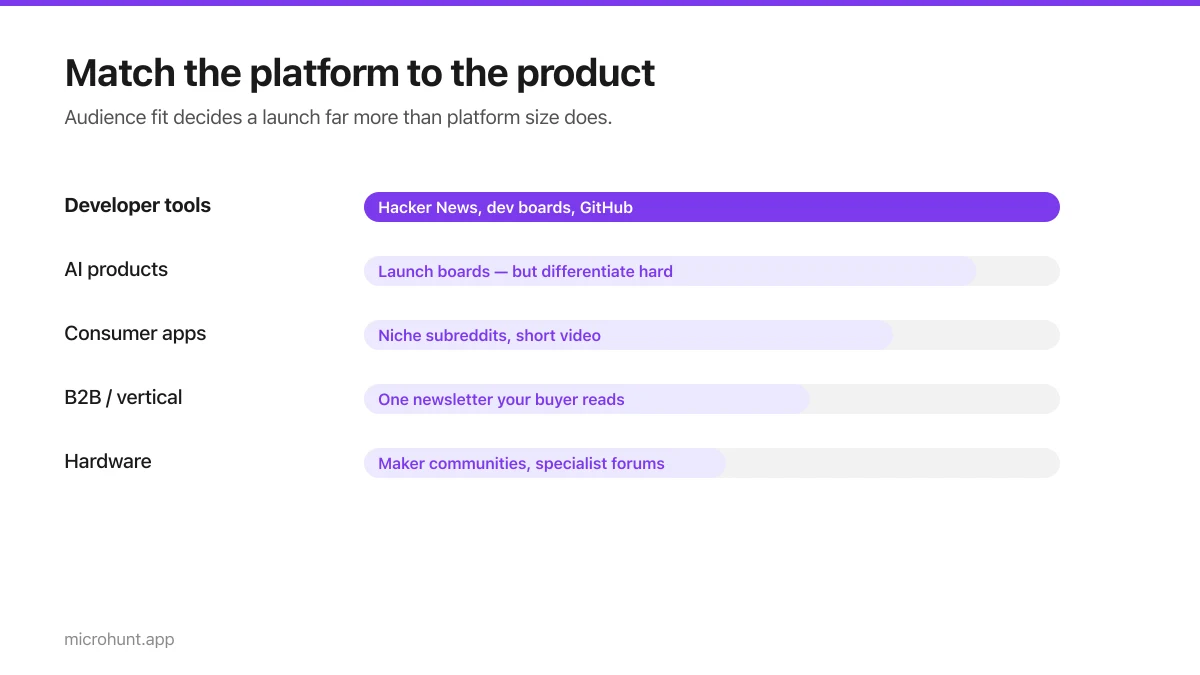
Best Product Hunt Alternatives for Launching in 2026
Where else to launch when Product Hunt is not the right fit — what each platform is actually good at, who shows up, and what it costs.
8 min read
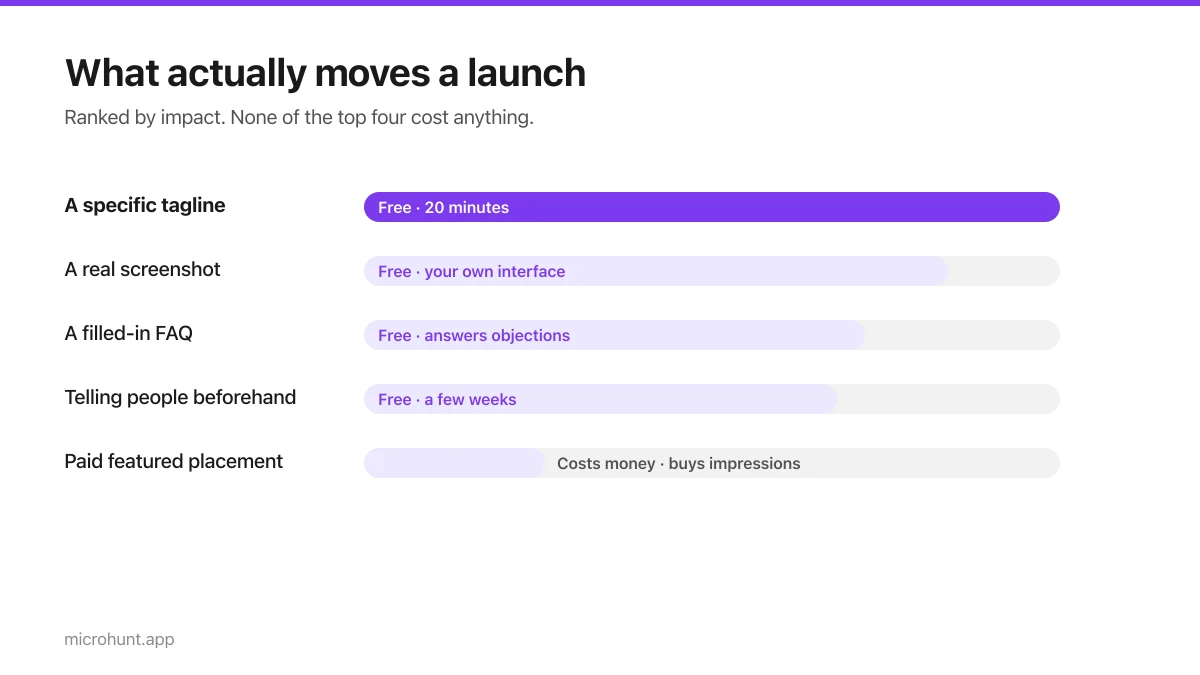
Free Launch Platforms for Indie Makers (No Budget Needed)
You do not need to pay to launch. Here are the places that are genuinely free, what each expects from you, and where paying is actually worth it.
7 min read
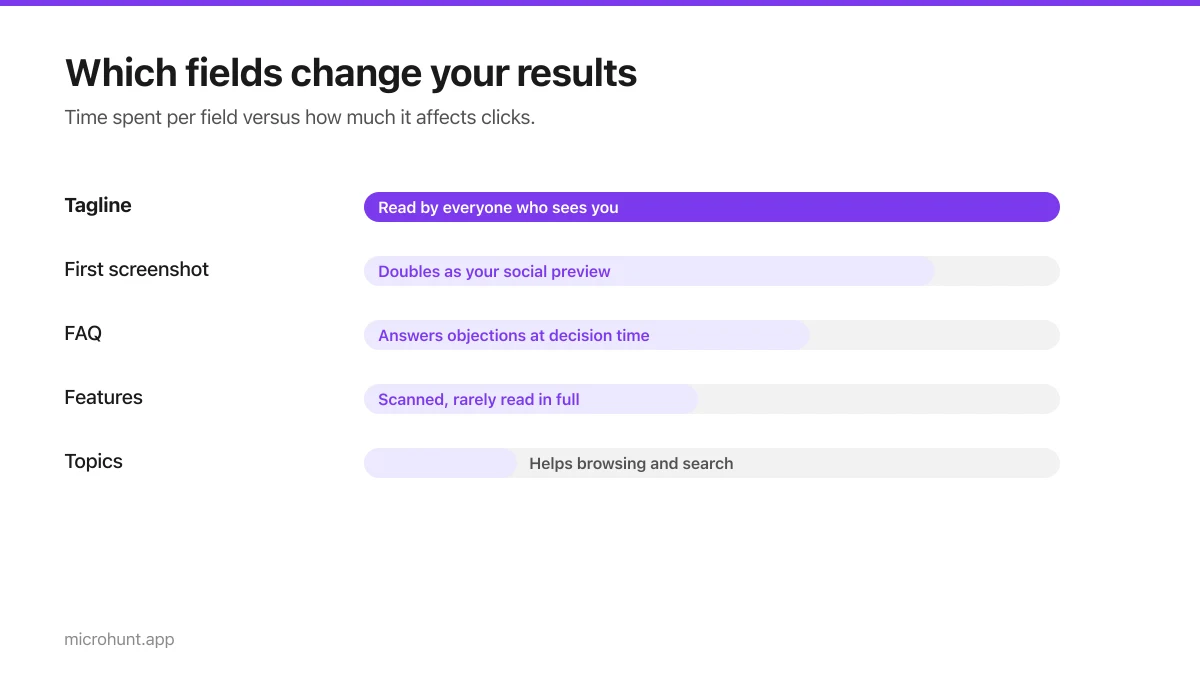
How to Submit a Product on Vuru (Step by Step)
A walk through the submission form, what each field does to your page, and the fields most people leave empty that they shouldn't.
7 min read
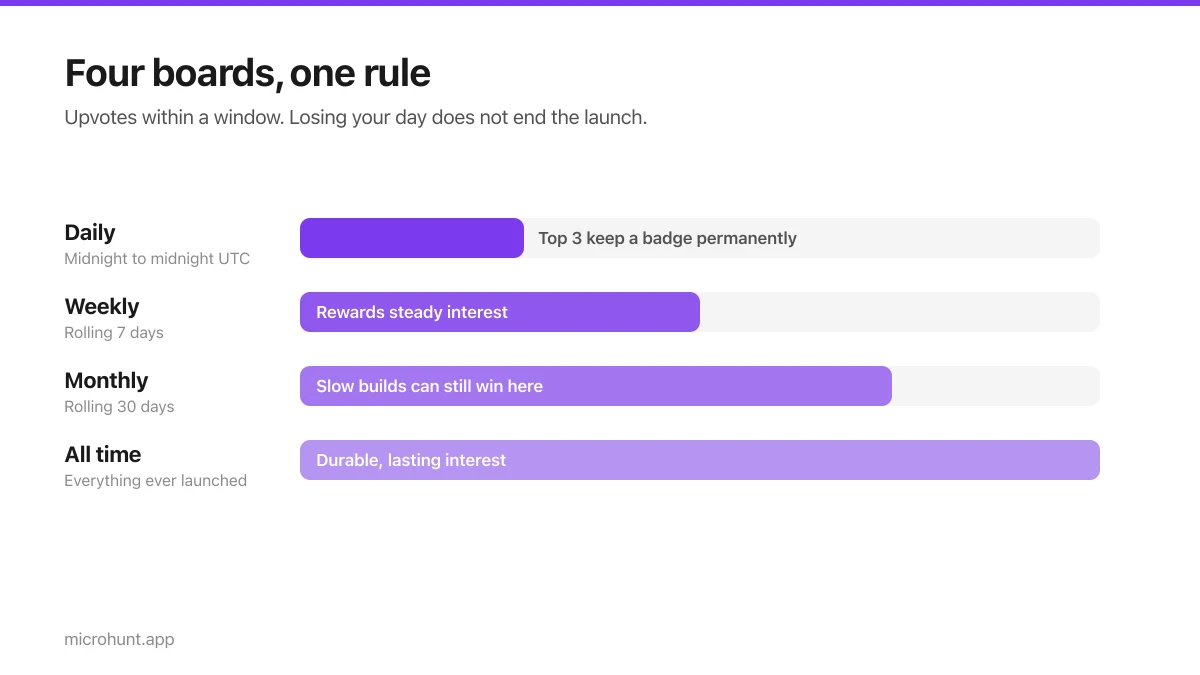
How Vuru Ranking Works (And How to Win a Badge)
Launch windows, upvotes, podium badges and what we do about vote manipulation — the whole ranking system explained plainly.
7 min read
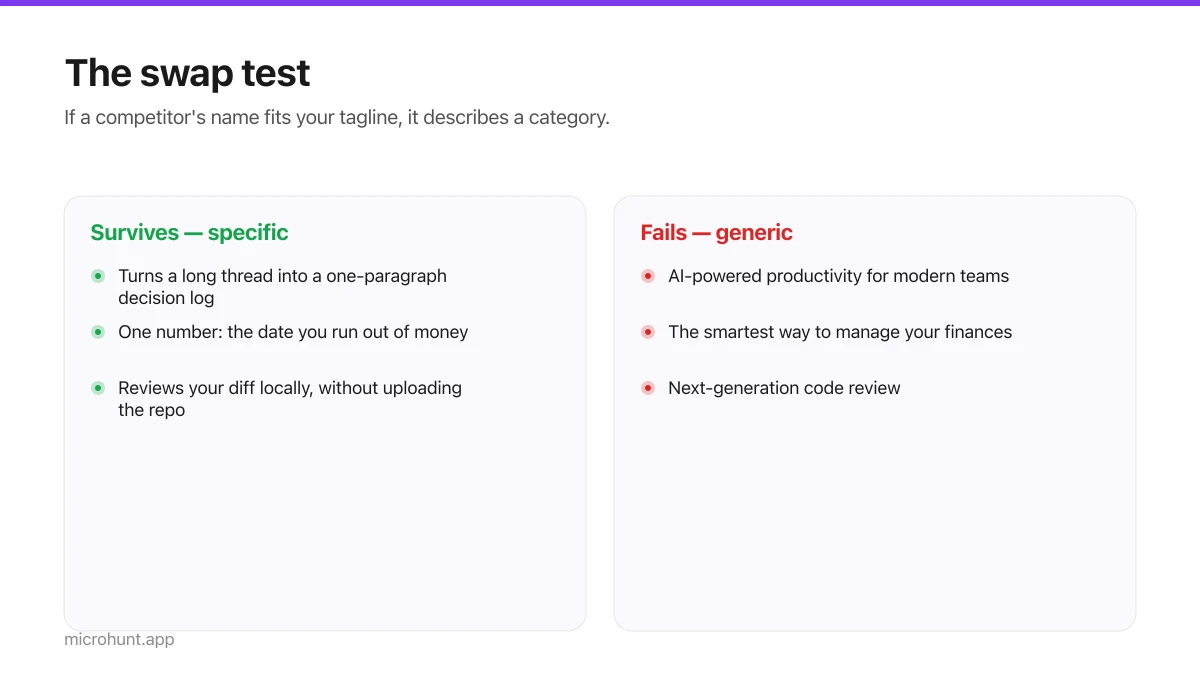
How to Write a Product Tagline That Actually Gets Clicked
The one line most people will ever read about your product, and a simple test for whether yours is doing any work.
7 min read
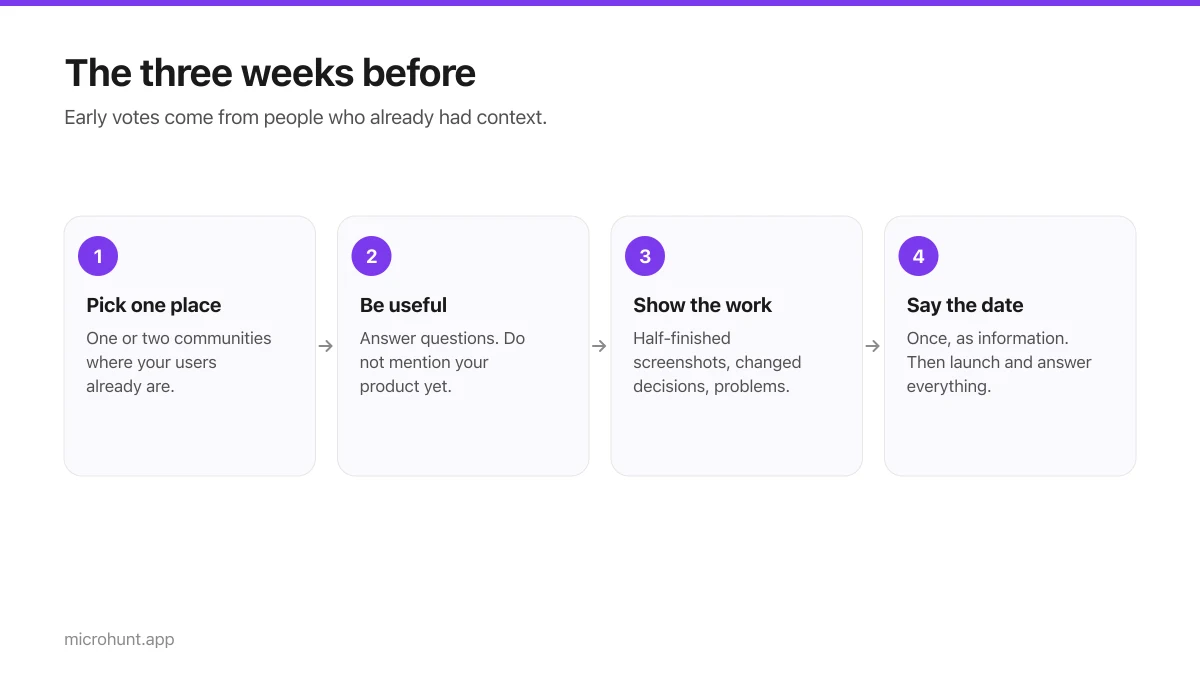
How to Get Your First Upvotes Without Begging
What actually generates early votes, why vote-for-vote groups do not work, and the approach that keeps paying off after launch day.
7 min read
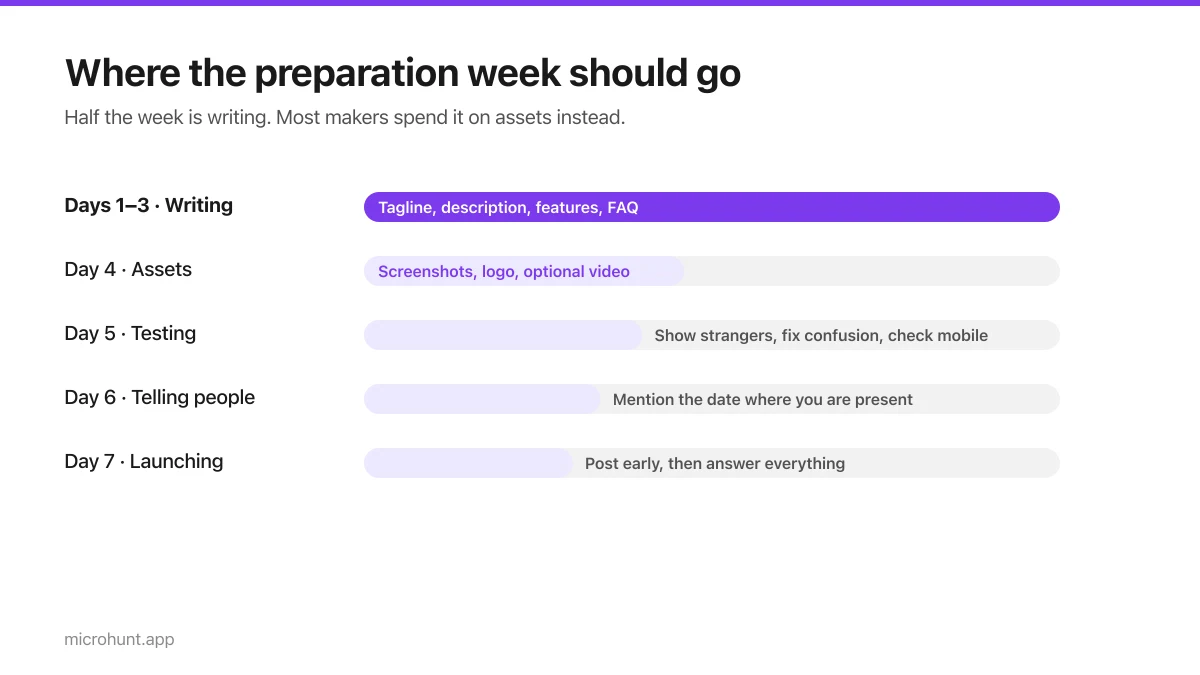
The Seven-Day Launch Checklist
A day-by-day plan for the week before you launch, weighted towards the things that actually change the outcome.
8 min read
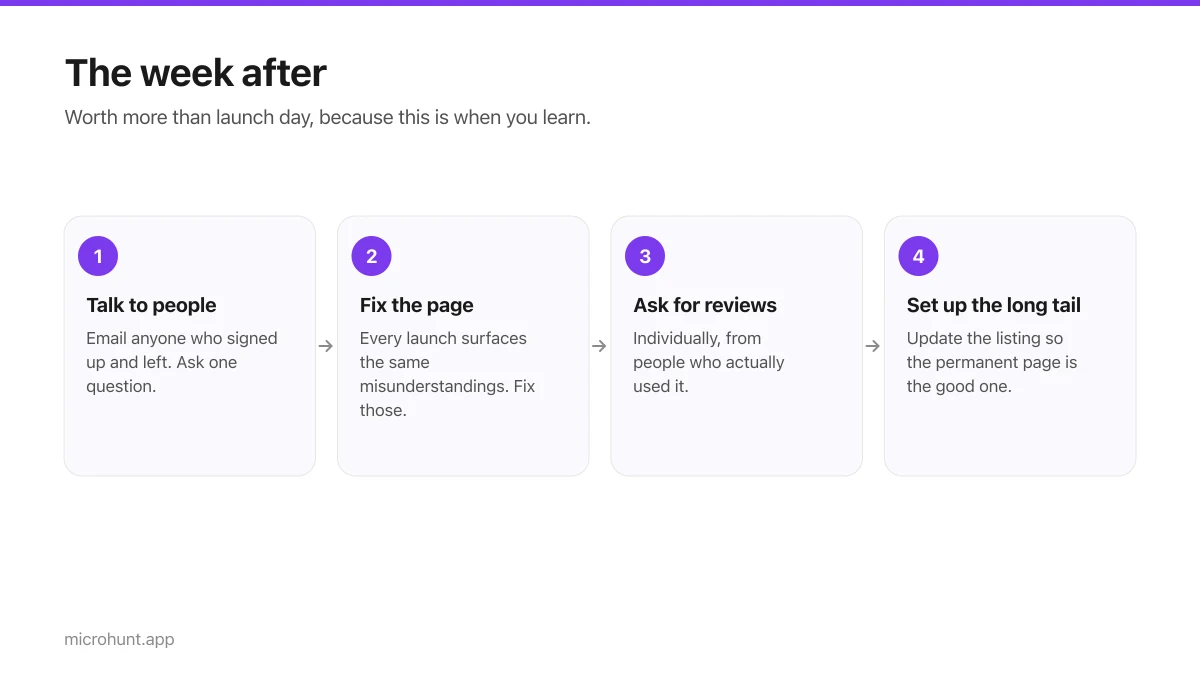
What to Do the Week After Launch Day
The traffic spike is over. Here is how to turn a day of attention into something that lasts longer than the graph.
7 min read