Nutrition
Food logging, planning and dietary tracking.
Nothing launched in this category yet.
Be the firstAbout Nutrition
Nutrition tools cover food logging, recipe management, meal planning, grocery workflows and the analysis layer that turns what you ate into numbers. The category is well served and the quality varies enormously, mostly on the strength of the underlying food database.
That database is the thing to evaluate first. Most logging apps rely substantially on user-submitted entries, and user-submitted entries are frequently wrong — wrong portion sizes, wrong values, duplicates of the same product with different numbers. An app with a verified database, or one that clearly distinguishes verified entries from submitted ones, produces figures you can act on. One that does not produces confident numbers built on noise.
Even with a perfect database, portion estimation dominates the error. Research on self-reported intake consistently finds substantial underestimation, and it is not dishonesty; estimating quantity by eye is genuinely difficult. This is worth knowing because it means the absolute totals are approximate for everyone. The trends and the relative comparisons are the useful part.
Logging is also effortful, and adherence collapses over time for most people. Tools that reduce friction — barcode scanning, recent and frequent foods, whole meals saved as one entry, photo-based estimation — extend how long people keep going, which matters more than analytical depth. A rough log maintained for a year beats a precise one maintained for a fortnight.
Meal planning and grocery tools are the underrated half of this subcategory and arguably the higher-value one, because deciding what to eat in advance changes what you eat far more reliably than recording it afterwards. Anything that reduces the daily decision — a plan, a repeated shop, prepared components — does more work than any tracker.
A firm caution: this software is for general wellness. It does not account for medical conditions, medications, pregnancy, disordered eating history or clinical goals, and none of it constitutes dietary advice for your situation. If you have a condition or a complicated relationship with food, a registered professional is the right source, and calorie tracking specifically is contraindicated for some people.
Recipe management is the least fraught corner here and quietly excellent: importing, scaling, converting units and generating a shopping list solves a real daily problem with no caveats attached.
From the blog
Reading on launching, ranking and nutrition.
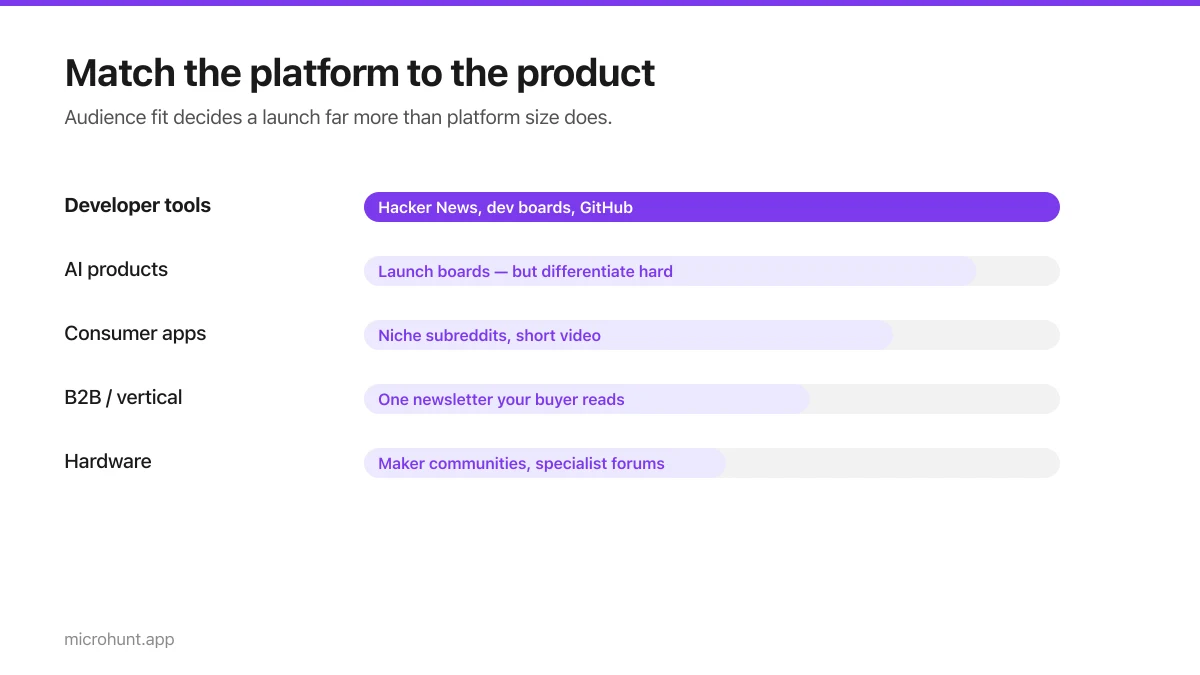
Best Product Hunt Alternatives for Launching in 2026
Where else to launch when Product Hunt is not the right fit — what each platform is actually good at, who shows up, and what it costs.
8 min read
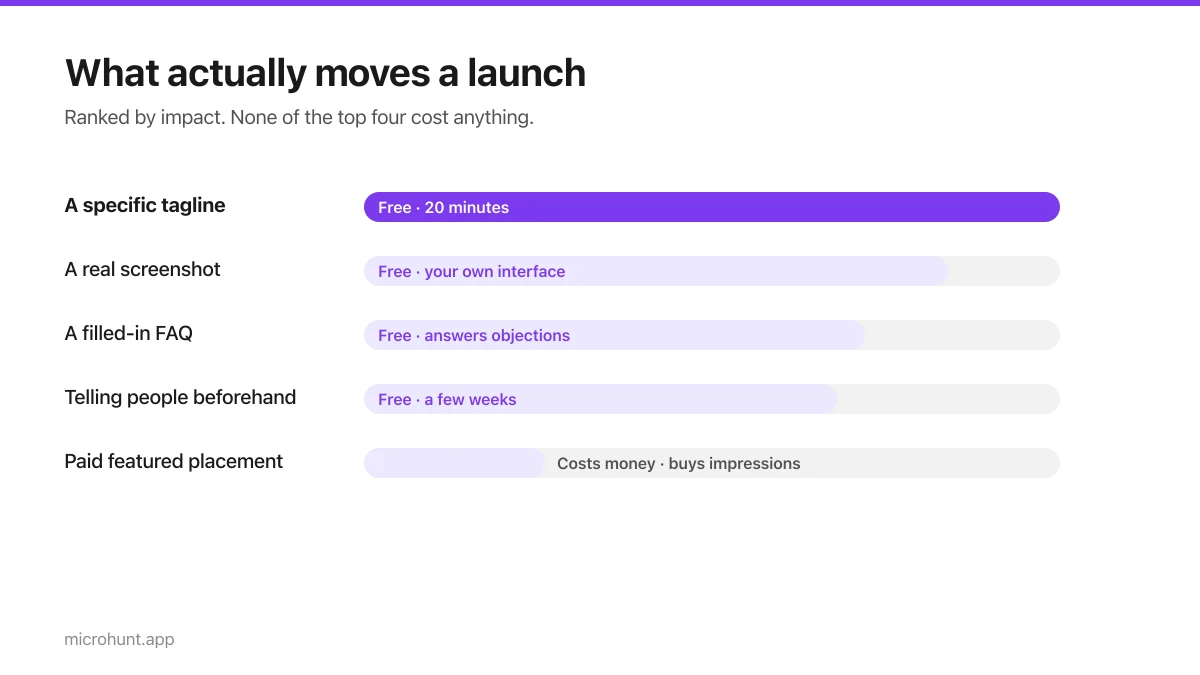
Free Launch Platforms for Indie Makers (No Budget Needed)
You do not need to pay to launch. Here are the places that are genuinely free, what each expects from you, and where paying is actually worth it.
7 min read
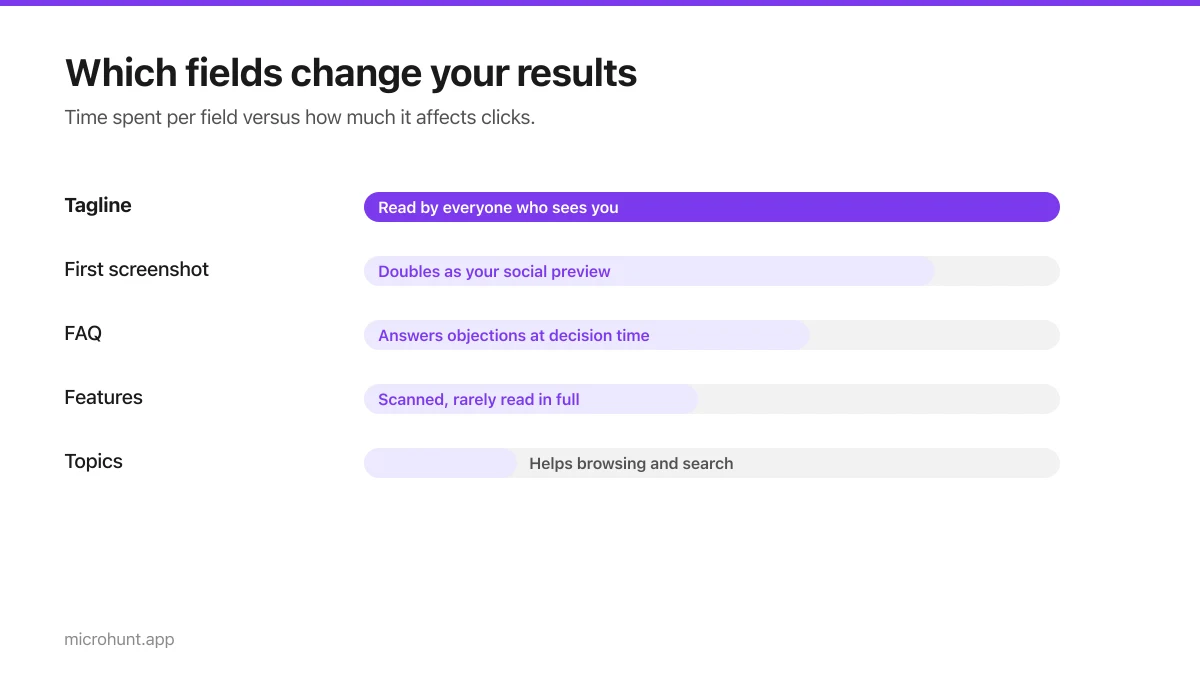
How to Submit a Product on Vuru (Step by Step)
A walk through the submission form, what each field does to your page, and the fields most people leave empty that they shouldn't.
7 min read
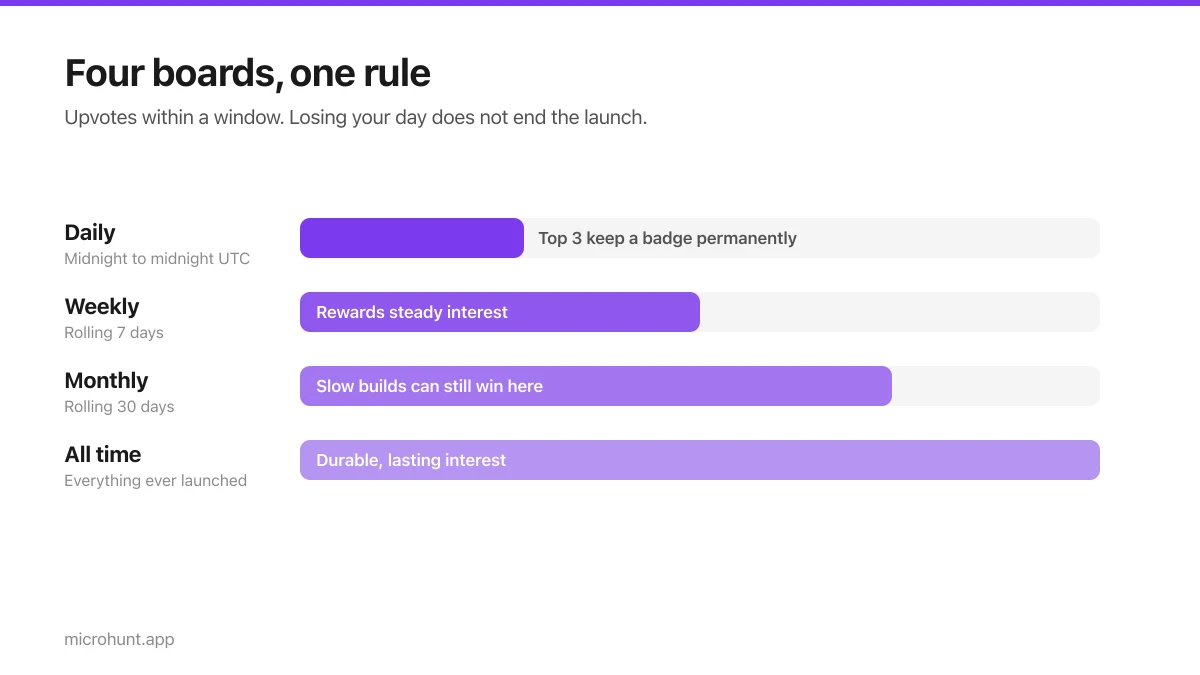
How Vuru Ranking Works (And How to Win a Badge)
Launch windows, upvotes, podium badges and what we do about vote manipulation — the whole ranking system explained plainly.
7 min read
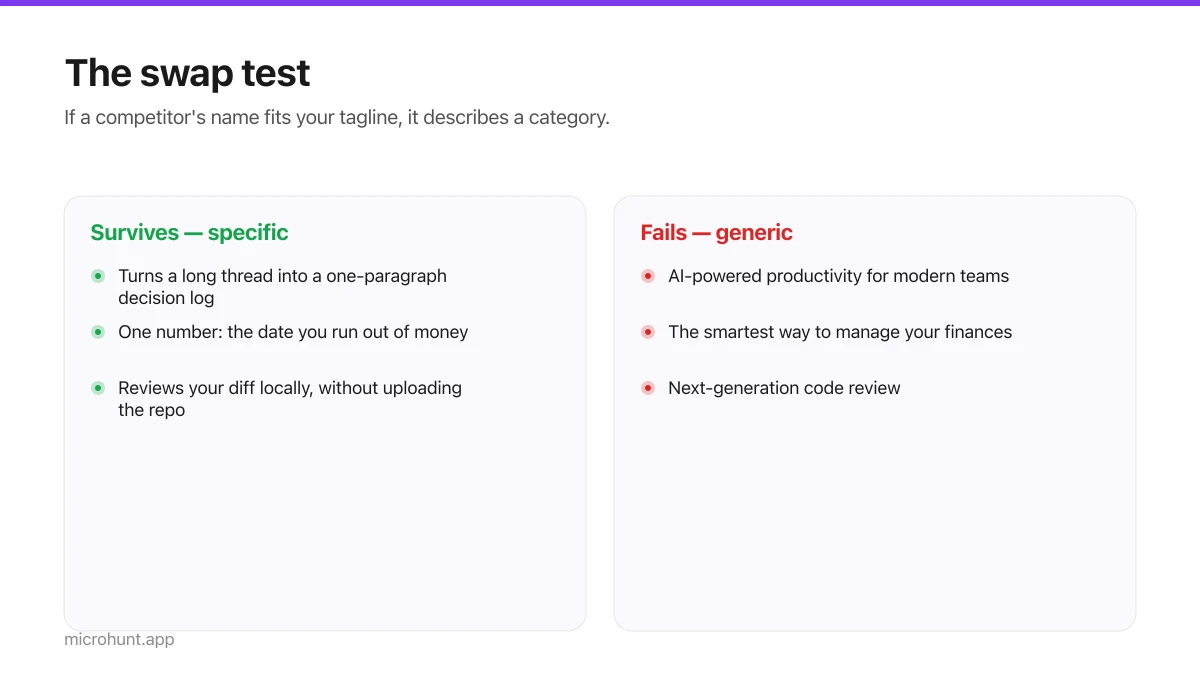
How to Write a Product Tagline That Actually Gets Clicked
The one line most people will ever read about your product, and a simple test for whether yours is doing any work.
7 min read
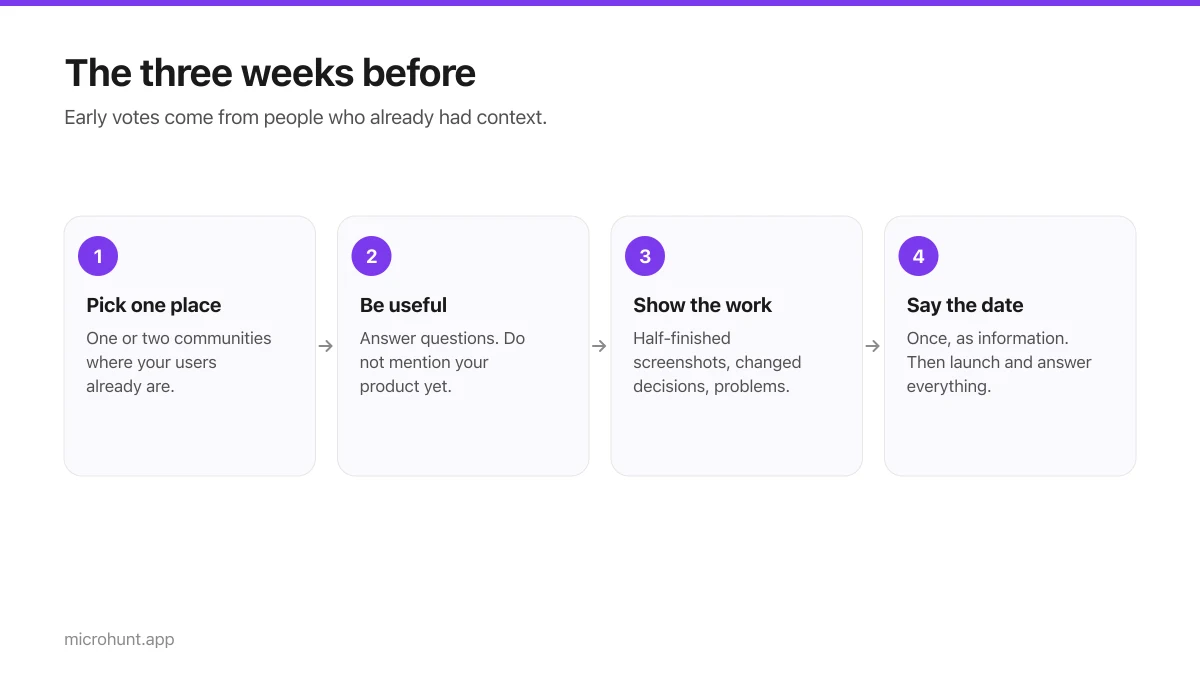
How to Get Your First Upvotes Without Begging
What actually generates early votes, why vote-for-vote groups do not work, and the approach that keeps paying off after launch day.
7 min read
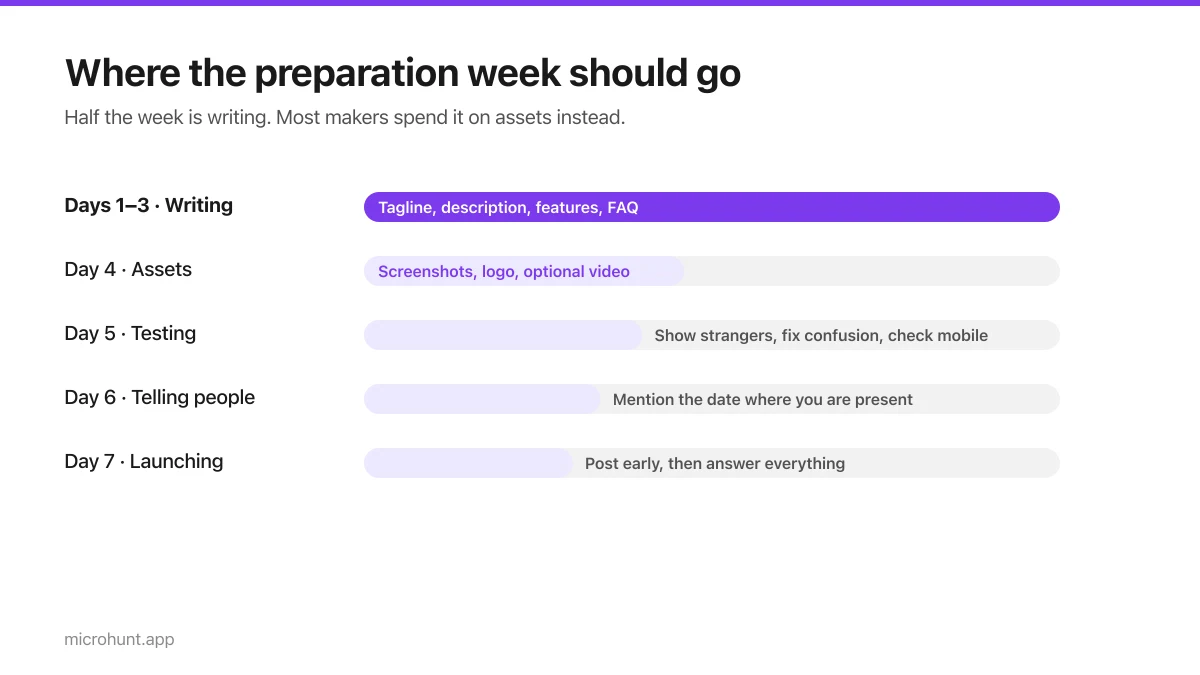
The Seven-Day Launch Checklist
A day-by-day plan for the week before you launch, weighted towards the things that actually change the outcome.
8 min read
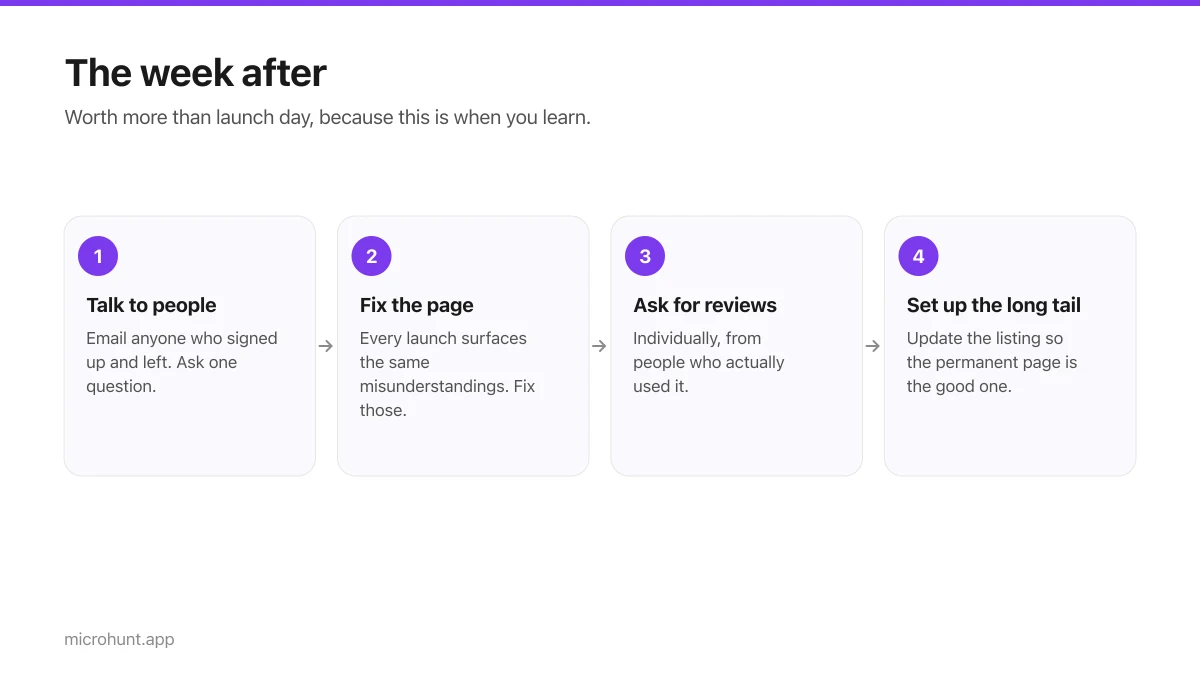
What to Do the Week After Launch Day
The traffic spike is over. Here is how to turn a day of attention into something that lasts longer than the graph.
7 min read