Health & Fitness
Training, sleep, nutrition, mental health and wellbeing.
1 product
About Health & Fitness
Health tools sit closer to a person's life than anything else on a launch board, and the category deserves a more careful eye because of it. The data involved is sensitive, the claims are easy to overstate, and the consequences of a product that quietly does not work are measured in months of wasted effort rather than a refund.
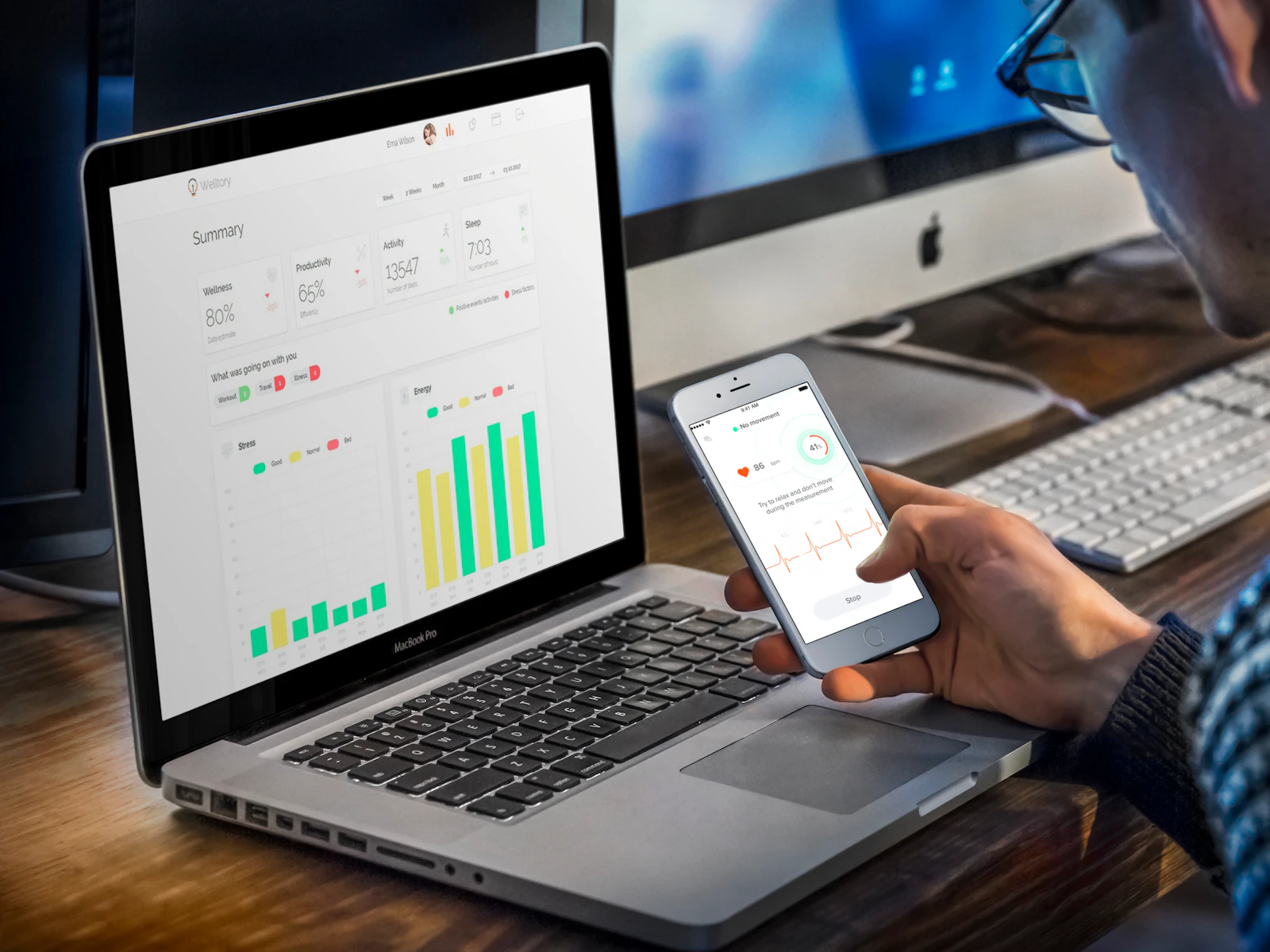
The launches here cover training and strength programming, running and endurance, sleep tracking, nutrition and food logging, mental health and meditation, rehabilitation and mobility, and the growing set of tools that read data from a wearable and try to turn it into a decision. Some replace a coach. Most are better understood as instrumentation: they tell you what happened so you can decide what to change.
The most reliable signal of quality in this category is how a tool handles inconsistency. Real training blocks get interrupted by illness, travel and work. Real food logs have gaps. Real sleep is irregular. Products built on the assumption of perfect adherence produce guilt and then abandonment. Products that re-plan around a missed week, that accept a rough estimate rather than demanding precision, and that make partial data useful are the ones people are still using a year later. When you are evaluating something here, deliberately imagine missing a fortnight and ask what the tool does next.
Privacy deserves more scrutiny here than anywhere else. Health data is legally sensitive in most jurisdictions and commercially valuable everywhere. Tools that process on device, that state plainly what leaves the phone, and that offer a real delete rather than a deactivation are worth preferring even at a cost in features. Be particularly careful with anything that offers to share data with employers, insurers or advertising partners, however that sharing is framed.
The claims question is unavoidable. There is a meaningful difference between a tool that measures something and a tool that diagnoses something, and between general wellbeing guidance and medical advice. Products that are careful about this distinction tend to be careful elsewhere too. Products that imply clinical outcomes without regulatory clearance are telling you something about how they operate. Where a tool touches a real condition — blood sugar, heart rhythm, mental health crisis — the appropriate posture is that it supplements care rather than replacing it, and good products say so.
Wearable independence is an interesting recent direction. A growing number of sleep and activity tools work from a phone on a nightstand or in a pocket, avoiding the cost, charging routine and eventual obsolescence of dedicated hardware. The measurements are coarser. For most people, coarser measurements that get taken every night beat precise measurements from a device that stopped being worn in March.
For makers launching here, restraint reads as competence. State what you measure, how, and with what error. Say what you do not do. This audience contains a lot of people who have been disappointed by confident software, and calibrated honesty stands out immediately.
From the blog
Reading on launching, ranking and health & fitness.
Best Product Hunt Alternatives for Launching in 2026
Where else to launch when Product Hunt is not the right fit — what each platform is actually good at, who shows up, and what it costs.
8 min read
Free Launch Platforms for Indie Makers (No Budget Needed)
You do not need to pay to launch. Here are the places that are genuinely free, what each expects from you, and where paying is actually worth it.
7 min read
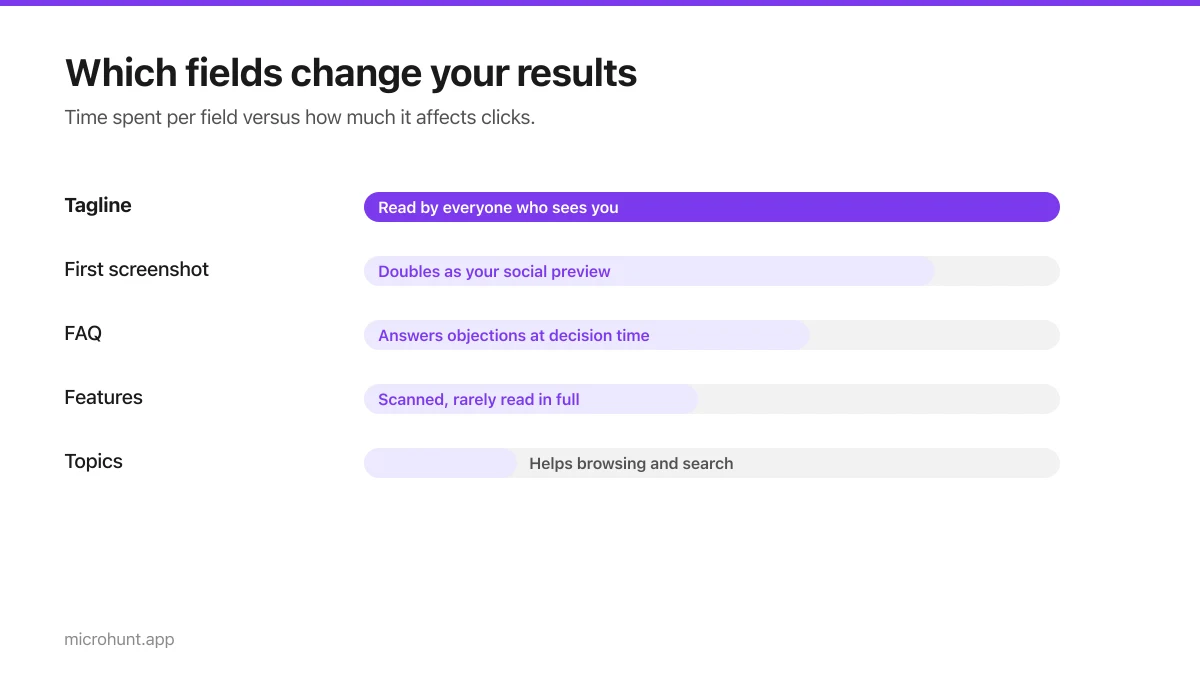
How to Submit a Product on Vuru (Step by Step)
A walk through the submission form, what each field does to your page, and the fields most people leave empty that they shouldn't.
7 min read
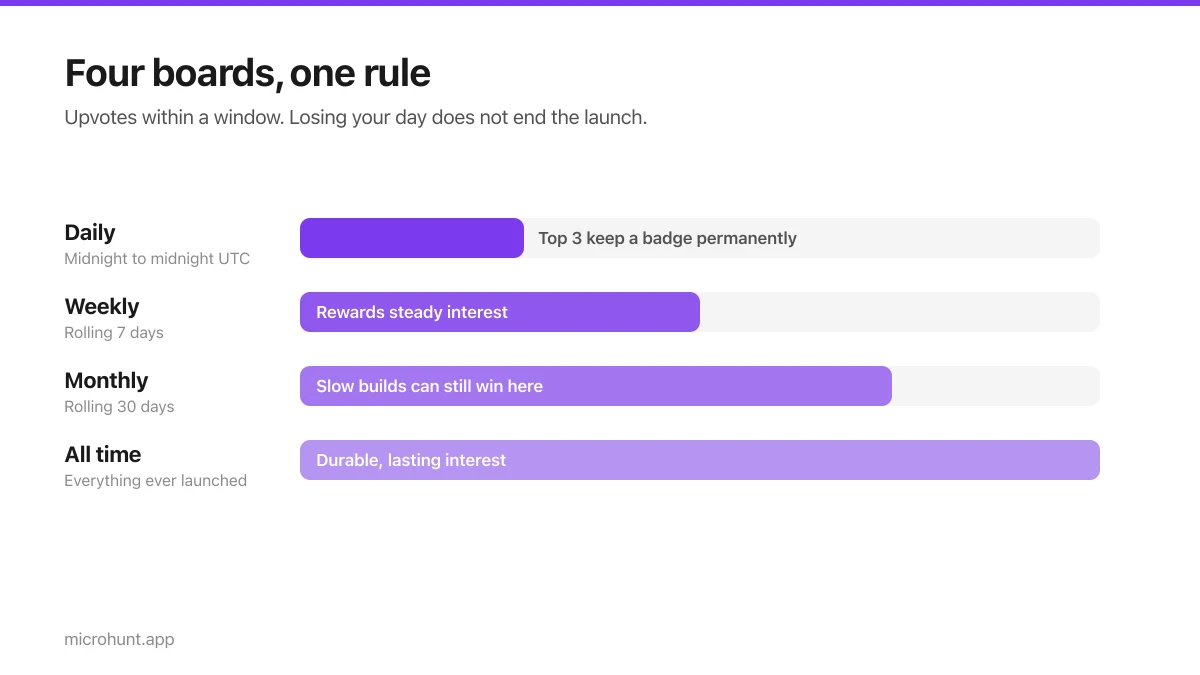
How Vuru Ranking Works (And How to Win a Badge)
Launch windows, upvotes, podium badges and what we do about vote manipulation — the whole ranking system explained plainly.
7 min read
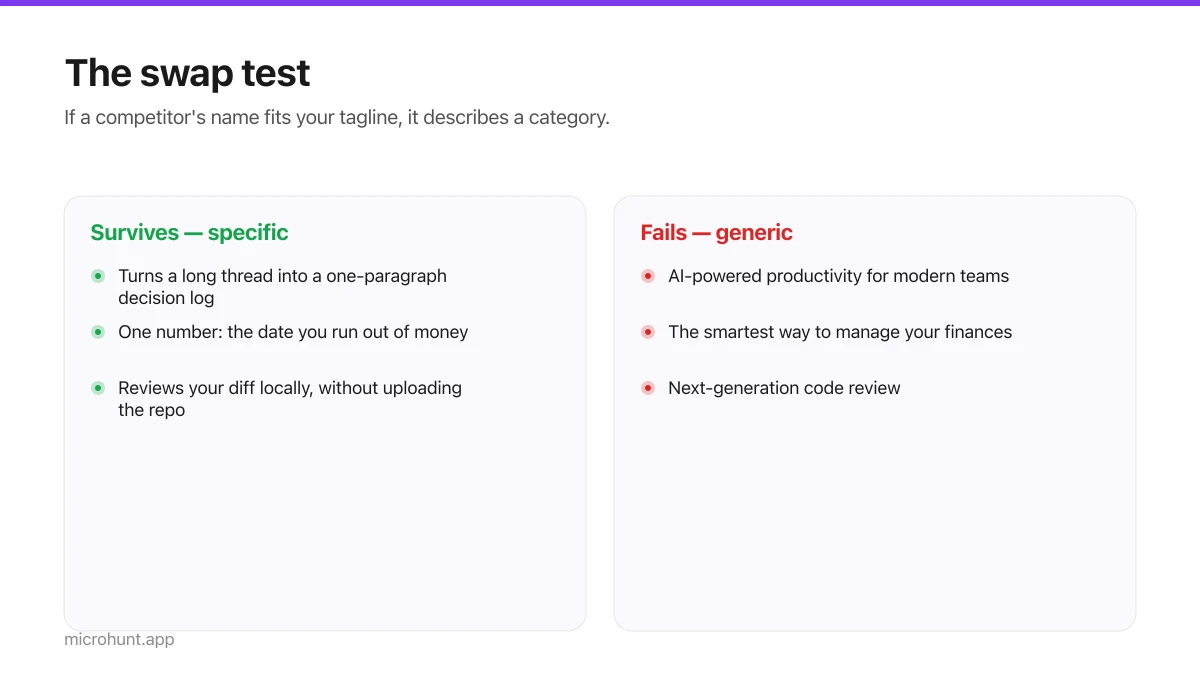
How to Write a Product Tagline That Actually Gets Clicked
The one line most people will ever read about your product, and a simple test for whether yours is doing any work.
7 min read
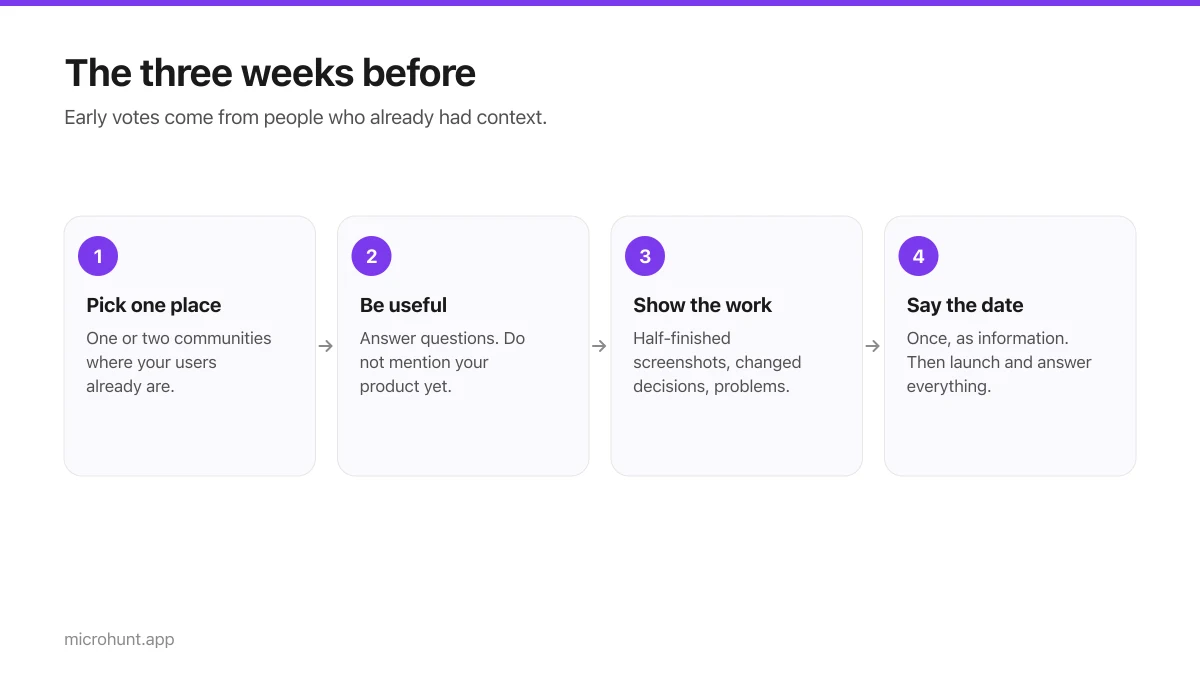
How to Get Your First Upvotes Without Begging
What actually generates early votes, why vote-for-vote groups do not work, and the approach that keeps paying off after launch day.
7 min read
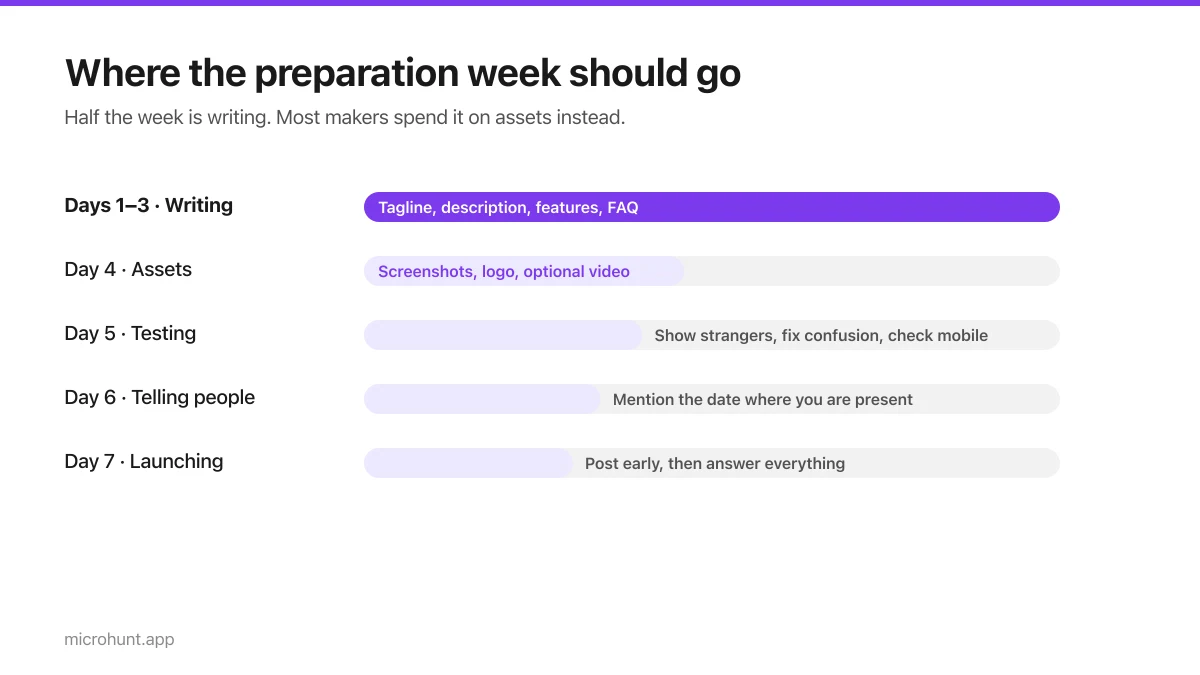
The Seven-Day Launch Checklist
A day-by-day plan for the week before you launch, weighted towards the things that actually change the outcome.
8 min read
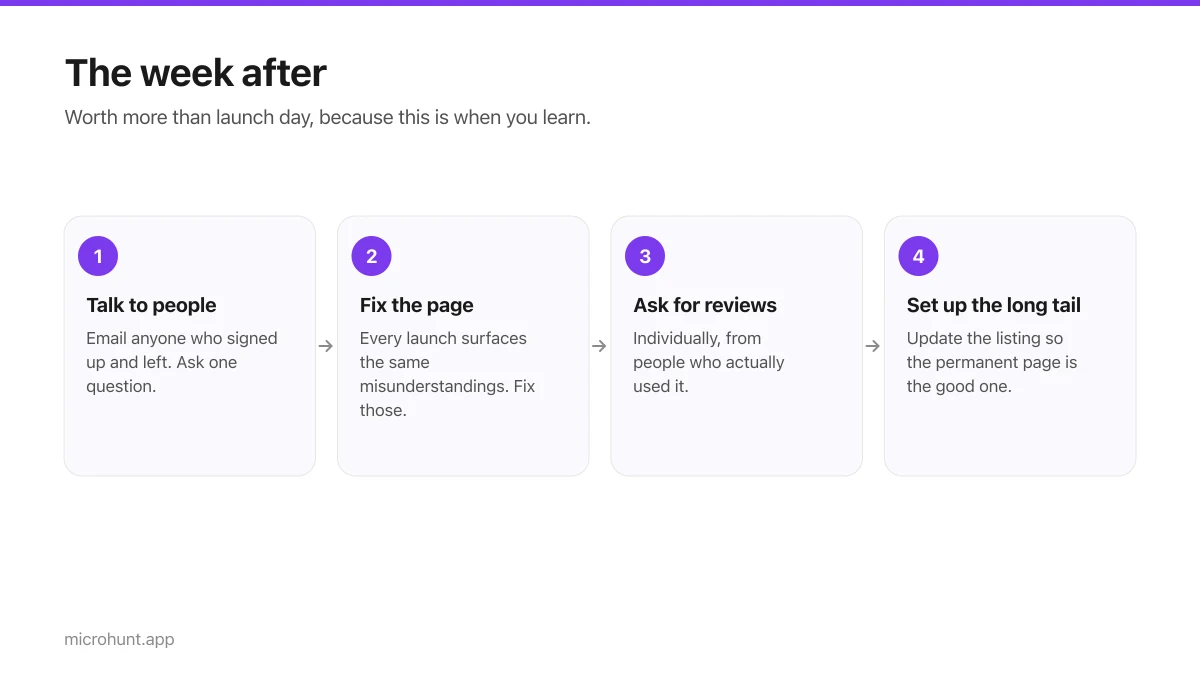
What to Do the Week After Launch Day
The traffic spike is over. Here is how to turn a day of attention into something that lasts longer than the graph.
7 min read