Browser Games
Games that open in a tab, no install.
Nothing launched in this category yet.
Be the firstAbout Browser Games
Browser games have quietly become good again. The platform now supports genuine performance, and the fundamental advantage — a link opens the game, with no install, no store approval and no platform cut — is powerful for exactly the kind of small, sharp game that the independent scene makes best.
The technical picture is straightforward. Modern browsers handle hardware-accelerated graphics and near-native compute for the compiled languages that target them, which means the ceiling is far above where most people assume. The real constraints are download size, since a player waits rather than installs, and input, since keyboard-and-mouse assumptions break on a phone that may be most of your traffic.
Download size is the discipline that matters most. Every second before something interactive appears loses players, and the effect is brutal because there was no commitment to begin with. Games that show something playable within a few seconds and load the rest behind it dramatically outperform ones that present a progress bar. Compressed assets, streamed content and an early interactive moment are the levers.
The daily-puzzle format deserves specific mention, because it has been the most successful shape in this space recently and for structural reasons: one puzzle a day creates a habit, a shareable result creates distribution that costs nothing, and the constraint keeps the scope small enough for one person to build and maintain. Anyone looking at this subcategory as a maker should understand why that pattern works before dismissing it as a fad.
Monetisation is the weak point and worth being realistic about. Browser players are the least willing to pay of any audience, advertising rates are poor at small scale, and payment friction in a browser is higher than in a store. The models that work tend to be a free game as a portfolio piece or funnel, sponsorship, or a premium version elsewhere.
Saving progress requires a decision: local storage is simple and lost when a player clears their browser or switches device, while accounts preserve progress and add friction plus a data obligation. For a short game, local is correct; for anything with long progression, it is not.
Accessibility is easier here than anywhere else in games and frequently skipped: keyboard alternatives, adjustable speed, and not relying on colour alone.
From the blog
Reading on launching, ranking and browser games.
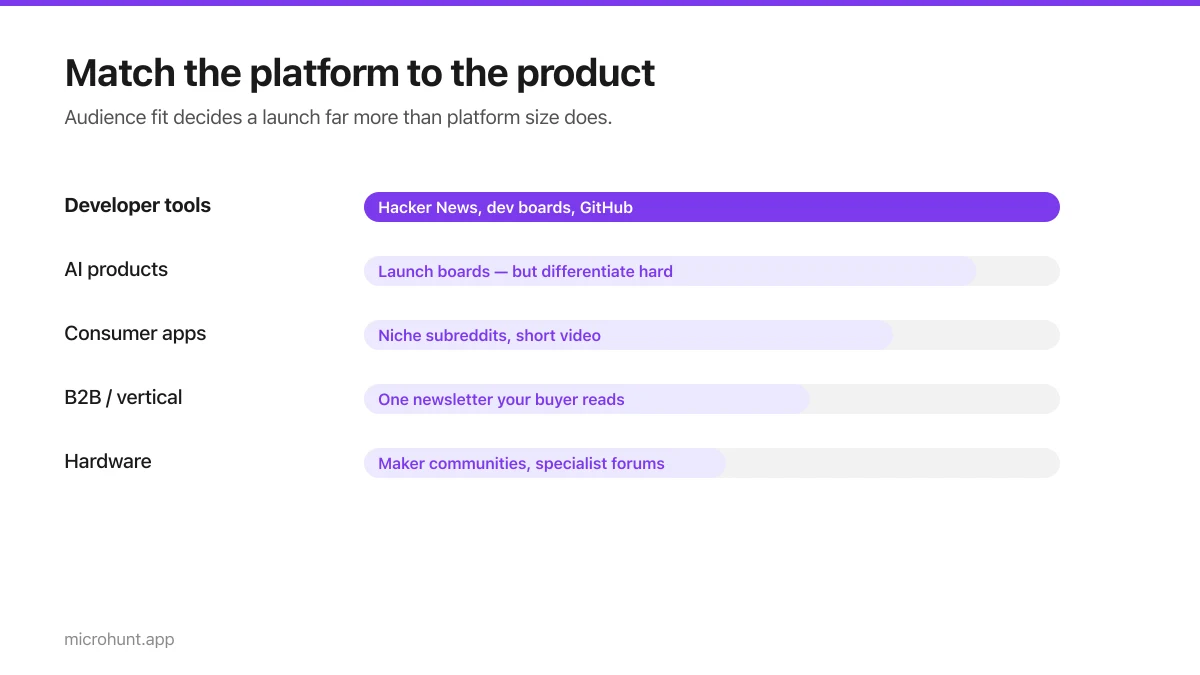
Best Product Hunt Alternatives for Launching in 2026
Where else to launch when Product Hunt is not the right fit — what each platform is actually good at, who shows up, and what it costs.
8 min read
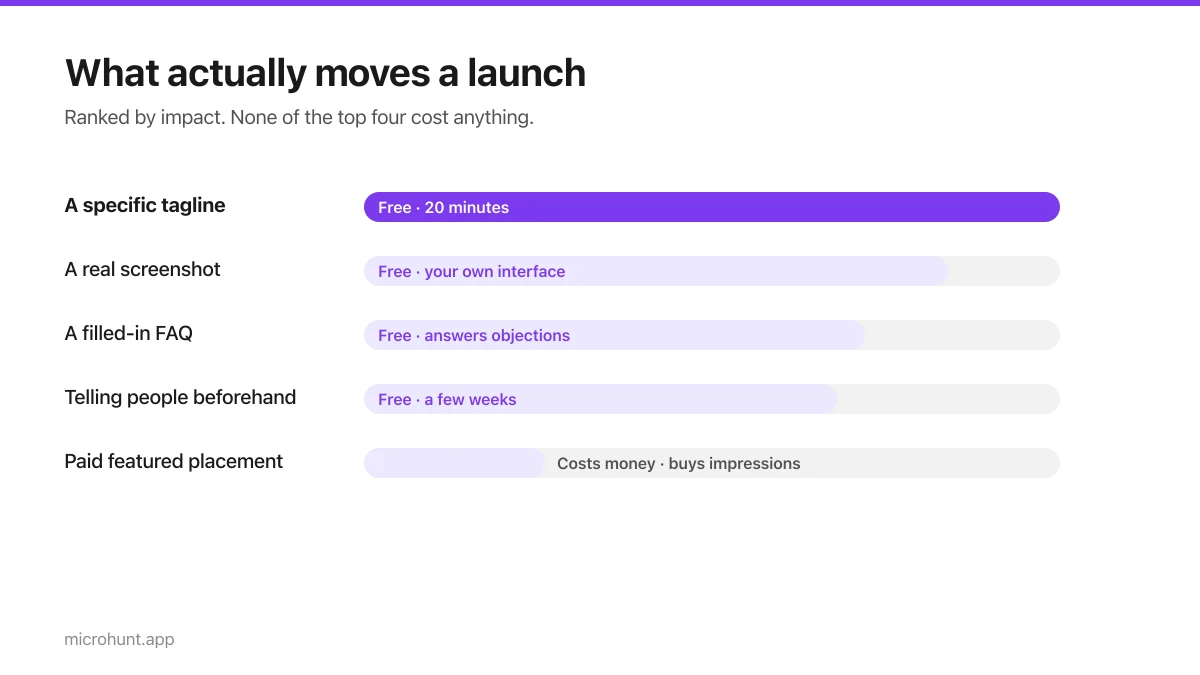
Free Launch Platforms for Indie Makers (No Budget Needed)
You do not need to pay to launch. Here are the places that are genuinely free, what each expects from you, and where paying is actually worth it.
7 min read
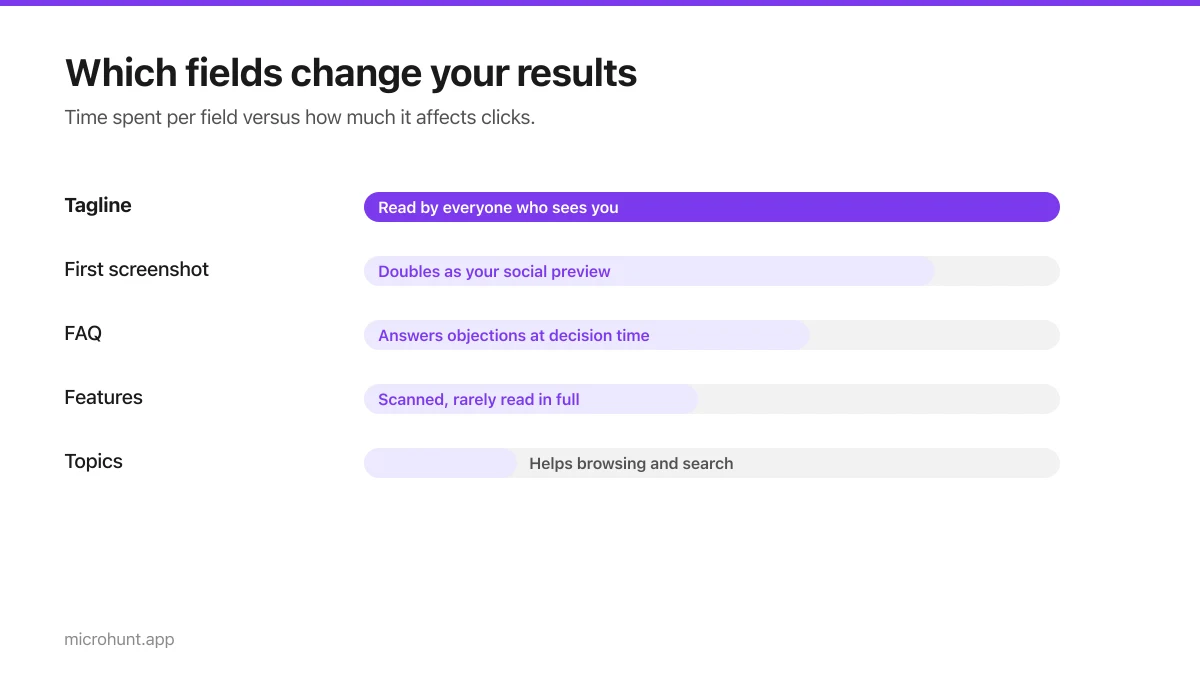
How to Submit a Product on Vuru (Step by Step)
A walk through the submission form, what each field does to your page, and the fields most people leave empty that they shouldn't.
7 min read
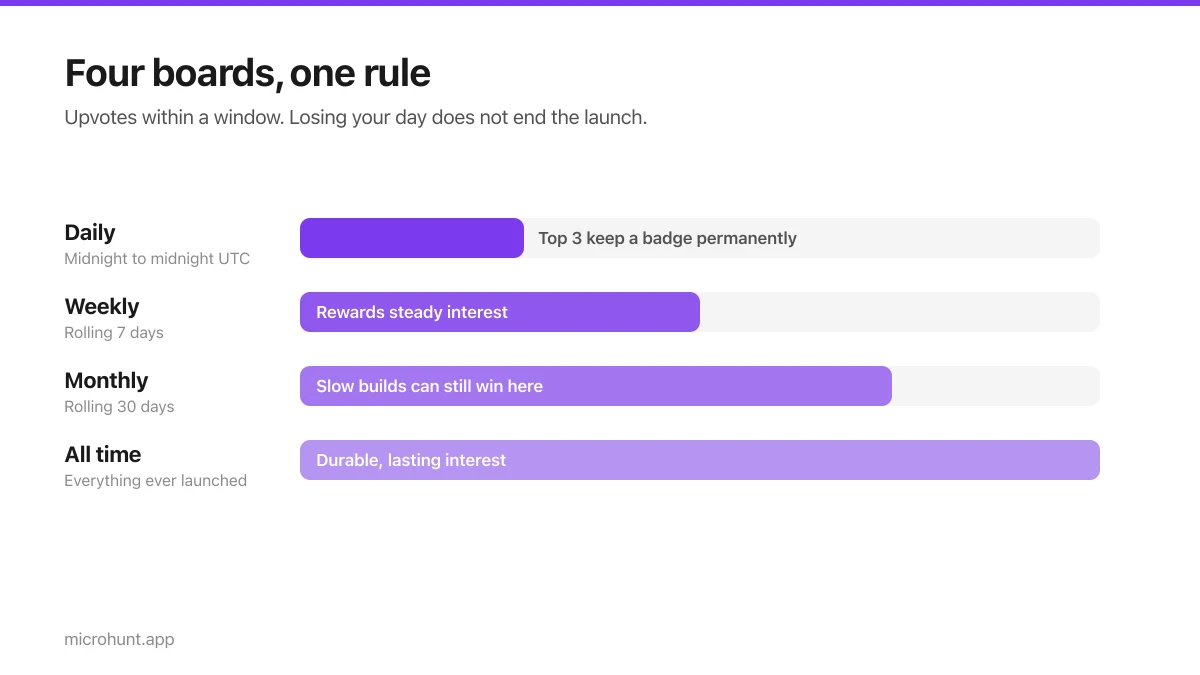
How Vuru Ranking Works (And How to Win a Badge)
Launch windows, upvotes, podium badges and what we do about vote manipulation — the whole ranking system explained plainly.
7 min read
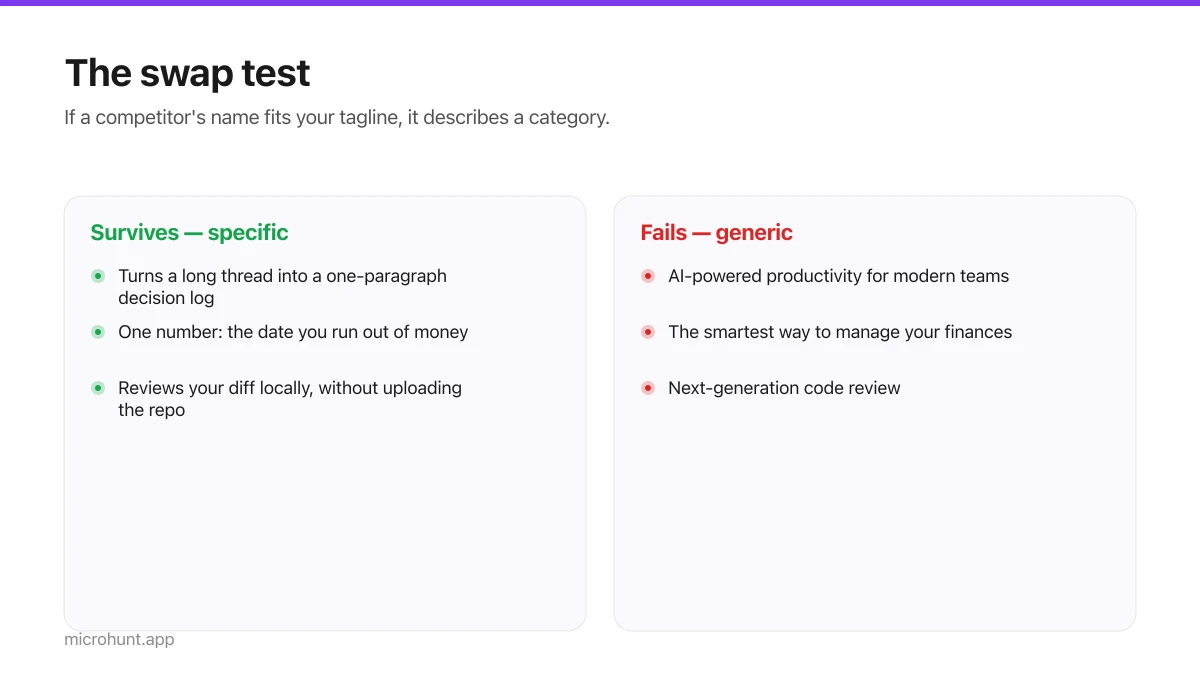
How to Write a Product Tagline That Actually Gets Clicked
The one line most people will ever read about your product, and a simple test for whether yours is doing any work.
7 min read
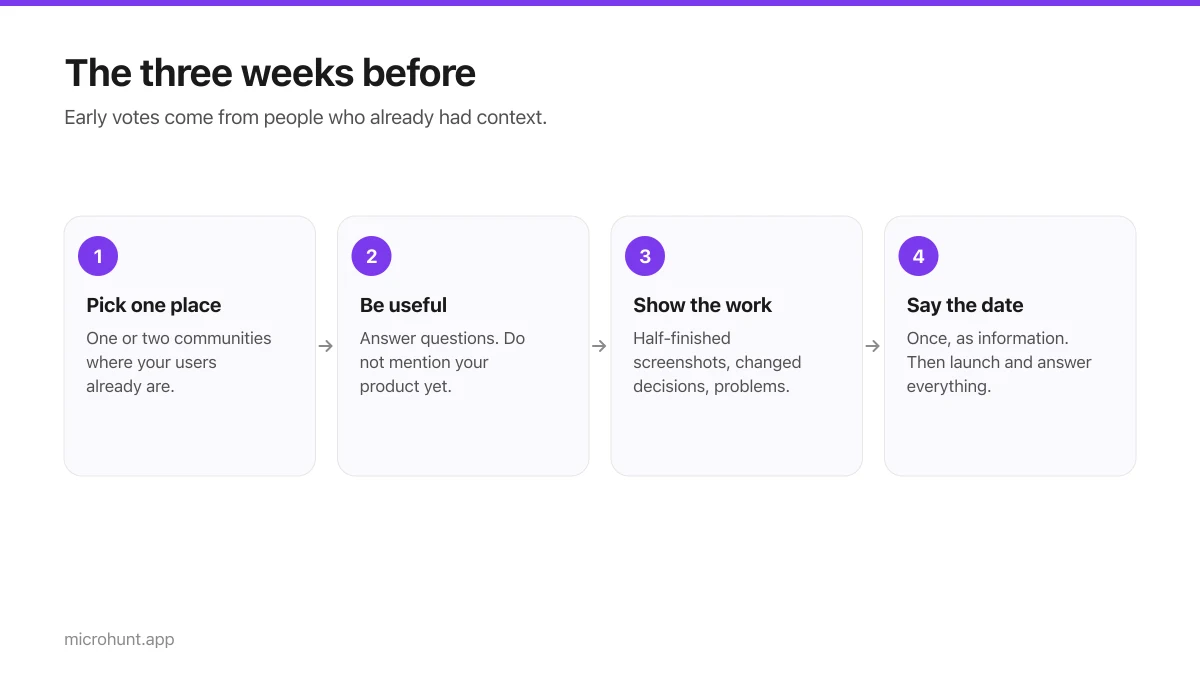
How to Get Your First Upvotes Without Begging
What actually generates early votes, why vote-for-vote groups do not work, and the approach that keeps paying off after launch day.
7 min read
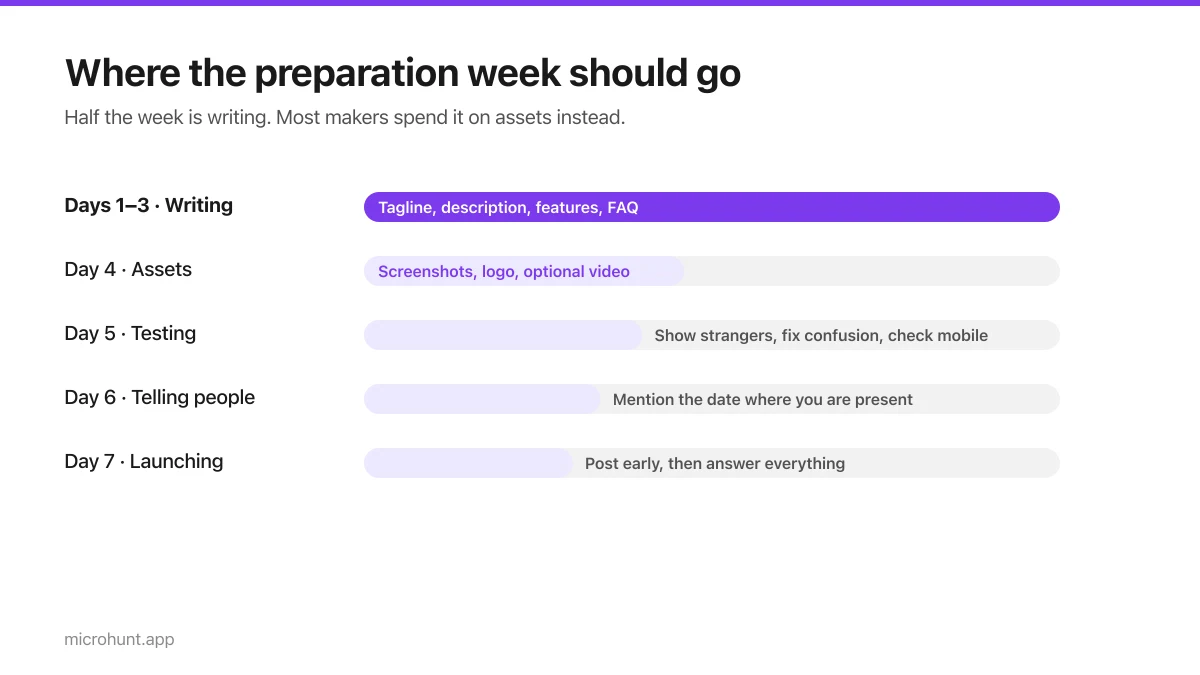
The Seven-Day Launch Checklist
A day-by-day plan for the week before you launch, weighted towards the things that actually change the outcome.
8 min read
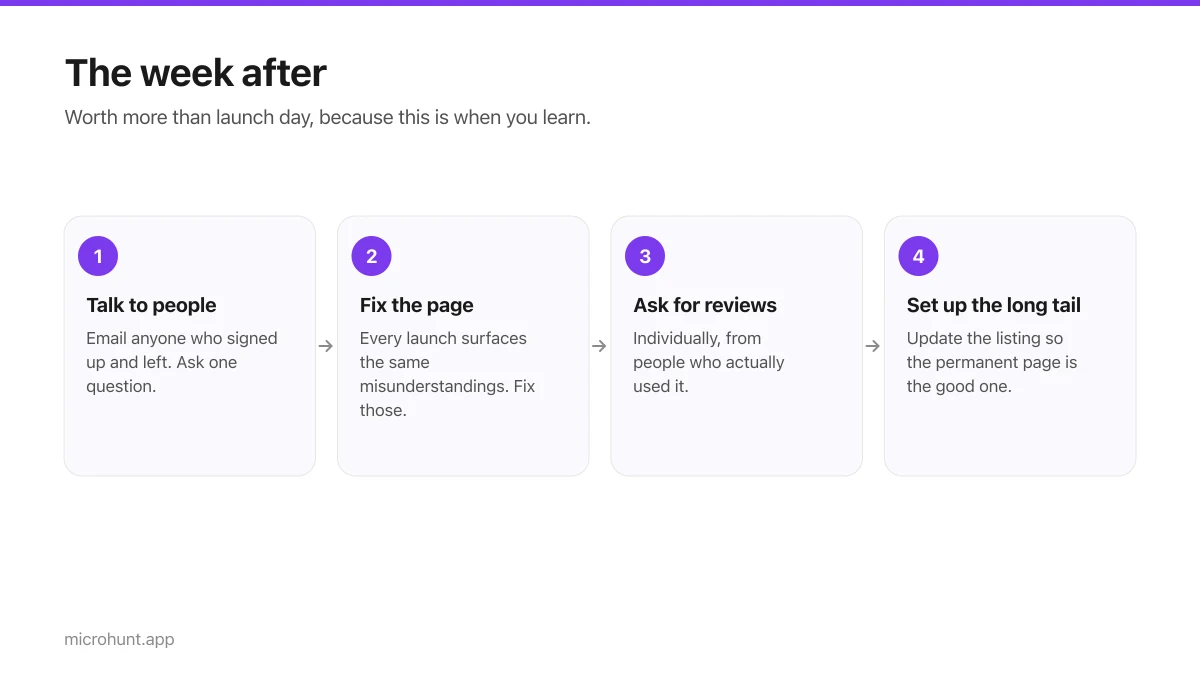
What to Do the Week After Launch Day
The traffic spike is over. Here is how to turn a day of attention into something that lasts longer than the graph.
7 min read