AI Writing
Drafting, editing and rewriting with a model in the loop.
Nothing launched in this category yet.
Be the firstAbout AI Writing
Writing tools with a model attached fall into two camps, and the difference matters more than any feature list. The first camp writes for you: you give it a topic, it gives you eight hundred words, and your job becomes editing something you did not think through. The second camp writes with you: it finishes the sentence you started, questions the paragraph that contradicts the one above it, or tells you the third section is doing the same work as the first. Almost everyone who keeps using an AI writing tool past the first month is using one from the second camp.
The launches collected here span both, so it is worth knowing which you are looking at before you install anything. A useful tell is what the tool does with a blank page. If it offers to fill it, it is a generator. If it waits, it is an editor. Generators are genuinely useful for the writing nobody wants to do — release notes, meta descriptions, the fourth variation of an ad headline — and they are a poor fit for anything where the point is that you thought about it.
The second thing to check is whether the tool sees your actual context. A model that only sees the paragraph in the text box is guessing at your house style, your audience and what you already published. Tools that read the whole document, your previous posts, or a style guide you supplied produce suggestions you can accept without rewriting. This is the single largest quality difference between two tools with otherwise identical descriptions, and it is rarely on the landing page.
Pricing tends to follow one of three shapes. Flat monthly with soft limits is the most predictable and suits steady daily use. Credit or word packs look cheap and become expensive precisely when the tool is working, which is the wrong incentive. Bring-your-own-key is the cheapest at volume and requires you to have an API key and a tolerance for setup. If you write daily, the flat plan almost always wins; if you write in bursts, credits can be genuinely cheaper.
Privacy is worth thirty seconds of your attention here, because drafts are often the most sensitive text a person produces. Look for a clear statement about training on your content, and treat silence as a yes. Tools that run locally sidestep the question entirely at the cost of a smaller model, which for grammar and structure work is frequently enough.
If you are shipping something in this space, the makers who get traction on launch day are the ones who show the tool working on writing that is visibly imperfect, rather than a polished demo where every suggestion lands. See [how to write a product tagline](/blog/how-to-write-a-product-tagline) and the broader [AI category](/categories/ai) for context on where these tools sit.
From the blog
Reading on launching, ranking and ai writing.
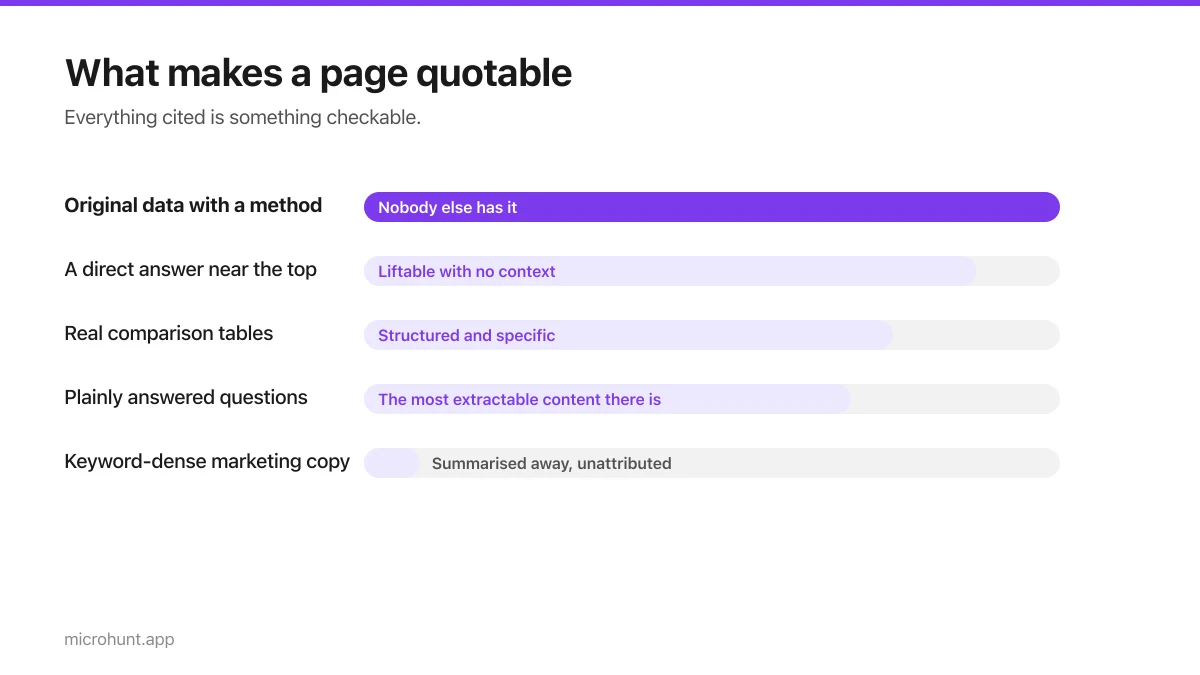
Getting Cited by AI Assistants: What Actually Works
More people are asking an assistant instead of searching. Here is what makes a page quotable rather than summarised away.
8 min read
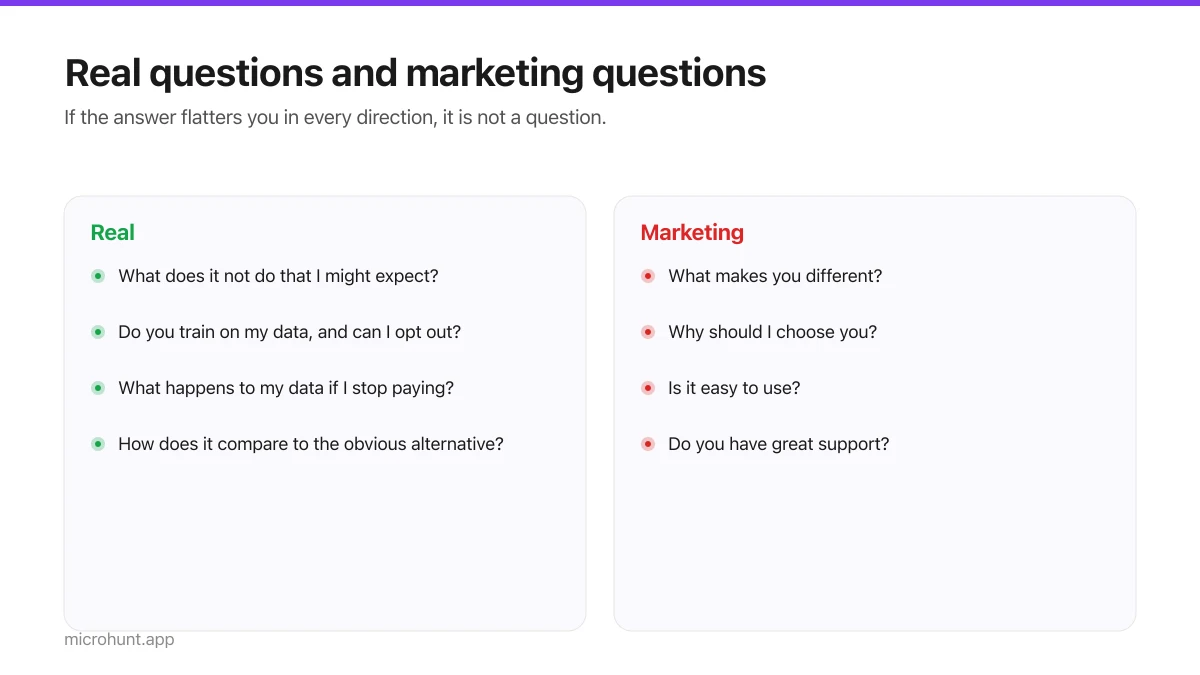
Writing FAQs That Convert (Not Ones That Repeat Your Pitch)
The most skipped section on a product page, and the one that answers the objections making people close the tab.
7 min read
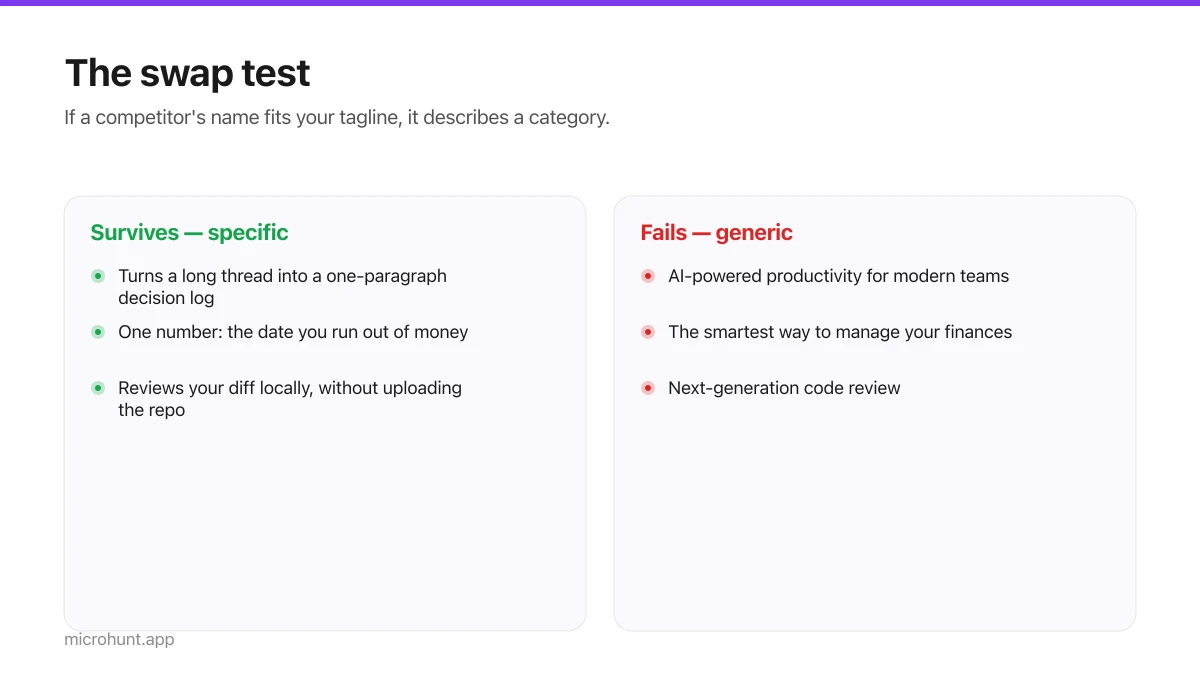
How to Write a Product Tagline That Actually Gets Clicked
The one line most people will ever read about your product, and a simple test for whether yours is doing any work.
7 min read
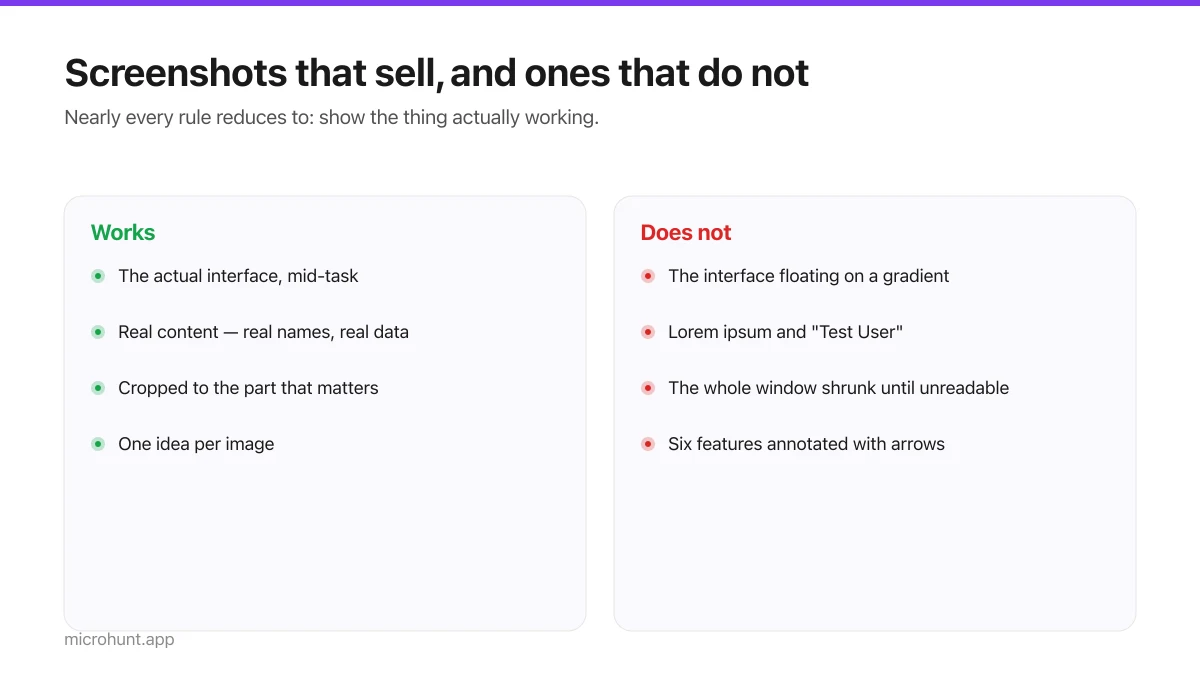
Product Screenshots and Demo Videos That Do the Selling
Your first screenshot is your social preview and often the only thing a visitor looks at. Here is how to make it earn that.
7 min read
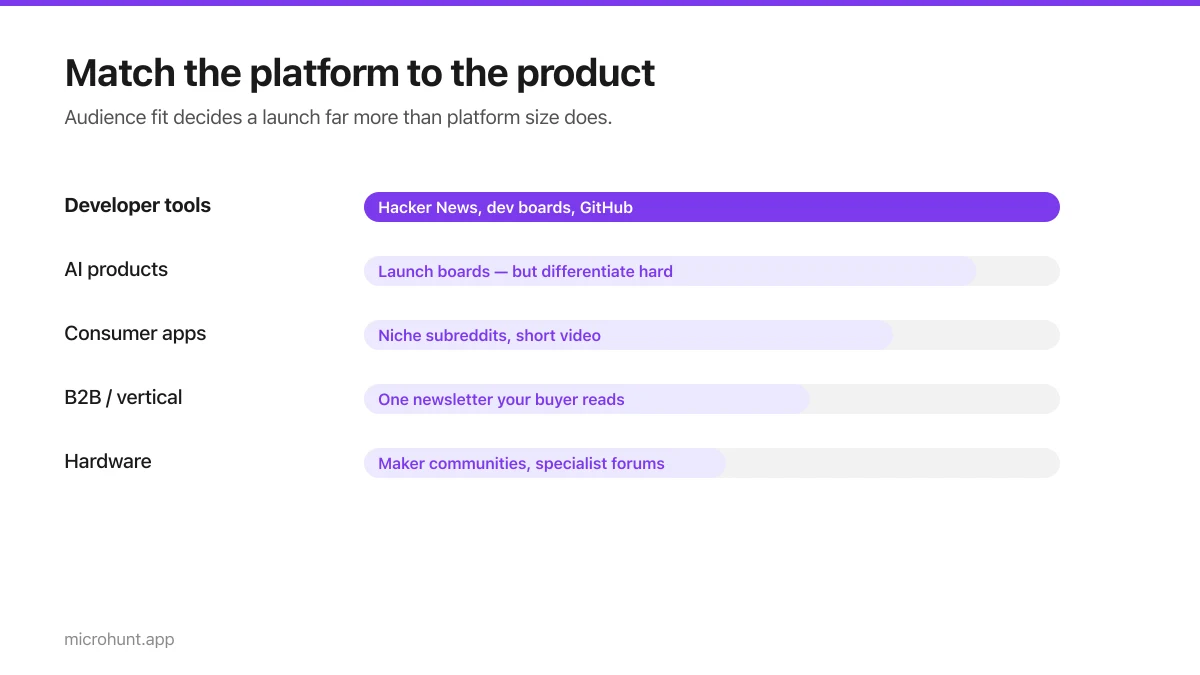
Best Product Hunt Alternatives for Launching in 2026
Where else to launch when Product Hunt is not the right fit — what each platform is actually good at, who shows up, and what it costs.
8 min read
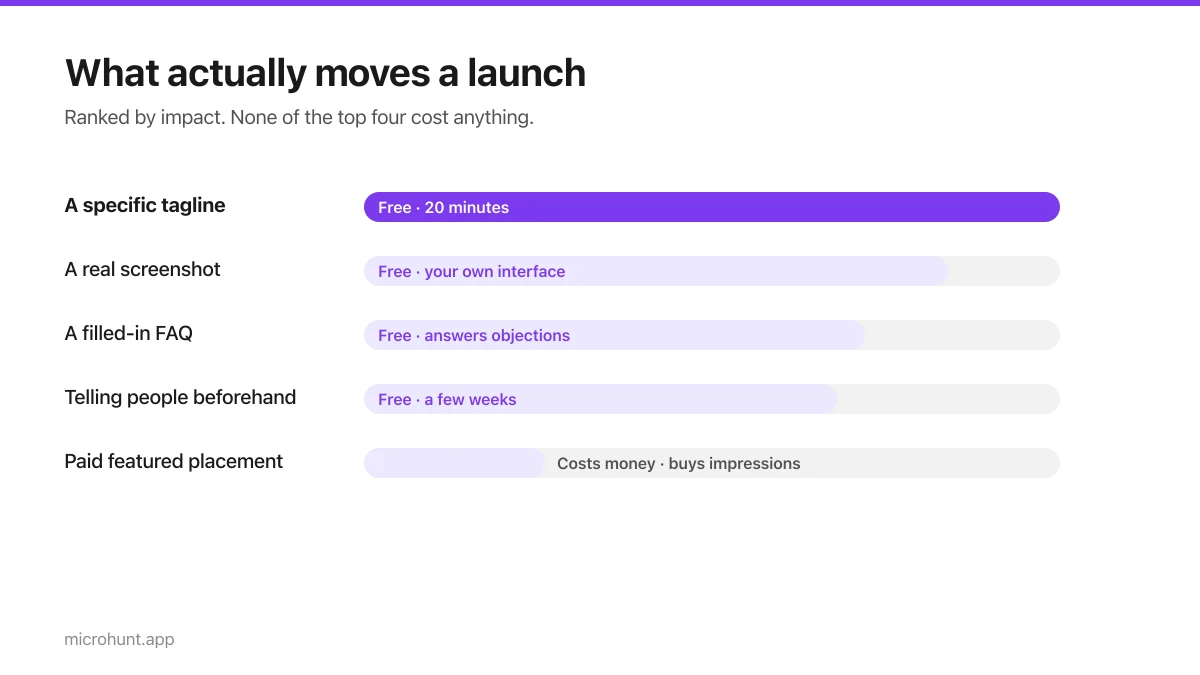
Free Launch Platforms for Indie Makers (No Budget Needed)
You do not need to pay to launch. Here are the places that are genuinely free, what each expects from you, and where paying is actually worth it.
7 min read
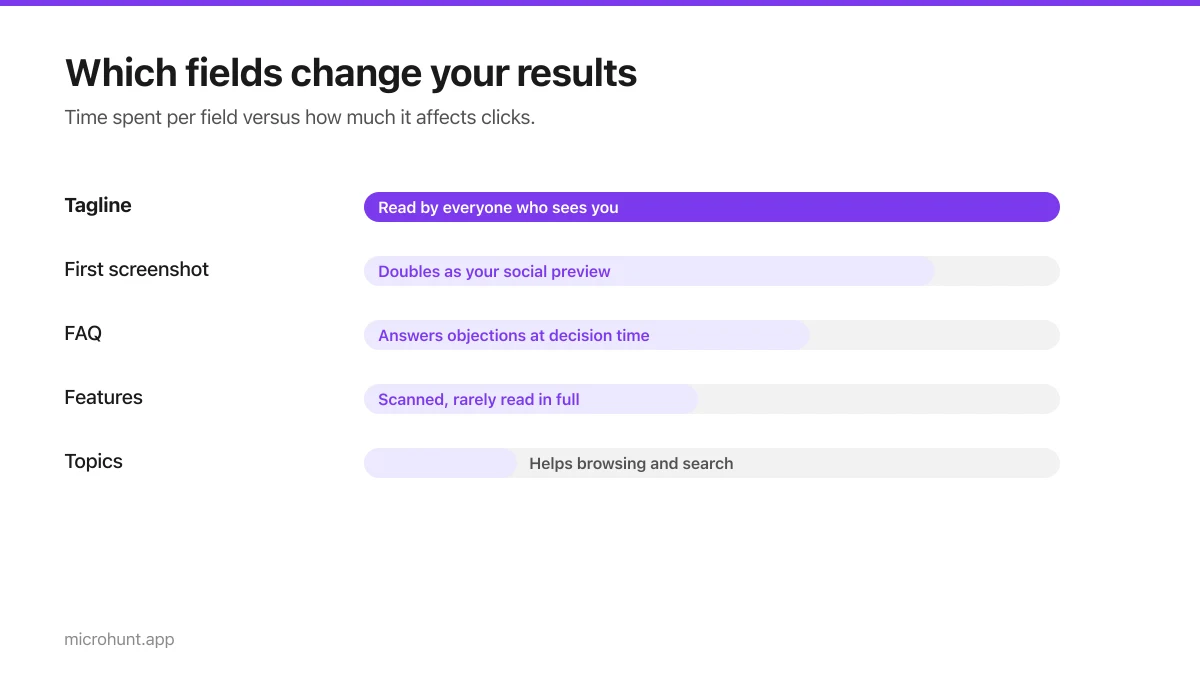
How to Submit a Product on Vuru (Step by Step)
A walk through the submission form, what each field does to your page, and the fields most people leave empty that they shouldn't.
7 min read
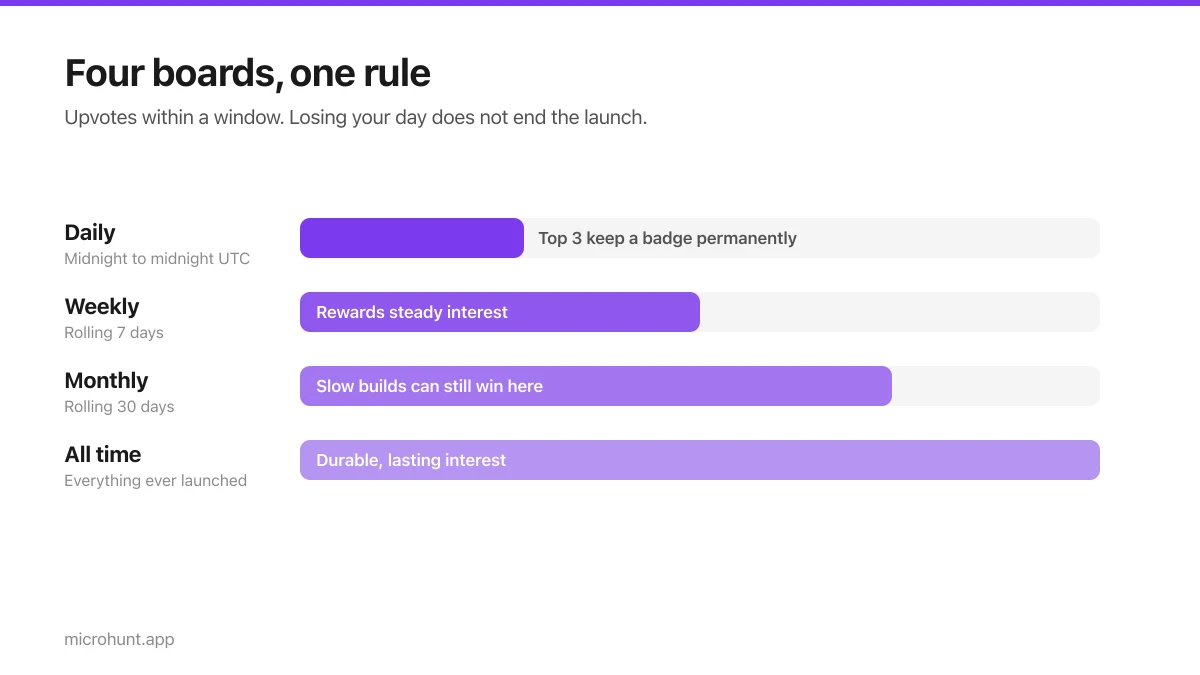
How Vuru Ranking Works (And How to Win a Badge)
Launch windows, upvotes, podium badges and what we do about vote manipulation — the whole ranking system explained plainly.
7 min read