AI & Machine Learning
Models, agents, copilots and everything inference.
85 products · page 4 of 5
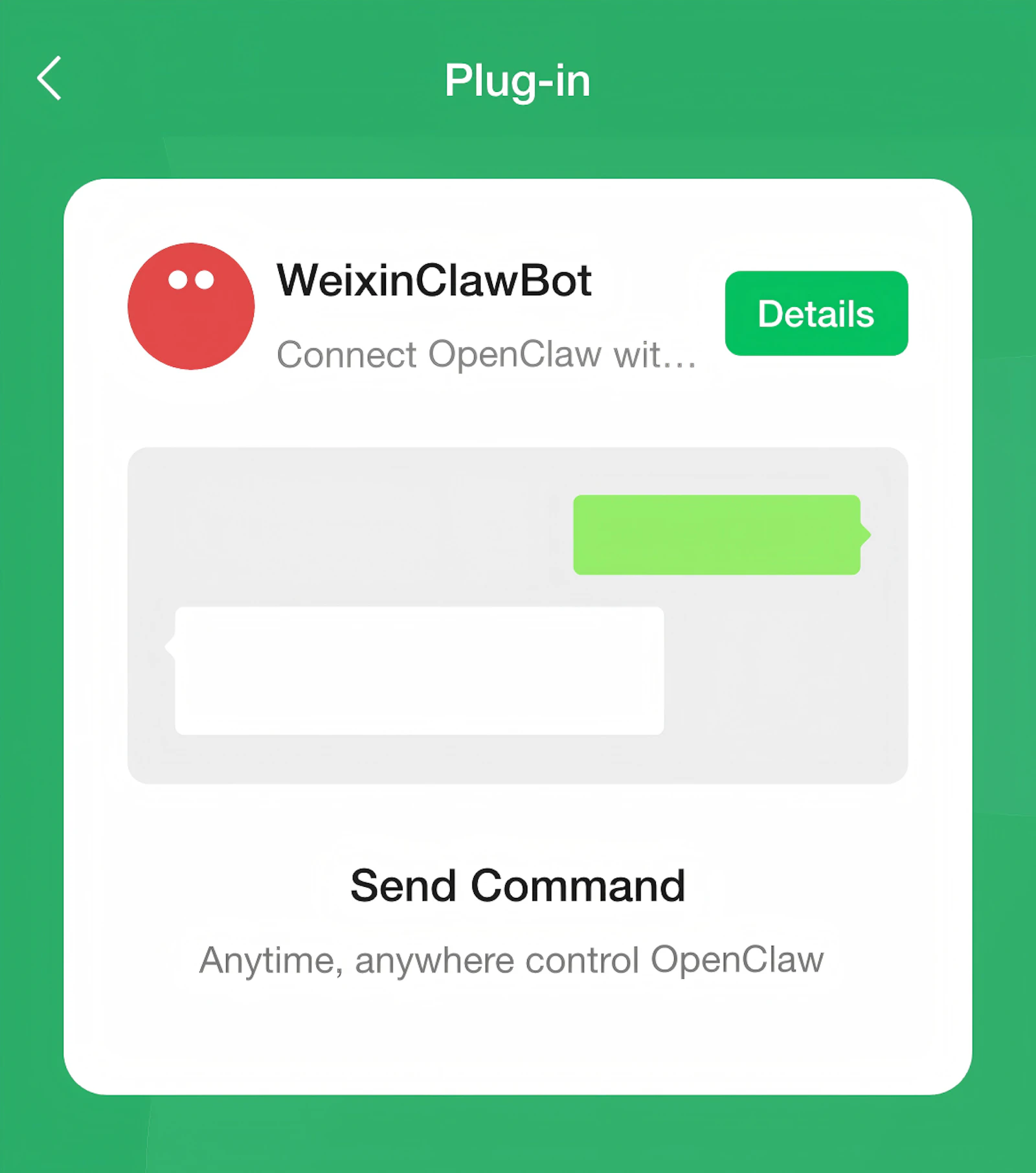

WeixinClawBot
The official WeChat pipeline for OpenClaw
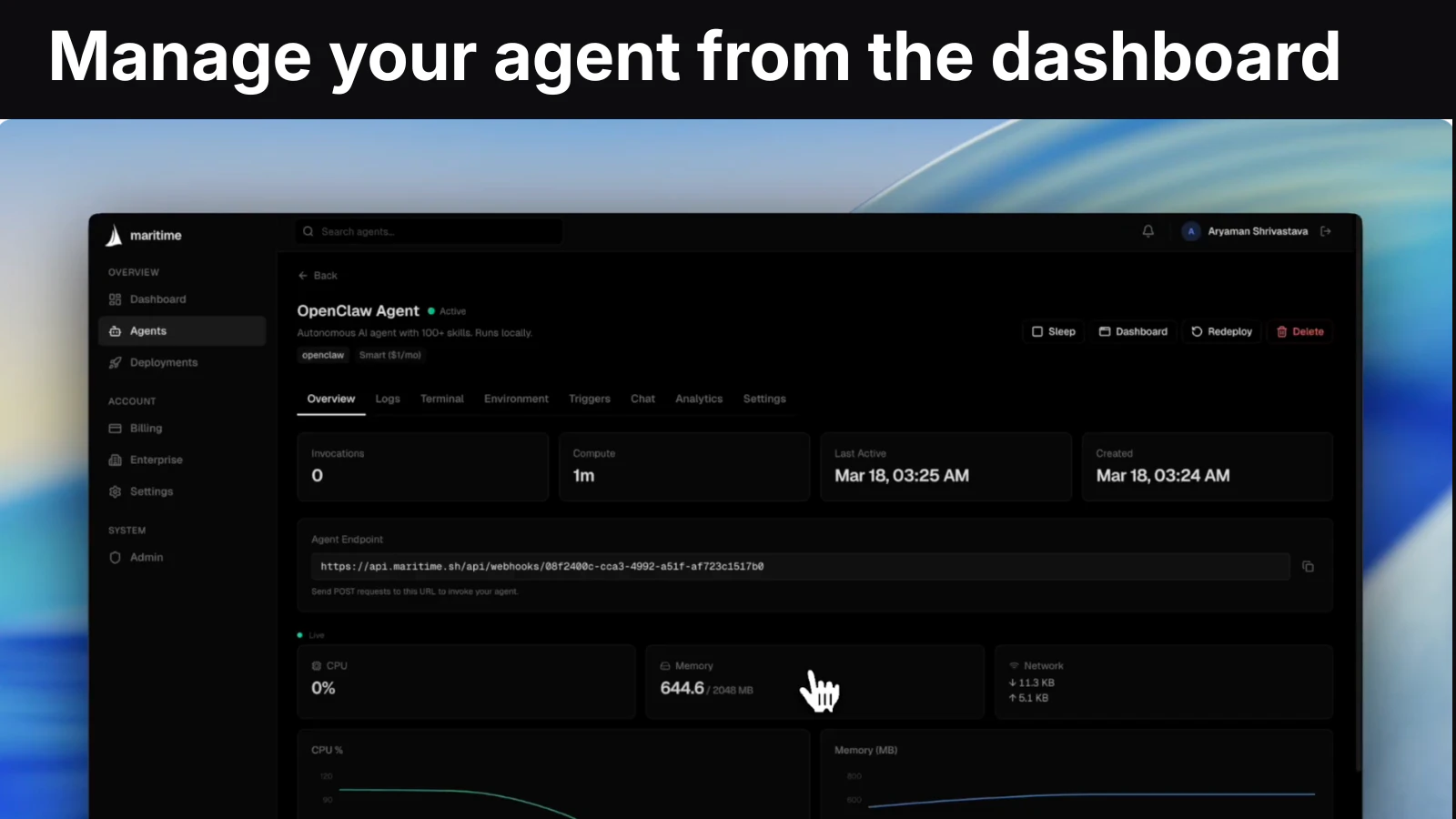

Maritime
Deploy and Host AI Agents for $1/month
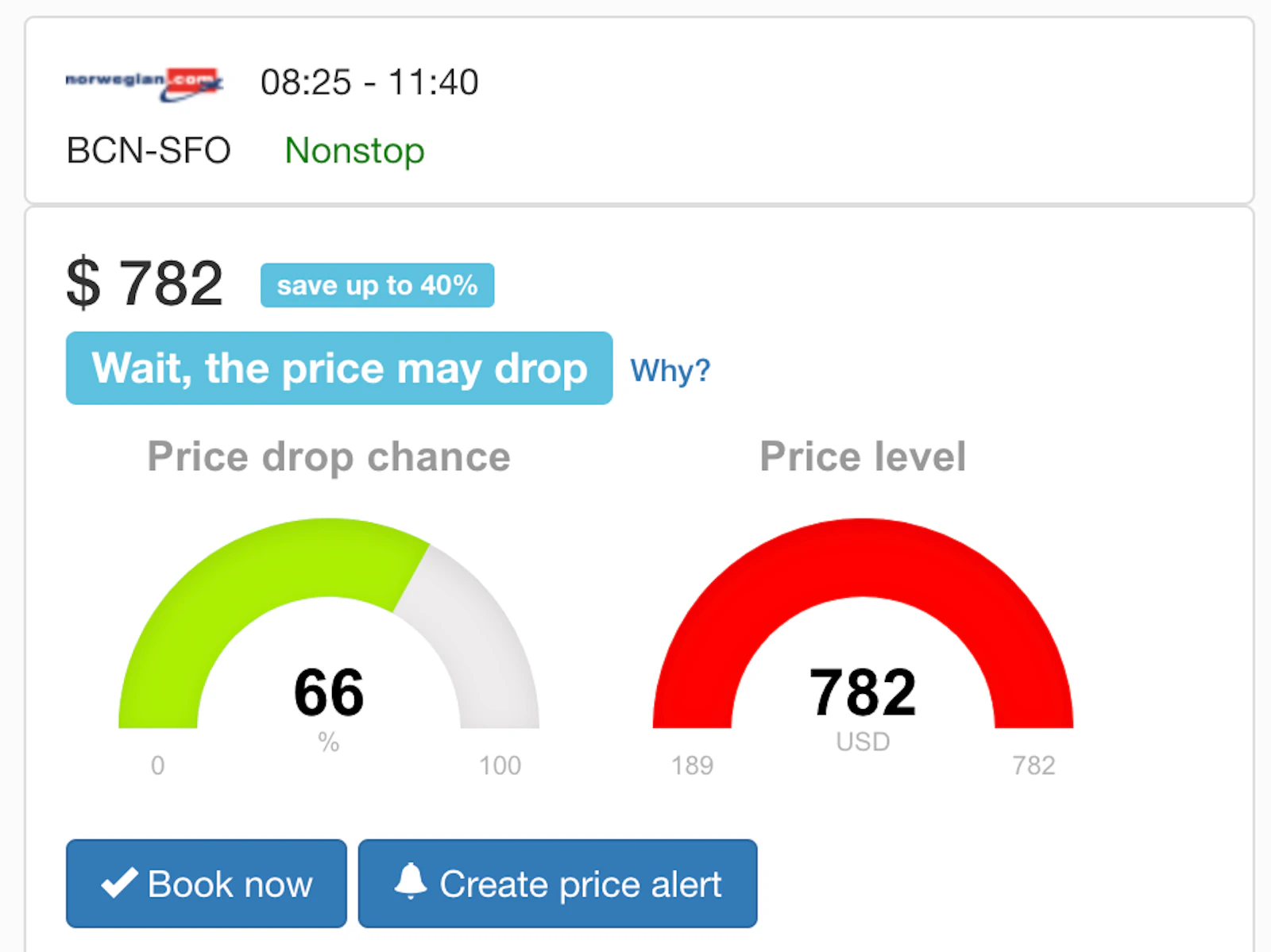

AirHint
Flight price predictor
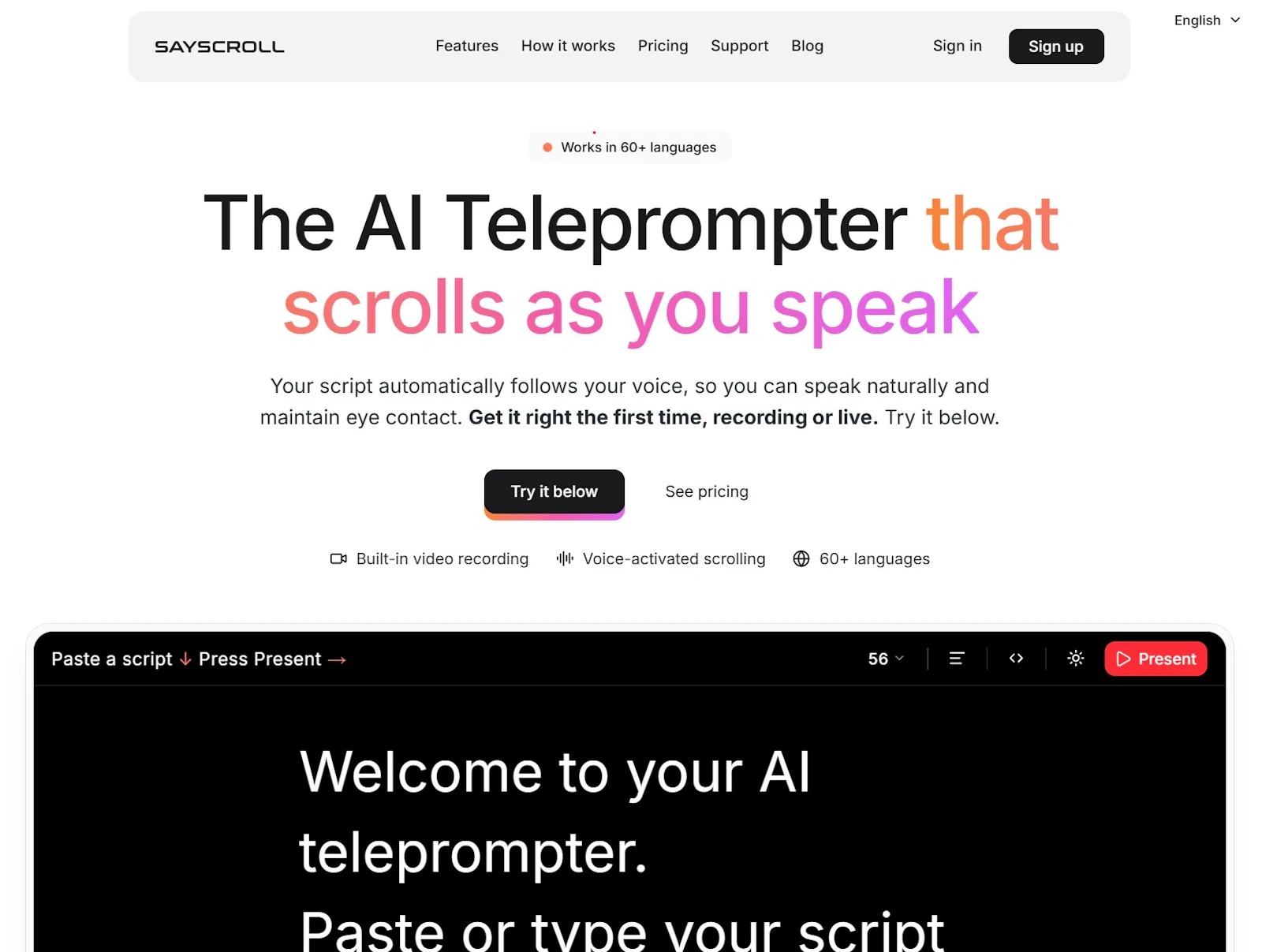

Sayscroll
The AI Teleprompter that scrolls as you speak
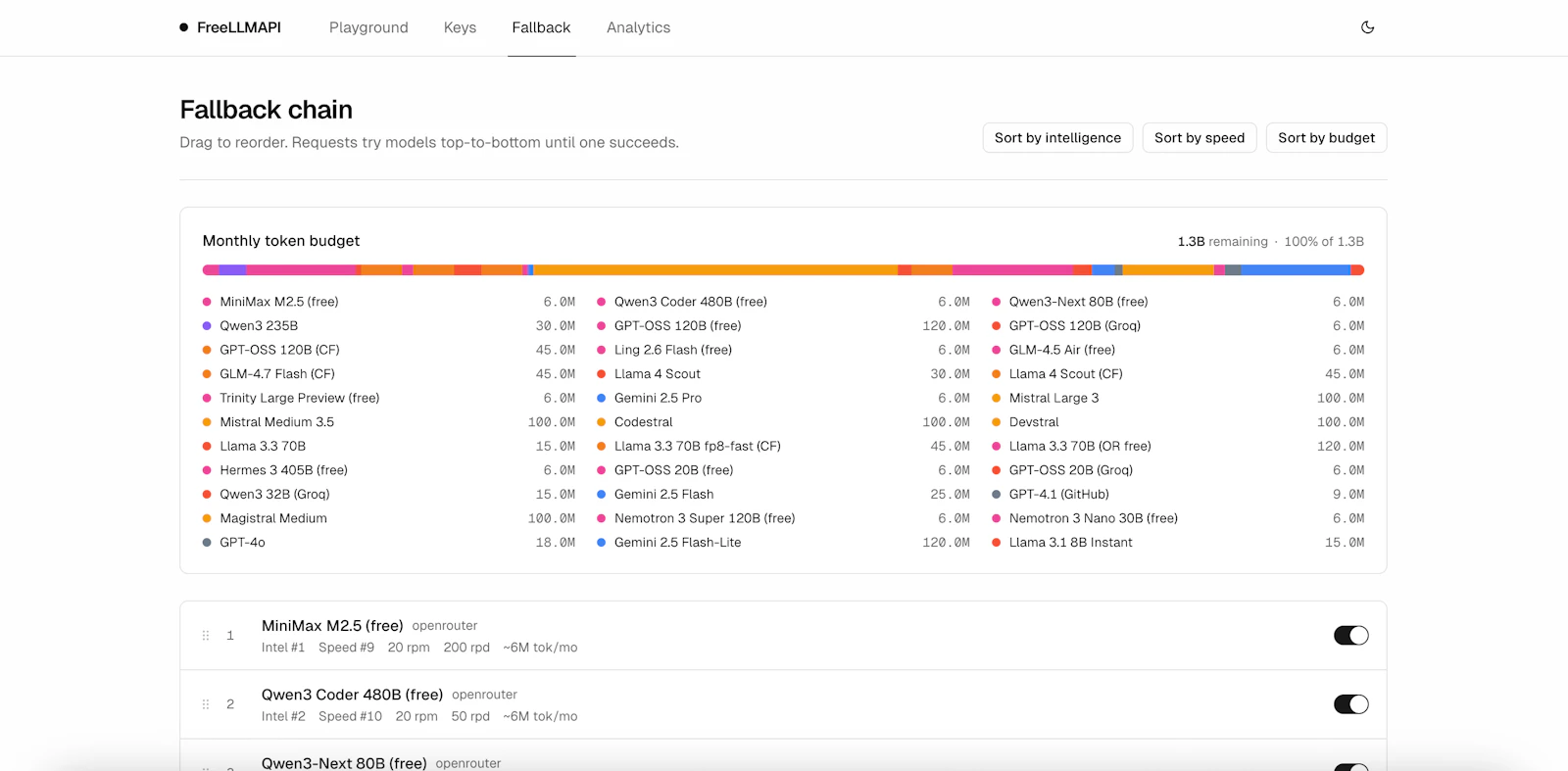

Free LLM API
Access 1 billion tokens per month for free
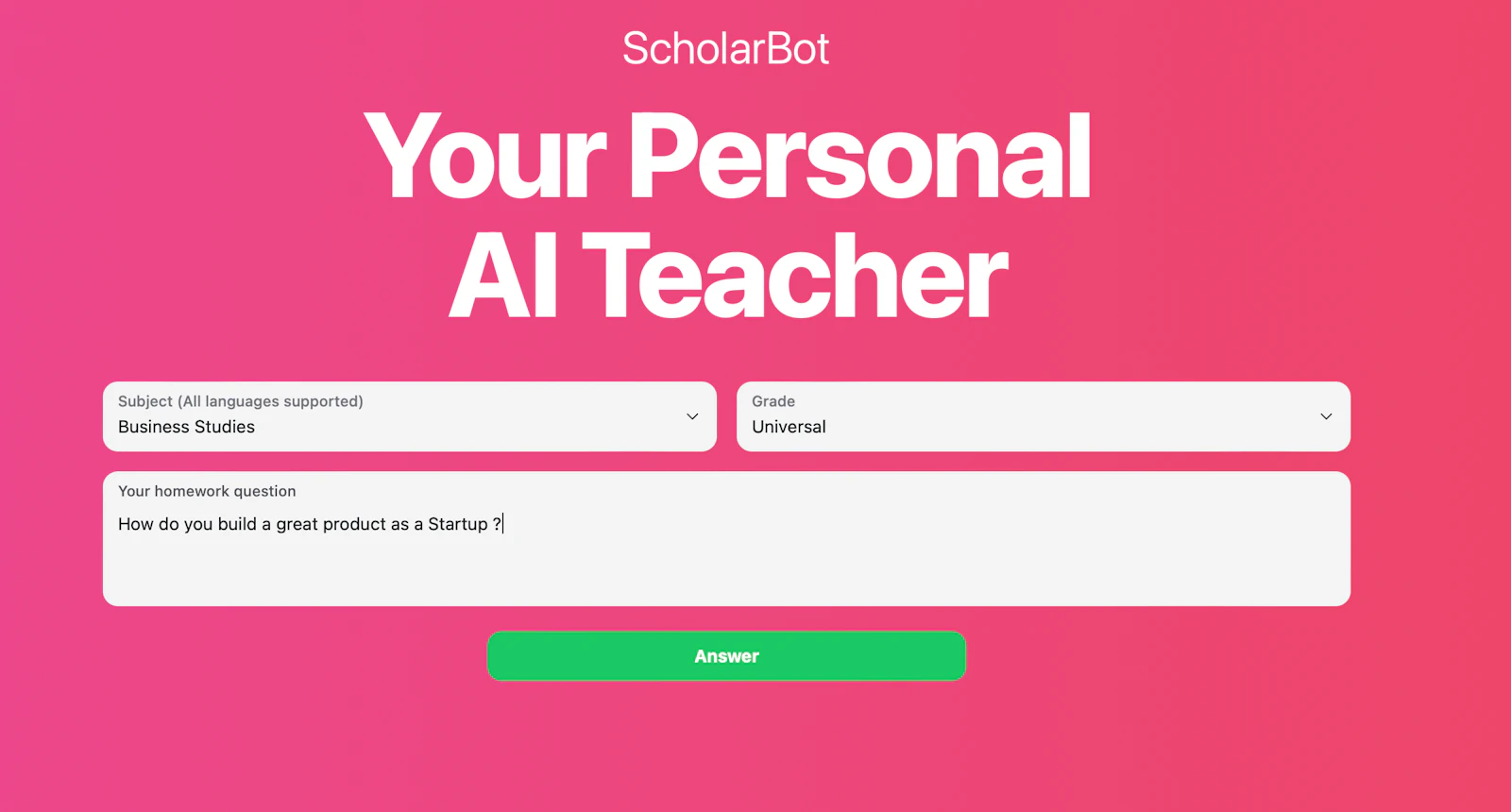

Scholarbot AI
Your free AI homework solver for smarter learning
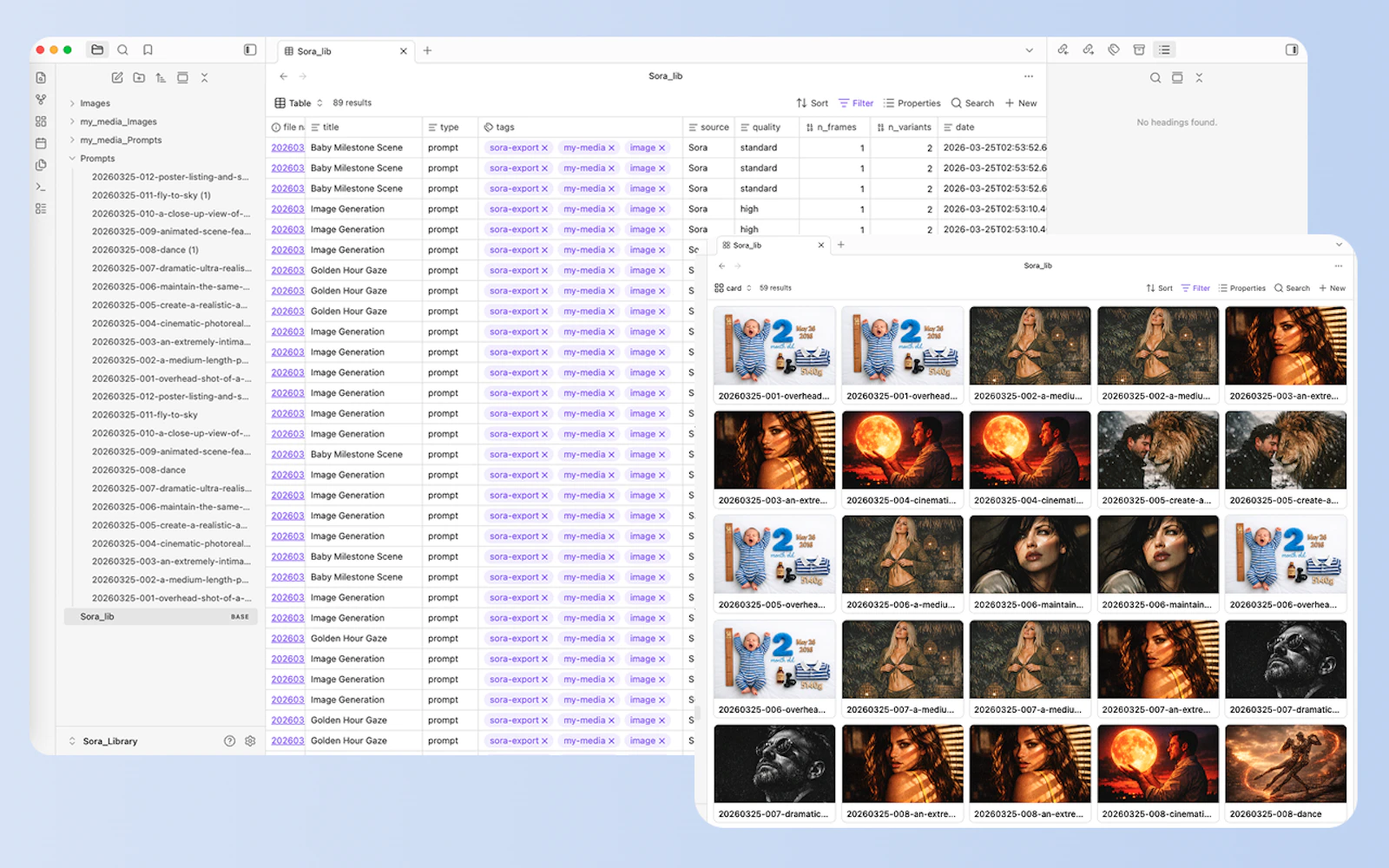

Bulk Exporter for Sora
1-click backup for your Sora videos, images & prompts.


SciMaster
Your scientist friend, accelerating every step of research
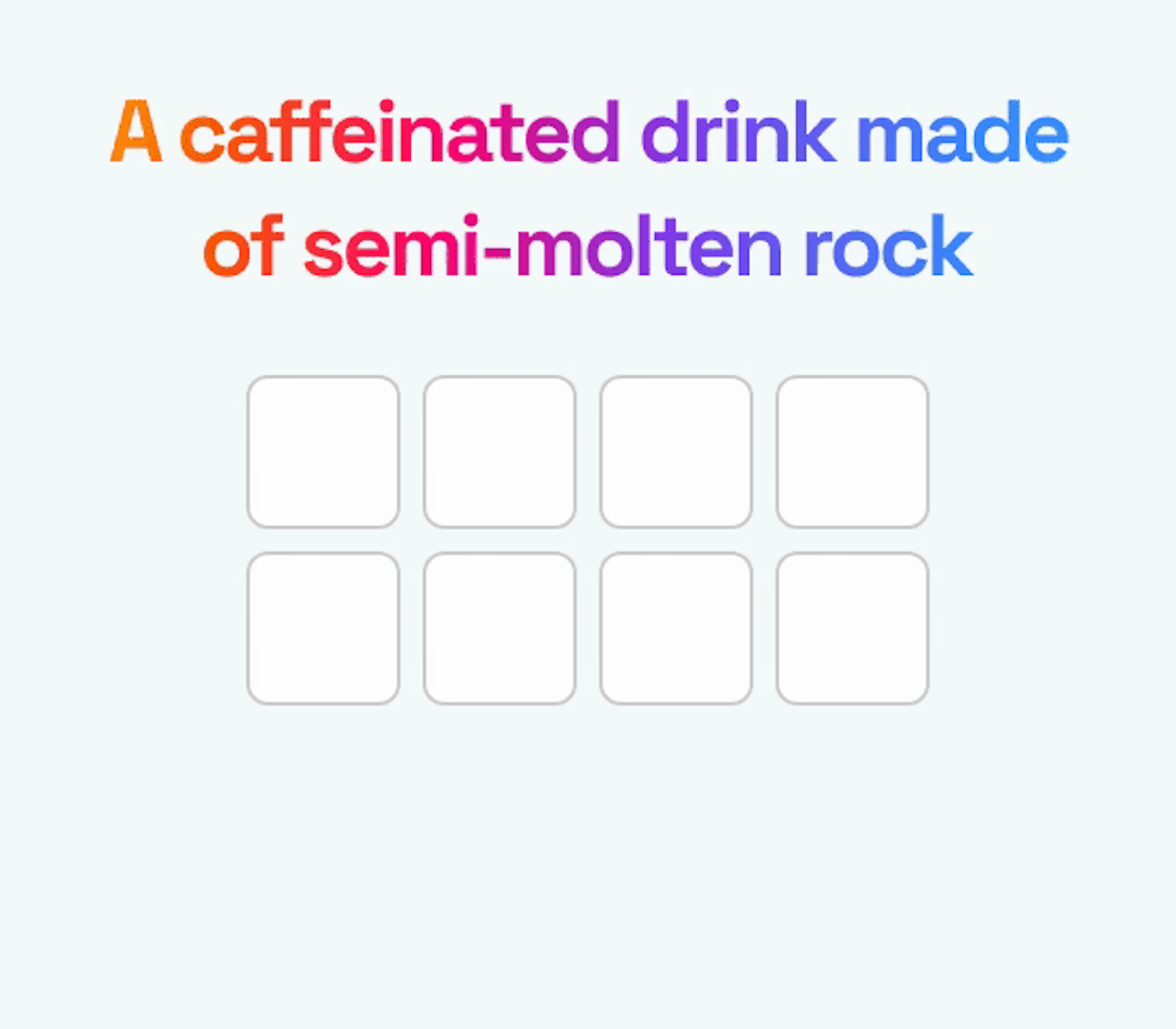

Twofer Goofer
Whimsical daily rhyming game with AI-generated art
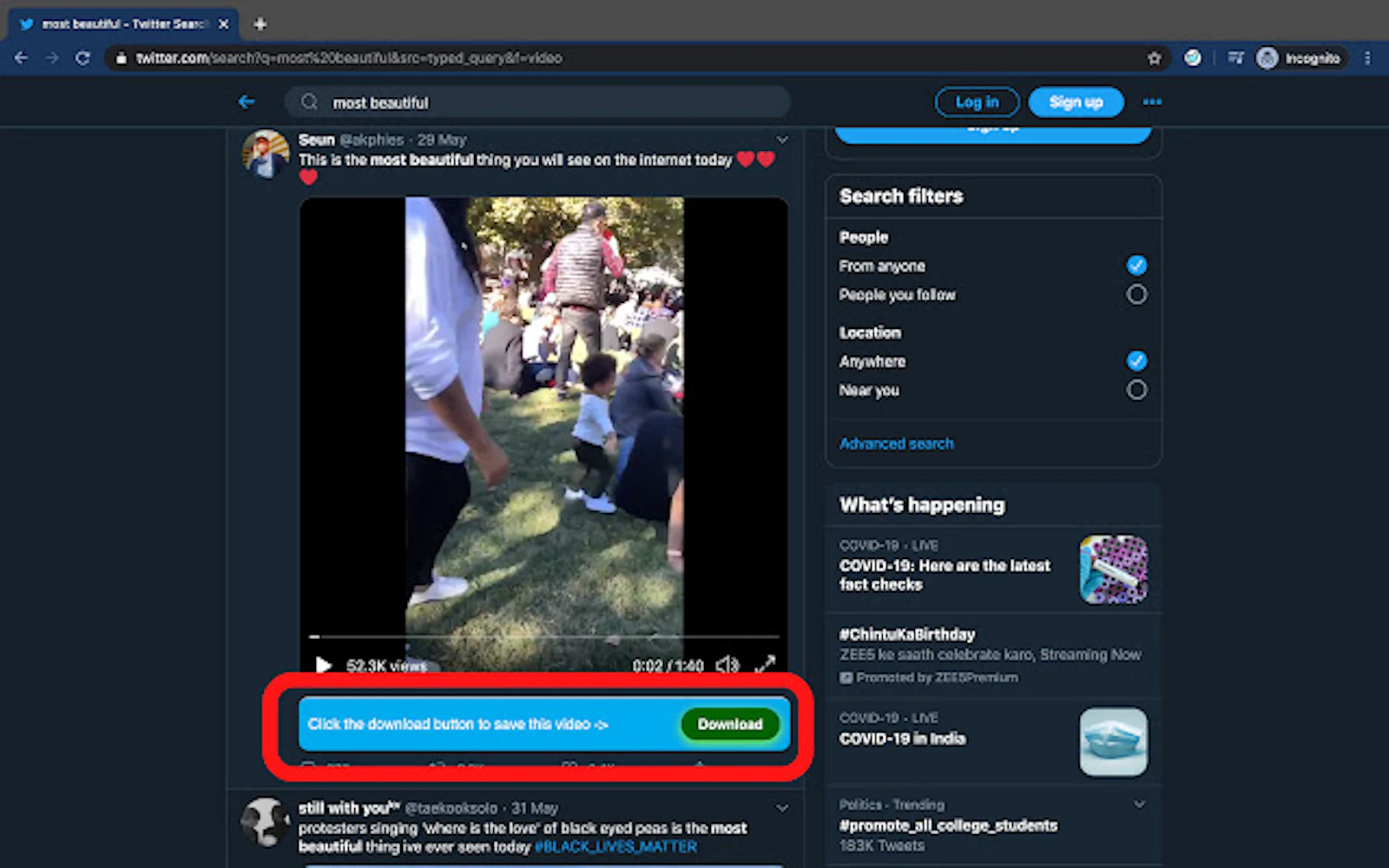

Savetweetvid
Download Twitter videos and gifs in Chrome
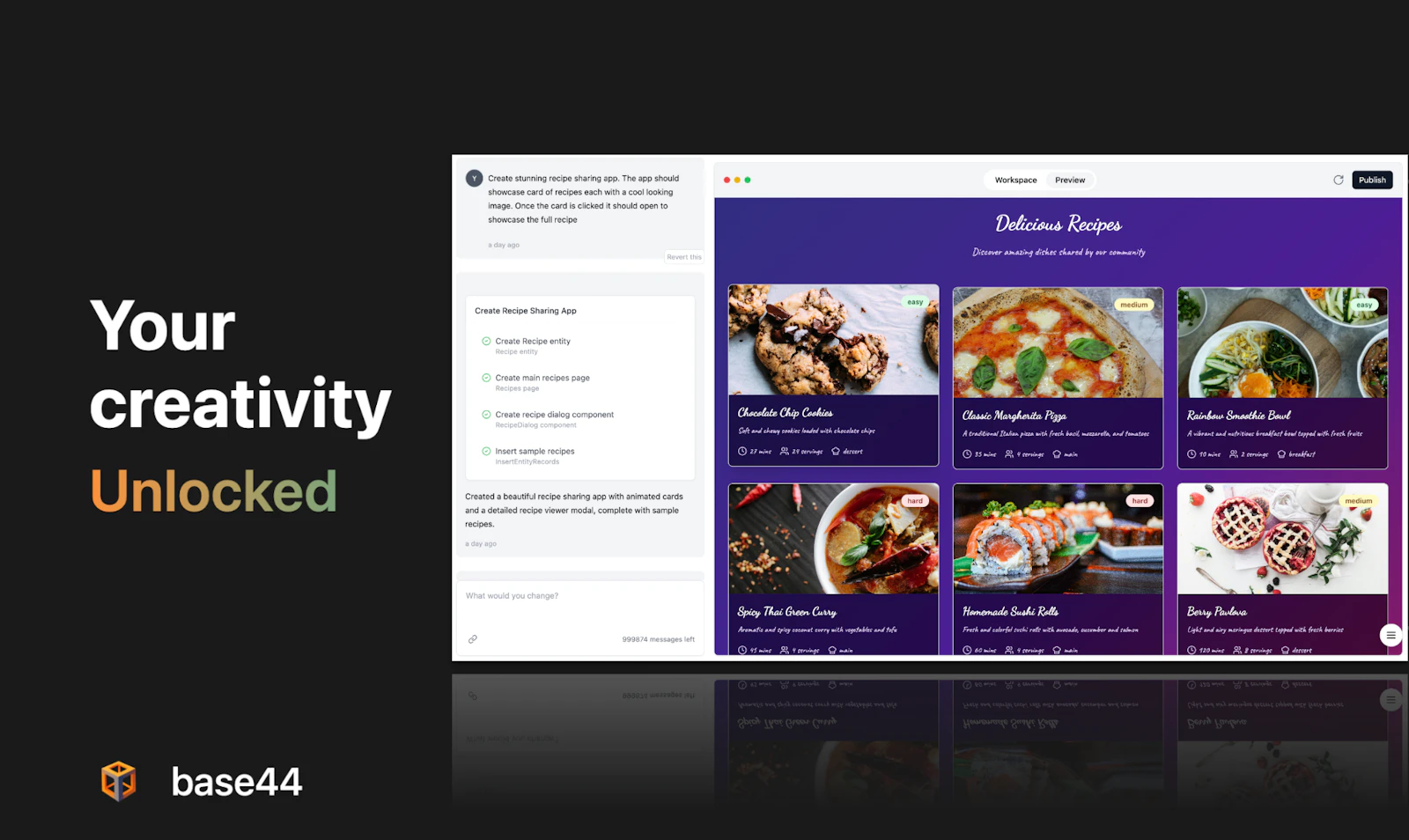

BASE44
The platform for people to turn ideas into working products
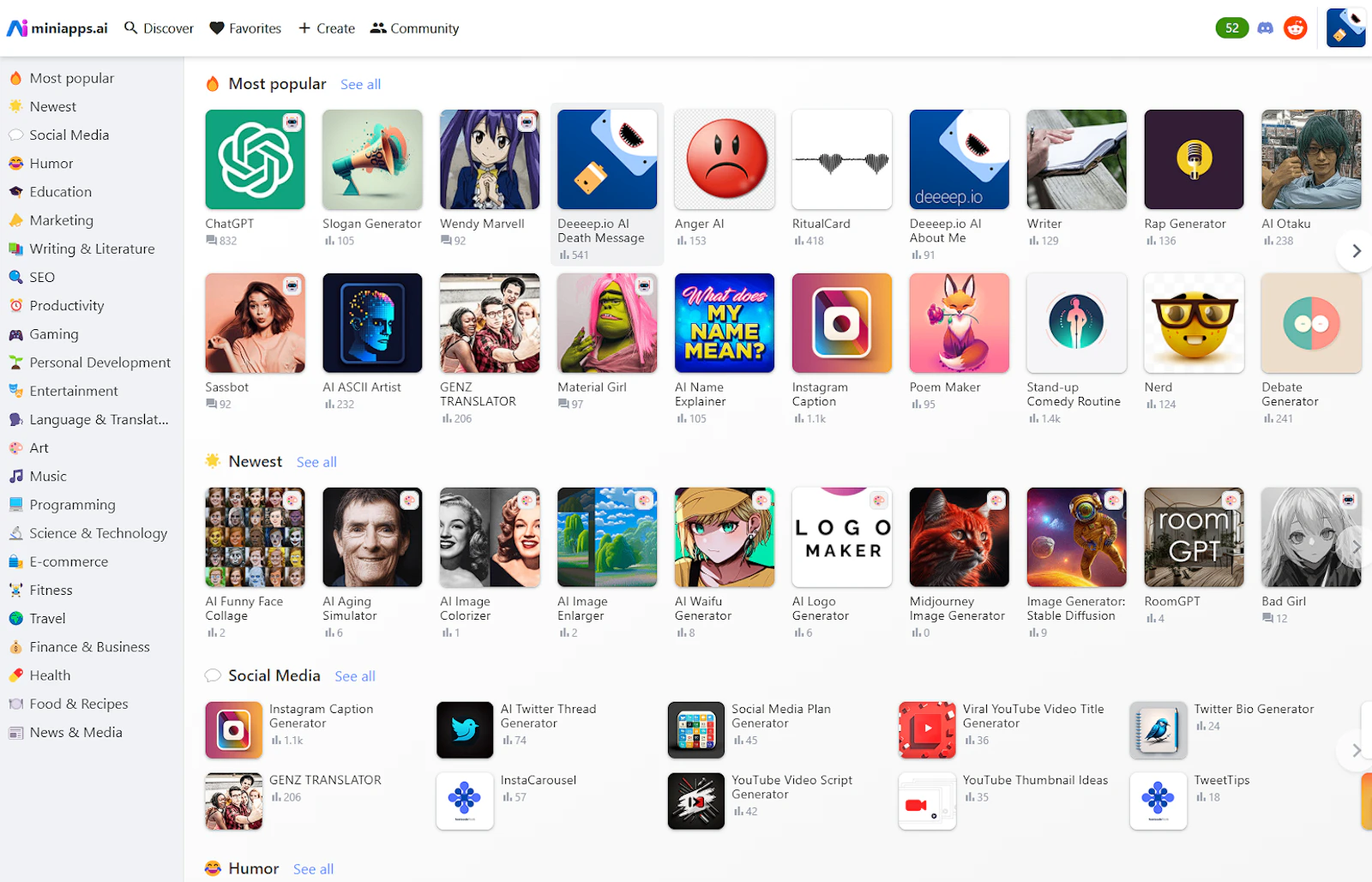

Miniapps.ai
Easily create and share AI-powered mini apps
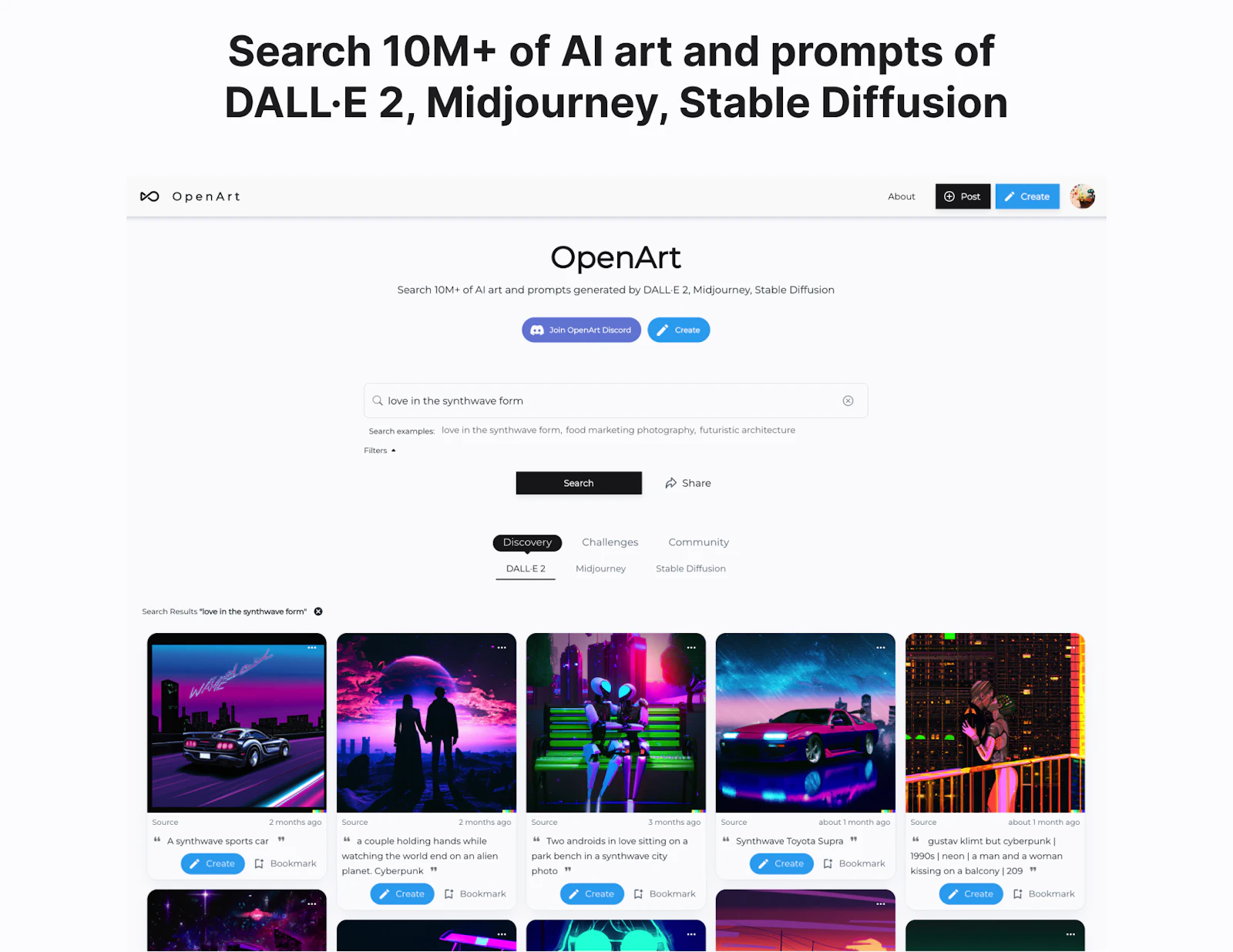

OpenArt
Content and social platform for AI-generated images


SocialSight
AI Creative Platform
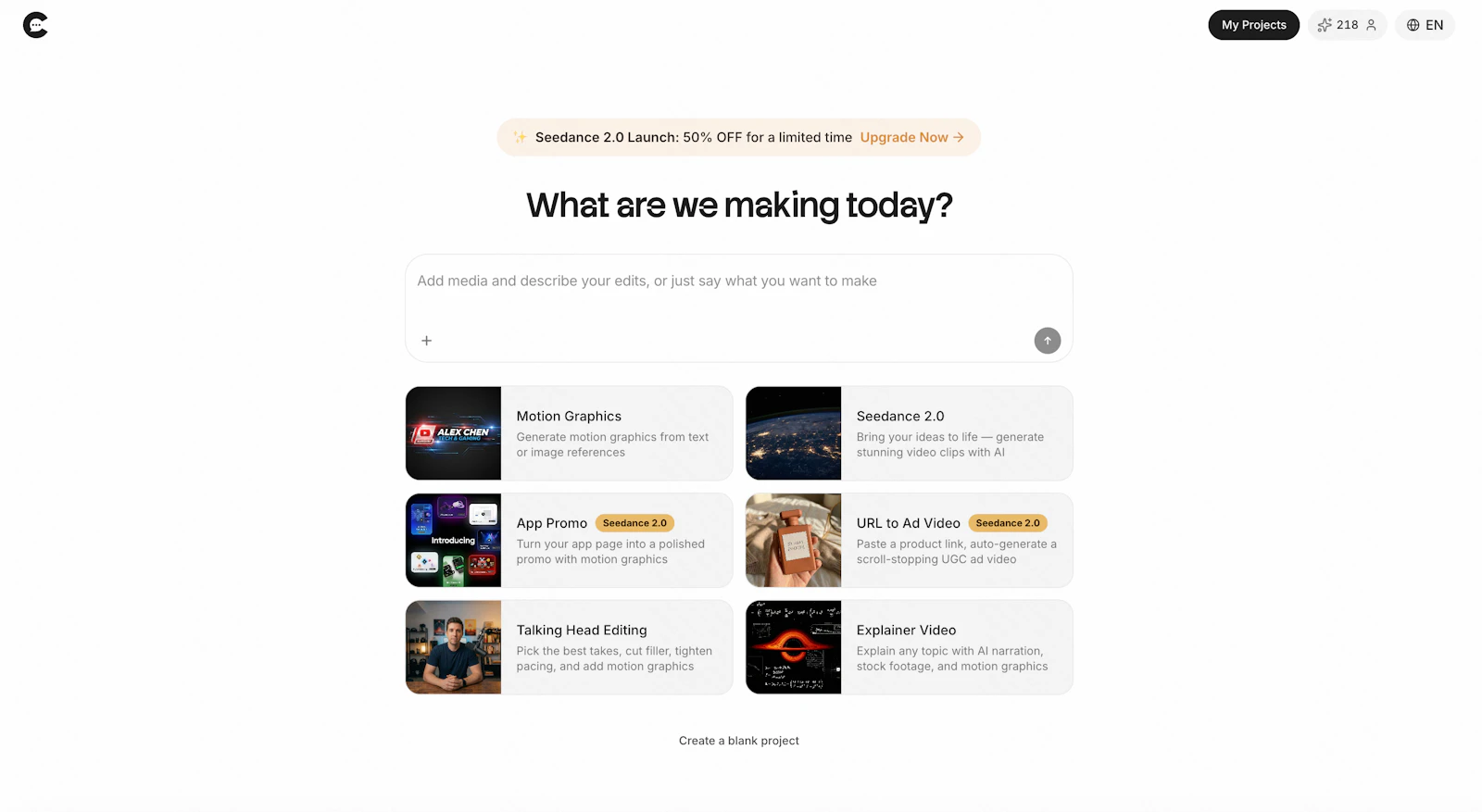

ChatCut, AI Video Editor
Edit videos by typing what you want, Agentic video editor


PicDoc
PicDoc turns text into professional charts in seconds
- Sell your product to AI agents
ZeroClick
Sell your product to AI agents
- AI journal that connects your thoughts into something bigger
Thread
AI journal that connects your thoughts into something bigger
- The AI copilot for people who sell
Convo
The AI copilot for people who sell
- AI meeting notes that turn into tracked tasks
Jottoo
AI meeting notes that turn into tracked tasks
About AI & Machine Learning
Artificial intelligence stopped being a category of its own the moment every product started shipping a chat box. What is left, once that novelty wears off, is a more interesting question: which tools actually use a model to do something that was previously impossible, and which ones bolted a text field onto an existing feature and raised the price?
The launches collected here lean towards the first group. You will find coding assistants that read a whole repository rather than the file in front of them, transcription tools that run on the machine instead of a server, research assistants that cite the paragraph an answer came from, and agents that stop and ask before they spend money on your behalf. What ties them together is that the model is doing work a person would otherwise have done by hand, not decorating work that was already automated.
The most useful distinction when comparing them is where inference happens. Tools that run locally — on a laptop, a phone, or a small board tucked behind a router — never send your data anywhere, work on a plane, and cost nothing per request once you own the hardware. They are slower, and the models are smaller. Tools that call a hosted API get frontier-quality output and pay for it per token, which means the pricing page matters as much as the feature list. A tool that feels cheap at ten documents a week can be ruinous at a thousand a day, and the launches that are honest about this tend to say so on the page rather than in a footnote.
The second thing worth checking is what happens when the model is wrong, because it will be. Good products in this category are built around the assumption of failure. They show their working, they make corrections cheap, and they keep a human in the loop for anything irreversible. A summariser that links back to the source is more useful than one that is right slightly more often, because you can verify the first in seconds. An agent that drafts an email for review is a different risk profile from one that sends it.
Pricing here is unusually varied. Some makers charge a flat monthly fee and absorb the inference cost, betting on average usage. Others pass tokens through at cost with a margin. A growing number ask you to bring your own API key, which is the cheapest option if you already have one and confusing if you do not. None of these is wrong, but they suit different people, and it is worth knowing which you are signing up for.
If you are shipping something here, the most common feedback from this community is to be specific. "AI-powered" describes almost every launch on this page and distinguishes none of them. What the tool does, who it is for, and what it costs at real volume are the things people actually want to read.
From the blog
Reading on launching, ranking and ai & machine learning.
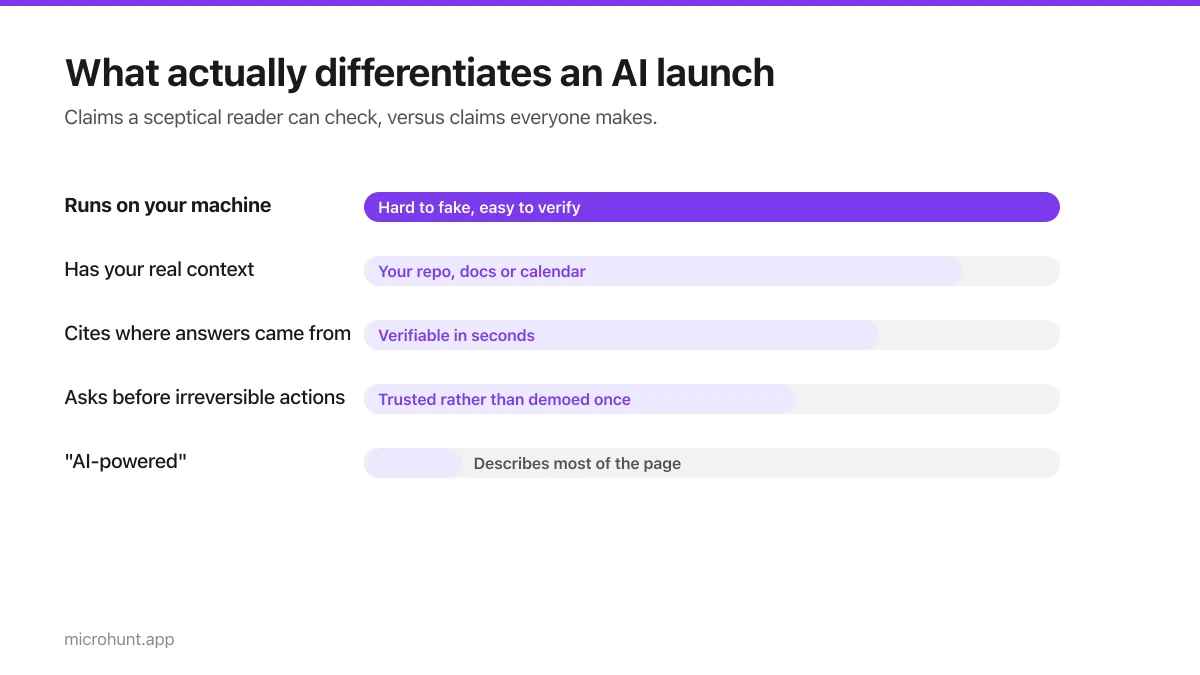
Where to Launch an AI Product (When Everyone Else Is Too)
AI is the most crowded category on every launch board. What actually differentiates a launch when half the page is also AI-powered.
8 min read
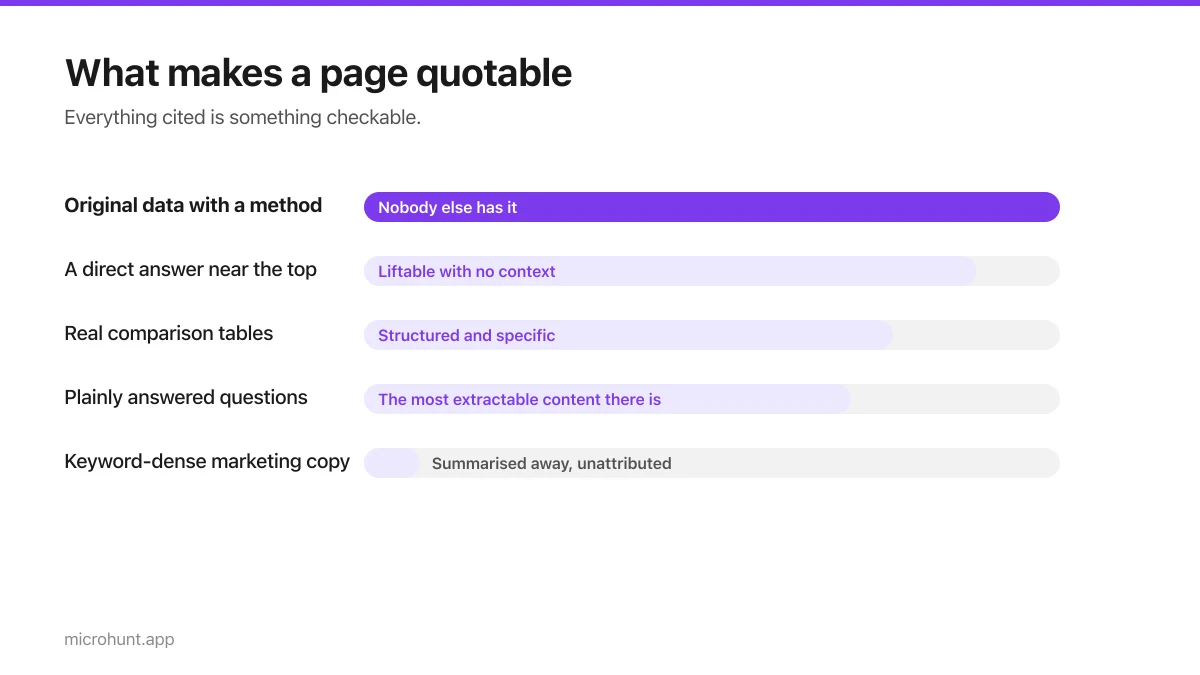
Getting Cited by AI Assistants: What Actually Works
More people are asking an assistant instead of searching. Here is what makes a page quotable rather than summarised away.
8 min read
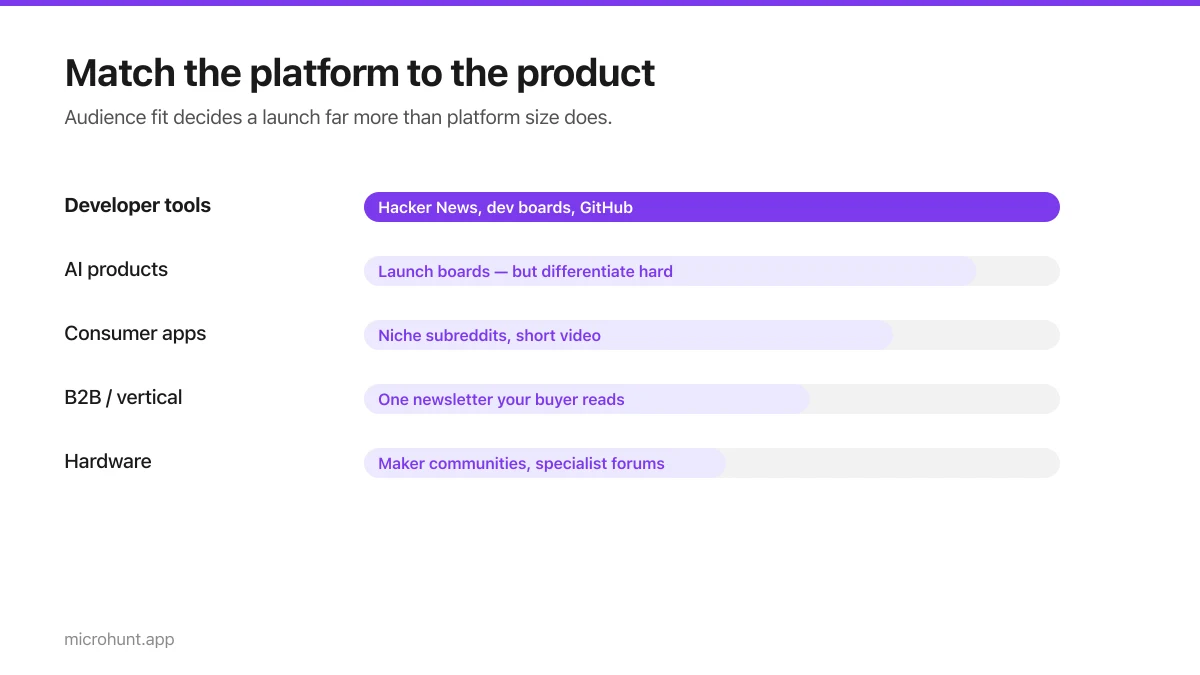
Best Product Hunt Alternatives for Launching in 2026
Where else to launch when Product Hunt is not the right fit — what each platform is actually good at, who shows up, and what it costs.
8 min read
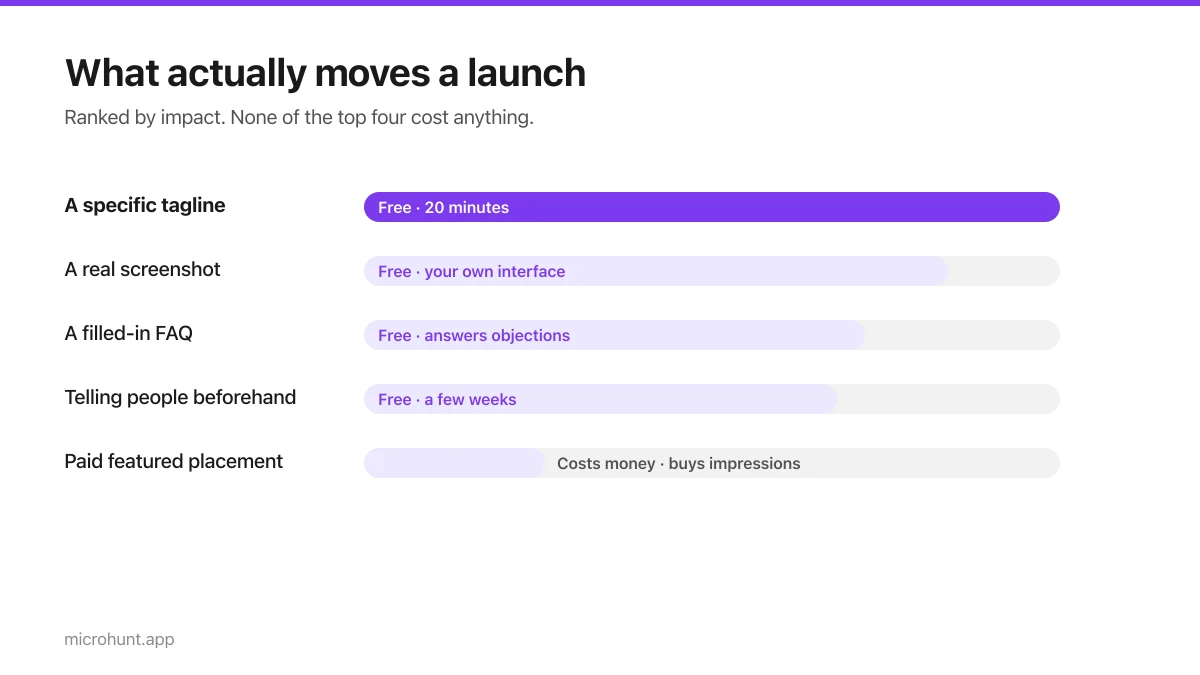
Free Launch Platforms for Indie Makers (No Budget Needed)
You do not need to pay to launch. Here are the places that are genuinely free, what each expects from you, and where paying is actually worth it.
7 min read
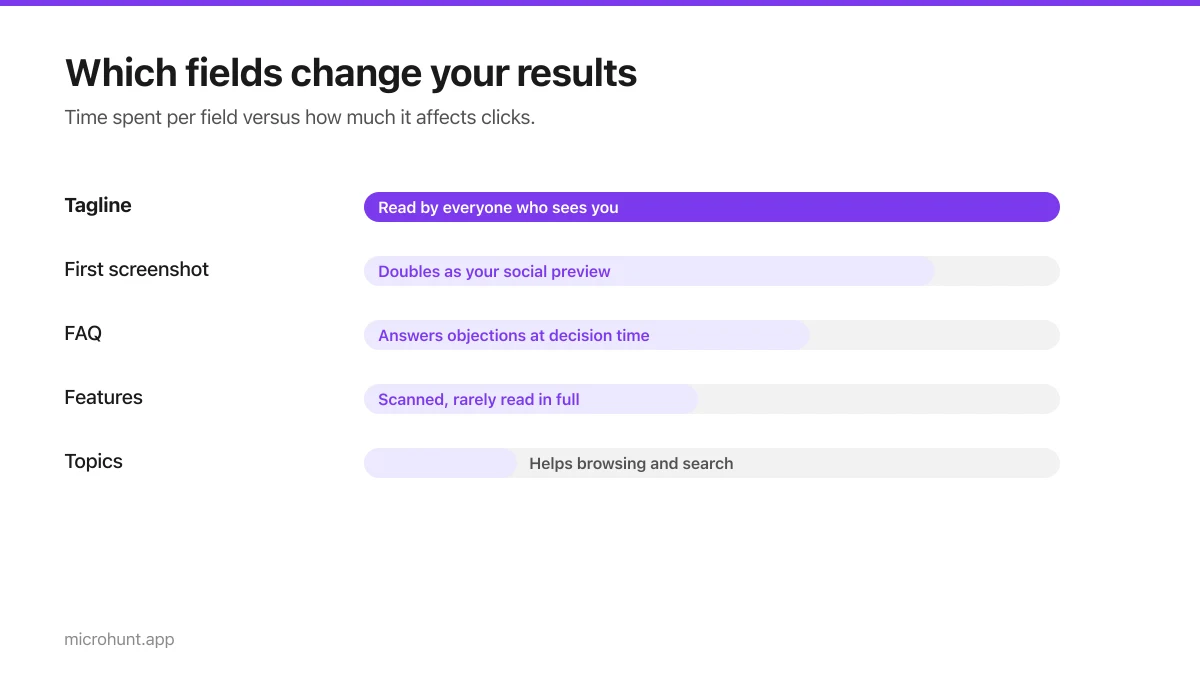
How to Submit a Product on Vuru (Step by Step)
A walk through the submission form, what each field does to your page, and the fields most people leave empty that they shouldn't.
7 min read
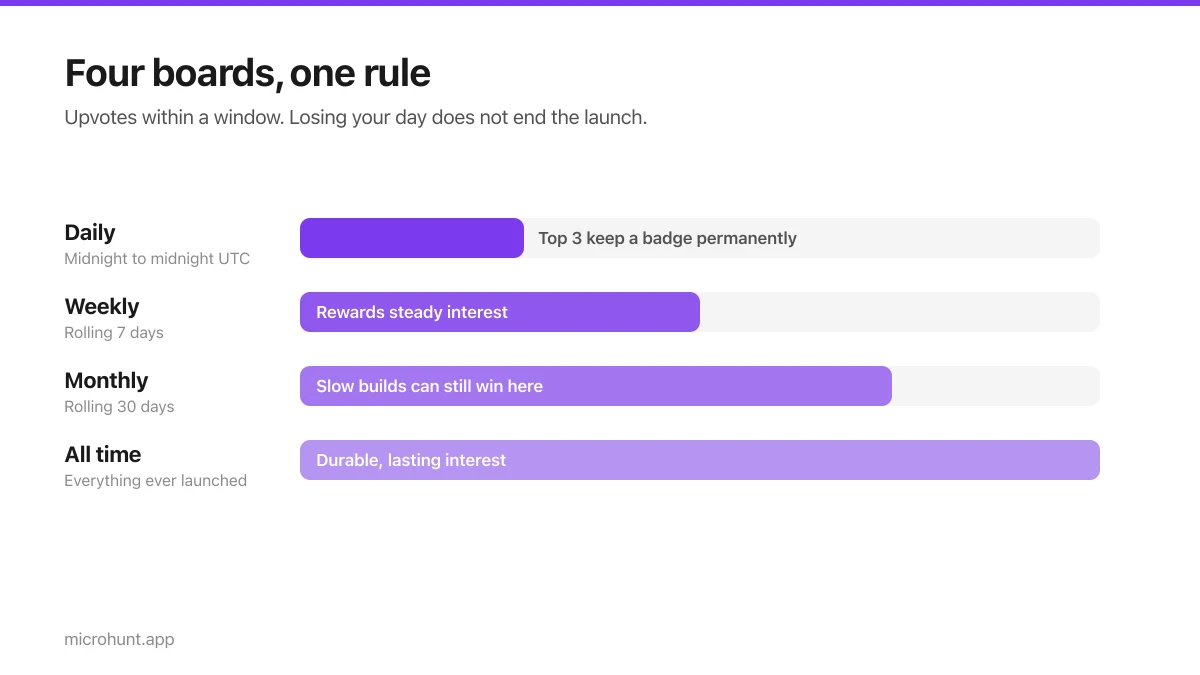
How Vuru Ranking Works (And How to Win a Badge)
Launch windows, upvotes, podium badges and what we do about vote manipulation — the whole ranking system explained plainly.
7 min read
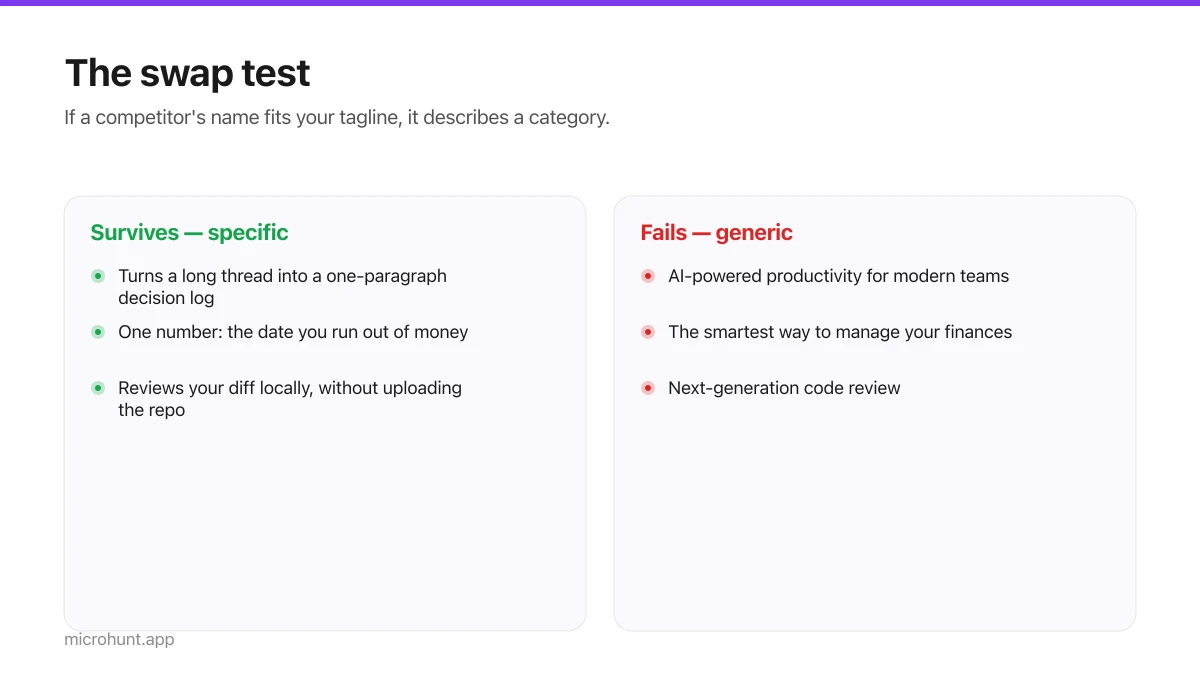
How to Write a Product Tagline That Actually Gets Clicked
The one line most people will ever read about your product, and a simple test for whether yours is doing any work.
7 min read
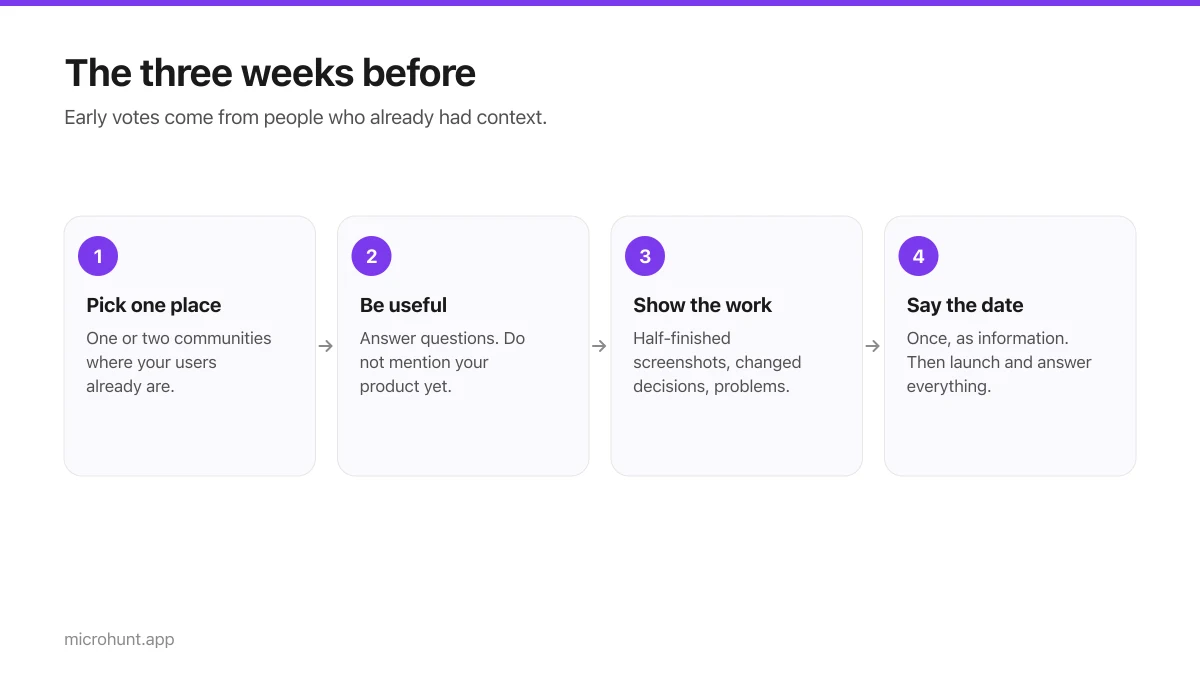
How to Get Your First Upvotes Without Begging
What actually generates early votes, why vote-for-vote groups do not work, and the approach that keeps paying off after launch day.
7 min read