Developer Tools
Editors, CLIs, CI, debugging and developer experience.
78 products · page 3 of 4
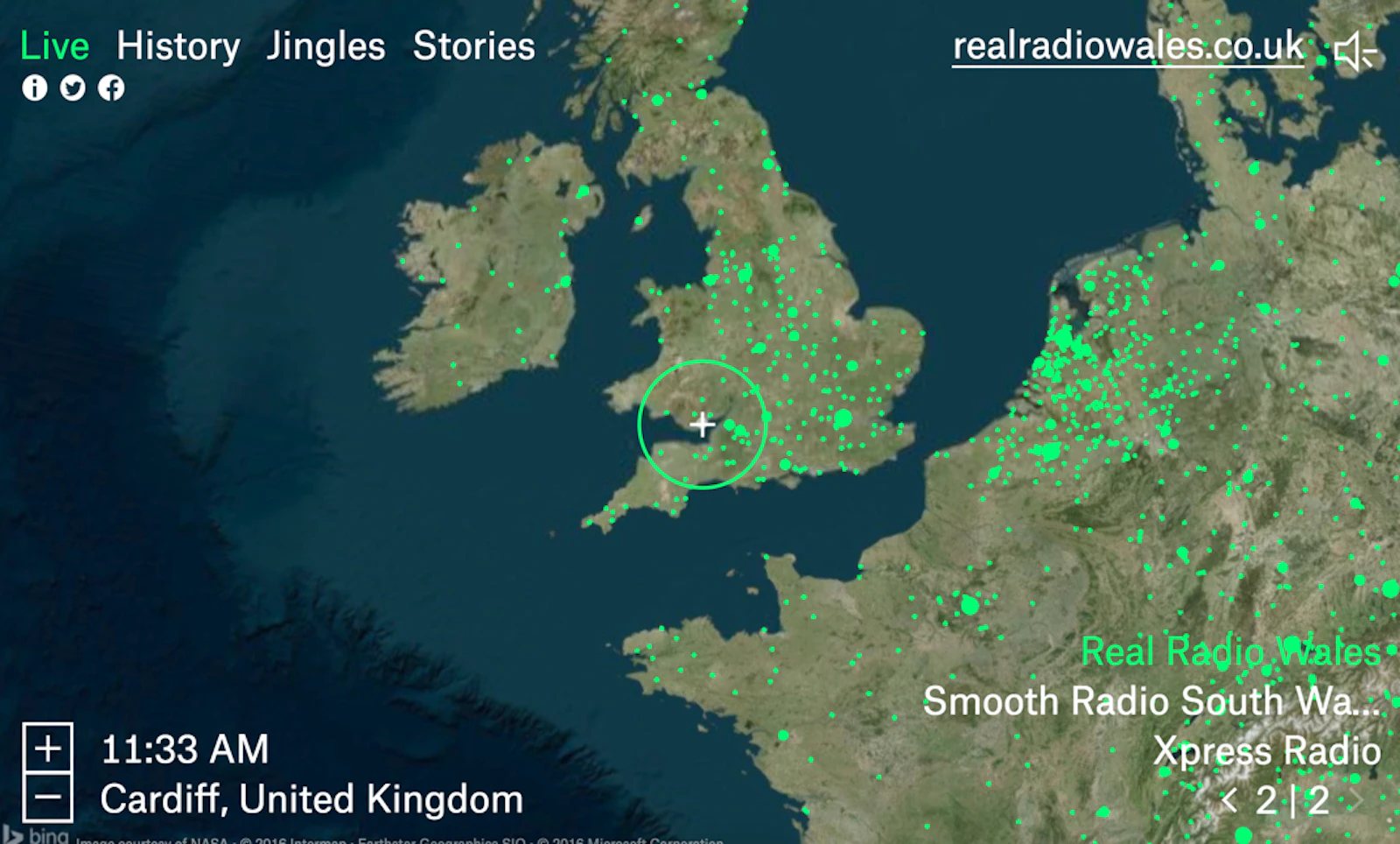
Radio Garden
Browse thousands of live radio streams around the world
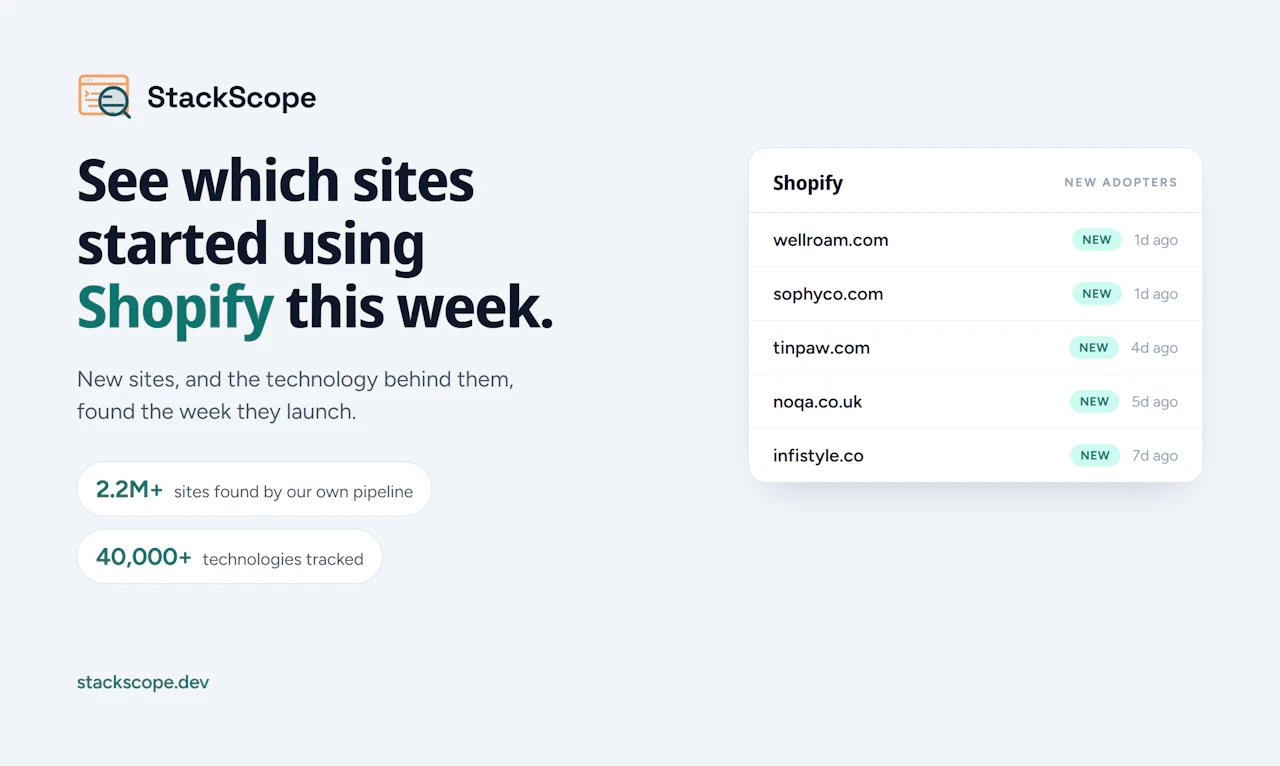

StackScope
See what new sites are built with, the week they launch


ProntoBev
Chill any beverage in 30 seconds
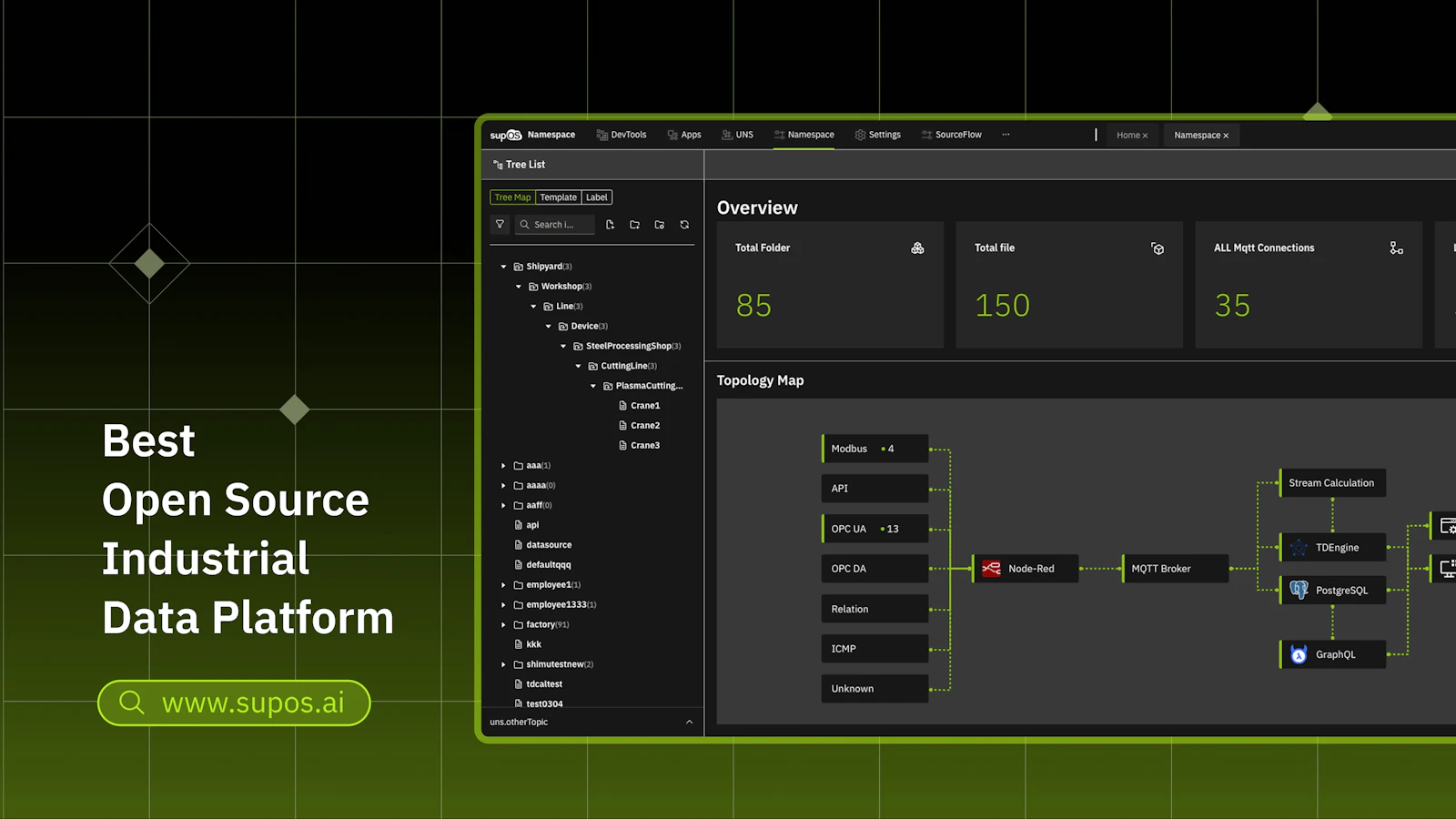
supOS
Open Source Industrial Data Platform
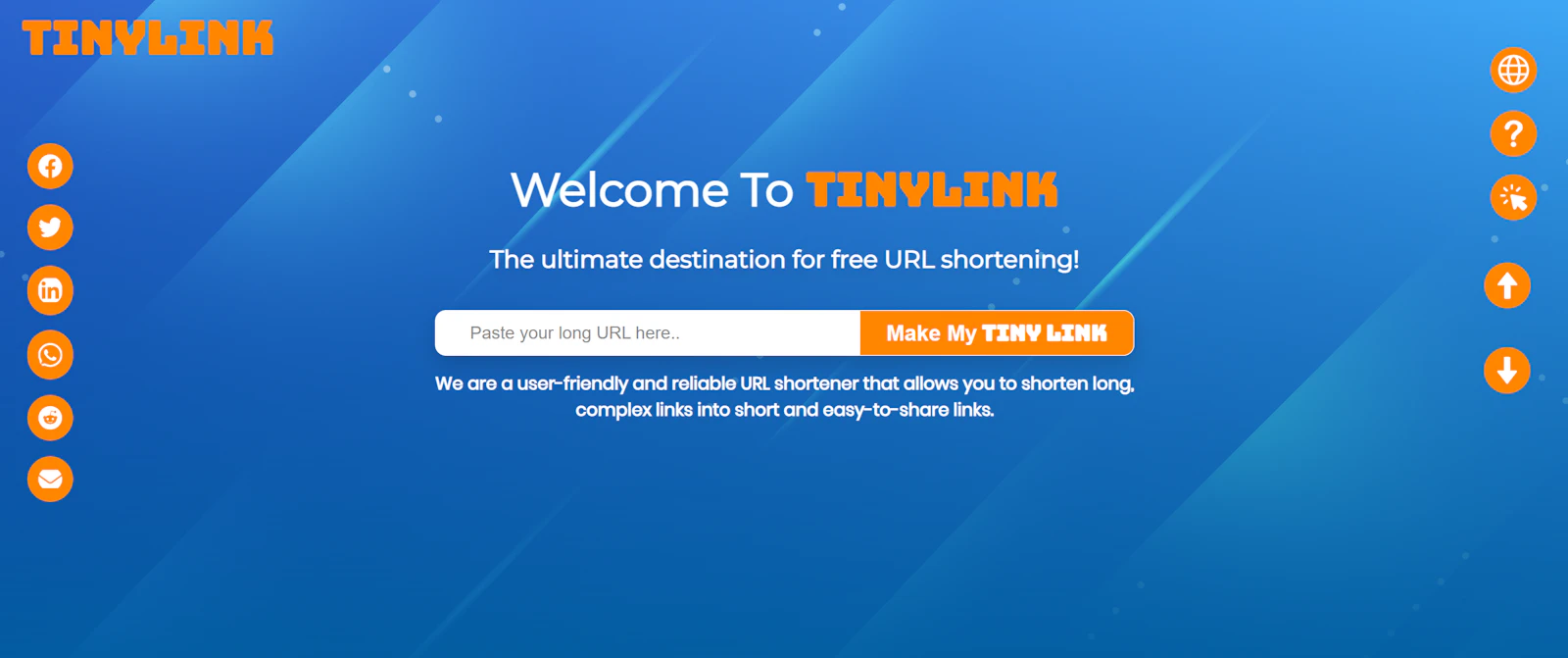
Tinylink
Shorten the web, expand possibilities
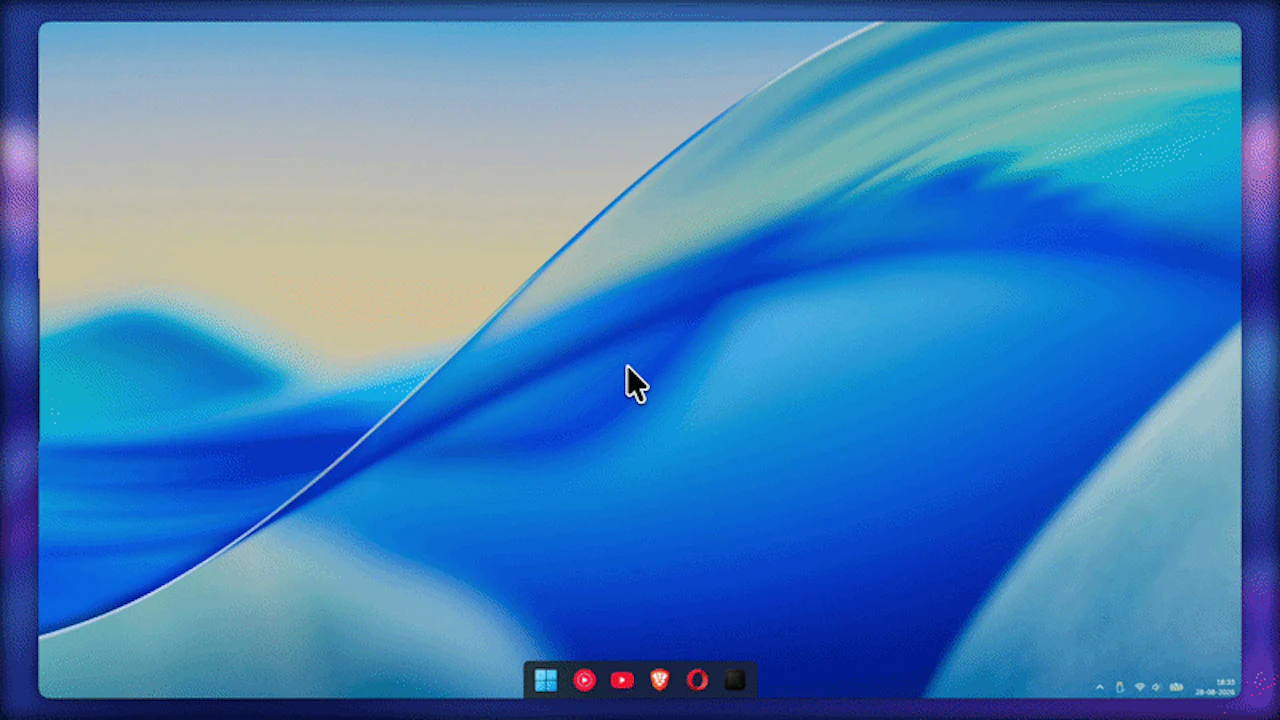

Edge Drop
Clipboard on your screen edge. Hover to open, drag to drop
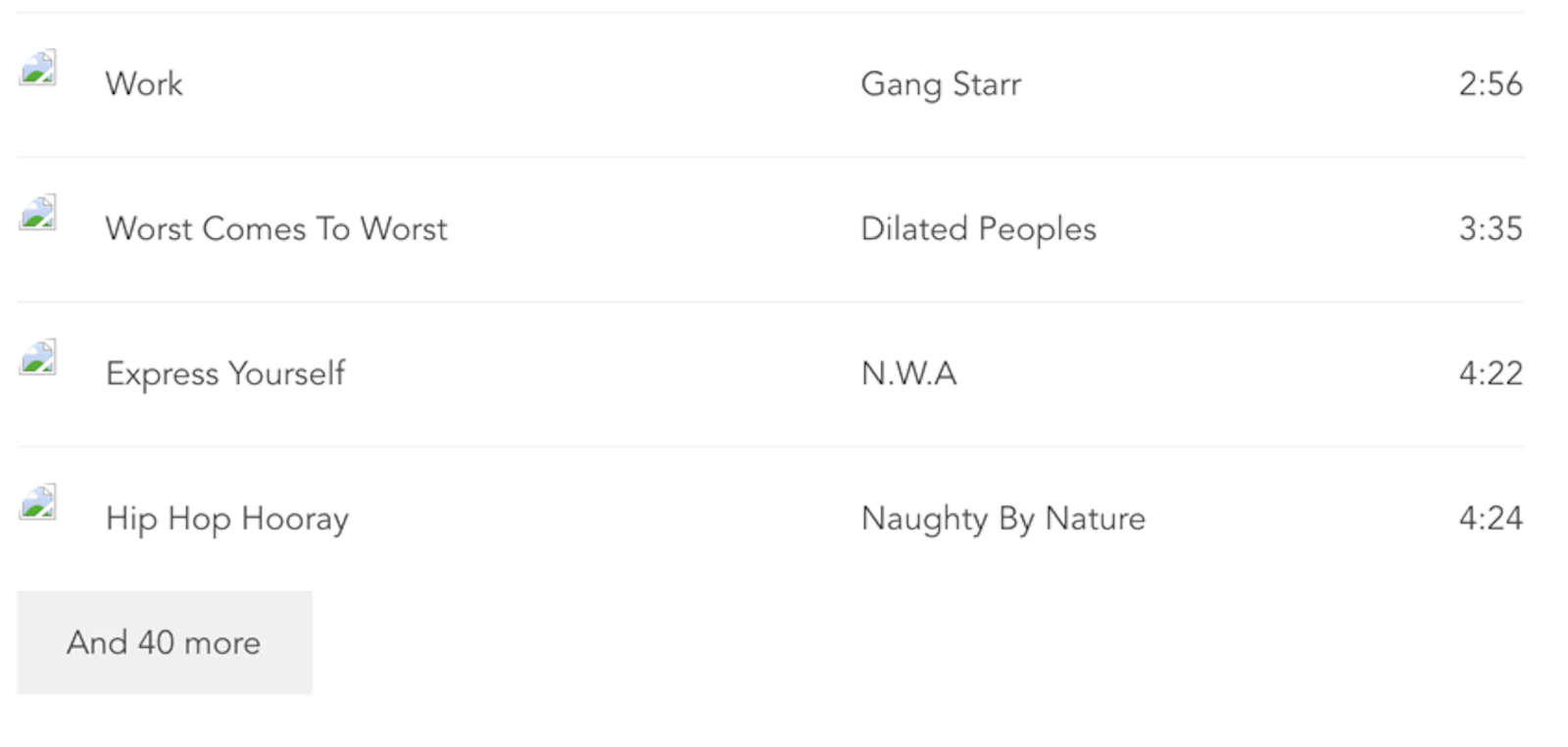

Spotalike
Spotify playlist with similar songs, according to Last.fm


SellerCenter
Store-oriented analytical tool
- Excel in the cloud

Google Sheets
Excel in the cloud
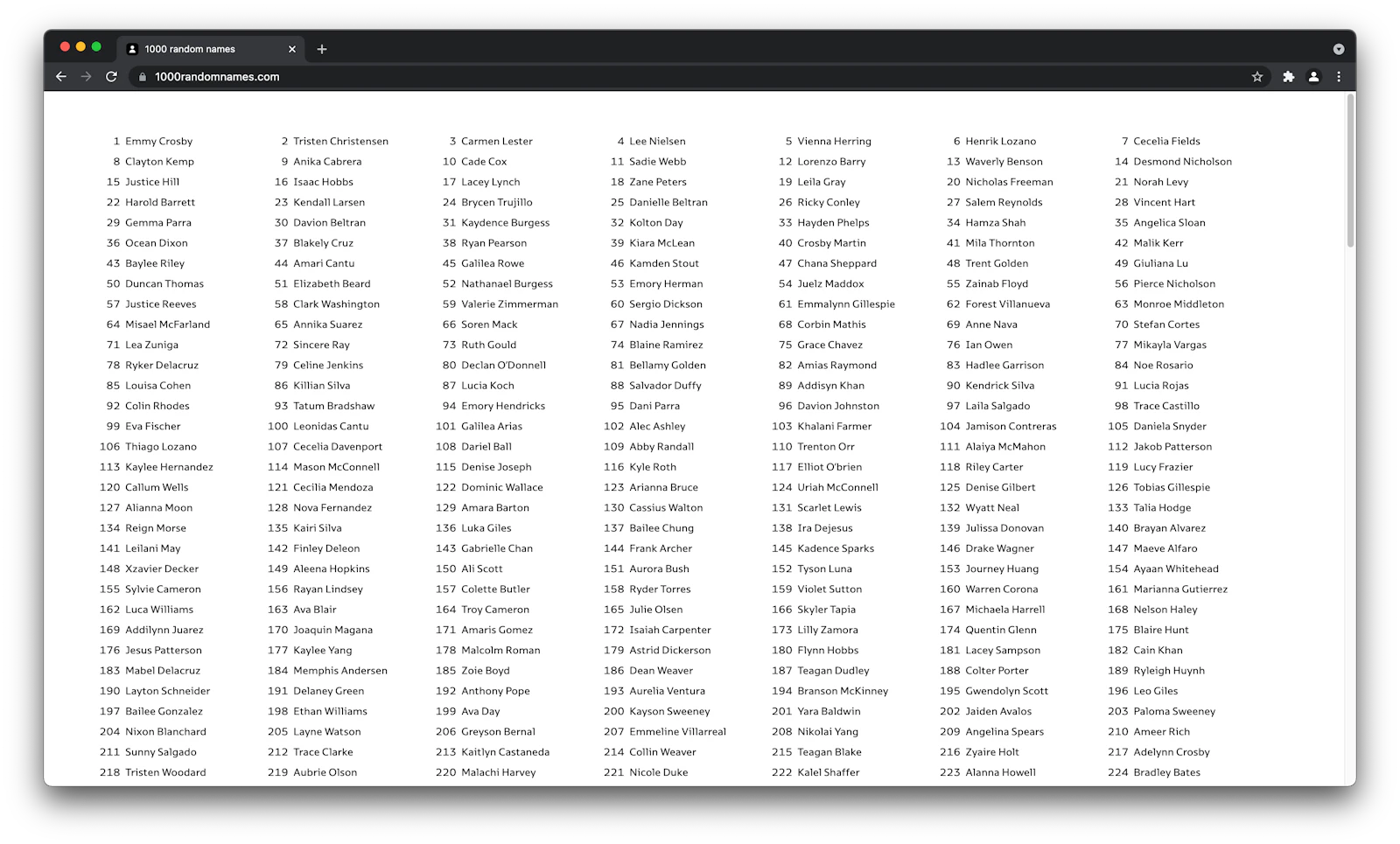

1000 random names 👤👤👤
Free random name generator for UX mockups and UI designs 🔀
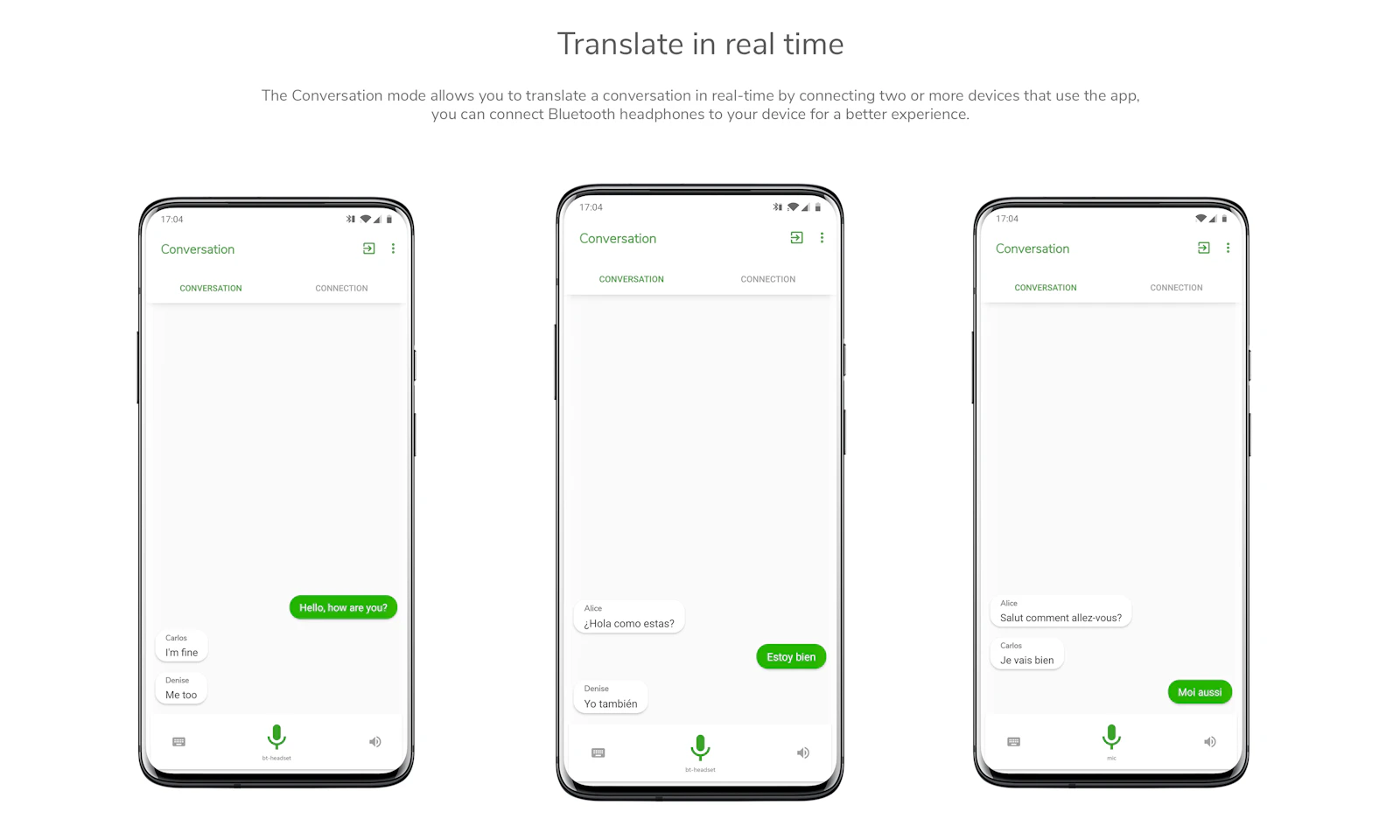

RTranslator
World's first open-source simultaneous translation app.
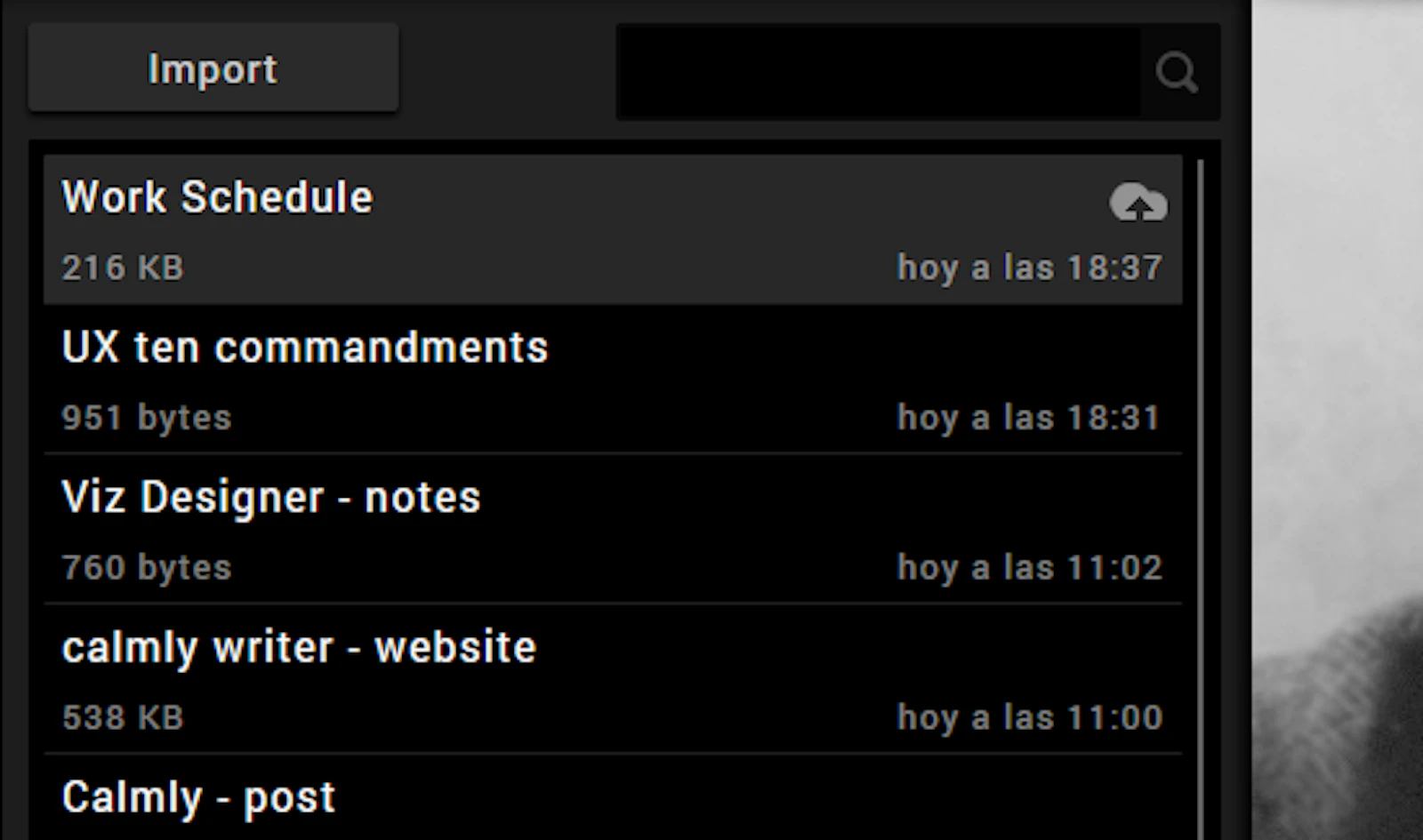
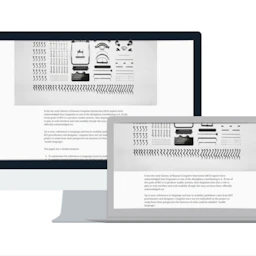
Calmly Writer
Distraction-free writing
- Online platform to showcase & discover creative work

Behance
Online platform to showcase & discover creative work
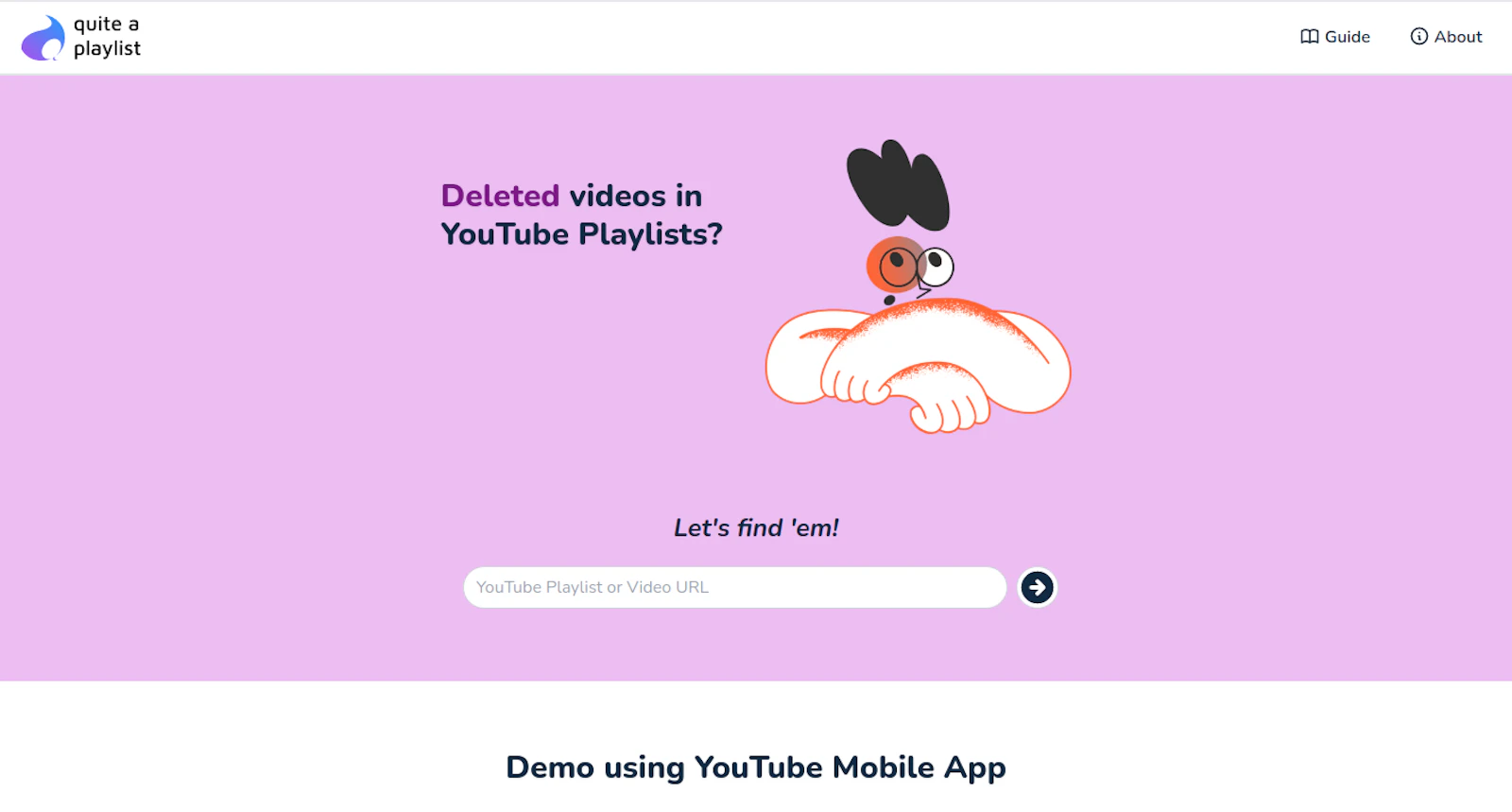

Quite a Playlist
Find deleted & private video details from YouTube playlists
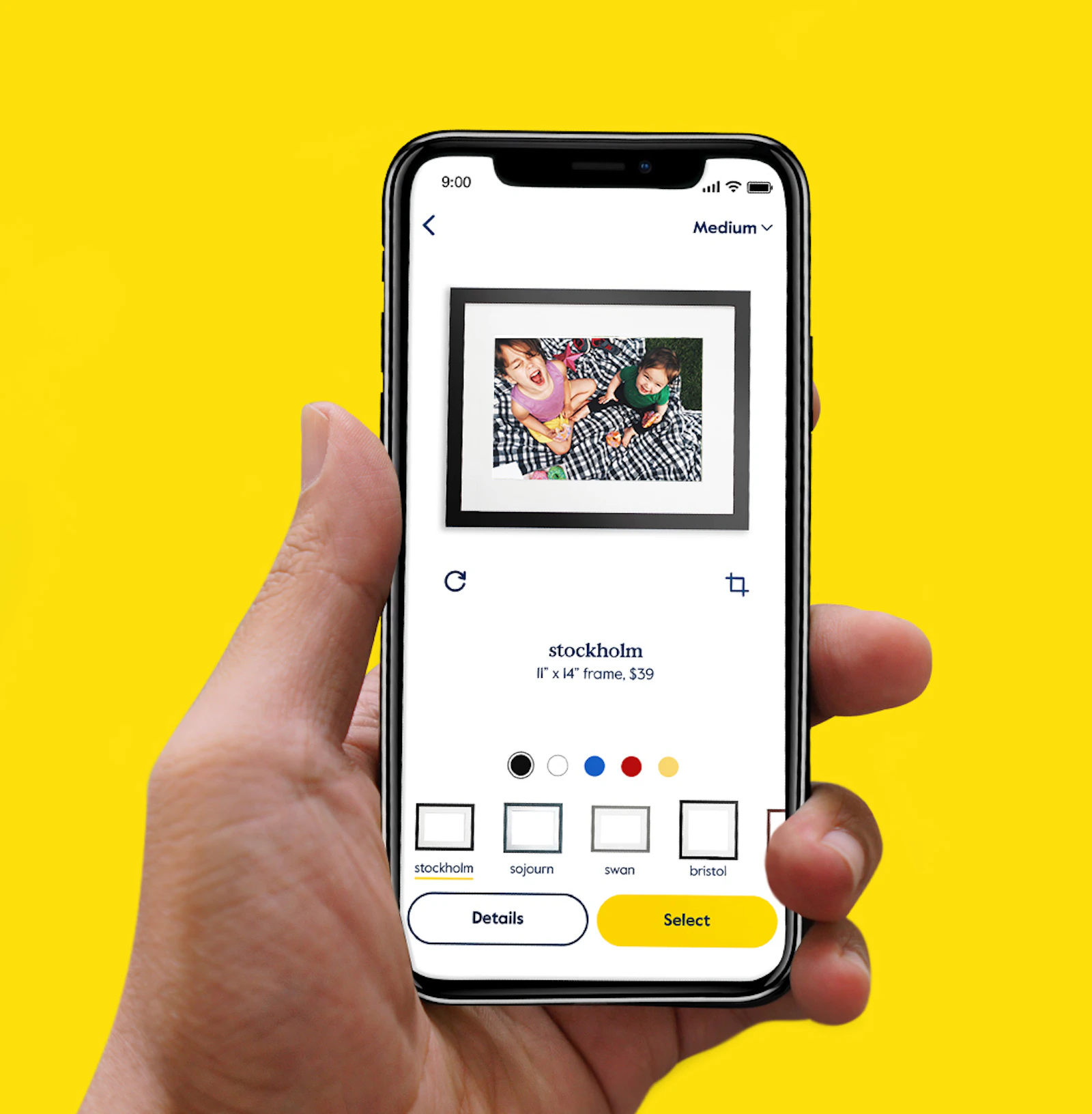

Keepsake Frames
The app that makes it easy to frame the photos on your phone
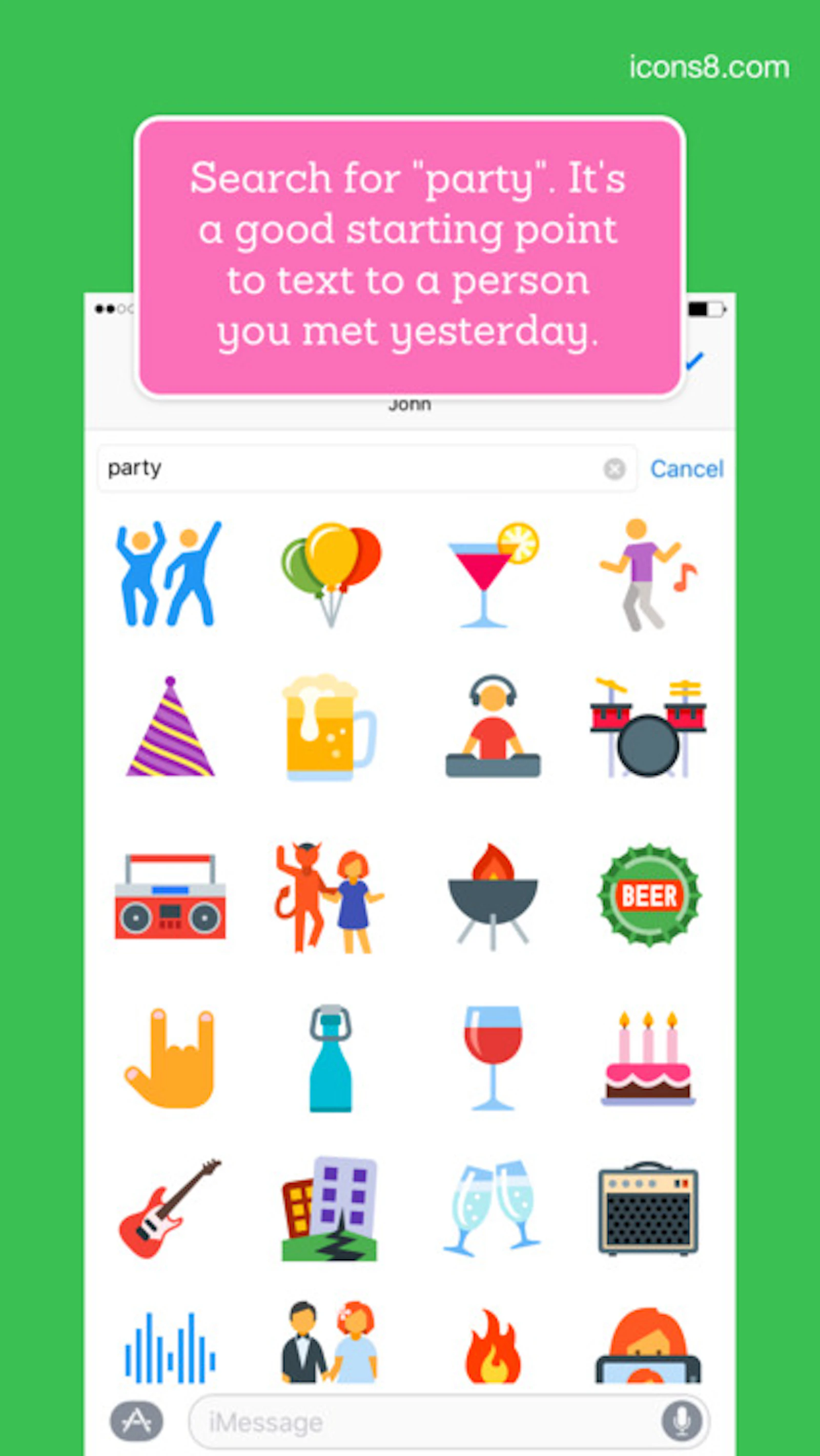
Icons8
3900 unique color stickers for iMessage
- an alternative to iCloud for pictures

Loom
an alternative to iCloud for pictures

Mutter Nonsense
Phone-Connect Party Game For Alexa, The Web, and Discord!
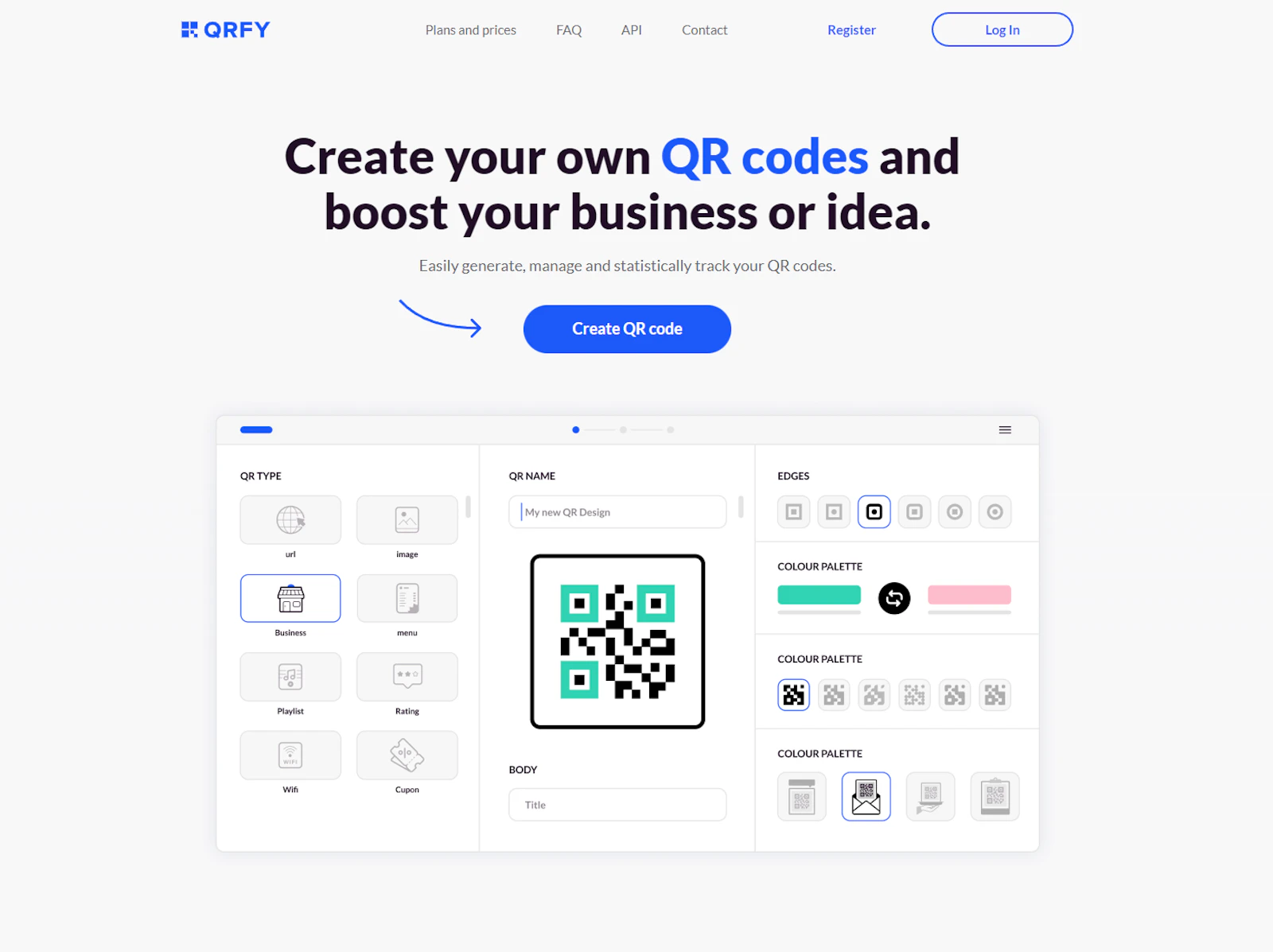

QRfy
Dynamic QR code generator
- Promote to +170 million engaged + passionate users on reddit
reddit
Promote to +170 million engaged + passionate users on reddit
About Developer Tools
Developer tools are the category where the audience is also the builder, which makes it both the easiest place to launch and the hardest place to impress. Everyone reading has strong opinions about their editor, their shell, and how their tests should run. The tools that land are usually the ones that remove a specific, recurring irritation rather than proposing a new way to work.
The launches gathered here cover the full arc of building software: environment setup, editors and extensions, linting and type checking, testing and CI, deployment and preview environments, observability, and the long tail of small utilities that quietly save an hour a week. Some are single binaries you drop on your path. Others are hosted platforms with a free tier. A significant number are open source, and for those the repository tells you more than the landing page — commit frequency, issue response times, and whether the maintainer answers questions kindly are all better predictors of whether a tool will still be around next year than any feature comparison.
The recurring tension in this category is between tools that meet you where you are and tools that ask you to move. A linter that reads your existing configuration and improves on it will be adopted. A linter that requires rewriting every config file will be starred and forgotten. The same applies to CI: pipelines that drop into an existing setup get tried, while platforms that require migrating everything get bookmarked for a quieter month that never arrives. When you are evaluating something here, the honest question is not whether it is better, but whether it is better by enough to justify the switching cost.
Local-first has become a genuine movement in this category rather than a marketing line. Tools that run entirely on your machine — no account, no telemetry, no network round trip — are increasingly the default expectation for anything touching source code. This is partly privacy and partly latency: a review that takes four seconds on your laptop beats one that takes forty in a queue. It is also partly about longevity. A binary you have downloaded keeps working after the company behind it is acquired.
Pricing tends to follow a familiar shape: free for individuals, paid per seat for teams, with the interesting decisions hidden in what counts as a seat and whether CI runners count as users. Read that part carefully. The tools that get recommended repeatedly are usually the ones with pricing that stays sane as a team grows from three people to thirty.
For makers launching here, this audience rewards specificity and punishes vagueness harder than any other. Show the command. Show the output. Show the diff. A twenty-second terminal recording will do more than a page of copy, and a link to the source will do more than either. The fastest way to lose this crowd is to describe a developer tool entirely in the language of business outcomes.
From the blog
Reading on launching, ranking and developer tools.
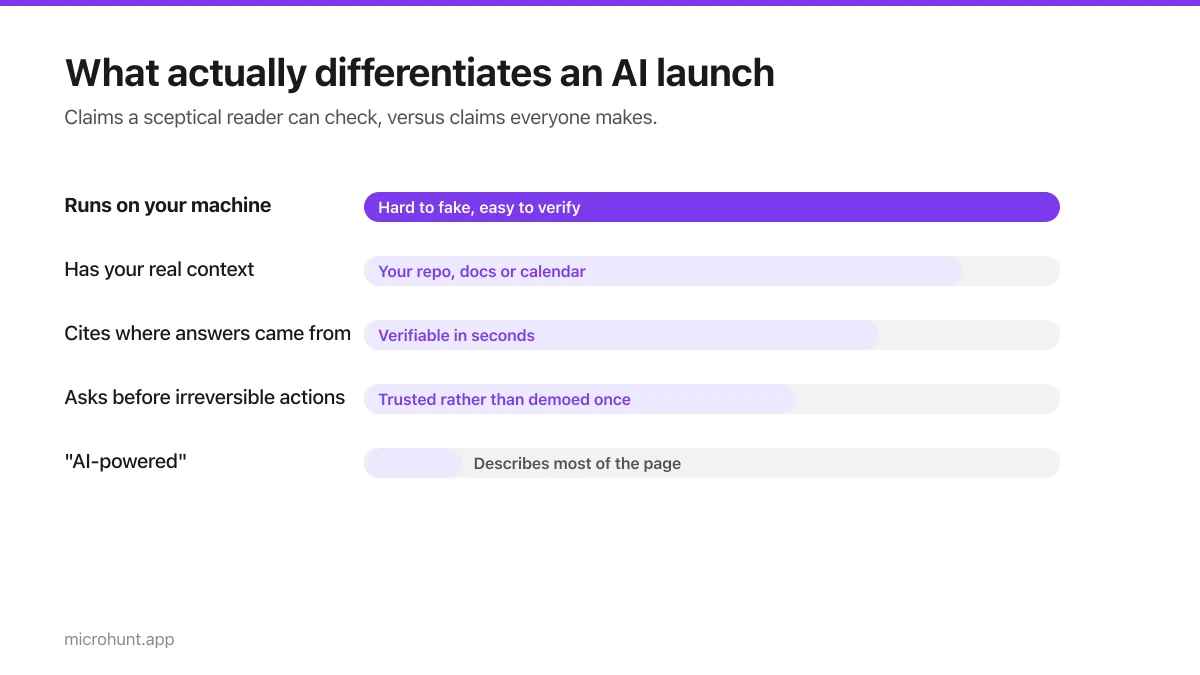
Where to Launch an AI Product (When Everyone Else Is Too)
AI is the most crowded category on every launch board. What actually differentiates a launch when half the page is also AI-powered.
8 min read
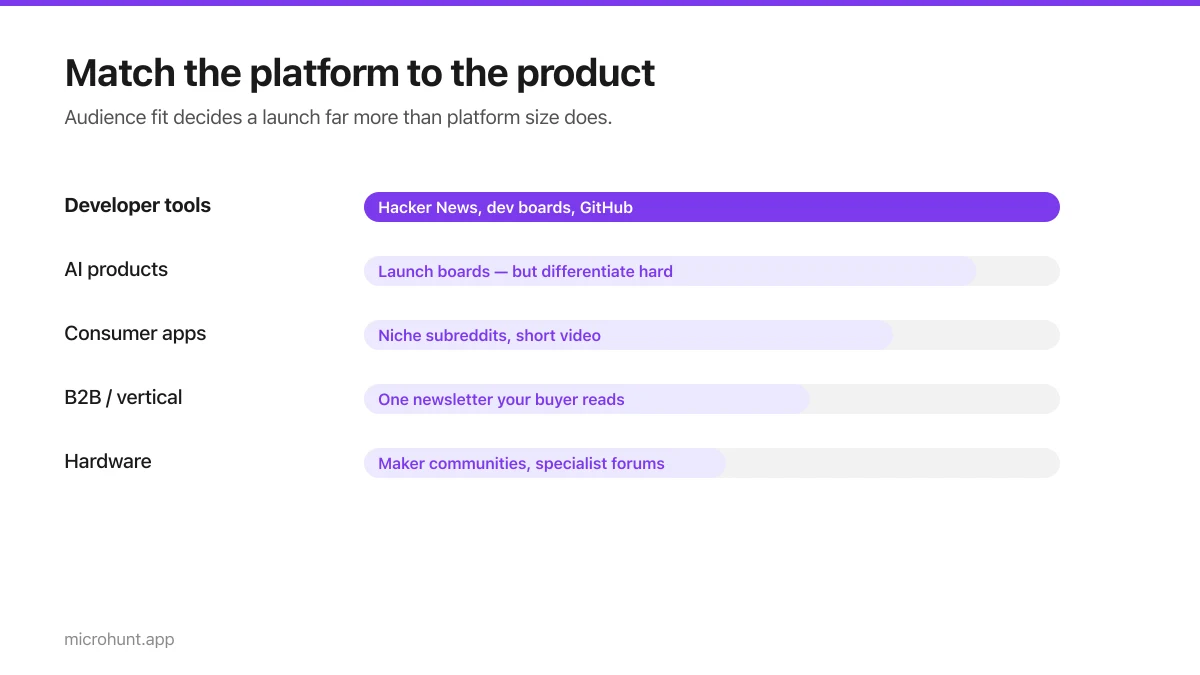
Best Product Hunt Alternatives for Launching in 2026
Where else to launch when Product Hunt is not the right fit — what each platform is actually good at, who shows up, and what it costs.
8 min read
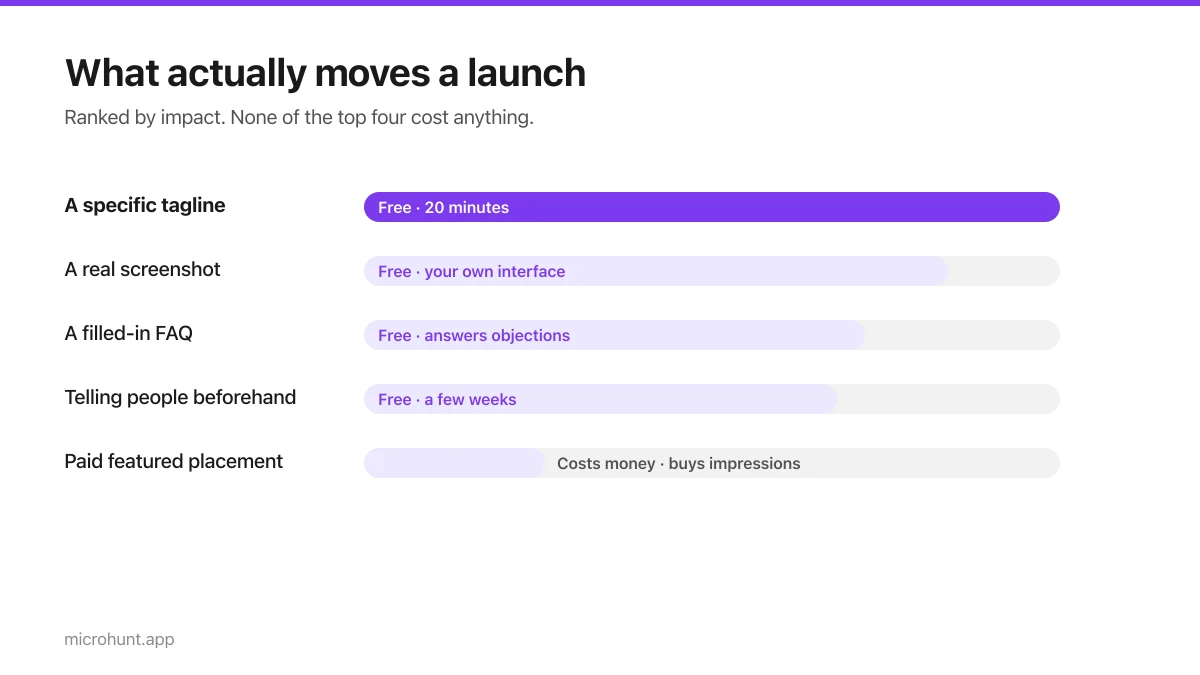
Free Launch Platforms for Indie Makers (No Budget Needed)
You do not need to pay to launch. Here are the places that are genuinely free, what each expects from you, and where paying is actually worth it.
7 min read
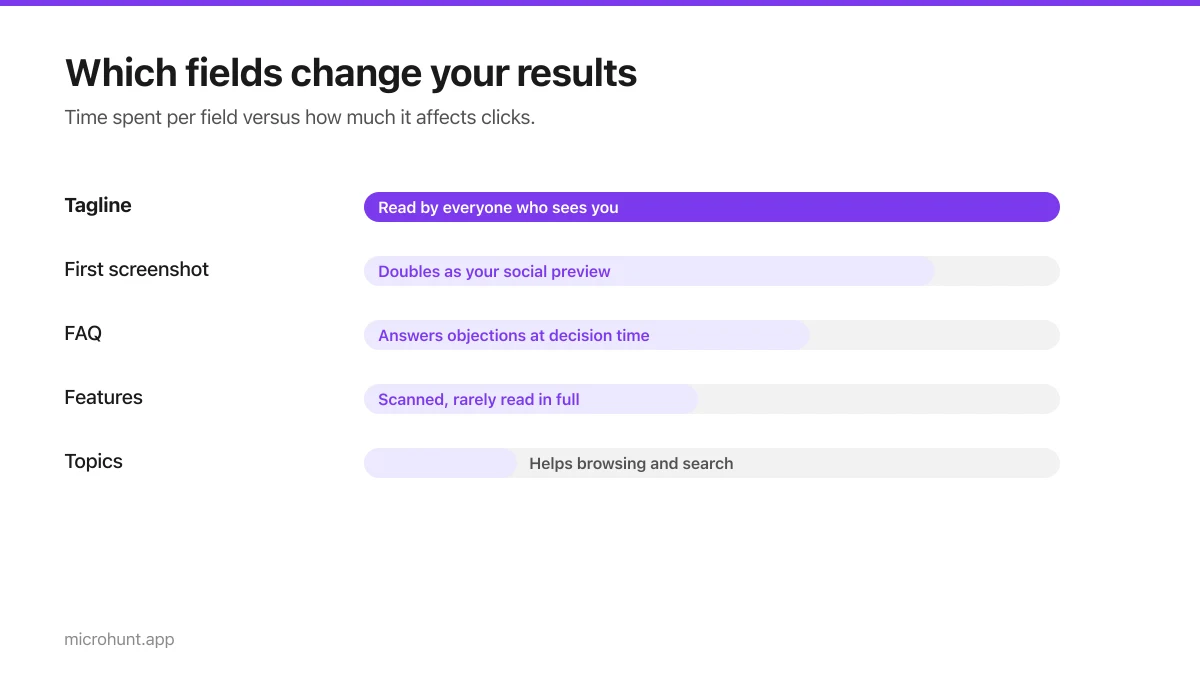
How to Submit a Product on Vuru (Step by Step)
A walk through the submission form, what each field does to your page, and the fields most people leave empty that they shouldn't.
7 min read
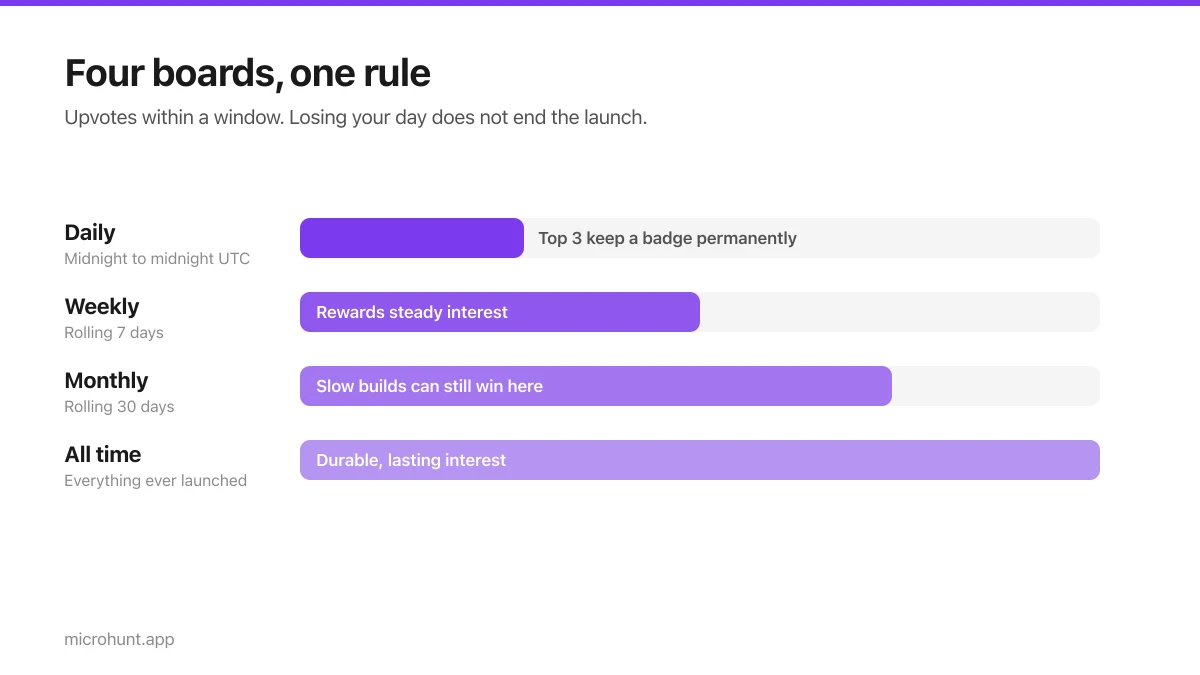
How Vuru Ranking Works (And How to Win a Badge)
Launch windows, upvotes, podium badges and what we do about vote manipulation — the whole ranking system explained plainly.
7 min read
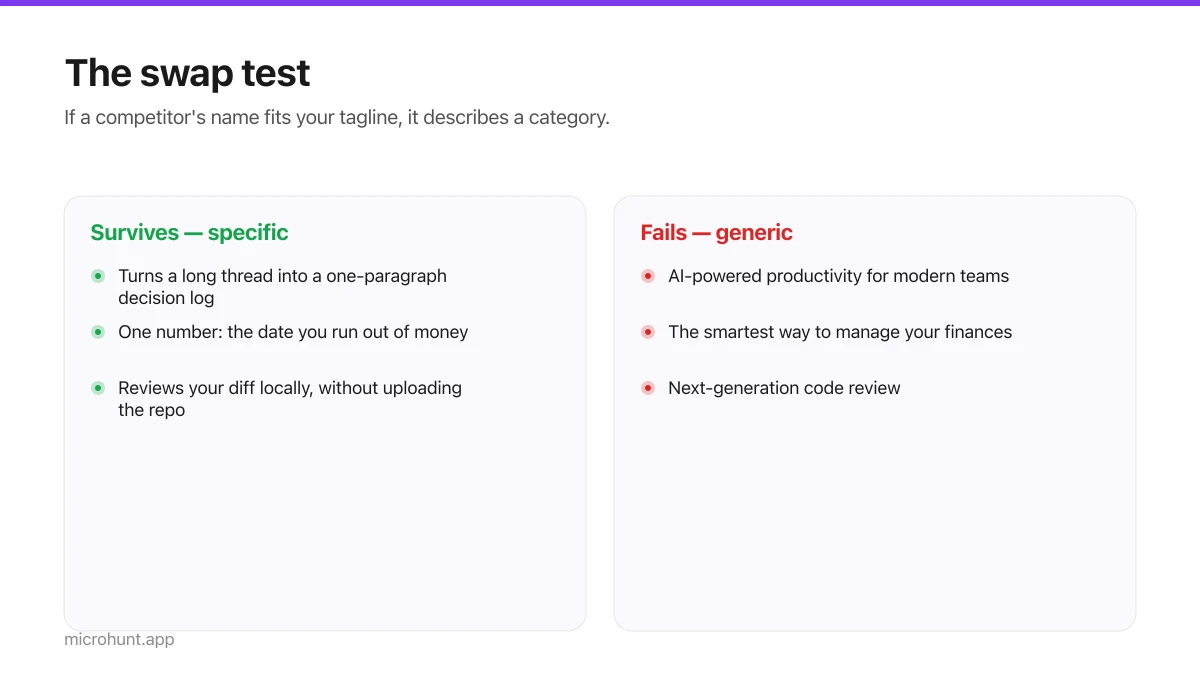
How to Write a Product Tagline That Actually Gets Clicked
The one line most people will ever read about your product, and a simple test for whether yours is doing any work.
7 min read
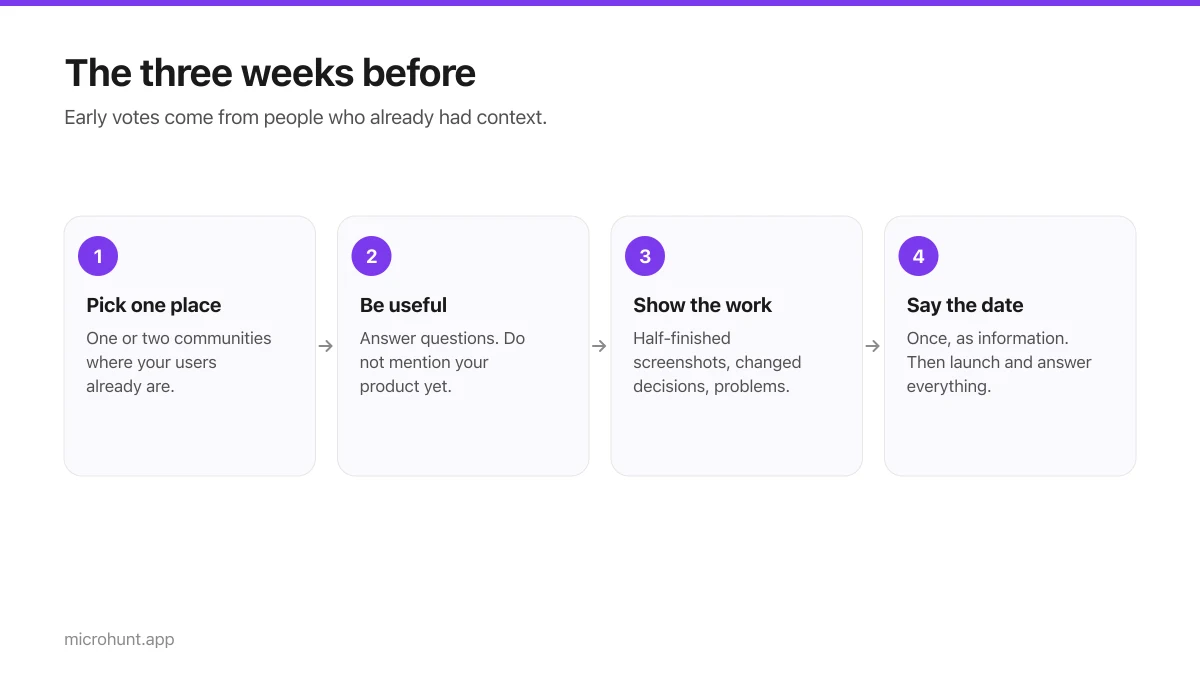
How to Get Your First Upvotes Without Begging
What actually generates early votes, why vote-for-vote groups do not work, and the approach that keeps paying off after launch day.
7 min read
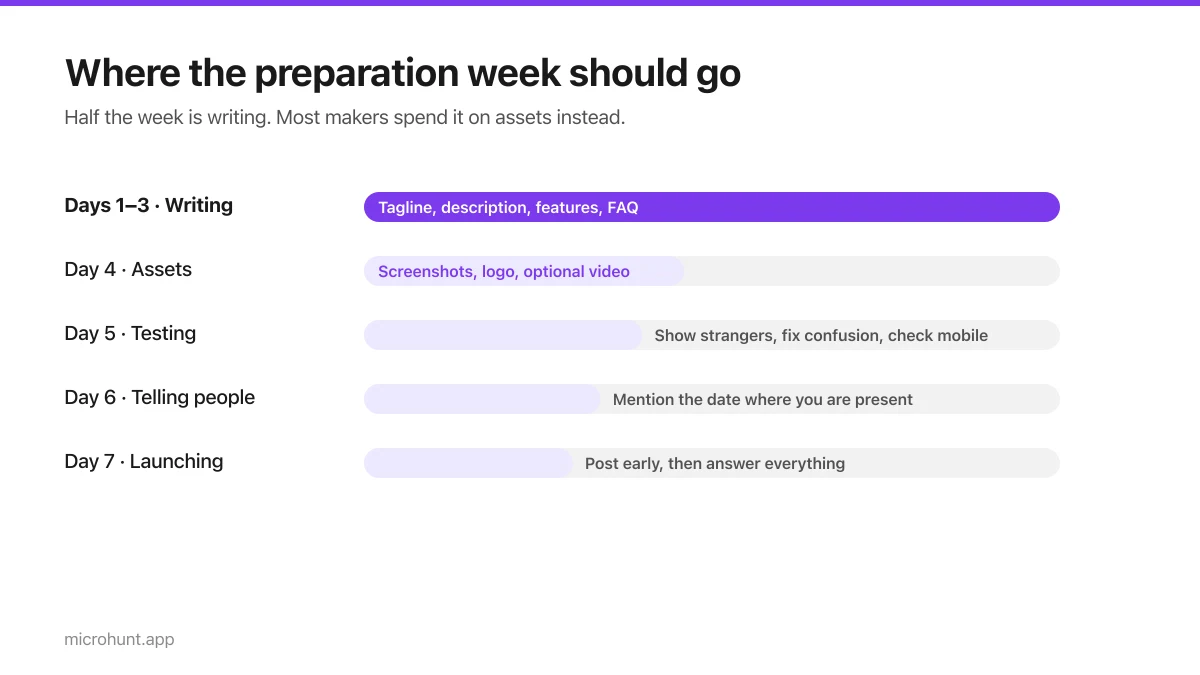
The Seven-Day Launch Checklist
A day-by-day plan for the week before you launch, weighted towards the things that actually change the outcome.
8 min read